






























































































I was sent to Ridgeview against my will because Of a drug overdose. They keep everyone in a big room. You can’t go to your rooms. The nurses yell if you ask them for anything because they are short handed and have too much on them. There was No heat!!!! Ridiculously cold! ...
About Ridgeview Institute
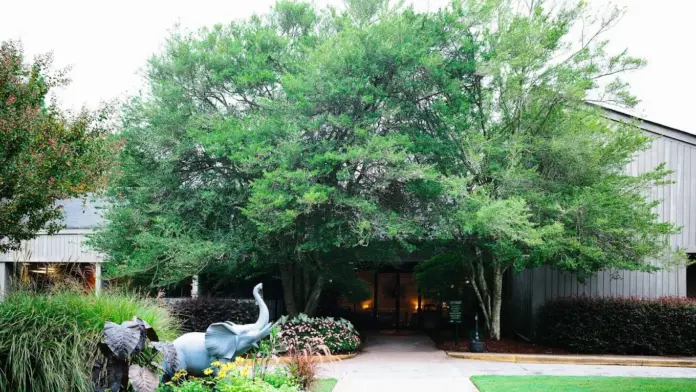
Ridgeview Institute is a psychiatric and addiction treatment hospital in Smyrna, Georgia, offering a full continuum of care for adults, adolescents, and older adults dealing with substance use disorders and co-occurring mental health conditions. Operating since 1976, the facility has served the greater Atlanta region for nearly five decades. With Georgia recording approximately 1,899 overdose deaths in the 12 months ending January 2025, access to a hospital-level program with around- the-clock clinical support can be a critical first step toward lasting recovery.
Inpatient and Hospital-Level Treatment in Smyrna
The core of Ridgeview Institute’s addiction program is medically supervised detox followed by inpatient treatment for alcohol, opioid, and benzodiazepine dependence. Patients progress through a structured sequence that begins with psychiatric stabilization and moves into evidence-based therapies including cognitive behavioral therapy (CBT), dialectical behavior therapy (DBT), and Motivational Interviewing. Individual, group, and family therapy sessions are woven throughout each level of care.
For those who do not require overnight hospitalization, Ridgeview Institute offers partial hospitalization (PHP) and intensive outpatient (IOP) programming with both day and evening schedule options. PHP patients may reside in the on-campus Recovery Residence, providing a supported environment during the step-down phase of treatment.
Specialized Programs and Dual Diagnosis Care
Ridgeview Institute treats many patients living with substance use alongside a psychiatric condition such as depression, bipolar disorder, anxiety, PTSD, or psychosis. The dual diagnosis program integrates addiction treatment and mental health stabilization in a single coordinated plan. Specialty tracks include the Empower Women’s Program (inpatient and IOP/PHP), a Recovering Professionals Program for licensed professionals, a Men’s IOP, and dedicated programming for adolescents, young adults, and older adults.
Access, Payment, and Getting Started
Ridgeview Institute accepts most commercial insurance, Medicaid, Medicare, and TRICARE. Financial assistance is available for eligible Cobb County residents. The facility holds Joint Commission accreditation and offers 24/7 free assessments with no appointment necessary. More than 15 community support groups and an active alumni association extend care beyond the clinical setting.
Latest Reviews
I had some items missing and the worked with me to try to resolve the problem and they did it professionally
Response from the owner2 weeks ago
Thank you for your positive feedback. We appreciate you vocalizing that your items were missing and allowing our Staff to review it in a Professional manner. We hope this was resolved to your satisfaction.
Dr Paul is amazing at what he does and has helped change my life for the better. Highly recommend!
Response from the owner2 weeks ago
Thank you for taking the time to share these kind words. Recognition like this means a great deal, and we will be sure to pass your appreciation along to Dr. Paul. We wish you all the best.
I see the message you’re putting together. 😭🫡 It has a dark-humor + spiritual + “I’ve been through some things, but I’m still standing” energy.
If you want the caption to hit harder while keeping the same vibe:
🚨🚨🚨 ADVISORY NOTICE 🚨🚨🚨
If you don’t want to get SHOT UP 💉💉💉…
#DontActUp. 😂
Shoutout to Dr. Shailesh Patel — appreciate you, Doc. 🫡
I’m R💰🤑h B🐶
#RickJames 🫡
#WillSmith 🙌🏾
#GodGotMe 🙏🏾
Healing, growing, and staying out the way. 💯
The photo itself gives a pretty striking contrast: W.R.A.P. wellness/recovery materials + prescriptions + Bible + your hospital wristband. It reads like “I’ve been through the storm, but I’m documenting the recovery.” 🙏🏾
If you want, I can also turn this into a funny, savage Facebook caption that keeps the Rick James/Will Smith references.
Response from the owner2 weeks ago
Thank you for taking the time to share such a thoughtful message. We truly appreciate the kind words and positive feedback, including the special recognition for Dr. Patel. We will be sure to share your message with him and our team. Wishing you continued healing, growth, and wellness. 
Rehab Score
 Our Methodology
Scoring is assigned by a proprietary system which helps surface key metrics that determine quality. The 10-point scale factors in categories such as operations, customer satisfaction, and trust metrics. Read Full Methodology

6.9 / 10
Gallery
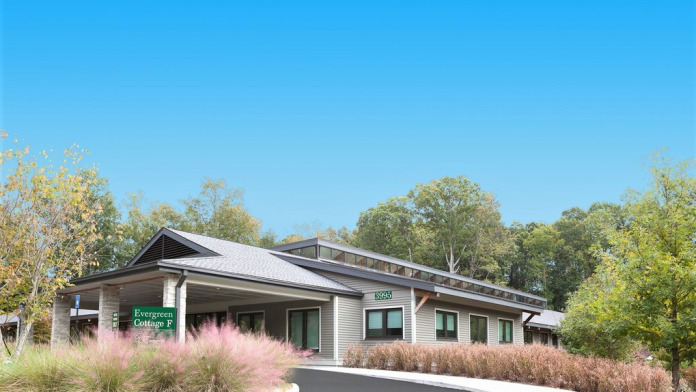

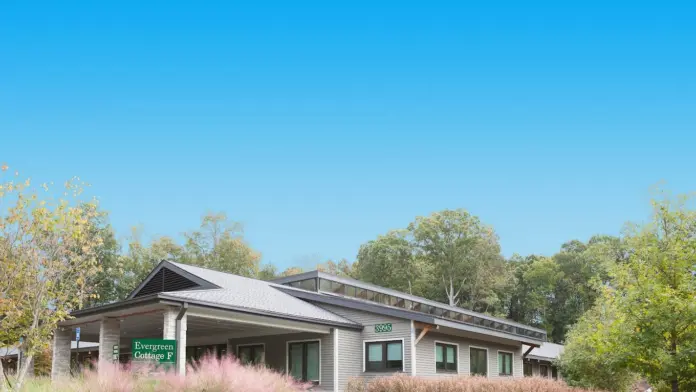
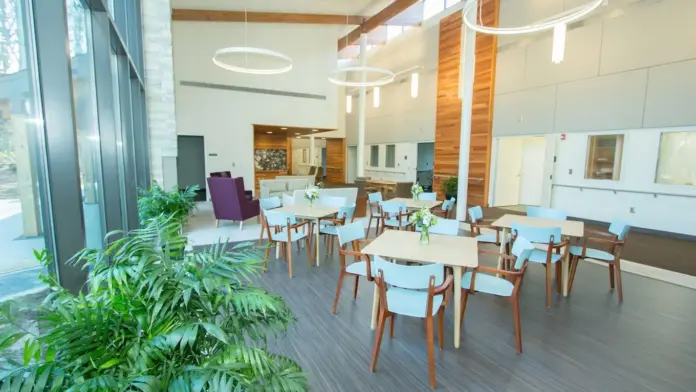
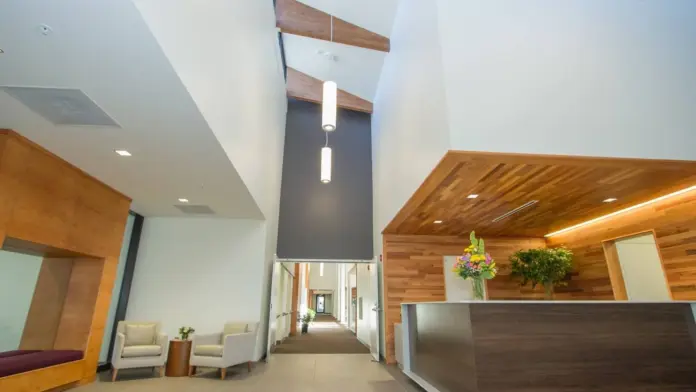
Other Forms of Payment
Private insurance refers to any kind of healthcare coverage that isn't from the state or federal government. This includes individual and family plans offered by an employer or purchased from the Insurance Marketplace. Every plan will have different requirements and out of pocket costs so be sure to get the full details before you start treatment.
Self-pay involves paying for treatment out of your own pocket. You can use savings or credit, get a personal loan, or receive help from family and friends to fund your treatment. If you don't have insurance or your insurance plan doesn't cover a specific program, self-pay can help ensure you still get the care you need.
Financial aid can take many forms. Centers may have grants or scholarships available to clients who meet eligibility requirements. Programs that receive SAMHSA grants may have financial aid available for those who need treatment as well. Grants and scholarships can help you pai for treatment without having to repay.
Medicare is a federal program that provides health insurance for those 65 and older. It also serves people under 65 with chronic and disabling health challenges. To use Medicare for addiction treatment you need to find a program that accepts Medicare and is in network with your plan. Out of pocket costs and preauthorization requirements vary, so always check with your provider.
Medicaid is a state based program that helps lower-income individuals and families pay for healthcare. Medicaid covers addiction treatment so those enrolled can use their coverage to pay for rehab. When a program accepts Medicaid the client often pays very little or nothing out of their own pocket.
Military members, veterans, and eligible dependents have access to specific insurance programs that help them get the care they need. TRICARE and VA insurance can help you access low cost or no cost addiction and mental health treatment. Programs that accept military insurance often have targeted treatment focused on the unique challenges military members, veterans, and their families face.
Addiction Treatments
Levels of Care
Outpatient Programs (OP) are for those seeking mental rehab or drug rehab, but who also stay at home every night. The main difference between outpatient treatment (OP) and intensive outpatient treatment (IOP) lies in the amount of hours the patient spends at the facility. Most of the time an outpatient program is designed for someone who has completed an inpatient stay and is looking to continue their growth in recovery. Outpatient is not meant to be the starting point, it is commonly referred to as aftercare.
Residential treatment programs are those that offer housing and meals in addition to substance abuse treatment. Rehab facilities that offer residential treatment allow patients to focus solely on recovery, in an environment totally separate from their lives. Some rehab centers specialize in short-term residential treatment (a few days to a week or two), while others solely provide treatment on a long-term basis (several weeks to months). Some offer both, and tailor treatment to the patient's individual requirements.
Intensive Outpatient Programs (IOP) are for those who want or need a very structured treatment program but who also wish to live at home and continue with certain responsibilities (such as work or school). IOP substance abuse treatment programs vary in duration and intensity, and certain outpatient rehab centers will offer individualized treatment programs.
Aftercare, which is sometimes referred to as continuing care or relapse prevention, is a type of structured care meant to help you continue with the progress you've made after completing an addiction treatment program. Most of the time, you'll continue receiving support after a treatment program by partnering with their case managers and staff to identify and access the resources you need to remain sober.
Designed for individuals who don't require round-the-clock care, a partial hospitalization program (PHP) is a form of outpatient care with a higher level of support. PHP treatment can be an alternative to inpatient hospitalization or a step-down option. With daily sessions lasting 6 to 8 hours, up to 5 days a week, a partial hospitalization program may offer medication management, relapse prevention techniques, and behavioral therapy interventions. PHP treatment can be fully or partially covered by insurance.
24-hour clinical care in Georgia reduces the risks involved in detox and addiction treatment. Without access to professional medical care, individuals may experience withdrawal symptoms that become life threatening. For example, alcohol withdrawal can cause delirium tremens, confusion, and cardiac symptoms. Without medical supervision to step in, these symptoms could potentially turn fatal.
Treatments
The goal of treatment for alcoholism is abstinence. Those with poor social support, poor motivation, or psychiatric disorders tend to relapse within a few years of treatment. For these people, success is measured by longer periods of abstinence, reduced use of alcohol, better health, and improved social functioning. Recovery and Maintenance are usually based on 12 step programs and AA meetings.
A quality drug rehab in Georgia can help you overcome addiction. This environment is designed to help you address the complex issues contributing to drug dependence. The goal of treatment is to give you the tools you need to make a full recovery.
Many of those suffering from addiction also suffer from mental or emotional illnesses like schizophrenia, bipolar disorder, depression, or anxiety disorders. Rehab and other substance abuse facilities treating those with a dual diagnosis or co-occurring disorder administer psychiatric treatment to address the person's mental health issue in addition to drug and alcohol rehabilitation.
A combined mental health and substance abuse rehab has the staff and resources available to handle individuals with both mental health and substance abuse issues. It can be challenging to determine where a specific symptom stems from (a mental health issue or an issue related to substance abuse), so mental health and substance abuse professionals are helpful in detangling symptoms and keeping treatment on track.
Opioid rehabs specialize in supporting those recovering from opioid addiction. They treat those suffering from addiction to illegal opioids like heroin, as well as prescription drugs like oxycodone. These centers typically combine both physical as well as mental and emotional support to help stop addiction. Physical support often includes medical detox and subsequent medical support (including medication), and mental support includes in-depth therapy to address the underlying causes of addiction.
Programs
Adult rehab programs include therapies tailored to each client's specific needs, goals, and recovery progress. They are tailored to the specific challenges adult clients may face, including family and work pressures and commitments. From inpatient and residential treatment to various levels of outpatient services, there are many options available. Some facilities also help adults work through co-occurring conditions, like anxiety, that can accompany addiction.
Young adulthood can be an exciting, yet difficult, time of transition. Individuals in their late teens to mid-20s face unique stressors related to school, jobs, families, and social circles, which can lead to a rise in substance use. Rehab centers with dedicated young adult programs will include activities and amenities that cater to this age group, with an emphasis on specialized counseling, peer socialization, and ongoing aftercare.
Recovery is most successful when clients feel accepted and validated by their peers and treatment providers. Facilities that offer LGBTQ-inclusive programming are committed to creating a safe space where everyone can grow and recover without fear of judgment or discrimination. They will have dedicated policies in place to create a safe and supportive environment that fosters free expression.
Serving in the military is both mentally and physically challenging, and can result in trauma that persists even after combat ends. Military programs are tailored to the specific and often complex needs of active duty personnel, veterans, and military families. Clients often access these programs through the U.S. Department of Veterans Affairs (VA).
Clinical Services
Cognitive Behavioral Therapy (CBT) is a therapy modality that focuses on the relationship between one's thoughts, feelings, and behaviors. It is used to establish and allow for healthy responses to thoughts and feelings (instead of unhealthy responses, like using drugs or alcohol). CBT has been proven effective for recovering addicts of all kinds, and is used to strengthen a patient's own self-awareness and ability to self-regulate. CBT allows individuals to monitor their own emotional state, become more adept at communicating with others, and manage stress without needing to engage in substance abuse.
Dialectical Behavior Therapy (DBT) is a modified form of Cognitive Behavioral Therapy (CBT), a treatment designed to help people understand and ultimately affect the relationship between their thoughts, feelings, and behaviors. DBT is often used for individuals who struggle with self-harm behaviors, such as self-mutilation (cutting) and suicidal thoughts, urges, or attempts. It has been proven clinically effective for those who struggle with out-of-control emotions and mental health illnesses like Borderline Personality Disorder.
Group therapy is any therapeutic work that happens in a group (not one-on-one). There are a number of different group therapy modalities, including support groups, experiential therapy, psycho-education, and more. Group therapy involves treatment as well as processing interaction between group members.
In individual therapy, a patient meets one-on-one with a trained psychologist or counselor. Therapy is a pivotal part of effective substance abuse treatment, as it often covers root causes of addiction, including challenges faced by the patient in their social, family, and work/school life.
In trauma therapy, you address the emotional and psychological effects of traumatic events in your life. Your therapist provides you with the tools you need to process those memories and reduce the symptoms. This helps improve your overall mental health and functioning.
The skills you learn in couples therapy are designed to help you successfully address relationship challenges as they arise. These skills can include anger management, conflict resolution, communication, and problem solving.
Staff & Accreditations
Staff
Amy Alexander
CEO
Yanet Montes
CFO
Amy Harshaw
Chief Nursing Officer
Mahaveer Vakharia
Medical Director
Raynard Ware
COO
Lynn Leger
Director, Information Systems
Accreditations

The Joint Commission, formerly known as JCAHO, is a nonprofit organization that accredits rehab organizations and programs. Founded in 1951, the Joint Commision's mission is to improve the quality of patient care and demonstrating the quality of patient care.
Joint Commission Accreditation: Yes
Rehab.com regularly reviews this listing for accuracy but changes may occur between updates. For the most up-to-date information, please contact Ridgeview Institute.
Contact Information

3995 South Cobb Drive SE
Smyrna, GA 30080
Get Help Now - 470-866-4553
Sponsored Helpline
Sponsored Helpline


