Sponsored Helpline











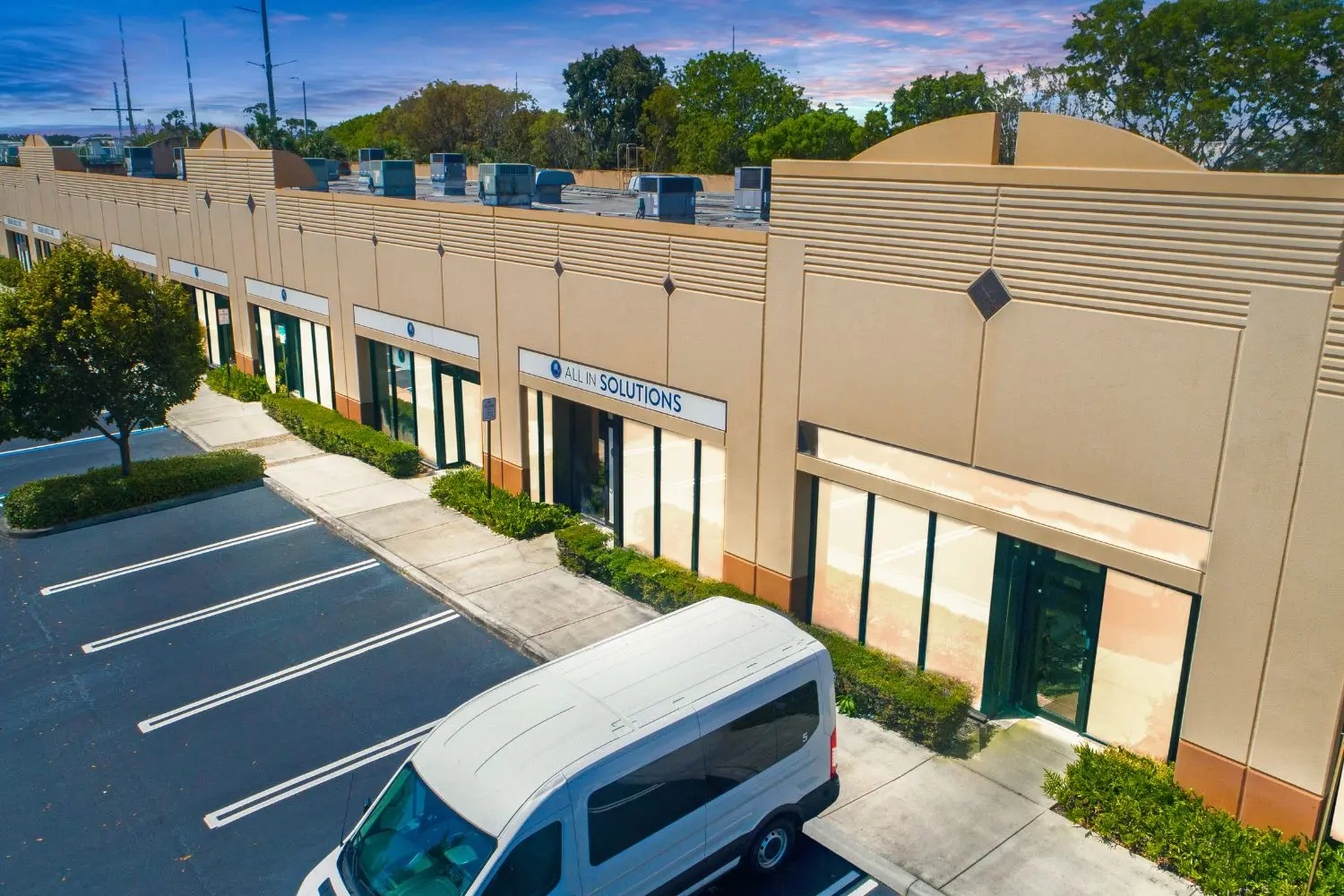
All In Solutions Counseling Center
1
Top 10 Rehab Centers In Boynton Beach

























































































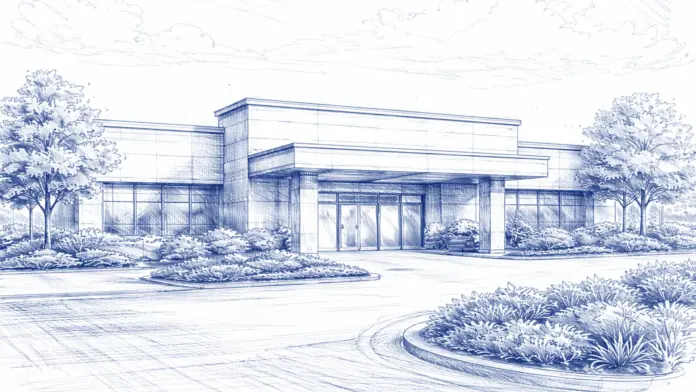
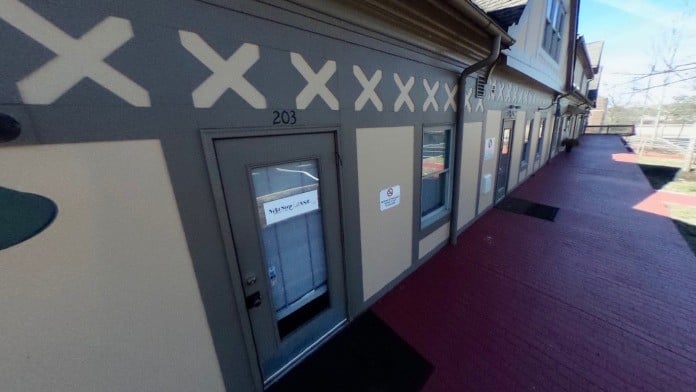
Based in South Daytona, Florida, and formerly known as Serenity House of Volusia, this now-defunct nonprofit facility closed under the name Haven Recovery Center. They used to accommodate adults struggling with substance abuse.
The center had expanded its services, allegedly tripling its counseling and mental health staff. Their team also worked alongside Windward Behavioral Care as a means of offering more comprehensive behavioral services, rather than a pure drug rehab support.
The goal was that the center would offer an integrated support system, providing various treatment services for complex and chronic mental, behavioral, and substance abuse issues.
Alongside Windward, the facility featured 188 residential beds, along with permanent and transitional sober housing options throughout the local area. Outpatient offices were also available in Deltona, DeLand, and Daytona Beach.
CEO Mark Besen once said of the center’s offering, “The scope of the kind of services provided to me didn’t fit the needs of some of the most high-risk people that we serve.” This reason is why the center shifted its approach to one of more comprehensive and integrated support. Part of this involved bringing in more holistic elements, which it offered through its partnership with New Frontier Recovery Centers.
As a result of this, clients with opiate addiction were able to access medication-assisted treatment (MAT) using FDA-approved buprenorphine.
Residential treatment programs are those that offer housing and meals in addition to substance abuse treatment. Rehab facilities that offer residential treatment allow patients to focus solely on recovery, in an environment totally separate from their lives. Some rehab centers specialize in short-term residential treatment (a few days to a week or two), while others solely provide treatment on a long-term basis (several weeks to months). Some offer both, and tailor treatment to the patient's individual requirements.
Completing a drug or alcohol rehab program shouldn't spell the end of substance abuse treatment. Aftercare involves making a sustainable plan for recovery, including ongoing support. This can include sober living arrangements like halfway houses, career counseling, and setting a patient up with community programs like Alcoholics Anonymous (AA) or Narcotics Anonymous (NA).
Mental health rehabs focus on helping individuals recover from mental illnesses like bipolar disorder, clinical depression, anxiety disorders, schizophrenia, and more. Mental health professionals at these facilities are trained to understand and treat mental health issues, both in individual and group settings.
Adult rehab programs include therapies tailored to each client's specific needs, goals, and recovery progress. They are tailored to the specific challenges adult clients may face, including family and work pressures and commitments. From inpatient and residential treatment to various levels of outpatient services, there are many options available. Some facilities also help adults work through co-occurring conditions, like anxiety, that can accompany addiction.
Young adulthood can be an exciting, yet difficult, time of transition. Individuals in their late teens to mid-20s face unique stressors related to school, jobs, families, and social circles, which can lead to a rise in substance use. Rehab centers with dedicated young adult programs will include activities and amenities that cater to this age group, with an emphasis on specialized counseling, peer socialization, and ongoing aftercare.
Group therapy is any therapeutic work that happens in a group (not one-on-one). There are a number of different group therapy modalities, including support groups, experiential therapy, psycho-education, and more. Group therapy involves treatment as well as processing interaction between group members.
 Back
Back
Sharing your insights and experiences can help others learn more about this rehab center.