





























































































About Spero Health
The small town of Murray, Kentucky, is home to Spero Health, a drug and alcohol rehab for adults. You’ll be seen on an appointment basis for counseling, addiction medication and group therapy. You’ll also have meetings with a physician for mental and physical health check ups. They provide court-ordered assessments whether you have an active addiction or not.
Effective Addiction Recovery in Western Kentucky
They offer outpatient treatment only. I noticed that you can either have just individual or group counseling or you can choose to have both. For approximately the first three months of your treatment you’ll go in for appointments between one and three times per week. As you progress in your recovery, you’ll be able to go less often.
As part of group therapy you’ll learn more about addictive substances and how they affect your brain and body. The addiction medication you’ll get will either be Suboxone or Vivitrol. Your physician will recommend what they determine to be most helpful to you.
A Safe Place To Heal in Charming Murray
You’ll find your counseling and group therapy sessions are safe places to open up. You’ll become close to the others in your group as you listen and support each other. Accountability is built into the program through attending counseling, medication counts and urine drug tests.
Murray is a beautiful city to recover in as it has so many places and spaces for you to keep busy and get outdoors. Whether you love the arts and music, golfing, or prefer fishing and hunting, this Southern town offers it all.
Latest Reviews



Rehab Score
 Our Methodology


Gallery
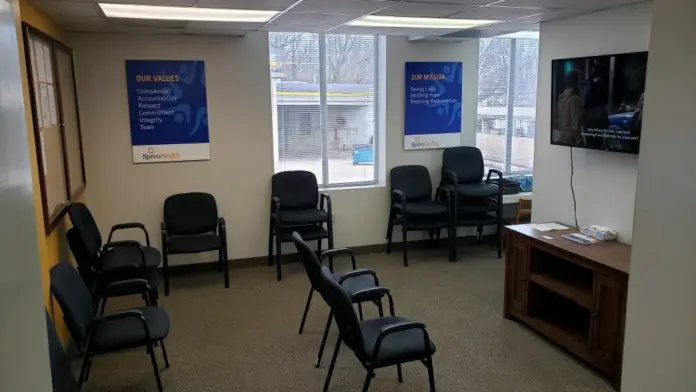
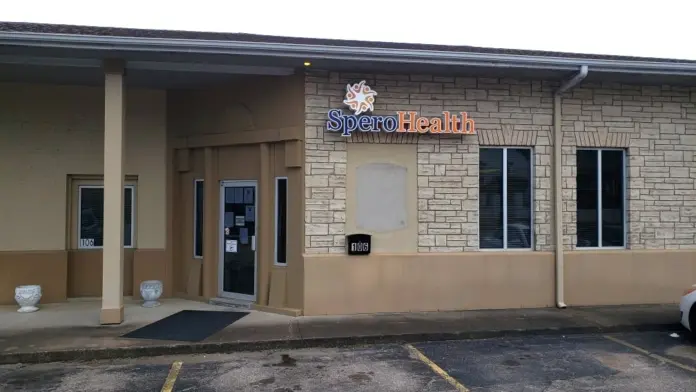
Accepted Insurance
Other Forms of Payment
Private insurance refers to any kind of healthcare coverage that isn't from the state or federal government. This includes individual and family plans offered by an employer or purchased from the Insurance Marketplace. Every plan will have different requirements and out of pocket costs so be sure to get the full details before you start treatment.
Medicaid is a state based program that helps lower-income individuals and families pay for healthcare. Medicaid covers addiction treatment so those enrolled can use their coverage to pay for rehab. When a program accepts Medicaid the client often pays very little or nothing out of their own pocket.
Self-pay involves paying for treatment out of your own pocket. You can use savings or credit, get a personal loan, or receive help from family and friends to fund your treatment. If you don't have insurance or your insurance plan doesn't cover a specific program, self-pay can help ensure you still get the care you need.
Medicare is a federal program that provides health insurance for those 65 and older. It also serves people under 65 with chronic and disabling health challenges. To use Medicare for addiction treatment you need to find a program that accepts Medicare and is in network with your plan. Out of pocket costs and preauthorization requirements vary, so always check with your provider.
Military members, veterans, and eligible dependents have access to specific insurance programs that help them get the care they need. TRICARE and VA insurance can help you access low cost or no cost addiction and mental health treatment. Programs that accept military insurance often have targeted treatment focused on the unique challenges military members, veterans, and their families face.
Addiction Treatments
Levels of Care
Medical detox is the process of weaning your body off addictive substances in a medically supervised environment. An on-site medical team may include physicians, nurses, therapists, and other clinical staff whose job it is to monitor your vitals and provide medications if necessary to alleviate withdrawal symptoms. Their goal is to keep you as safe and comfortable as possible throughout the process.. Medically assisted detox programs are individualized to meet your specific needs and can vary in length, but they tend to last 5-7 days.
Intensive Outpatient Programs (IOP) are for those who want or need a very structured treatment program but who also wish to live at home and continue with certain responsibilities (such as work or school). IOP substance abuse treatment programs vary in duration and intensity, and certain outpatient rehab centers will offer individualized treatment programs.
Completing a drug or alcohol rehab program shouldn't spell the end of substance abuse treatment. Aftercare involves making a sustainable plan for recovery, including ongoing support. This can include sober living arrangements like halfway houses, career counseling, and setting a patient up with community programs like Alcoholics Anonymous (AA) or Narcotics Anonymous (NA).
Outpatient rehabs enable clients to integrate addiction treatment into their daily lives. Clients typically continue to work and reside at home, but may engage in daily therapeutic sessions, depending on need. Outpatient treatment generally involves individual, group, and/or family therapy, recovery-focused life skills training, and a variety of ancillary services, such as career counseling or vocational training. Outpatient rehabs often encompass multiple levels of care, including partial hospitalization (PHP), intensive outpatient (IOP), sober living, and standard outpatient.
Treatments
Substance rehabs focus on helping individuals recover from substance abuse, including alcohol and drug addiction (both illegal and prescription drugs). They often include the opportunity to engage in both individual as well as group therapy.
Programs
Adult rehab programs include therapies tailored to each client's specific needs, goals, and recovery progress. They are tailored to the specific challenges adult clients may face, including family and work pressures and commitments. From inpatient and residential treatment to various levels of outpatient services, there are many options available. Some facilities also help adults work through co-occurring conditions, like anxiety, that can accompany addiction.
Clinical Services
Research clearly demonstrates that recovery is far more successful and sustainable when loved ones like family members participate in rehab and substance abuse treatment. Genetic factors may be at play when it comes to drug and alcohol addiction, as well as mental health issues. Family dynamics often play a critical role in addiction triggers, and if properly educated, family members can be a strong source of support when it comes to rehabilitation.
Group therapy is any therapeutic work that happens in a group (not one-on-one). There are a number of different group therapy modalities, including support groups, experiential therapy, psycho-education, and more. Group therapy involves treatment as well as processing interaction between group members.
In individual therapy, a patient meets one-on-one with a trained psychologist or counselor. Therapy is a pivotal part of effective substance abuse treatment, as it often covers root causes of addiction, including challenges faced by the patient in their social, family, and work/school life.
Several techniques are key to motivational interviewing in Kentucky. Your therapist will use open ended questions, affirm your strengths, reflect your responses back to you, and summarize your responses. This allows you to identify any discrepancies in your current situation and your future goals, which can motivate you to make changes.
Trauma therapy provides you with a safe space to work through a trauma that you witnessed or experienced. Trauma informed therapy supports you to understand your emotional and physical responses and develop healthier coping mechanisms when exposed to triggers in the community. This improves your sense of self confidence and empowerment.
Amenities
-
 Private Rooms
Staff & Accreditations
Staff
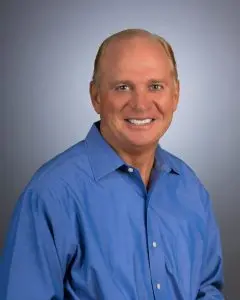
Steve Priest
CEO & President
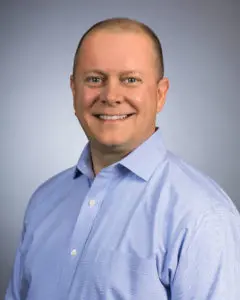
Rick Adams
CFO

Dena Levine
Chief People Officer
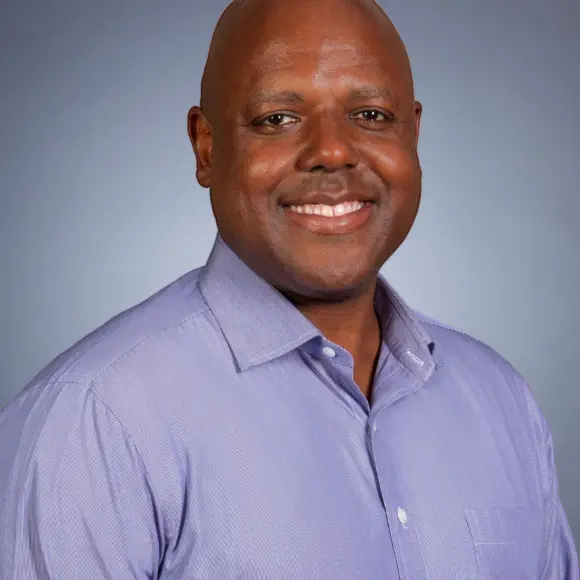
Edward Littlejohn
COO
Accreditations

The Commission on Accreditation of Rehabilitation Facilities (CARF) is a non-profit organization that specifically accredits rehab organizations. Founded in 1966, CARF's, mission is to help service providers like rehab facilities maintain high standards of care.
CARF Accreditation: Yes
Rehab.com regularly reviews this listing for accuracy but changes may occur between updates. For the most up-to-date information, please contact Spero Health.
Contact Information


106 North 6th Street
Murray, KY 42071
Sponsored Helpline



