






























































































I think they should not play with the medicines of patients, at a certain point if you miss some appointment for an emergency they refuse to give you your medications, this is very wrong! We NEED our meds!
About SperoHealth – Berger Road
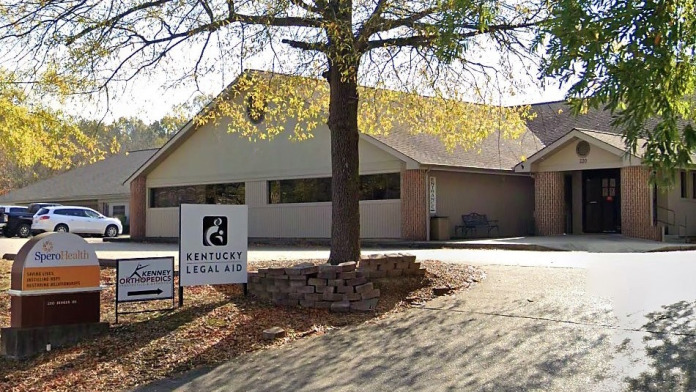
SperoHealth – Berger Road in Paducah, Kentucky, is where you can work on substance use recovery with outpatient services that help you keep going in daily life. Their medication assisted treatment (MAT) is a big part of what they offer, using safe options like Suboxone and Vivitrol to support you through withdrawal and reduce cravings. They also offer individual and group counseling to help you stick with your recovery plan and build skills for lasting healing.
SperoHealth accepts Medicaid, Medicare, TRICARE, private insurance and self-pay. They’re close to the National Quilt Museum and the Paducah Riverwalk, which might give you quiet places to think and recharge between outpatient sessions. We feel that therapeutic outings like these can be instrumental in your recovery.
Strong Emphasis on Medication Assisted Treatment (MAT)
At this location, you’ll find that MAT is not just an option but it’s a key part of your treatment. Their staff will work with you to find the right combination of treatment steps, and many people say this has made a big difference for them. They will also work hard to keep you as comfortable as possible through the process of your recovery.
Paducah’s Supportive Counseling Services
You’ll get more than just medication there. Individual and group counseling sessions help you build skills and stay connected to your recovery goals. If you need help with things like housing, employment, healthcare or education, they can assist with those too. We like that they don’t stop at treatment but instead they help you manage the sensitive parts of life that can make recovery harder.
What People Are Saying
Patient reviews talk a lot about how supportive and committed the staff are. People often mention that the staff make them feel cared for and valued, and some say the program has changed their lives. What strikes us most about them is how often people talk about feeling truly supported during tough times.
Latest Reviews
The staff are more like family to me they genuinely care about me and how I'm doing
The staff and doctors are amazing they have helped me so much. And I can officially say I am 22 months sober from opiates!!!! They are awesome.
This place was my last stop on the addiction train! I have been to other treatment places and they just wrote you a prescription and sent you on your way after paying anywhere from $250 to $400, because other places usually don't take medical insurance but this place and the people here CARE! They do drug screens, they have help with everyday stuff like resources to places to help u get a home, with the RSS staff! And they require you to do counseling because the medication won't work if your not doing other things in your recovery process! They are super awesome to everyone and they continue to save lives everyday and restore relationships! If you can't find anywhere to go check them out

Rehab Score
 Our Methodology
Scoring is assigned by a proprietary system which helps surface key metrics that determine quality. The 10-point scale factors in categories such as operations, customer satisfaction, and trust metrics. Read Full Methodology

7.2 / 10
Gallery
Accepted Insurance
Other Forms of Payment
Self-pay involves paying for treatment out of your own pocket. You can use savings or credit, get a personal loan, or receive help from family and friends to fund your treatment. If you don't have insurance or your insurance plan doesn't cover a specific program, self-pay can help ensure you still get the care you need.
Addiction Treatments
Levels of Care
Outpatient Programs (OP) are for those seeking mental rehab or drug rehab, but who also stay at home every night. The main difference between outpatient treatment (OP) and intensive outpatient treatment (IOP) lies in the amount of hours the patient spends at the facility. Most of the time an outpatient program is designed for someone who has completed an inpatient stay and is looking to continue their growth in recovery. Outpatient is not meant to be the starting point, it is commonly referred to as aftercare.
Drug and alcohol addiction often takes a heavy toll on one's body. Over time, a physical dependence can develop, meaning the body physiologically needs the substance to function. Detox is the process of removing drugs and/or alcohol from the body, a process that can be lethal if mismanaged. Medical detox is done by licensed medical professionals who monitor vital signs and keep you safe, healthy, and as comfortable as possible as you go through detox and withdrawal.
Treatments
The goal of treatment for alcoholism is abstinence. Those with poor social support, poor motivation, or psychiatric disorders tend to relapse within a few years of treatment. For these people, success is measured by longer periods of abstinence, reduced use of alcohol, better health, and improved social functioning. Recovery and Maintenance are usually based on 12 step programs and AA meetings.
Drug rehab in Kentucky often starts with detox, then includes inpatient or outpatient treatment, and continues with aftercare support. Specific methods used during each of these phases varies, but often include individual and group counseling, medication, and recreational therapies.
Opioid rehabs specialize in supporting those recovering from opioid addiction. They treat those suffering from addiction to illegal opioids like heroin, as well as prescription drugs like oxycodone. These centers typically combine both physical as well as mental and emotional support to help stop addiction. Physical support often includes medical detox and subsequent medical support (including medication), and mental support includes in-depth therapy to address the underlying causes of addiction.
Substance rehabs focus on helping individuals recover from substance abuse, including alcohol and drug addiction (both illegal and prescription drugs). They often include the opportunity to engage in both individual as well as group therapy.
Programs
Adult rehab programs include therapies tailored to each client's specific needs, goals, and recovery progress. They are tailored to the specific challenges adult clients may face, including family and work pressures and commitments. From inpatient and residential treatment to various levels of outpatient services, there are many options available. Some facilities also help adults work through co-occurring conditions, like anxiety, that can accompany addiction.
Young adulthood can be an exciting, yet difficult, time of transition. Individuals in their late teens to mid-20s face unique stressors related to school, jobs, families, and social circles, which can lead to a rise in substance use. Rehab centers with dedicated young adult programs will include activities and amenities that cater to this age group, with an emphasis on specialized counseling, peer socialization, and ongoing aftercare.
Clinical Services
Group therapy is any therapeutic work that happens in a group (not one-on-one). There are a number of different group therapy modalities, including support groups, experiential therapy, psycho-education, and more. Group therapy involves treatment as well as processing interaction between group members.
Staff
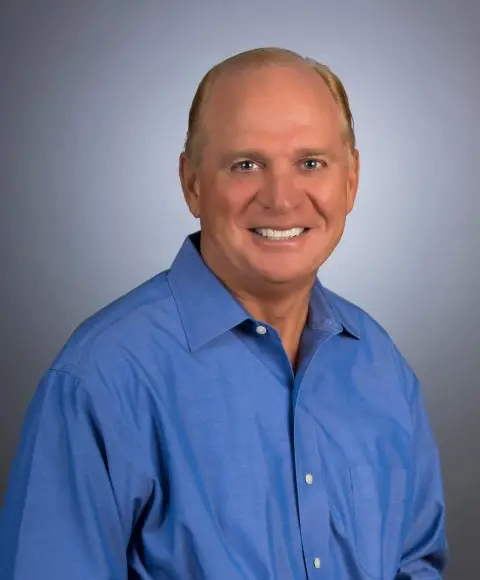
Steve Priest
CEO & President
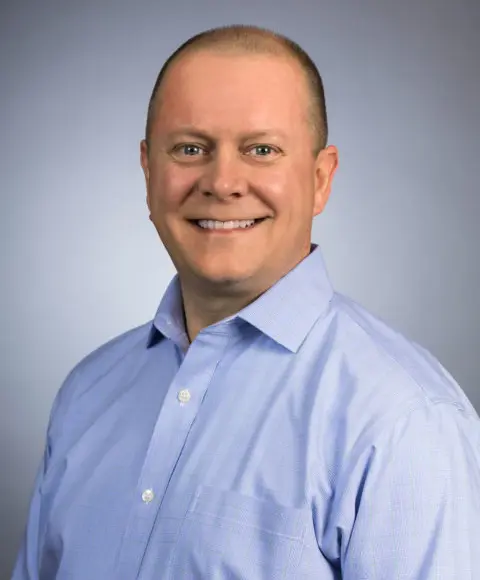
Rick Adams
CFO
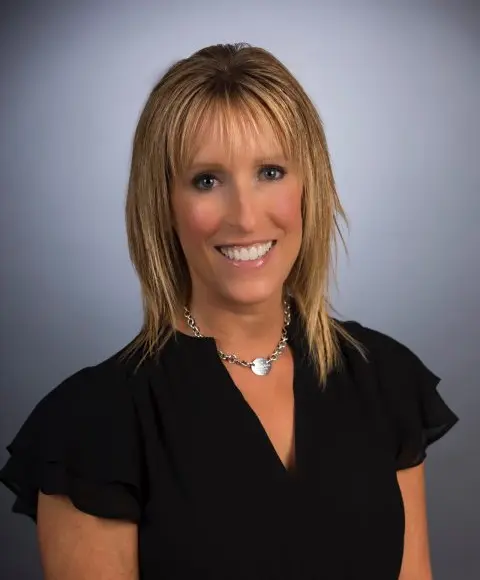
Dena Levine
Chief People Officer
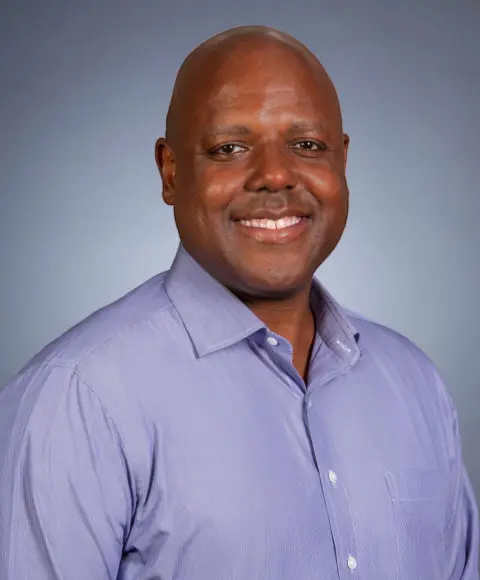
Edward Littlejohn
COO
Rehab.com regularly reviews this listing for accuracy but changes may occur between updates. For the most up-to-date information, please contact SperoHealth – Berger Road.
Contact Information

220 Berger Road
Paducah, KY 42003
Get Help Now - 502-461-9007
Sponsored Helpline
Sponsored Helpline



