































































































This place changed my life for the better.
About Stonewater Adolescent Recovery Center
The inpatient treatment program begins with psychological testing. This provides clinicians with clarity regarding the diagnosis and can help detect any co occurring mental health disorders that need to be treated alongside the substance use disorder.
One thing that’s unique is that they offer medical detox for teens. Many medical detox programs are for adults only. Detox is the process of ridding the body of the substances used and the detox program is medically supervised by a physician. If necessary, clients can have approved medications to ease withdrawal symptoms. Detox is an important first step so the teen can fully participate and integrate throughout the rest of the program.
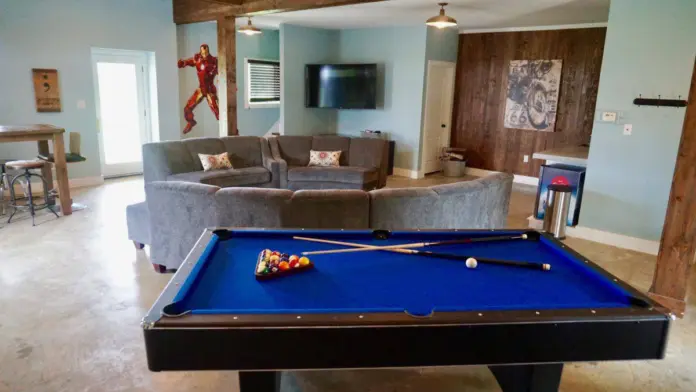
Because the inpatient program is for teen boys only, the staff understands the specific medical, behavioral, clinical, and academic needs of the teens. They offer a home like environment and give the kids opportunities for outside recreation and experiential therapies like yoga, equine and adventure therapy.
The staff encourages the family to participate in the treatment process. Both siblings and parents will have the opportunity to get involved. After completion of the inpatient program, teens leave with a comprehensive support plan for continued recovery and lifelong sobriety.
The virtual IOP is also unique. Not only can you participate from home, but the program is designed to address issues faced by today’s teens. For example they discuss tech addiction and social media as well as gaming and the use of pornography. The IOP includes individual and group therapy sessions along with virtual family services.
Facility Overview
 8
8 Number of Available Beds
Latest Reviews
In the midst of the hardest decision we ever made, Stonewater’s team brought us comfort and relief. Our son is now 4 months sober and the amount of therapy and individual support he received saved his life. They really care about them as individuals but also have a great program for the parents as well. And, now he can still stay connected as an Alumni! His therapist called us the day after he was at his new sober living place out of genuine care and that meant a lot to us. It’s the perfect balance of hard boundaries and high expectations but also love and encouragement for what these teens need as they come from addiction to living life again!
Stonewater was a blessing for our family. From our very first contact with them, they guided us and showed they truly cared about our child. When our son was there we knew he was safe and taken care of. They showed us love and kindness throughout the entire process. We are so grateful for them!
Response from the owner1 week ago
Thank you for sharing this, Taryn!
I was a Stonewater resident over 3 years ago. They were the second treatment center I went to and they are part of the reason that I just hit 3 years of sobriety last month (July 2026). Like most guys, I was not happy about the idea of being in residential treatment at first. But, looking back now, I can say that I needed Stonewater and being there forced me to get 90 days of sobriety, which allowed me to start thinking clearly again. About halfway through my stay there, I actually started fully participating in groups and trying to use the coping skills they were teaching me. It was not perfect and neither was I, but I can say that I think Stonewater was good for me. Jeff Noles was the first therapist that ever really understood me and that I trusted. I also liked Houston and Farmer. Not every resident is going to get along with every staff member, but they do want the best for you, and I felt safe there every day. I met someone there that I still talk to regularly and consider one of my best friends. The support you get from the other guys in treatment is something you don’t realize has impacted you until you leave. If a family is thinking about sending their son to treatment, I would say that Stonewater is one of the best places you could pick.
Response from the owner1 week ago
Thank you Zach! And congratulations on over three years of sobriety! Wow. We know your story is already having such impact. Thanks for sharing! 
Rehab Score
 Our Methodology
Scoring is assigned by a proprietary system which helps surface key metrics that determine quality. The 10-point scale factors in categories such as operations, customer satisfaction, and trust metrics. Read Full Methodology

8.4 / 10
Gallery





Accepted Insurance
Other Forms of Payment
Private insurance refers to any kind of healthcare coverage that isn't from the state or federal government. This includes individual and family plans offered by an employer or purchased from the Insurance Marketplace. Every plan will have different requirements and out of pocket costs so be sure to get the full details before you start treatment.
Self-pay involves paying for treatment out of your own pocket. You can use savings or credit, get a personal loan, or receive help from family and friends to fund your treatment. If you don't have insurance or your insurance plan doesn't cover a specific program, self-pay can help ensure you still get the care you need.
Military members, veterans, and eligible dependents have access to specific insurance programs that help them get the care they need. TRICARE and VA insurance can help you access low cost or no cost addiction and mental health treatment. Programs that accept military insurance often have targeted treatment focused on the unique challenges military members, veterans, and their families face.
Financing your treatment can make treatment more accessible. You'll work with your care provider to set up payment plans, including interest rates and repayment timelines. Financing options vary widely and not all programs offer them, so be sure to get the full details before enrolling in treatment. If you have insurance or other benefits, financing may help you cover your remaining out of pocket expenses.
Addiction Treatments
Levels of Care
Clients stepping down from inpatient care or who prefer to remain at home while receiving intensive treatment may choose to enroll in an outpatient rehab. Outpatient day treatment, partial hospitalization (PHP), and intensive outpatient programs (IOP) are designed for clients requiring more robust supervision and daily treatment. Standard outpatient services enable clients to attend addiction counseling and recovery education throughout the week, with many centers offering weekend, night, and evening sessions to accommodate clients' work and family schedules.
Residential treatment programs are those that offer housing and meals in addition to substance abuse treatment. Rehab facilities that offer residential treatment allow patients to focus solely on recovery, in an environment totally separate from their lives. Some rehab centers specialize in short-term residential treatment (a few days to a week or two), while others solely provide treatment on a long-term basis (several weeks to months). Some offer both, and tailor treatment to the patient's individual requirements. Stonewater Adolescent Recovery Center is a safe place where adolescents can receive addiction treatment with 24/7 support to develop the skills and abilities necessary to improve health, wellness, independence, continuing education and motivation to reach their full potential in a life of recovery. As teens come to understand substance use disorders and negative lifestyle influences, a space removed from these unhealthy external influences is imperative. At Stonewater, Residential Treatment is conducted in a secure, compassionate and motivational space to fully equip your adolescent for the journey ahead.
The Intensive Outpatient Program at Stonewater is a structured outpatient program designed to work with adolescents therapeutically while they are living autonomously or in a family environment. The Stonewater Intensive Outpatient Program incorporates evidenced-based practices such as Individual Therapy, Group Therapy, Group Education, Family Therapy and experiential therapies while allowing the adolescent to return home daily. The adolescent continues to have access to school, work or other activities while pursuing recovery goals as part of the IOP Individual Service Plan. IOP at Stonewater lasts up to 15 weeks and includes three meetings each week, for a minimum of 3 hours per day. The program is offered in convenient morning or afternoon sessions so that the adolescent can still participate in other daily external activities. IOP assists in driving successful community living and promotes positive outcomes for future success.
During early phases of recovery, 24-hour clinical care in Mississippi provides several advantages that can improve recovery outcomes. First, medical staff can prescribe medications to manage withdrawal. Second, staff are available 24/7 to address mental health issues that arise. Third, any other medical issues can be addressed, such as illness or medication management. Lastly, this intensive level of treatment can provide nutritional care to further improve the individual's health.
At Stonewater Adolescent Recovery Center, medically monitored Withdrawal Management protocol is offered as a necessary first step for those adolescents who still have a strong physical dependence on drugs or alcohol. This clinically structured protocol was designed specifically for the needs of an adolescent addict to incorporate the physical considerations of a developing teen. Safely removing these toxic chemicals is the first critical step in developing a new foundation to build upon for successful recovery.
Treatments
The goal of treatment for alcoholism is abstinence. Those with poor social support, poor motivation, or psychiatric disorders tend to relapse within a few years of treatment. For these people, success is measured by longer periods of abstinence, reduced use of alcohol, better health, and improved social functioning. Recovery and Maintenance are usually based on 12 step programs and AA meetings.
For those seeking help with addiction, a drug rehab in Mississippi offers the necessary care to achieve long-term recovery. Options include inpatient, residential, partial hospitalization, intensive outpatient, and long-term drug rehab in Mississippi.
A combined mental health and substance abuse rehab has the staff and resources available to handle individuals with both mental health and substance abuse issues. It can be challenging to determine where a specific symptom stems from (a mental health issue or an issue related to substance abuse), so mental health and substance abuse professionals are helpful in detangling symptoms and keeping treatment on track.
Opioid rehabs specialize in supporting those recovering from opioid addiction. They treat those suffering from addiction to illegal opioids like heroin, as well as prescription drugs like oxycodone. These centers typically combine both physical as well as mental and emotional support to help stop addiction. Physical support often includes medical detox and subsequent medical support (including medication), and mental support includes in-depth therapy to address the underlying causes of addiction.
 Mental Health And Substance Abuse
Programs
Adult rehab programs include therapies tailored to each client's specific needs, goals, and recovery progress. They are tailored to the specific challenges adult clients may face, including family and work pressures and commitments. From inpatient and residential treatment to various levels of outpatient services, there are many options available. Some facilities also help adults work through co-occurring conditions, like anxiety, that can accompany addiction.
Young adulthood can be an exciting, yet difficult, time of transition. Individuals in their late teens to mid-20s face unique stressors related to school, jobs, families, and social circles, which can lead to a rise in substance use. Rehab centers with dedicated young adult programs will include activities and amenities that cater to this age group, with an emphasis on specialized counseling, peer socialization, and ongoing aftercare.
Serving in the military is both mentally and physically challenging, and can result in trauma that persists even after combat ends. Military programs are tailored to the specific and often complex needs of active duty personnel, veterans, and military families. Clients often access these programs through the U.S. Department of Veterans Affairs (VA).
Teen programs are designed to address the unique pressures teens face, pressures that can drive them to experiment with dangerous, addictive substances. They need programs that meet them exactly where they are and give them tools for long-term recovery. Therapy can help teenagers understand and work through underlying issues so they can reclaim the life ahead of them.
Clinical Services
Group therapy is any therapeutic work that happens in a group (not one-on-one). There are a number of different group therapy modalities, including support groups, experiential therapy, psycho-education, and more. Group therapy involves treatment as well as processing interaction between group members.
In individual therapy, a patient meets one-on-one with a trained psychologist or counselor. Therapy is a pivotal part of effective substance abuse treatment, as it often covers root causes of addiction, including challenges faced by the patient in their social, family, and work/school life.
The goal of trauma therapy is to help you heal from the effects of witnessing or experiencing a traumatic event. You are provided support to process those traumatic memories and then develop coping strategies to improve your emotional resilience and ability to cope in society.
Family therapy involves group sessions in which all members of the family unit are together to discuss how addiction has affected them collectively and individually. Experienced therapists help guide families to develop strategies that protect their well being and emotional health while supporting their loved one's efforts to recover.
Life skills trainings involve all the skills a person must have in order to function successfully in the world. These include time management, career guidance, money management, and effective communication. Truly successful addiction recovery is based on the ability to not only live substance-free, but to thrive. Life skills teaches the practical necessities of functioning in society, which sets clients up for success in life, and therefore sobriety.
Creativity is inherently healing, and can help those in recovery express thoughts or feelings they might not otherwise be able to. Creative arts therapy can include music, poetry/writing, painting, sculpting, dance, theater, sandplay, and more. Unlike traditional art, the final product matters far less than the experience of creation and expression itself.
Treatment that includes dialectical behavior therapy in Mississippi gives you specific tools for managing challenging situations. You'll learn how to identify and change unhealthy thought patterns. You'll also attend group training sessions where you can start applying the skills you're learning in treatment.
If you participate in cognitive behavioral therapy in Mississippi, you can expect to receive homework exercises that allow you to practice the skills you discuss during your sessions. You'll learn how to develop coping skills and change your thinking and behavior so you can break free from addiction.
For individuals in Mississippi who have difficulty with talk therapy, experiential therapy can be a good method for treating substance use disorder. Instead of trying to talk through issues, clients participate in interactive interventions, such as art, music, culinary arts, martial arts, or equine therapy.
Amenities
-
 Yoga Studio
 -
 Wifi
Wifi -
 Residential Setting
 -
 Hiking
 -
 Walking Trails
 -
 Gym
Gym -
 Lakeside
Staff & Accreditations
Staff

Daniel Edney, MD
Medical Director

Brian M. Wind, PhD
Director of Clinical Strategy
Jeff Noles, LAC, LPC, CTT, CCS, CSAT
Clinical Director

Bryan Fikes
Founder/CEO

Elizabeth Fikes
Founder/Director of Outreach & Communications
Accreditations

LegitScript has reviewed Stonewater Adolescent Recovery Center as part of their certification program, and has determined that it meets the LegitScript standards for legality, safety and transparency.
LegitScript verified in

The Joint Commission, formerly known as JCAHO, is a nonprofit organization that accredits rehab organizations and programs. Founded in 1951, the Joint Commision's mission is to improve the quality of patient care and demonstrating the quality of patient care.
Joint Commission Accreditation: Yes
Rehab.com regularly reviews this listing for accuracy but changes may occur between updates. For the most up-to-date information, please contact Stonewater Adolescent Recovery Center.
Contact Information

38 County Road 362
Oxford, MS 38655
Get Help Now - 662-305-9094
Sponsored Helpline
Sponsored Helpline


