










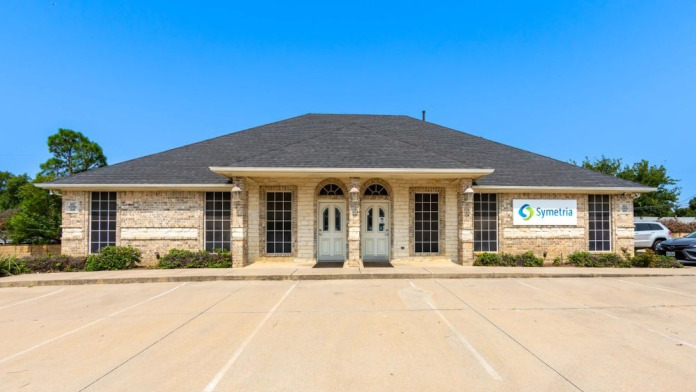
Symetria — Hurst Outpatient Rehab & Suboxone Clinic
1
Top 10 Rehab Centers In Hurst



















































































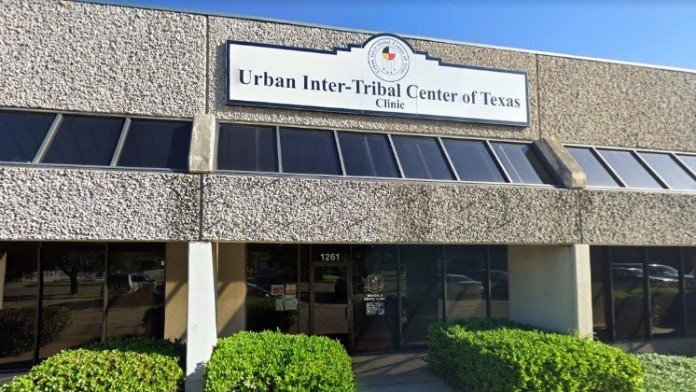
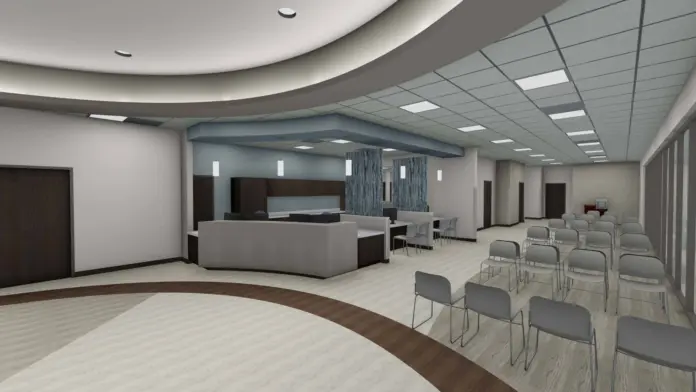
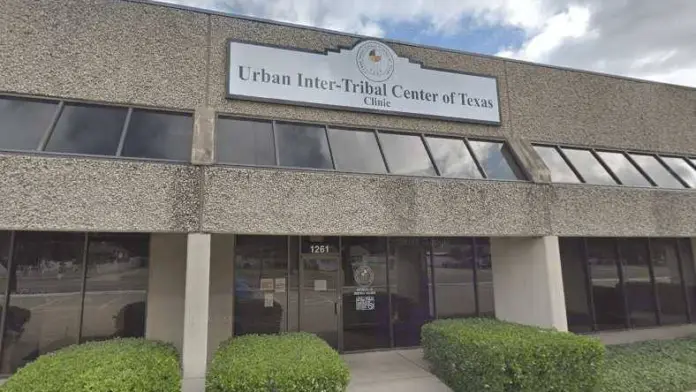
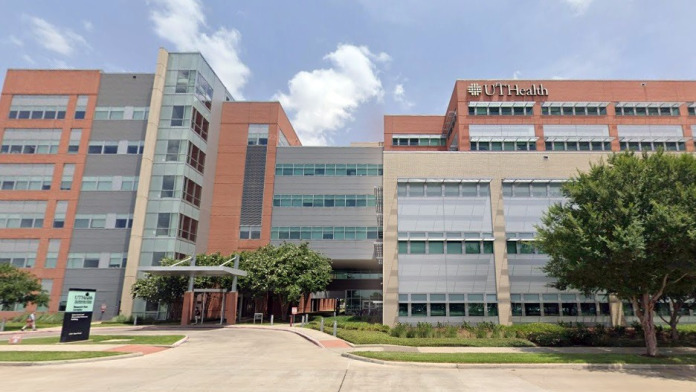
Texas Native Health (formerly the Dallas Inter-Tribal Center and Urban Inter-Tribal Center of Texas) is an AAAHC accredited medical treatment center that originated from the Indian Relocation Act of 1956. The center helped Native Americans facing significant needs after leaving the reservations and moving to urban areas.
The center now offers medical and behavioral health services, including treatment for substance use disorder (SUD) and co-occurring mental health challenges. The facility is located in Dallas, Texas. Most Medicaid plans are accepted, as well as some other insurance options.
Eligible individuals may qualify for financial assistance, and they offer an income based sliding fee scale. Inability to pay does not affect your eligibility. The facility is easily accessible from I-35E.
Culturally Competent Treatment
The staff and clinicians emphasize a combination of “Native healing traditions with Western medicine.” This fosters resilience and health. The staff also prioritizes the importance of respect, cultural identity and community in the recovery process.
Clients have remarked on the staff’s cultural understanding, effectiveness and compassion in promoting recovery. Clients have also expressed gratitude for the supportive environment and culturally competent care.
Incorporating Native Ceremonies in Addiction Care
The staff incorporates Native healing ceremonies and cultural traditions as part of the recovery journey. They include families and the community in treatment planning when appropriate and they focus on holistic, trauma informed care.
The facility is near Bachman Lake Park, where individuals can rest and recharge between treatments. There’s a three mile trail around the lake for walking, biking or running, and clients can immerse themselves in the rejuvenating effects of nature between treatment sessions.
Integrating Broader Social Services
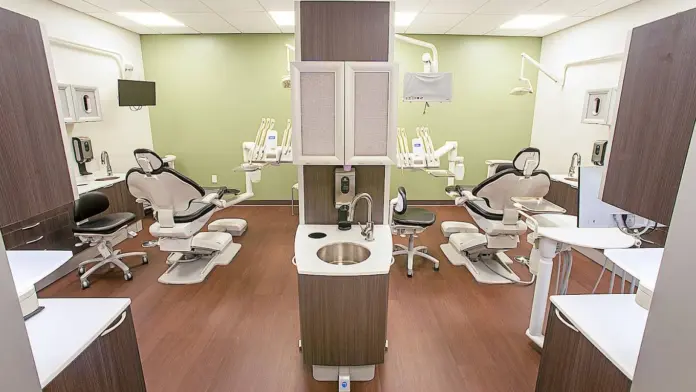
The center connects individuals to broader social resources and services. These include primary care and dental services.
They help link clients to education services, including financial assistance for training programs. The Native Pathways Program empowers youth by providing cultural education for Alaskan Native/Native Americans in K-12.

 Our Methodology


Private insurance refers to any kind of healthcare coverage that isn't from the state or federal government. This includes individual and family plans offered by an employer or purchased from the Insurance Marketplace. Every plan will have different requirements and out of pocket costs so be sure to get the full details before you start treatment.
Self-pay involves paying for treatment out of your own pocket. You can use savings or credit, get a personal loan, or receive help from family and friends to fund your treatment. If you don't have insurance or your insurance plan doesn't cover a specific program, self-pay can help ensure you still get the care you need.
Outpatient rehab provides drug and alcohol treatment at a designated program site, but outpatient clients live at home during non-treatment hours. Types of outpatient programs vary in duration and required on-site treatment time, with some of the most common outpatient rehab programs including intensive outpatient programs (IOPs), partial hospitalization programs (PHPs), and medication assisted treatment (MAT) for those who require maintenance medications.
Inpatient rehab programs are geared toward clients in early recovery. They also provide intensive support for clients in crisis and those at an increased relapse risk. Clients receive housing and meals while in inpatient care, allowing them to focus solely on their recovery. Most programs prioritize addiction counseling but may draw on various psychotherapeutic modalities, including CBT, DBT, RBT, trauma therapy, and motivational interviewing. Life skills training and holistic therapies are also common in inpatient care.
Residents of a sober living home in Texas reside at the halfway house with others who have agreed to abstain from substances and practice sober-living skills. The relationships and accountability formed here can help individuals strengthen their mental health and achieve long-term recovery. Residents share common spaces such as kitchens and back yards, share meals together, and share household responsibilities such as cooking and cleaning.
Peer support is an important aspect of group therapy sessions for drug and alcohol addiction. As you and your peers share stories and encourage each other, it fosters a sense of community and belonging that helps you process your feelings and reduces the sense of isolation that is associated with addiction.
Individual therapy offers you a confidential space to address the complexities of your drug or alcohol addiction. Your therapist guides these personalized sessions to help develop self awareness and manage stress. This promotes sustained sobriety and overall well being.
Together with an experienced trauma therapist, you work on healing emotional wounds from traumatic experiences within a trauma therapy environment. Your therapist will help you process the experience of the trauma, which promotes emotional healing and improves your overall mental health.
The purpose of family therapy is to create a supportive and understanding family dynamic within the family unit. Therapists help individual members to identify and change harmful behavior patterns and improve communication. This provides a stable foundation for the family and their loved one's recovery.
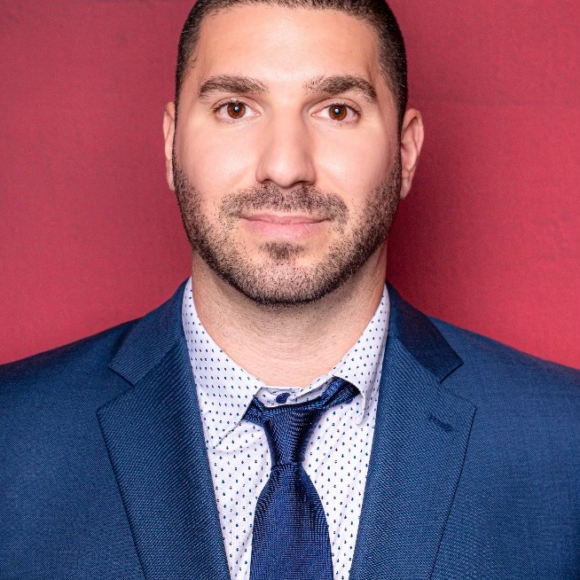
CEO
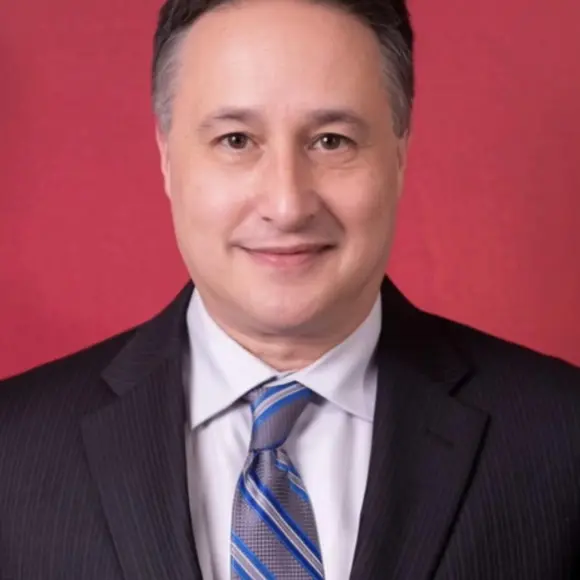
CFO
COO
Executive Assistant
Rehab.com regularly reviews this listing for accuracy but changes may occur between updates. For the most up-to-date information, please contact Texas Native Health (formerly Urban Inter-Tribal Center of Texas).

1283 Record Crossing Rd
Dallas, TX 75235
Sponsored Helpline

Always make a very comfortable experience!!!

They seem to look for was to keep from treating the patient for minor needs

This place is a literal life saver for me and my family. The facility is clean and inviting, the staff is friendly and courteous and I have received excellent care there on both the medical and dental side.

 Back
Back
Sharing your insights and experiences can help others learn more about this rehab center.
 Written By: Susan Bertram
BA
Written By: Susan Bertram
BA

