











Recovery Unplugged Nashville Drug & Alcohol Rehab
1
Top 10 Rehab Centers In Brentwood



















































































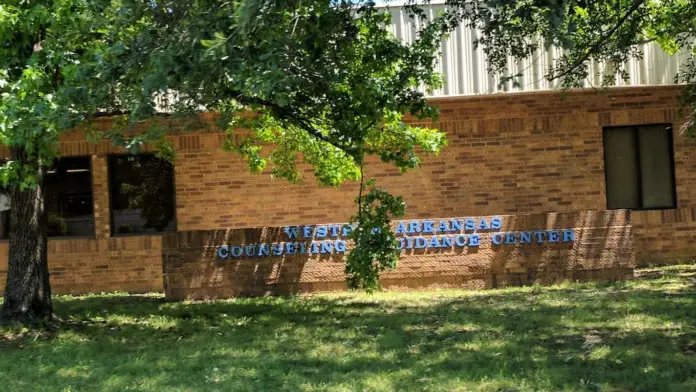
The Guidance Center in Fort Smith, Arkansas is an outpatient behavioral health provider offering substance use disorder treatment and mental health services to children, adolescents and adults.
The center delivers individualized counseling and group therapy, assessment and medication management through a team of psychiatrists, psychologists and licensed counselors, social workers and nurses. With integrated care for co-occurring mental health and substance use disorders, The Guidance Center meets clients where they are and addresses the full spectrum of behavioral health needs.
The Guidance Center specializes in outpatient substance abuse services for individuals experiencing problems related to alcohol and other drugs. Treatment includes comprehensive assessment, individual counseling and group counseling with referrals to more intensive levels of care when needed.
Sessions focus on evidence based approaches tailored to each client’s goals, combining therapeutic insight with practical skills to support lasting recovery. The integrated model ensures that underlying mental health concerns are addressed alongside addiction treating the whole person rather than substance use in isolation.
The Guidance Center provides around the clock crisis intervention services ensuring immediate support is available whenever it’s needed. This commitment to accessible, continuous care reflects the Center’s community mental health mission and dedication to stabilizing clients in moments of acute distress.
The Guidance Center serves Western Arkansas from its Fort Smith office at 3111 South 70th Street, with in person services available Monday through Thursday from 8:00am to 7:00pm and Friday from 8:00am to 4:30pm. The Center offers a sliding fee scale to support affordability and access to care.

 Our Methodology


Private insurance refers to any kind of healthcare coverage that isn't from the state or federal government. This includes individual and family plans offered by an employer or purchased from the Insurance Marketplace. Every plan will have different requirements and out of pocket costs so be sure to get the full details before you start treatment.
Self-pay involves paying for treatment out of your own pocket. You can use savings or credit, get a personal loan, or receive help from family and friends to fund your treatment. If you don't have insurance or your insurance plan doesn't cover a specific program, self-pay can help ensure you still get the care you need.
Financial aid can take many forms. Centers may have grants or scholarships available to clients who meet eligibility requirements. Programs that receive SAMHSA grants may have financial aid available for those who need treatment as well. Grants and scholarships can help you pai for treatment without having to repay.
Sliding scale payments are based on a client's income and family size. The goal is to make treatment affordable to everyone. By taking these factors into account, addiction recovery care providers help ensure that your treatment does not become a financial burden to you or your family, eliminating one barrier to care.
Medicare is a federal program that provides health insurance for those 65 and older. It also serves people under 65 with chronic and disabling health challenges. To use Medicare for addiction treatment you need to find a program that accepts Medicare and is in network with your plan. Out of pocket costs and preauthorization requirements vary, so always check with your provider.
Medicaid is a state based program that helps lower-income individuals and families pay for healthcare. Medicaid covers addiction treatment so those enrolled can use their coverage to pay for rehab. When a program accepts Medicaid the client often pays very little or nothing out of their own pocket.
Outpatient Programs (OP) are for those seeking mental rehab or drug rehab, but who also stay at home every night. The main difference between outpatient treatment (OP) and intensive outpatient treatment (IOP) lies in the amount of hours the patient spends at the facility. Most of the time an outpatient program is designed for someone who has completed an inpatient stay and is looking to continue their growth in recovery. Outpatient is not meant to be the starting point, it is commonly referred to as aftercare.
Residential treatment programs are those that offer housing and meals in addition to substance abuse treatment. Rehab facilities that offer residential treatment allow patients to focus solely on recovery, in an environment totally separate from their lives. Some rehab centers specialize in short-term residential treatment (a few days to a week or two), while others solely provide treatment on a long-term basis (several weeks to months). Some offer both, and tailor treatment to the patient's individual requirements.
During many phases of addiction treatment, you'll need to receive 24-hour clinical care in Arkansas. This supervision ensures your safety during the detox process. Licensed medical professionals and experienced addiction specialists provide medication management, non-addictive medication to curb withdrawal symptoms, and frequent monitoring of vital signs.
The process of a medically assisted detox is when all addictive substances are removed from your body. Usually performed in an inpatient setting, you are under the 24/7 care of licensed medical medical professionals who keep you safe and comfortable during the detoxification. Medications are often administered to help alleviate potential withdrawal symptoms.The process can vary in length, but it typically takes 5-7 days.
Many of those suffering from addiction also suffer from mental or emotional illnesses like schizophrenia, bipolar disorder, depression, or anxiety disorders. Rehab and other substance abuse facilities treating those with a dual diagnosis or co-occurring disorder administer psychiatric treatment to address the person's mental health issue in addition to drug and alcohol rehabilitation.
Mental health rehabs focus on helping individuals recover from mental illnesses like bipolar disorder, clinical depression, anxiety disorders, schizophrenia, and more. Mental health professionals at these facilities are trained to understand and treat mental health issues, both in individual and group settings.
Alcoholism (alcohol use disorder) affects a person mentally, physically, and relationally. A person with alcohol dependence craves alcohol and has an impaired ability to control their alcohol consumption. They experience withdrawal symptoms if they stop alcohol use. Individuals with this condition can achieve recovery through treatment. Alcohol rehab in Arkansas offers inpatient and outpatient options that provide counseling, support groups, and medication to help individuals overcome alcohol addiction and maintain recovery.
The goal of drug rehab in Arkansas is to help individuals stop using addictive substances and learn healthy ways to remain clean long-term. Participants learn vital skills to cope with cravings and manage stress, to prevent relapse.
 Opioid Addiction
Adult rehab programs include therapies tailored to each client's specific needs, goals, and recovery progress. They are tailored to the specific challenges adult clients may face, including family and work pressures and commitments. From inpatient and residential treatment to various levels of outpatient services, there are many options available. Some facilities also help adults work through co-occurring conditions, like anxiety, that can accompany addiction.
Group therapy is any therapeutic work that happens in a group (not one-on-one). There are a number of different group therapy modalities, including support groups, experiential therapy, psycho-education, and more. Group therapy involves treatment as well as processing interaction between group members.
In individual therapy, a patient meets one-on-one with a trained psychologist or counselor. Therapy is a pivotal part of effective substance abuse treatment, as it often covers root causes of addiction, including challenges faced by the patient in their social, family, and work/school life.
Whether a marriage or other committed relationship, an intimate partnership is one of the most important aspects of a person's life. Drug and alcohol addiction affects both members of a couple in deep and meaningful ways, as does rehab and recovery. Couples therapy and other couples-focused treatment programs are significant parts of exploring triggers of addiction, as well as learning how to build healthy patterns to support ongoing sobriety.
Research clearly demonstrates that recovery is far more successful and sustainable when loved ones like family members participate in rehab and substance abuse treatment. Genetic factors may be at play when it comes to drug and alcohol addiction, as well as mental health issues. Family dynamics often play a critical role in addiction triggers, and if properly educated, family members can be a strong source of support when it comes to rehabilitation.
Developing life skills while undergoing rehab treatment in Arkansas is a crucial part of your recovery. During treatment, you may focus on learning communication skills, critical thinking skills, problem solving, self awareness, assertiveness, and coping skills.
Combined with behavioral therapy, nicotine replacement therapy can be an effective way to stop smoking. A variety of therapies are available. Some you can get over the counter, while others require a prescription from your doctor.
One of the most common types of psychotherapy, cognitive behavioral therapy in Arkansas is an effective tool for the treatment of substance use disorder. It is a common therapeutic method that is used to treat a variety of mental and behavioral health challenges.

The Commission on Accreditation of Rehabilitation Facilities (CARF) is a non-profit organization that specifically accredits rehab organizations. Founded in 1966, CARF's, mission is to help service providers like rehab facilities maintain high standards of care.
CARF Accreditation: Yes
Rehab.com regularly reviews this listing for accuracy but changes may occur between updates. For the most up-to-date information, please contact The Guidance Center.

3111 South 70th Street
Fort Smith, AR 72903
Sponsored Helpline

It’s a wonderful place. Everyone is very polite. And the people here are amazing

The staff has and been going above and beyond for me. They have people in the right place.

I've never really had a good appointment here, the front desk ladies are fine but the primary mental health doctor I see never takes me seriously and has on several occasions laughed at me when I bring up concerns in my mental health. Eventually I will be swapping companies when my main therapist swaps over but I've been dealing with this horrible treatment from my doctor for a few years now. I've been tolerant of this treatment only for my therapist who has actually gotten me through a lot for a really long time now.

I’ve worked in juvenile treatment/mental health services for over 20 years in Arkansas and Texas. . I chose the Guidance center for my own family’s mental health needs. I’ve worked at the acute mental health hospital in Fort Smith, numerous DHS facilities in Arkansas, I’ve been a parole officer, and I’ve worked collaboratively with patients that were also attending the Guidance center. When the need for mental health services came up in my personal life, The Guidance Center was the only place I was taking my child to. Provider S. Posey has been and is amazing with youth. Everyone, from the two very nice ladies at the front desk to therapist and providers I’ve engaged with, have all been amazing. Thank you all for making a difference.
 Back
Back
Sharing your insights and experiences can help others learn more about this rehab center.