






























































































They have helped me overcome a stage of my life that I thought would never come out. They put a lot of effort into the recovery of each person and treat you very kindly.
About Lake Detox and Wellness Center Baton Rouge
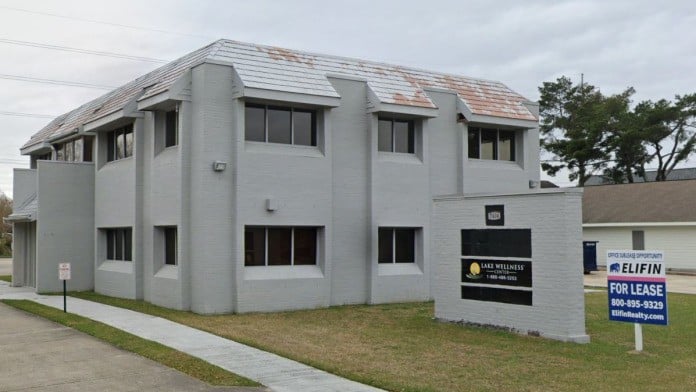
Baton Rouge Detox is a facility in Baton Rouge, Louisiana that provides outpatient addiction treatment services. It’s located just off interstate 10 not far from Perkins Road Community Park. Clients can receive services such as individual and group therapy and pharmacological treatment.
Detox Treatment and Beyond While Remaining Home
The facility believes allowing individuals to remain close to home while going through treatment can reduce feelings of isolation that can sometimes cause relapse. Baton Rouge Detox provides a variety of outpatient treatment services to support clients in their recovery. Some of the options provided include a full mental health assessment, individual and group therapy, and pharmacological treatment.
Clients who have withdrawal symptoms that are making it difficult to focus on recovery can receive medication. The facility may prescribe medications such as naltrexone or buprenorphine.
In therapy, you’ll be able to learn relapse prevention strategies that will help you to avoid using substances in the future. Group therapy will allow you to connect with others who are also struggling with addiction and receive insight and encouragement.
A client praised the counselors here for being caring and detailed in their group counseling sessions. The facility offers both daytime and evening programs for your convenience.
Alumni Groups for Continued Recovery
Having a positive support system is an important part of clients continuing to be successful in recovery. The alumni group is available for clients who’ve completed the outpatient program. The group will allow you to stay connected with your peers and continue to receive support and guidance.
Facility Overview
 155
155 Number of Available Beds
Latest Reviews
Staff are good, beds are alright but need improvement, and over all the place is fine but I think the staff deserve better pay since I saw what they have to handle there and I know how medical facilities pay their staff sometimes and the things the staff have to deal with here warrants a increase in their pay for what they deal with
Ms.shon is Amazing, caring, and detailed in her couseling. I really enjoy her group!
Outstanding service couldn’t have asked for more very helpful staff is amazing you get out what you put in I still go back to check in after months of being discharged they really do care it up to you to change

Rehab Score
 Our Methodology
Scoring is assigned by a proprietary system which helps surface key metrics that determine quality. The 10-point scale factors in categories such as operations, customer satisfaction, and trust metrics. Read Full Methodology

6.1 / 10
Gallery
Other Forms of Payment
Private insurance refers to any kind of healthcare coverage that isn't from the state or federal government. This includes individual and family plans offered by an employer or purchased from the Insurance Marketplace. Every plan will have different requirements and out of pocket costs so be sure to get the full details before you start treatment.
Self-pay involves paying for treatment out of your own pocket. You can use savings or credit, get a personal loan, or receive help from family and friends to fund your treatment. If you don't have insurance or your insurance plan doesn't cover a specific program, self-pay can help ensure you still get the care you need.
Military members, veterans, and eligible dependents have access to specific insurance programs that help them get the care they need. TRICARE and VA insurance can help you access low cost or no cost addiction and mental health treatment. Programs that accept military insurance often have targeted treatment focused on the unique challenges military members, veterans, and their families face.
Addiction Treatments
Levels of Care
Outpatient Programs (OP) are for those seeking mental rehab or drug rehab, but who also stay at home every night. The main difference between outpatient treatment (OP) and intensive outpatient treatment (IOP) lies in the amount of hours the patient spends at the facility. Most of the time an outpatient program is designed for someone who has completed an inpatient stay and is looking to continue their growth in recovery. Outpatient is not meant to be the starting point, it is commonly referred to as aftercare.
Intensive Outpatient Programs (IOP) are for those who want or need a very structured treatment program but who also wish to live at home and continue with certain responsibilities (such as work or school). IOP substance abuse treatment programs vary in duration and intensity, and certain outpatient rehab centers will offer individualized treatment programs.
Drug and alcohol addiction often takes a heavy toll on one's body. Over time, a physical dependence can develop, meaning the body physiologically needs the substance to function. Detox is the process of removing drugs and/or alcohol from the body, a process that can be lethal if mismanaged. Medical detox is done by licensed medical professionals who monitor vital signs and keep you safe, healthy, and as comfortable as possible as you go through detox and withdrawal.
Treatments
The goal of treatment for alcoholism is abstinence. Those with poor social support, poor motivation, or psychiatric disorders tend to relapse within a few years of treatment. For these people, success is measured by longer periods of abstinence, reduced use of alcohol, better health, and improved social functioning. Recovery and Maintenance are usually based on 12 step programs and AA meetings.
While each drug rehab in Louisiana offers unique elements, recovery support often follows a similar pattern. Detox is followed by inpatient and/or outpatient care, then aftercare support is provided once the participant completes the initial program.
Many of those suffering from addiction also suffer from mental or emotional illnesses like schizophrenia, bipolar disorder, depression, or anxiety disorders. Rehab and other substance abuse facilities treating those with a dual diagnosis or co-occurring disorder administer psychiatric treatment to address the person's mental health issue in addition to drug and alcohol rehabilitation.
A combined mental health and substance abuse rehab has the staff and resources available to handle individuals with both mental health and substance abuse issues. It can be challenging to determine where a specific symptom stems from (a mental health issue or an issue related to substance abuse), so mental health and substance abuse professionals are helpful in detangling symptoms and keeping treatment on track.
Opioid rehabs specialize in supporting those recovering from opioid addiction. They treat those suffering from addiction to illegal opioids like heroin, as well as prescription drugs like oxycodone. These centers typically combine both physical as well as mental and emotional support to help stop addiction. Physical support often includes medical detox and subsequent medical support (including medication), and mental support includes in-depth therapy to address the underlying causes of addiction.
Programs
Adult rehab programs include therapies tailored to each client's specific needs, goals, and recovery progress. They are tailored to the specific challenges adult clients may face, including family and work pressures and commitments. From inpatient and residential treatment to various levels of outpatient services, there are many options available. Some facilities also help adults work through co-occurring conditions, like anxiety, that can accompany addiction.
Young adulthood can be an exciting, yet difficult, time of transition. Individuals in their late teens to mid-20s face unique stressors related to school, jobs, families, and social circles, which can lead to a rise in substance use. Rehab centers with dedicated young adult programs will include activities and amenities that cater to this age group, with an emphasis on specialized counseling, peer socialization, and ongoing aftercare.
Clinical Services
If you undergo cognitive behavioral therapy in Louisiana, you may engage in role playing, face your fears, and learn to calm your mind and body. These techniques are designed to help you recognize unhealthy patterns of thinking and to learn healthy ways of coping with challenges.
When you participate in dialectical behavior therapy, you'll work on recognizing distorted thinking patterns that are guiding your emotions. You'll learn how to change these patterns to eliminate unproductive reactions. This involves developing better coping mechanisms to handle stressful situations.
Group therapy is any therapeutic work that happens in a group (not one-on-one). There are a number of different group therapy modalities, including support groups, experiential therapy, psycho-education, and more. Group therapy involves treatment as well as processing interaction between group members.
In individual therapy, a patient meets one-on-one with a trained psychologist or counselor. Therapy is a pivotal part of effective substance abuse treatment, as it often covers root causes of addiction, including challenges faced by the patient in their social, family, and work/school life.
In Louisiana, trauma therapy helps you explore the impact that a traumatic event has had on your life. You can experience emotional and physical responses if you witness or experience a traumatic event. Your therapist guides you in processing the trauma and then developing coping strategies that improve your quality of life.
Amenities
-
 Private Rooms
Staff & Accreditations
Staff
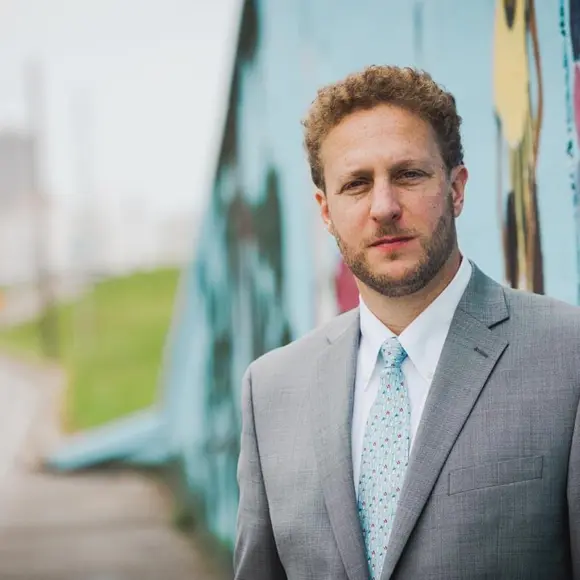
Dan Forman, MBA, ACHE
CEO

Chris Copeland
COO
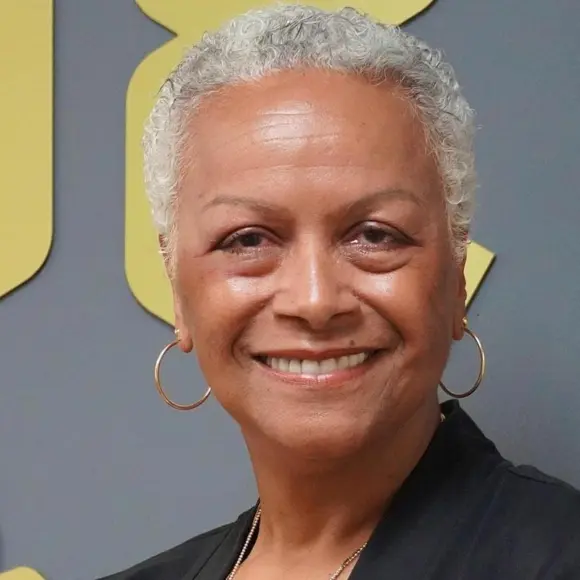
Opal Carriere, RN
Director of Nursing

Lee Michals, MD
Medical Director

Cedric Royal
Facilities Director
Accreditations

The Joint Commission, formerly known as JCAHO, is a nonprofit organization that accredits rehab organizations and programs. Founded in 1951, the Joint Commision's mission is to improve the quality of patient care and demonstrating the quality of patient care.
Joint Commission Accreditation: Yes
Rehab.com regularly reviews this listing for accuracy but changes may occur between updates. For the most up-to-date information, please contact Lake Detox and Wellness Center Baton Rouge.
Contact Information

7434 Picardy Ave
Baton Rouge, LA 70808
Get Help Now - 225-244-8092
Sponsored Helpline
Sponsored Helpline


