





























































































About Trinitas Regional Medical Center
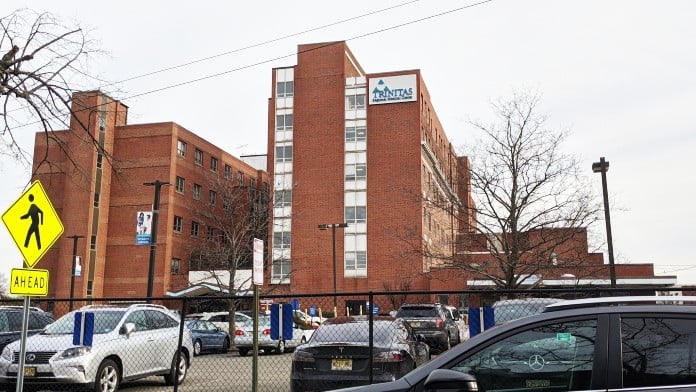
Trinitas Regional Medical Center is a hospital based addiction treatment provider in Elizabeth, New Jersey offering a full continuum of substance use disorder care.
Through its Department of Substance Abuse Services the medical center provides inpatient detoxification and rehabilitation as well as outpatient counseling and opioid treatment services in a supportive regional medical setting.
What kinds of addiction treatment are offered?
Trinitas provides a full continuum of care that includes medically supervised inpatient detoxification, inpatient rehabilitation, and outpatient counseling. The program also offers opioid treatment services with medication support including methadone maintenance paired with counseling.
Who can get help here?
The Substance Abuse Services department treats clients struggling with alcohol and drug dependence. Opioid treatment services are specifically available for clients addicted to heroin or other opiates with dedicated women’s addiction services also offered.
What is treatment like day to day?
Care combines medical oversight with psychosocial supports such as client and group-based counseling. Inpatient detoxification is medically supervised to help patients withdraw safely while outpatient counseling offers ongoing support for those continuing their recovery.
Where is the center located?
Trinitas Regional Medical Center’s substance use services are based at its Elizabeth, New Jersey campus along East Jersey Street as part of the RWJBarnabas Health system.
Facility Overview
 554
554 Latest Reviews



Rehab Score
 Our Methodology


Gallery
Accepted Insurance
Other Forms of Payment
Private insurance refers to any kind of healthcare coverage that isn't from the state or federal government. This includes individual and family plans offered by an employer or purchased from the Insurance Marketplace. Every plan will have different requirements and out of pocket costs so be sure to get the full details before you start treatment.
Self-pay involves paying for treatment out of your own pocket. You can use savings or credit, get a personal loan, or receive help from family and friends to fund your treatment. If you don't have insurance or your insurance plan doesn't cover a specific program, self-pay can help ensure you still get the care you need.
Financial aid can take many forms. Centers may have grants or scholarships available to clients who meet eligibility requirements. Programs that receive SAMHSA grants may have financial aid available for those who need treatment as well. Grants and scholarships can help you pai for treatment without having to repay.
Medicare is a federal program that provides health insurance for those 65 and older. It also serves people under 65 with chronic and disabling health challenges. To use Medicare for addiction treatment you need to find a program that accepts Medicare and is in network with your plan. Out of pocket costs and preauthorization requirements vary, so always check with your provider.
Medicaid is a state based program that helps lower-income individuals and families pay for healthcare. Medicaid covers addiction treatment so those enrolled can use their coverage to pay for rehab. When a program accepts Medicaid the client often pays very little or nothing out of their own pocket.
Addiction Treatments
Levels of Care
Outpatient rehabs enable clients to receive a full continuum of care while continuing to live at home. They're often ideal for clients who are stepping down from inpatient care but some clients may prefer to transition into outpatient treatment immediately after completing detox. Many outpatient facilities also offer ambulatory medical detox for low-risk clients. Outpatient treatment generally includes psychotherapy and life skills training. Clients in opioid and/or alcohol recovery may also receive medication assisted treatment (MAT).
Residential treatment programs are those that offer housing and meals in addition to substance abuse treatment. Rehab facilities that offer residential treatment allow patients to focus solely on recovery, in an environment totally separate from their lives. Some rehab centers specialize in short-term residential treatment (a few days to a week or two), while others solely provide treatment on a long-term basis (several weeks to months). Some offer both, and tailor treatment to the patient's individual requirements.
A partial hospitalization program (PHP) is a short-term, intensive outpatient option designed for those with moderate to severe addictions who don't require 24-hour care. PHP treatment is often fully covered by insurance and provides structured programming (i.e. individual and group therapy). A typical partial hospitalization program can meet 3-5 days a week for a minimum of 20 hours, offering intensive treatment during the day while allowing you to return home after. PHP treatment duration can vary based on your progress but averages 90 days.
At certain points in the recovery process, it's important to have support available 24/7. 24-hour clinical care offers a safe environment in which to recover from drug or alcohol addiction in peace, knowing medical detox and other treatment will happen with professionals on hand.
Clients who are exiting inpatient rehab, those who are experiencing crisis, and those who prefer to live at home while in treatment typically enroll in intensive inpatient programs (IOP). These programs feature frequent and robust care, generally requiring clients to participate in at least nine hours of care weekly, though many intensive outpatient rehabs offer up to 20 treatment hours per week. IOP services typically combine individual, group, and family counseling with recovery education and holistic therapies.
Treatments
Mental health rehabs focus on helping individuals recover from mental illnesses like bipolar disorder, clinical depression, anxiety disorders, schizophrenia, and more. Mental health professionals at these facilities are trained to understand and treat mental health issues, both in individual and group settings.
Alcoholism (alcohol use disorder) is diagnosed when a person's drinking causes harm or distress and they continue to drink anyway. Often, they have a physical as well as psychological dependence on the substance. To treat alcohol addiction, medical detox is often necessary to safely withdraw from alcohol. Once this is complete, alcohol rehab in New Jersey can provide skills and supports necessary for long-term recovery.
Drug rehab in New Jersey is the process of addressing the complex issues involved with addiction. Challenges are identified and addressed through individual and group counseling. Participants learn how to manage these issues without the use of substances.
 Opioid Addiction
You can find comprehensive substance abuse treatment in New Jersey in drug and alcohol rehabs. These treatment programs typically provide a full continuum of care including medically assisted detox, inpatient, outpatient, dual-diagnosis, and intensive outpatient. With a comprehensive substance abuse evaluation, addiction experts provide individualized treatment plans to meet your specific needs. These programs address substance use disorders using evidence-based therapies, like cognitive behavioral therapy (CBT) and dialectical behavioral therapy (DBT), individual and family counseling, and recovery support groups.
Programs
Adult rehab programs include therapies tailored to each client's specific needs, goals, and recovery progress. They are tailored to the specific challenges adult clients may face, including family and work pressures and commitments. From inpatient and residential treatment to various levels of outpatient services, there are many options available. Some facilities also help adults work through co-occurring conditions, like anxiety, that can accompany addiction.
Young adulthood can be an exciting, yet difficult, time of transition. Individuals in their late teens to mid-20s face unique stressors related to school, jobs, families, and social circles, which can lead to a rise in substance use. Rehab centers with dedicated young adult programs will include activities and amenities that cater to this age group, with an emphasis on specialized counseling, peer socialization, and ongoing aftercare.
Teen programs are designed to address the unique pressures teens face, pressures that can drive them to experiment with dangerous, addictive substances. They need programs that meet them exactly where they are and give them tools for long-term recovery. Therapy can help teenagers understand and work through underlying issues so they can reclaim the life ahead of them.
The providers who specialize in the children's rehab space understand the specialized needs that this population faces. School-based and social services such as tutoring and family counseling are often central to treatment. Child programs may also address the needs of youth experiencing substance abuse in the home, including a parent's or sibling's addiction.
Nearly one million adults age 65 and older live with a substance use disorder. Treatment providers who specialize in senior care understand the social, psychological, and physical effects of aging and how they relate to recovery. They can help clients address particular challenges and risks they may face as they get older such as overdosing and medication interactions and dependencies.
Clinical Services
Cognitive Behavioral Therapy (CBT) is a therapy modality that focuses on the relationship between one's thoughts, feelings, and behaviors. It is used to establish and allow for healthy responses to thoughts and feelings (instead of unhealthy responses, like using drugs or alcohol). CBT has been proven effective for recovering addicts of all kinds, and is used to strengthen a patient's own self-awareness and ability to self-regulate. CBT allows individuals to monitor their own emotional state, become more adept at communicating with others, and manage stress without needing to engage in substance abuse.
Creativity is inherently healing, and can help those in recovery express thoughts or feelings they might not otherwise be able to. Creative arts therapy can include music, poetry/writing, painting, sculpting, dance, theater, sandplay, and more. Unlike traditional art, the final product matters far less than the experience of creation and expression itself.
Research clearly demonstrates that recovery is far more successful and sustainable when loved ones like family members participate in rehab and substance abuse treatment. Genetic factors may be at play when it comes to drug and alcohol addiction, as well as mental health issues. Family dynamics often play a critical role in addiction triggers, and if properly educated, family members can be a strong source of support when it comes to rehabilitation.
Group therapy is any therapeutic work that happens in a group (not one-on-one). There are a number of different group therapy modalities, including support groups, experiential therapy, psycho-education, and more. Group therapy involves treatment as well as processing interaction between group members.
In individual therapy, a patient meets one-on-one with a trained psychologist or counselor. Therapy is a pivotal part of effective substance abuse treatment, as it often covers root causes of addiction, including challenges faced by the patient in their social, family, and work/school life.
Trauma therapy addresses traumatic incidents from a client's past that are likely affecting their present-day experience. Trauma is often one of the primary triggers and potential causes of addiction, and can stem from child sexual abuse, domestic violence, having a parent with a mental illness, losing one or both parents at a young age, teenage or adult sexual assault, or any number of other factors. The purpose of trauma therapy is to allow a patient to process trauma and move through and past it, with the help of trained and compassionate mental health professionals.
Dialectical means opposing. The premise of dialectical behavior therapy is to learn how two things that seem to be opposite can actually be true. You learn how to accept yourself while also making changes. The focus is on accepting your emotions and changing how you manage them.
Amenities
-
 Private Setting
 -
 Gym
Gym -
 Private Rooms
 -
 Recreation Room
 -
 Meditation Room
Staff & Accreditations
Staff
Victor M. Richel
Chair
Sr. Maureen Shaughnessy, SC
Vice Chair
Nancy DiLiegro, Ph.D, FACHE
President and CEO
Abu Alam, MD
BOD
Accreditations

The Joint Commission, formerly known as JCAHO, is a nonprofit organization that accredits rehab organizations and programs. Founded in 1951, the Joint Commision's mission is to improve the quality of patient care and demonstrating the quality of patient care.
Joint Commission Accreditation: Yes

The Commission on Accreditation of Rehabilitation Facilities (CARF) is a non-profit organization that specifically accredits rehab organizations. Founded in 1966, CARF's, mission is to help service providers like rehab facilities maintain high standards of care.
CARF Accreditation: Yes

The Substance Abuse and Mental Health Services Administration (SAMHSA) is a branch of the U.S. Department of Health and Human Services. Established in 1992 by congress, SAMHSA's mission is to reduce the impact of substance abuse and mental illness on American's communities.
SAMHSA Listed: Yes

State Licenses are permits issued by government agencies that allow rehab organizations to conduct business legally within a certain geographical area. Typically, the kind of program a rehab facility offers, along with its physical location, determines which licenses are required to operate legally.
State License: New Jersey
Rehab.com regularly reviews this listing for accuracy but changes may occur between updates. For the most up-to-date information, please contact Trinitas Regional Medical Center.
Contact Information


655 East Jersey Street
3rd Floor
Elizabeth, NJ 07206
Sponsored Helpline


