





























































































About True Self Recovery
True Self Recovery provides a continuum of care that meets each person where they are at in their recovery process. Services include:
This is a medically based detox that uses evidence-based practices to help clients safely and effectively remove addictive substances from their body. The program begins with an evaluation, and then moves into stabilization and preparing clients for treatment.
This is a comprehensive treatment process that utilizes evidence-based treatment methods and holistic therapies. Individual therapy, group therapy and family therapy are offered. Clients can also participate in educational classes that cover a wide variety of topics related to mental health and addiction.
This program requires clients to participate in therapy several times a week. The areas of focus include coping skills, relapse prevention strategies, and stress management.
Outpatient treatment allows clients to participate in individual therapy, group therapy, and family therapy. Relapse prevention education and trauma-informed education and treatments are provided.
Latest Reviews



Rehab Score
 Our Methodology


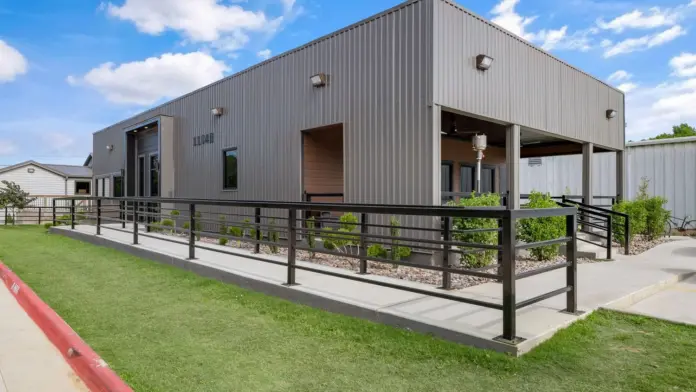
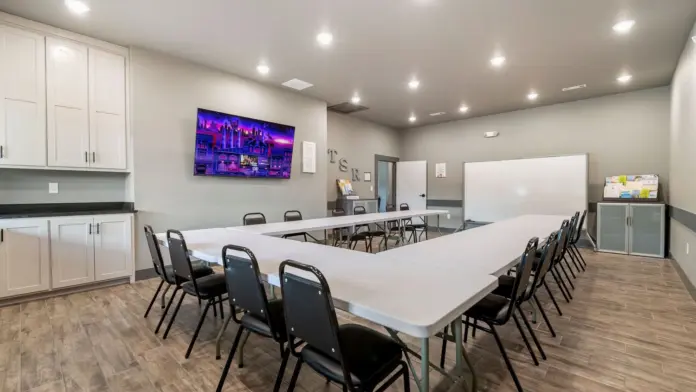
Gallery
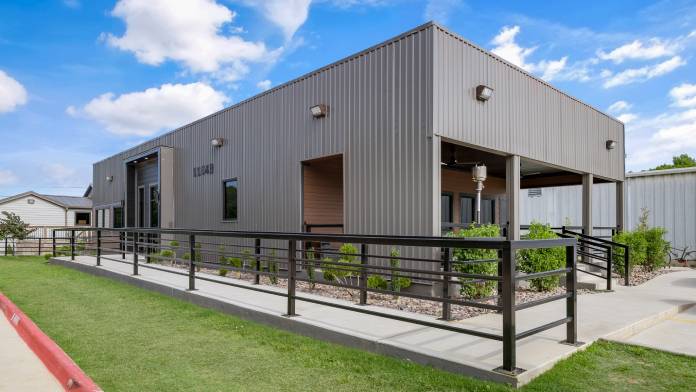
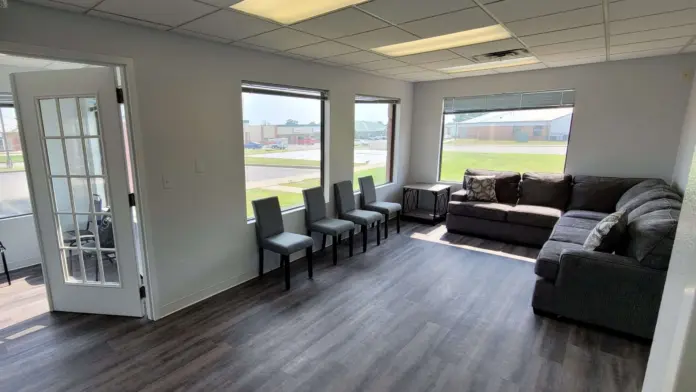
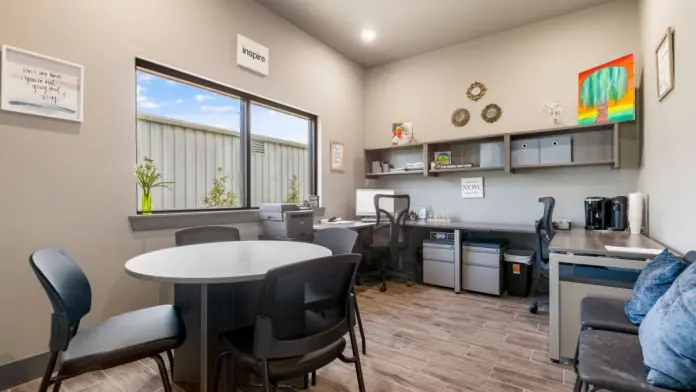
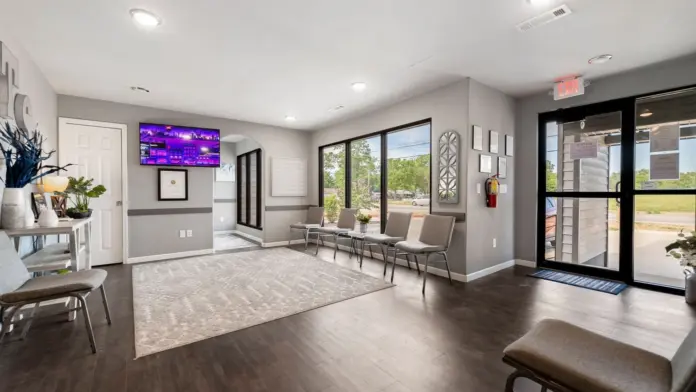
Accepted Insurance
Other Forms of Payment
Private insurance refers to any kind of healthcare coverage that isn't from the state or federal government. This includes individual and family plans offered by an employer or purchased from the Insurance Marketplace. Every plan will have different requirements and out of pocket costs so be sure to get the full details before you start treatment.
Self-pay involves paying for treatment out of your own pocket. You can use savings or credit, get a personal loan, or receive help from family and friends to fund your treatment. If you don't have insurance or your insurance plan doesn't cover a specific program, self-pay can help ensure you still get the care you need.
Medicare is a federal program that provides health insurance for those 65 and older. It also serves people under 65 with chronic and disabling health challenges. To use Medicare for addiction treatment you need to find a program that accepts Medicare and is in network with your plan. Out of pocket costs and preauthorization requirements vary, so always check with your provider.
Military members, veterans, and eligible dependents have access to specific insurance programs that help them get the care they need. TRICARE and VA insurance can help you access low cost or no cost addiction and mental health treatment. Programs that accept military insurance often have targeted treatment focused on the unique challenges military members, veterans, and their families face.
Addiction Treatments
Levels of Care
Outpatient Programs (OP) are for those seeking mental rehab or drug rehab, but who also stay at home every night. The main difference between outpatient treatment (OP) and intensive outpatient treatment (IOP) lies in the amount of hours the patient spends at the facility. Most of the time an outpatient program is designed for someone who has completed an inpatient stay and is looking to continue their growth in recovery. Outpatient is not meant to be the starting point, it is commonly referred to as aftercare.
Residential treatment programs are those that offer housing and meals in addition to substance abuse treatment. Rehab facilities that offer residential treatment allow patients to focus solely on recovery, in an environment totally separate from their lives. Some rehab centers specialize in short-term residential treatment (a few days to a week or two), while others solely provide treatment on a long-term basis (several weeks to months). Some offer both, and tailor treatment to the patient's individual requirements. Linden Oaks' Residential Stay Program offers additional support for those who may benefit from a structured living environment. A patient's stay may vary from a few days to 30 days ago. The program includes group, family and individual counseling.
Clients enrolled in intensive outpatient programs (IOP) may receive up to 20 hours of outpatient treatment per week, but a minimum of nine hours is standard. The intensity and frequency of treatment declines gradually as clients become more stable and prepare to transition to standard outpatient programs. Intensive outpatient treatments generally encompass a variety of modalities, including individual, group, and family therapy, recovery-focused life skills training, and medication assisted treatment (MAT).
Clients in addiction recovery typically require robust, ongoing support, which rehab aftercare programs are designed to provide. These programs are premised on the idea that clients' mental, emotional, physical, social, and financial wellbeing is essential to recovery. Clients collaborate with their case managers and addiction recovery team to identify the rehab aftercare services they will need to thrive while in recovery. Clients may receive peer coaching, career counseling, and 12 step program induction, among other services.
12 step programs are designed to foster participants' recovery through spiritual development, promoting healing in mind, body, and spirit. Participants engage in 12 step meetings, which are free, anonymous, and accessible daily, including evening, night, and weekend group sessions. Participants also self-select a sponsor to support them throughout their recovery journey. Though rooted in spiritual principles, participants do not have to be religiously-affiliated. Specialized formats, including gender and age-specific ones, are available.
Sober Living Houses (SLHs), aka sober homes or halfway houses, are safe, substance-free, supportive living facilities for those recovering from substance abuse. Ideal for those who've just been through inpatient or outpatient treatment, SLHs are supervised environments with rules that support sobriety, such as curfews, shared chores, and therapeutic meetings. Residents are also often trained on life skills and coping skills to make it easier to transition into society. SLHs also provide a strong sense of community that can lead to the kind of deep and lasting connections with other sober individuals that supports a new, healthy lifestyle.
As a short-term outpatient treatment option, a partial hospitalization program (PHP) is often beneficial for those who don't need 24-hour care. PHPs can be used as an alternative to inpatient hospitalization or as a step down from a residential program. For a minimum of 20 hours a week, you'll make a commute to the center and return home in the evening. During PHP treatment, you can receive medication management, relapse prevention strategies, and behavioral therapy interventions.
During many phases of addiction treatment, you'll need to receive 24-hour clinical care in Arkansas. This supervision ensures your safety during the detox process. Licensed medical professionals and experienced addiction specialists provide medication management, non-addictive medication to curb withdrawal symptoms, and frequent monitoring of vital signs.
Drug and alcohol addiction often takes a heavy toll on one’s body. Over time, a physical dependence can develop, meaning the body physiologically needs the substance to function. Detox is the process of removing drugs and/or alcohol from the body, a process that can be lethal if mismanaged. Medical detox is done by licensed medical professionals who monitor vital signs and keep you safe, healthy, and as comfortable as possible as you go through detox and withdrawal. Linden Oak's Addiction Services unit is a separate area within Linden Oaks Hospital that offers treatment for those undergoing withdrawal as they stop the cycle of addiction. Patients are detoxified under the care of a psychiatrist, and their staff has specialized training to provide the medication, monitoring and support needed during the withdrawal process.
Programs
Adult rehab programs include therapies tailored to each client's specific needs, goals, and recovery progress. They are tailored to the specific challenges adult clients may face, including family and work pressures and commitments. From inpatient and residential treatment to various levels of outpatient services, there are many options available. Some facilities also help adults work through co-occurring conditions, like anxiety, that can accompany addiction.
Young adulthood can be an exciting, yet difficult, time of transition. Individuals in their late teens to mid-20s face unique stressors related to school, jobs, families, and social circles, which can lead to a rise in substance use. Rehab centers with dedicated young adult programs will include activities and amenities that cater to this age group, with an emphasis on specialized counseling, peer socialization, and ongoing aftercare.
Recovery is most successful when clients feel accepted and validated by their peers and treatment providers. Facilities that offer LGBTQ-inclusive programming are committed to creating a safe space where everyone can grow and recover without fear of judgment or discrimination. They will have dedicated policies in place to create a safe and supportive environment that fosters free expression.
Serving in the military is both mentally and physically challenging, and can result in trauma that persists even after combat ends. Military programs are tailored to the specific and often complex needs of active duty personnel, veterans, and military families. Clients often access these programs through the U.S. Department of Veterans Affairs (VA).
Clinical Services
Group therapy offers men and women the opportunity to learn essential coping skills from their peers who have practiced these skills in the community. You learn new communication techniques and relapse prevention strategies that promote sobriety and sustainable recovery.
Individual therapy gives men and women in Arkansas the chance to engage in one on one therapy sessions that focus on identifying personal triggers and high risk situations for drug and alcohol addiction. Your therapist works together with you to develop coping strategies and build resilience that promotes sustainable recovery.
The goal of trauma therapy is to address the lingering mental, emotional, and physical lingering effects of a traumatic event. Your therapist helps you process this trauma and build resilience to face future challenges.
Developing life skills while undergoing rehab treatment in Arkansas is a crucial part of your recovery. During treatment, you may focus on learning communication skills, critical thinking skills, problem solving, self awareness, assertiveness, and coping skills.
Staff & Accreditations
Staff
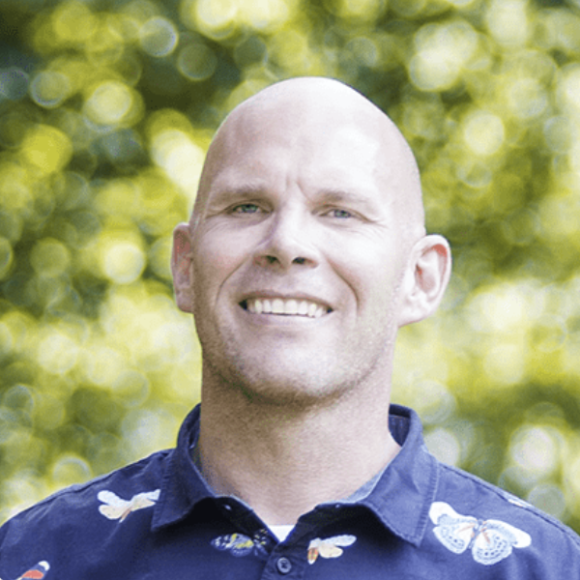
Will Burse
Chief Executive Officer

Christina Bohl
Executive Director
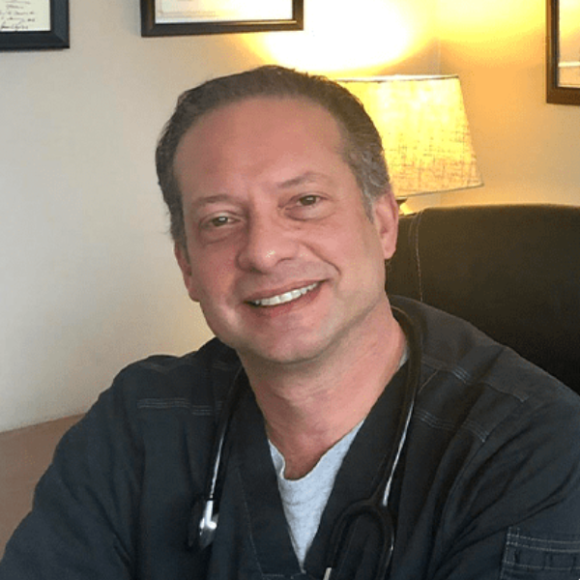
Paul Daidone, MD
Medical Director
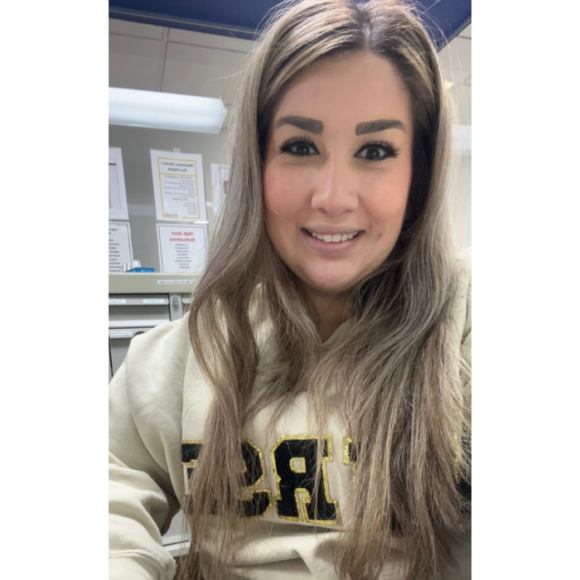
Blanca Aguilar, RN
Nurse
Accreditations

LegitScript has reviewed True Self Recovery as part of their certification program, and has determined that it meets the LegitScript standards for legality, safety and transparency.
LegitScript verified in

The Joint Commission, formerly known as JCAHO, is a nonprofit organization that accredits rehab organizations and programs. Founded in 1951, the Joint Commision's mission is to improve the quality of patient care and demonstrating the quality of patient care.
Joint Commission Accreditation: Yes
Rehab.com regularly reviews this listing for accuracy but changes may occur between updates. For the most up-to-date information, please contact True Self Recovery.
Contact Information


1104 N 2nd St
Rogers, AR 72756
Sponsored Helpline


