The response to our plea was swift and very helpful. When nobody else cared Vinland did. As my loved one is currently in the process I cannot comment on the outcome but I have hope now where there was none before. Our family is eternally grateful.
About Vinland National Center
Addiction-related services offered at Vinland National Center include mental health assessment and counseling, substance use disorder treatment, dual diagnosis treatment, skill development, and medication management.
Mental Health Assessment and Counseling
These assessments allow staff to determine if an individual exhibits symptoms of substance use disorder and co-occurring mental health disorders.
Substance Use Disorders Treatment
Vinland National Center provides dual diagnosis substance use disorder treatment for individuals with mental health diagnoses/TBI. Programs rely on evidence-based practices to treat addiction and mental health conditions. They offer programs for adults over the age of 18.
Treatment begins with an assessment to determine individual needs, then rehab services are provided based on those results. Staff and clients work together to create individual plans of care.
Skill Development
Each resident participates in skill development workshops that support their recovery, including mindfulness, relapse prevention, and movement.
Medication Management
The clinical team provides medication support to program participants. This might involve medication-assisted treatment, counseling, and support groups, or medication to treat co-occurring mental health disorders.

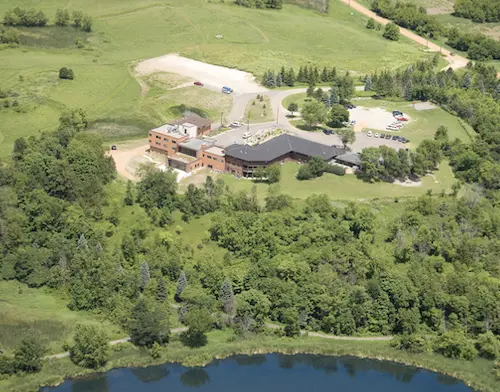
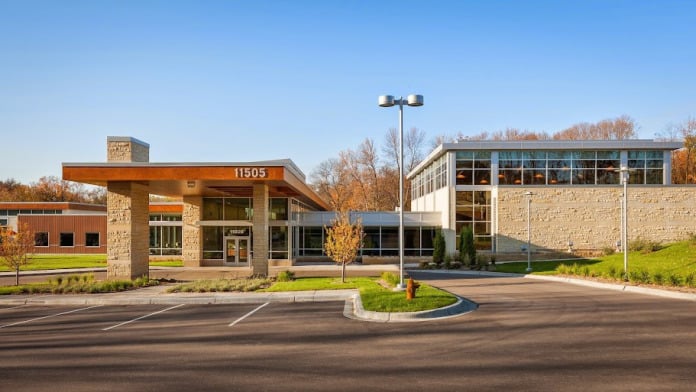
Facility Overview
Latest Reviews
We’re sorry to hear about your impression, especially since it appears to be secondhand. We’d like to offer some clarity for anyone reading.
Vinland follows all 245G requirements and uses evidence-based, ASAM-guided programming. We are not strictly an AA/NA program — instead, we offer multiple therapeutic modalities so clients can find the approach that best fits their individual recovery needs.
AA/NA meetings are available for those who want them, including weekly in-house meetings and outside speakers.
For anyone interested in what treatment looks like at Vinland, our website outlines our curriculum and includes examples of a typical daily schedule. With five different group tracks in residential treatment, programming will vary by client.
If your friend is seeking a fully 12-step–focused program, The Retreat in Wayzata may be a more appropriate fit.
We hope this brings clarity, and we wish your friend well in their recovery journey.
You've got this! 🦾
Rehab Score
Gallery
Other Forms of Payment
Private insurance refers to any kind of healthcare coverage that isn't from the state or federal government. This includes individual and family plans offered by an employer or purchased from the Insurance Marketplace. Every plan will have different requirements and out of pocket costs so be sure to get the full details before you start treatment.
Self-pay involves paying for treatment out of your own pocket. You can use savings or credit, get a personal loan, or receive help from family and friends to fund your treatment. If you don't have insurance or your insurance plan doesn't cover a specific program, self-pay can help ensure you still get the care you need.
Financial aid can take many forms. Centers may have grants or scholarships available to clients who meet eligibility requirements. Programs that receive SAMHSA grants may have financial aid available for those who need treatment as well. Grants and scholarships can help you pai for treatment without having to repay.
Military members, veterans, and eligible dependents have access to specific insurance programs that help them get the care they need. TRICARE and VA insurance can help you access low cost or no cost addiction and mental health treatment. Programs that accept military insurance often have targeted treatment focused on the unique challenges military members, veterans, and their families face.
Medicaid is a state based program that helps lower-income individuals and families pay for healthcare. Medicaid covers addiction treatment so those enrolled can use their coverage to pay for rehab. When a program accepts Medicaid the client often pays very little or nothing out of their own pocket.
Private insurance refers to any kind of healthcare coverage that isn't from the state or federal government. This includes individual and family plans offered by an employer or purchased from the Insurance Marketplace. Every plan will have different requirements and out of pocket costs so be sure to get the full details before you start treatment.
Addiction Treatments
Levels of Care
Outpatient Programs (OP) are for those seeking mental rehab or drug rehab, but who also stay at home every night. The main difference between outpatient treatment (OP) and intensive outpatient treatment (IOP) lies in the amount of hours the patient spends at the facility. Most of the time an outpatient program is designed for someone who has completed an inpatient stay and is looking to continue their growth in recovery. Outpatient is not meant to be the starting point, it is commonly referred to as aftercare.
Residential treatment programs are those that offer housing and meals in addition to substance abuse treatment. Rehab facilities that offer residential treatment allow patients to focus solely on recovery, in an environment totally separate from their lives. Some rehab centers specialize in short-term residential treatment (a few days to a week or two), while others solely provide treatment on a long-term basis (several weeks to months). Some offer both, and tailor treatment to the patient's individual requirements.
LivingWorks Ventures, in partnership with Vinland Center, provides permanent supportive housing for individuals who are living with cognitive impairments and who are in recovery from substance abuse. Lodge living is designed for people on a fixed income who can benefit from the extended support network the lodges provide. Under minimal staff supervision, residents are responsible for creating a safe, stable and healthy living environment. On-site staff serve as advisors to the lodge and its members and are always available in emergencies. Because the lodges are designed for people who need minimal amounts of support to remain independent, on-site staff is limited.
Drug and alcohol addiction often takes a heavy toll on one's body. Over time, a physical dependence can develop, meaning the body physiologically needs the substance to function. Detox is the process of removing drugs and/or alcohol from the body, a process that can be lethal if mismanaged. Medical detox is done by licensed medical professionals who monitor vital signs and keep you safe, healthy, and as comfortable as possible as you go through detox and withdrawal.
Treatments
The goal of treatment for alcoholism is abstinence. Those with poor social support, poor motivation, or psychiatric disorders tend to relapse within a few years of treatment. For these people, success is measured by longer periods of abstinence, reduced use of alcohol, better health, and improved social functioning. Recovery and Maintenance are usually based on 12 step programs and AA meetings.
Drug addiction is defined as an inability to stop using drugs even though it causes negative consequences in your life. Drug rehab in Minnesota provides treatment for drug addiction in a variety of settings including inpatient treatment and outpatient treatment.
Many of those suffering from addiction also suffer from mental or emotional illnesses like schizophrenia, bipolar disorder, depression, or anxiety disorders. Rehab and other substance abuse facilities treating those with a dual diagnosis or co-occurring disorder administer psychiatric treatment to address the person's mental health issue in addition to drug and alcohol rehabilitation.
A combined mental health and substance abuse rehab has the staff and resources available to handle individuals with both mental health and substance abuse issues. It can be challenging to determine where a specific symptom stems from (a mental health issue or an issue related to substance abuse), so mental health and substance abuse professionals are helpful in detangling symptoms and keeping treatment on track.

Opioid rehabs specialize in supporting those recovering from opioid addiction. They treat those suffering from addiction to illegal opioids like heroin, as well as prescription drugs like oxycodone. These centers typically combine both physical as well as mental and emotional support to help stop addiction. Physical support often includes medical detox and subsequent medical support (including medication), and mental support includes in-depth therapy to address the underlying causes of addiction.

Substance abuse treatment programs in Minnesota are designed to support individuals to overcome addiction. These programs employ evidence-based therapies such as cognitive-behavioral therapy (CBT), dialectical behavior therapy (DBT), and eye movement desensitization and reprocessing (EMDR), together with individual and group therapy, and recovery meetings. With a variety of treatment options available, which typically include outpatient, inpatient, dual-diagnosis, and partial hospitalization, you'll be able to find a personalized treatment option that works for your individual needs.
Programs
Adult rehab programs include therapies tailored to each client's specific needs, goals, and recovery progress. They are tailored to the specific challenges adult clients may face, including family and work pressures and commitments. From inpatient and residential treatment to various levels of outpatient services, there are many options available. Some facilities also help adults work through co-occurring conditions, like anxiety, that can accompany addiction.
Young adulthood can be an exciting, yet difficult, time of transition. Individuals in their late teens to mid-20s face unique stressors related to school, jobs, families, and social circles, which can lead to a rise in substance use. Rehab centers with dedicated young adult programs will include activities and amenities that cater to this age group, with an emphasis on specialized counseling, peer socialization, and ongoing aftercare.
Recovery is most successful when clients feel accepted and validated by their peers and treatment providers. Facilities that offer LGBTQ-inclusive programming are committed to creating a safe space where everyone can grow and recover without fear of judgment or discrimination. They will have dedicated policies in place to create a safe and supportive environment that fosters free expression.
Men face specific challenges and concerns when seeking addiction treatment. Gender-specific recovery programs help them tackle these issues head-on in an environment that's focused, targeted, and distraction-free. It also gives them the opportunity to connect with and learn from other men who have been through a similar journey and can offer support for the next step.
Clinical Services
Group therapy is any therapeutic work that happens in a group (not one-on-one). There are a number of different group therapy modalities, including support groups, experiential therapy, psycho-education, and more. Group therapy involves treatment as well as processing interaction between group members.
In individual therapy, a patient meets one-on-one with a trained psychologist or counselor. Therapy is a pivotal part of effective substance abuse treatment, as it often covers root causes of addiction, including challenges faced by the patient in their social, family, and work/school life.
Trauma therapy addresses traumatic incidents from a client's past that are likely affecting their present-day experience. Trauma is often one of the primary triggers and potential causes of addiction, and can stem from child sexual abuse, domestic violence, having a parent with a mental illness, losing one or both parents at a young age, teenage or adult sexual assault, or any number of other factors. The purpose of trauma therapy is to allow a patient to process trauma and move through and past it, with the help of trained and compassionate mental health professionals.
Couples therapy in Minnesota can help you understand yourself and your partner better and identify the issues causing stress in the relationship. From finances to addiction to children, you'll learn skills to deal with various stressors and strengthen your relationship.
Vinland offers a weekend educational series as a resource for people who care about someone with a substance abuse issue. The program is not considered a replacement for family counseling, but rather it is a source of information about substance abuse, cognitive disabilities, and family relationships. Research has shown that recovery is stronger and more effective when family members are educated and involved in the treatment process.
For a successful recovery, life skills training is key. That's why rehab programs in Minnesota include training in social skills, self care, time management, financial management, and other daily life skills. By growing in these areas, you'll gain tools that allow you to navigate challenges and avoid relapse.
Substance abuse leads to poor dietary choices and vitamin deficiencies. To address these issues, many drug rehab programs in Minnesota include nutrition therapy. You'll learn about the right foods to eat to support recovery and develop a plan for long term success.
The expressive activities of creative arts therapy in Minnesota help you find new ways to look at challenging situations, explore complicated feelings that can be hard to talk about and help you understand yourself better. This can be helpful as you work through the complex issues of addiction and recovery.
Amenities
-
Residential Setting
-
Private Setting
-
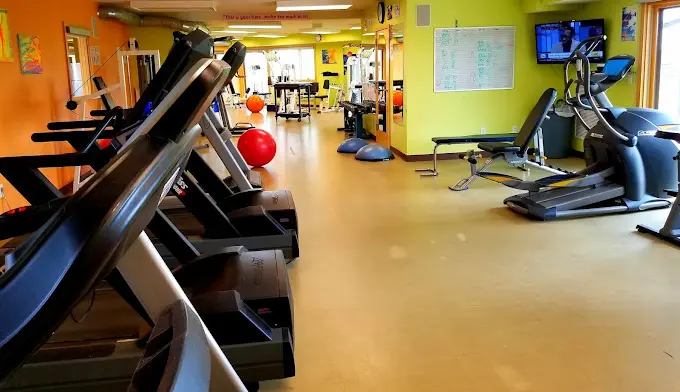
Gym
-
Walking Trails
-
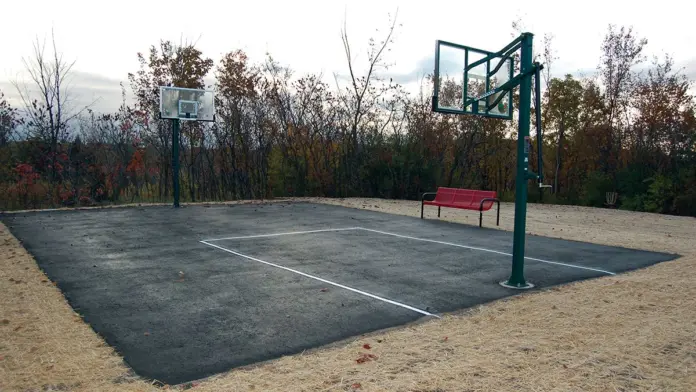
Basketball Court
-
Gardens
Staff & Accreditations
Staff
Mary Roehl
Executive Director
Dr. John E. Simon
Medical Director
Thomas Beckers
Director of Residential Programs
Don Raasch
Director of Outpatient/Residential Intake Services
Accreditations
The National Association of Addiction Treatment Providers (NAATP) is a professional association that represents organizations in the field of addiction services. Founded in 1978, NAATP's mission is to advance addiction services and ensure that high-quality addiction treatment is available and accessible.
NAATP Member: Yes
State Licenses are permits issued by government agencies that allow rehab organizations to conduct business legally within a certain geographical area. Typically, the kind of program a rehab facility offers, along with its physical location, determines which licenses are required to operate legally.
State License: Minnesota
License Number: 802601
Contact Information
3675 Ihdauhapi Road
Loretto, MN 55357