





























































































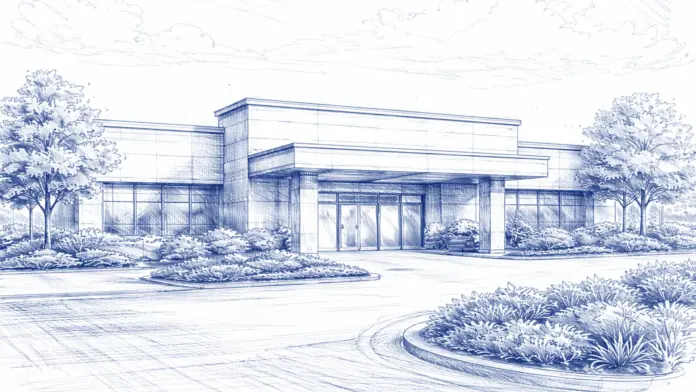
About WestCare – SOS Specialty Mental Health Clinic
WestCare–SOS Specialty Mental Health Clinic provides inpatient and outpatient services for adults in Fresno, California who are experiencing mental illness and/or addiction.
The inpatient program allows clients to focus on their recovery in a highly structured and supportive environment. Their supportive overnight stay (SOS) services are designed for clients exiting acute care programs and include clinical supervision to support clients’ sustained recovery. Clients in inpatient care receive medical and mental health assessments, personalized care planning, and comprehensive case management. They also engage in intensive individual, group, and family counseling. The program prioritizes recovery-focused life skills training to facilitate clients’ successful reintegration into their home, workplace, and community.
The outpatient program promotes clients’ long-term recovery through a robust continuum of care aligned with clients’ evolving needs. Clients in outpatient treatment continue to participate in psychotherapy sessions and recovery education programs. Aftercare services may include peer coaching, career counseling, transitional housing, and referrals for medical, mental health, and social service programs.
WestCare–SOS Specialty Mental Health Clinic is a 501(c)(3) nonprofit organization and accepts self-pay. Need-based financial assistance is available contingent upon funding.
Facility Overview
 28
28 Latest Reviews



Rehab Score
 Our Methodology


Location
Other Forms of Payment
Self-pay involves paying for treatment out of your own pocket. You can use savings or credit, get a personal loan, or receive help from family and friends to fund your treatment. If you don't have insurance or your insurance plan doesn't cover a specific program, self-pay can help ensure you still get the care you need.
Addiction Treatments
Levels of Care
Outpatient Programs (OP) are for those seeking mental rehab or drug rehab, but who also stay at home every night. The main difference between outpatient treatment (OP) and intensive outpatient treatment (IOP) lies in the amount of hours the patient spends at the facility. Most of the time an outpatient program is designed for someone who has completed an inpatient stay and is looking to continue their growth in recovery. Outpatient is not meant to be the starting point, it is commonly referred to as aftercare.
Sober Living Houses (SLHs), aka sober homes or halfway houses, are safe, substance-free, supportive living facilities for those recovering from substance abuse. Ideal for those who've just been through inpatient or outpatient treatment, SLHs are supervised environments with rules that support sobriety, such as curfews, shared chores, and therapeutic meetings. Residents are also often trained on life skills and coping skills to make it easier to transition into society. SLHs also provide a strong sense of community that can lead to the kind of deep and lasting connections with other sober individuals that supports a new, healthy lifestyle.
Treatments
Mental health rehabs focus on helping individuals recover from mental illnesses like bipolar disorder, clinical depression, anxiety disorders, schizophrenia, and more. Mental health professionals at these facilities are trained to understand and treat mental health issues, both in individual and group settings.
Programs
Adult rehab programs include therapies tailored to each client's specific needs, goals, and recovery progress. They are tailored to the specific challenges adult clients may face, including family and work pressures and commitments. From inpatient and residential treatment to various levels of outpatient services, there are many options available. Some facilities also help adults work through co-occurring conditions, like anxiety, that can accompany addiction.
Young adulthood can be an exciting, yet difficult, time of transition. Individuals in their late teens to mid-20s face unique stressors related to school, jobs, families, and social circles, which can lead to a rise in substance use. Rehab centers with dedicated young adult programs will include activities and amenities that cater to this age group, with an emphasis on specialized counseling, peer socialization, and ongoing aftercare.
Clinical Services
Group therapy is any therapeutic work that happens in a group (not one-on-one). There are a number of different group therapy modalities, including support groups, experiential therapy, psycho-education, and more. Group therapy involves treatment as well as processing interaction between group members.
In individual therapy, a patient meets one-on-one with a trained psychologist or counselor. Therapy is a pivotal part of effective substance abuse treatment, as it often covers root causes of addiction, including challenges faced by the patient in their social, family, and work/school life.
Staff
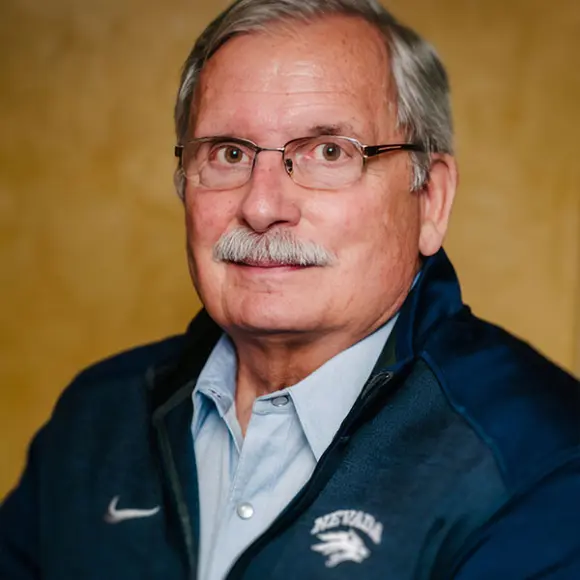
James (Jim) L. Wadhams
Chair
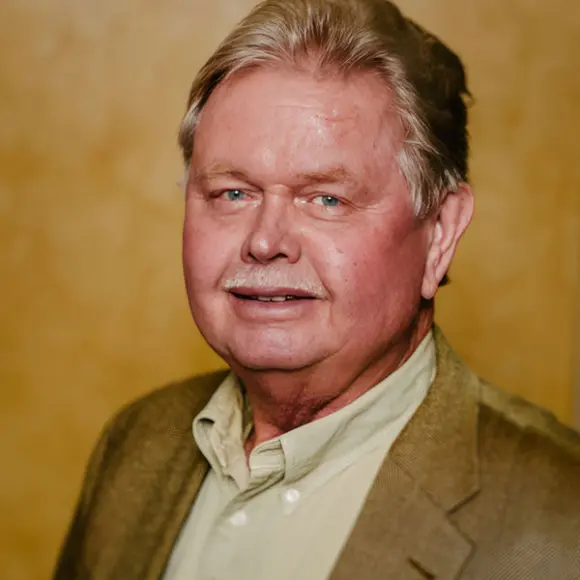
William (Bill) Ekstrom, Jr.
Vice Chair, West Region
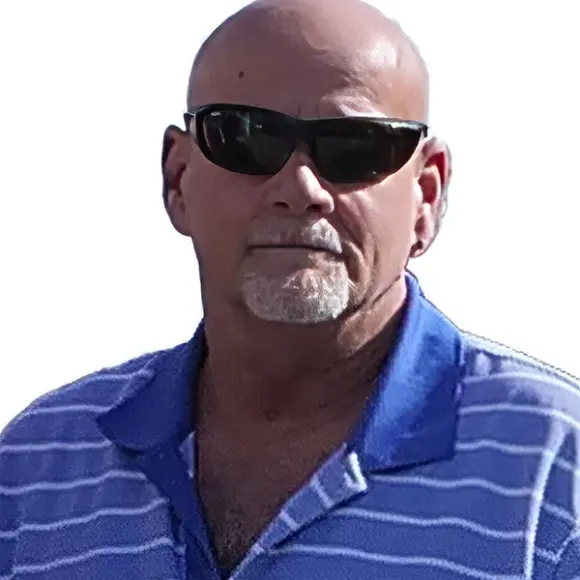
Thomas (Tom) J. Walsh, II
Vice Chair, East Region
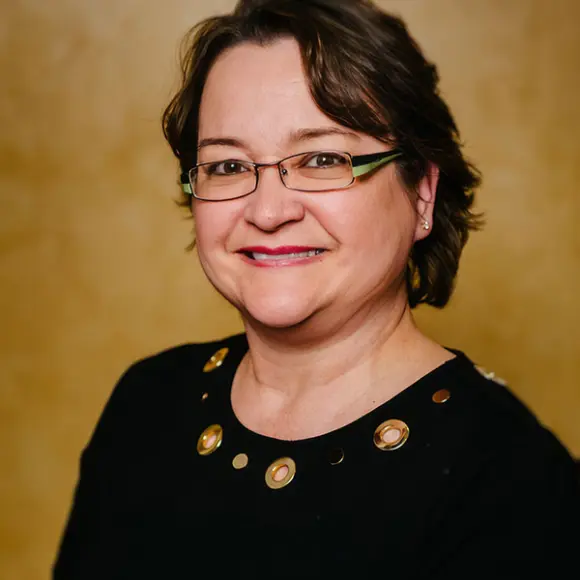
Dr. Mary A.Y Okada
Vice Chair, Islands Region
Rehab.com regularly reviews this listing for accuracy but changes may occur between updates. For the most up-to-date information, please contact WestCare – SOS Specialty Mental Health Clinic.
Contact Information


3636 N. First Street, Suite 123
Fresno, CA 93726
Sponsored Helpline


