















































































































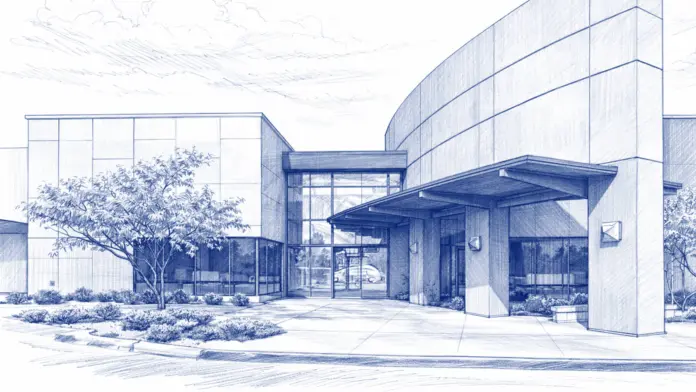
About Work in Progress – Substance Abuse Program
Work in Progress has 30, 90, and 180-day outpatient programs. Each delivers quality care while allowing clients to live at home and maintain daily responsibilities, like work, family, or school. Work in Progress designs programs that put your needs first with quality services, including assessments, individualized treatment plans, case management, SUD education, individual counseling, group counseling, and 12-Step programs.
Aftercare services and continued support help patients stay focused on recovery after completing an initial program. Aftercare may include ongoing therapy, transitional housing services, and peer-support groups.
Work in Progress may collaborate with leading insurance providers, including Ambetter, Blue Cross Blue Shield, UnitedHealthcare, and others, to reduce the financial burden of treatment. Out-of-network benefits can vary dramatically, so it’s best to verify your insurance before seeking treatment.
Facility Overview
 $10
$10 
Rehab Score
 Our Methodology


Location
Accepted Insurance

Addiction Treatments
Levels of Care
Outpatient Programs (OP) are for those seeking mental rehab or drug rehab, but who also stay at home every night. The main difference between outpatient treatment (OP) and intensive outpatient treatment (IOP) lies in the amount of hours the patient spends at the facility. Most of the time an outpatient program is designed for someone who has completed an inpatient stay and is looking to continue their growth in recovery. Outpatient is not meant to be the starting point, it is commonly referred to as aftercare.
Treatments
The goal of treatment for alcoholism is abstinence. Those with poor social support, poor motivation, or psychiatric disorders tend to relapse within a few years of treatment. For these people, success is measured by longer periods of abstinence, reduced use of alcohol, better health, and improved social functioning. Recovery and Maintenance are usually based on 12 step programs and AA meetings.
Drug rehab in California teaches participants constructive ways to stay clean and sober. Treatment revolves around helping individuals stop using the substance they are addicted to and learn healthy habits to avoid relapse.
Opioid rehabs specialize in supporting those recovering from opioid addiction. They treat those suffering from addiction to illegal opioids like heroin, as well as prescription drugs like oxycodone. These centers typically combine both physical as well as mental and emotional support to help stop addiction. Physical support often includes medical detox and subsequent medical support (including medication), and mental support includes in-depth therapy to address the underlying causes of addiction.
Substance rehabs focus on helping individuals recover from substance abuse, including alcohol and drug addiction (both illegal and prescription drugs). They often include the opportunity to engage in both individual as well as group therapy.
Programs
Adult rehab programs include therapies tailored to each client's specific needs, goals, and recovery progress. They are tailored to the specific challenges adult clients may face, including family and work pressures and commitments. From inpatient and residential treatment to various levels of outpatient services, there are many options available. Some facilities also help adults work through co-occurring conditions, like anxiety, that can accompany addiction.
Young adulthood can be an exciting, yet difficult, time of transition. Individuals in their late teens to mid-20s face unique stressors related to school, jobs, families, and social circles, which can lead to a rise in substance use. Rehab centers with dedicated young adult programs will include activities and amenities that cater to this age group, with an emphasis on specialized counseling, peer socialization, and ongoing aftercare.
Clinical Services
In individual therapy, a patient meets one-on-one with a trained psychologist or counselor. Therapy is a pivotal part of effective substance abuse treatment, as it often covers root causes of addiction, including challenges faced by the patient in their social, family, and work/school life.
Staff
Brian Becher
Owner
Contact Information


5199 East Pacific Coast Highway Suite 312 North
Long Beach, CA 90804
Sponsored Helpline
