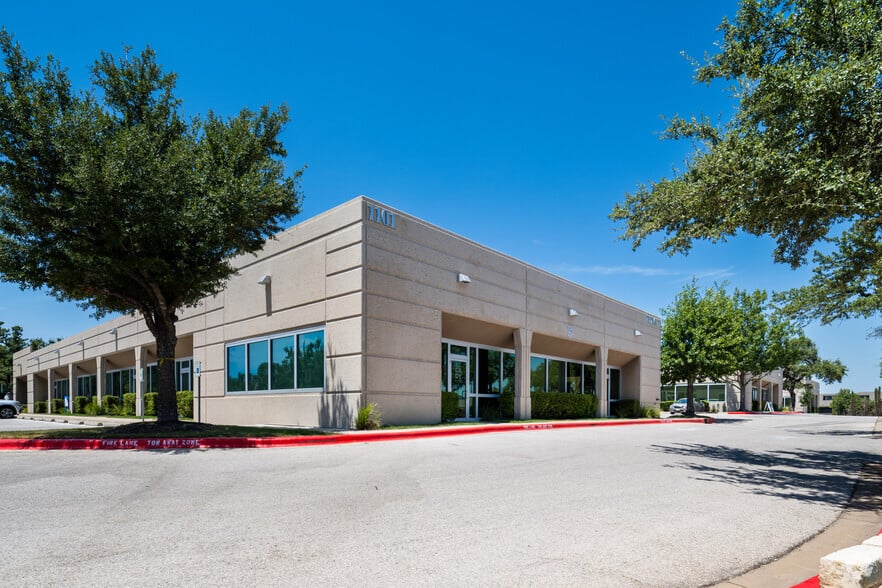
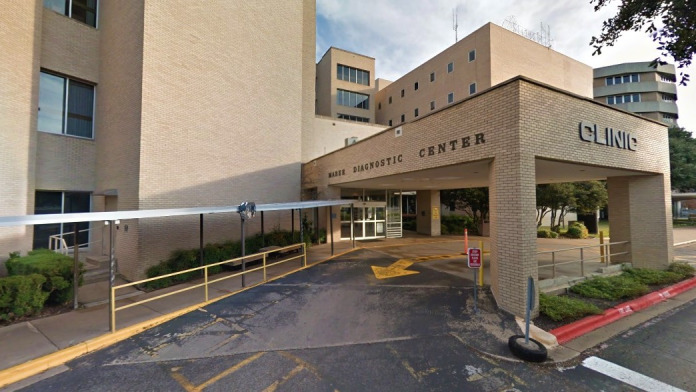
Virtue Recovery Center Texas Drug and Alcohol Rehab
Young Dr Killeen, TX 76542

The intensive outpatient program generally meets three times a week for three hours at a time. Individual therapy, group therapy, trauma treatment, case management services, relapse prevention planning, STD testing, educational classes, urine testing, 12-step programming, and skills classes are provided. The program accepts medication-assisted treatment (MAT) clients.
The outpatient program is best suited for those who do not need 24/7 supervision. Individual therapy, family therapy, couples counseling, group therapy, trauma treatment, STD testing, relapse prevention planning, case management, 12-step programming, and urine testing are available. The program accepts MAT clients.
Cenikor Foundation accepts most insurance plans, including Amerigroup, Beacon, Magellan, ComPsych, Aetna, Wellmark, HCSC, and more. Out-of-network benefits may vary from plan to plan, so it is encouraged to contact the provider before starting treatment.

 Our Methodology


 Free
Free12-step programs are addiction recovery models based on Alcoholics Anonymous (AA). A number of substance abuse programs (including some drug and alcohol rehab centers) use the 12 steps as a basis for treatment. Beginning steps involve admitting powerlessness over the addiction and creating a spiritual basis for recovery. Middle steps including making direct amends to those who've been hurt by the addiction, and the final step is to assist others in addiction recovery in the same way. 12-Step offshoots including Narcotics Anonymous (NA), Cocaine Anonymous (CA), Dual Recovery Anonymous (DRA), Sex and Love Addicts Anonymous (SLAA) and Gamblers Anonymous (GA).
The goal of treatment for alcoholism is abstinence. Those with poor social support, poor motivation, or psychiatric disorders tend to relapse within a few years of treatment. For these people, success is measured by longer periods of abstinence, reduced use of alcohol, better health, and improved social functioning. Recovery and Maintenance are usually based on 12 step programs and AA meetings.
During rehab in Texas, you'll deal with underlying issues that contribute to addiction. By addressing these challenges and learning healthy ways to cope with them, you'll develop strategies that help you live a drug-free lifestyle.
Substance rehabs focus on helping individuals recover from substance abuse, including alcohol and drug addiction (both illegal and prescription drugs). They often include the opportunity to engage in both individual as well as group therapy.
Adult rehab programs include therapies tailored to each client's specific needs, goals, and recovery progress. They are tailored to the specific challenges adult clients may face, including family and work pressures and commitments. From inpatient and residential treatment to various levels of outpatient services, there are many options available. Some facilities also help adults work through co-occurring conditions, like anxiety, that can accompany addiction.
Young adulthood can be an exciting, yet difficult, time of transition. Individuals in their late teens to mid-20s face unique stressors related to school, jobs, families, and social circles, which can lead to a rise in substance use. Rehab centers with dedicated young adult programs will include activities and amenities that cater to this age group, with an emphasis on specialized counseling, peer socialization, and ongoing aftercare.
Group therapy is any therapeutic work that happens in a group (not one-on-one). There are a number of different group therapy modalities, including support groups, experiential therapy, psycho-education, and more. Group therapy involves treatment as well as processing interaction between group members.

902 South Main street
Temple, TX 76504
Sponsored Helpline

Good place to come to be sober .

Brown Bag group is a open and friendly group of folks that care.

You never get a 2nd chance to make a good 1st impression, and they take that very seriously here. I was nervous going in because there were so many people there, probably around 50 people 😯 when I got up to get my desire chip, the applause was deafening 🥹 and the women there are absolutely wonderful. I’m actually looking forward to this now ❤️

I love Tem-Bel AA group, attended the 6:30 to 7:30 classes for so long until my job interfered and had to switch up my time, but Mark, Ed and Danny were all so helpful in my recovery and here I am a year sober. Great small, quaint place to attend if you’re looking to find recovery or just new and wanna see the path you could be on. Highly Recommend
 Back
Back
Sharing your insights and experiences can help others learn more about this rehab center.