





























































































About Aspire Indiana Health – Elwood Health Center
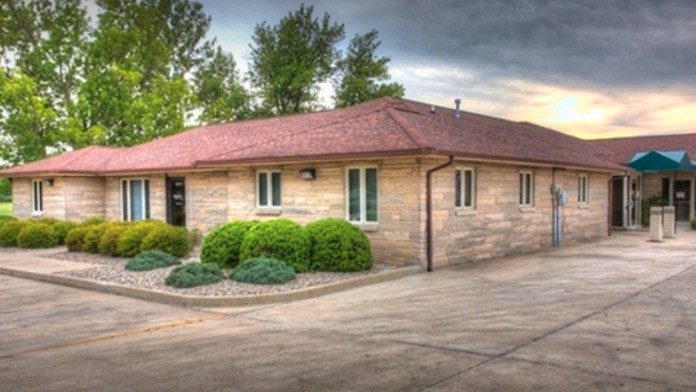
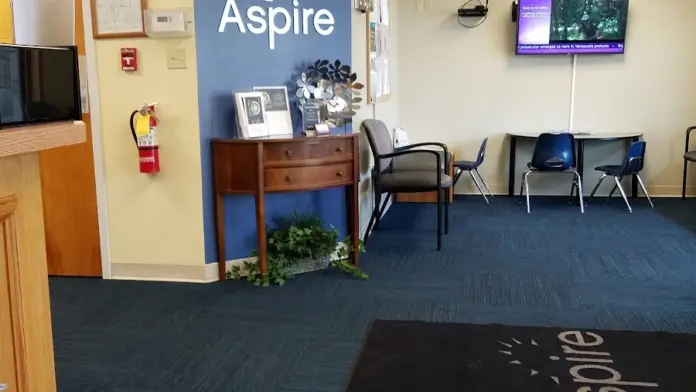
Aspire Indiana Health–Elwood offers home, school, and community-based services. They also provide specialized programming for children, adolescents, young adults, seniors, persons with hearing impairment, and persons with co-occurring addiction and mental illness.
General Outpatient (OP) Program
Clients in outpatient treatment receive medical and mental health assessments, personalized care planning, and comprehensive case management. Referrals for acute or intensive inpatient care are available as needed. Those in alcohol and/or opioid recovery may enroll in the evidence-based MAT program for longer-term pharmacotherapy. Clients also engage in intensive, trauma-informed individual, group, and family counseling that draws on proven modalities, including CBT. The program promotes clients’ sustained sobriety through robust, age-specific, recovery-focused life-skills training. Topics include coping, self-care, wellness, emotional regulation, anger and stress management, and relapse prevention.
Aftercare Services
Their aftercare services ensure a complete continuum of care aligned with clients’ evolving needs. These services may include peer coaching, transitional support, 12-Step program facilitation, and referrals for medical, mental health, and social service programs.
Accreditation and Payment
Aspire Indiana Health–Elwood is certified by LegitScript and accredited by The Joint Commission. They accept private insurance, Medicare, Medicaid, CHIP, sliding-scale payment schedules, and self-pay. Financial aid is available.
Latest Reviews



Rehab Score
 Our Methodology


Gallery
Other Forms of Payment
Medicaid is a state based program that helps lower-income individuals and families pay for healthcare. Medicaid covers addiction treatment so those enrolled can use their coverage to pay for rehab. When a program accepts Medicaid the client often pays very little or nothing out of their own pocket.
Private insurance refers to any kind of healthcare coverage that isn't from the state or federal government. This includes individual and family plans offered by an employer or purchased from the Insurance Marketplace. Every plan will have different requirements and out of pocket costs so be sure to get the full details before you start treatment.
Self-pay involves paying for treatment out of your own pocket. You can use savings or credit, get a personal loan, or receive help from family and friends to fund your treatment. If you don't have insurance or your insurance plan doesn't cover a specific program, self-pay can help ensure you still get the care you need.
Medicare is a federal program that provides health insurance for those 65 and older. It also serves people under 65 with chronic and disabling health challenges. To use Medicare for addiction treatment you need to find a program that accepts Medicare and is in network with your plan. Out of pocket costs and preauthorization requirements vary, so always check with your provider.
Military members, veterans, and eligible dependents have access to specific insurance programs that help them get the care they need. TRICARE and VA insurance can help you access low cost or no cost addiction and mental health treatment. Programs that accept military insurance often have targeted treatment focused on the unique challenges military members, veterans, and their families face.
Addiction Treatments
Levels of Care
Outpatient Programs (OP) are for those seeking mental rehab or drug rehab, but who also stay at home every night. The main difference between outpatient treatment (OP) and intensive outpatient treatment (IOP) lies in the amount of hours the patient spends at the facility. Most of the time an outpatient program is designed for someone who has completed an inpatient stay and is looking to continue their growth in recovery. Outpatient is not meant to be the starting point, it is commonly referred to as aftercare.
When removing addictive substances from your body under the care of licensed medical professionals, the process is called medically assisted detox. Once you've become physically dependent on substances like alcohol, opioids, or benzodiazepines, quitting can be uncomfortable or even dangerous. To minimize risks to your health and overall discomfort, a team of medical professionals monitors you 24/7 and provides medications if necessary (like Suboxone or methadone) to ease potential symptoms of withdrawal.
Treatments
Mental health rehabs focus on helping individuals recover from mental illnesses like bipolar disorder, clinical depression, anxiety disorders, schizophrenia, and more. Mental health professionals at these facilities are trained to understand and treat mental health issues, both in individual and group settings.
Programs
Young adulthood can be an exciting, yet difficult, time of transition. Individuals in their late teens to mid-20s face unique stressors related to school, jobs, families, and social circles, which can lead to a rise in substance use. Rehab centers with dedicated young adult programs will include activities and amenities that cater to this age group, with an emphasis on specialized counseling, peer socialization, and ongoing aftercare.
Clinical Services
The goal of family therapy in Indiana is to empower family members to effectively support their loved one's recovery. Therapists work with family members to develop the skills needed to manage stress and resolve conflicts successfully. This fosters a positive environment that is conducive to long term sobriety.
In individual therapy, a patient meets one-on-one with a trained psychologist or counselor. Therapy is a pivotal part of effective substance abuse treatment, as it often covers root causes of addiction, including challenges faced by the patient in their social, family, and work/school life.
Staff & Accreditations
Staff
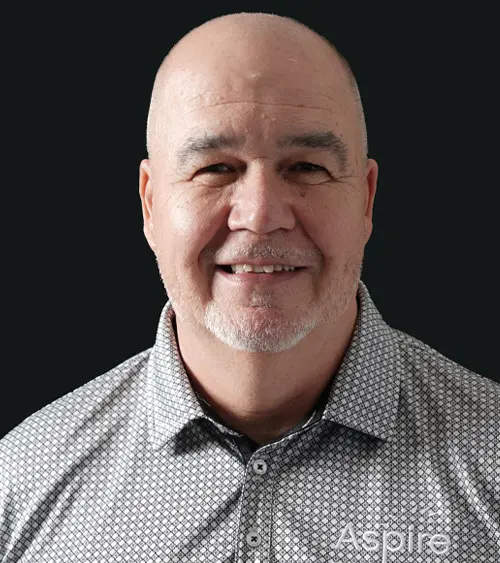
Antony Sheehan
President & CEO

Jim Skeel
Executive VP & Chief Transformation Officer

Alex Welty
Senior VP, Integrated Health Services
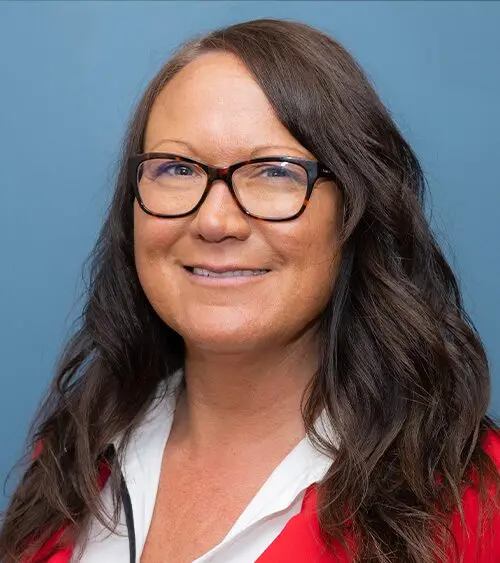
Dr. Michelle Baker
Senior Director, Quality
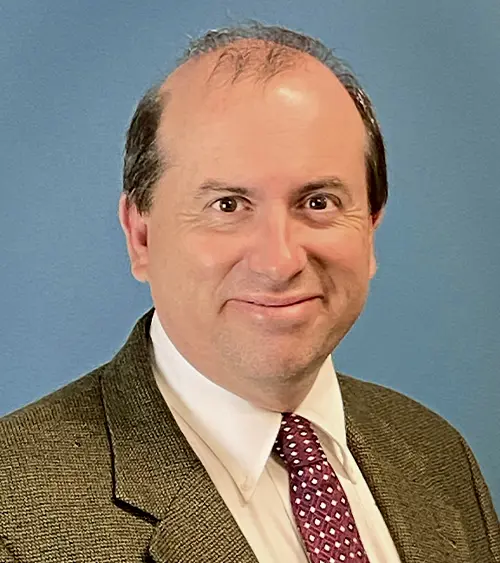
Dr. Jon Butler
Chief Medical Officer

Tim Crockett
CFO

Dr. Gina Forrest
Chief Culture & Health Equity Officer
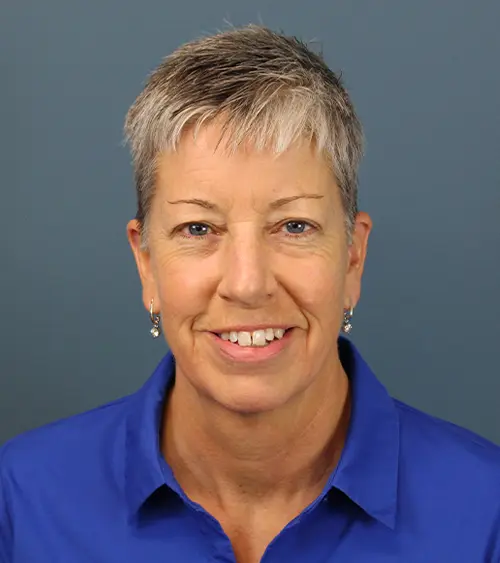
Dr. Jody Horstman
COO
Accreditations

The Joint Commission, formerly known as JCAHO, is a nonprofit organization that accredits rehab organizations and programs. Founded in 1951, the Joint Commision's mission is to improve the quality of patient care and demonstrating the quality of patient care.
Joint Commission Accreditation: Yes

LegitScript has reviewed Aspire Indiana Health – Elwood Health Center as part of their certification program, and has determined that it meets the LegitScript standards for legality, safety and transparency.
LegitScript verified in
Rehab.com regularly reviews this listing for accuracy but changes may occur between updates. For the most up-to-date information, please contact Aspire Indiana Health – Elwood Health Center.
Contact Information


10731 IN-13
Elwood, IN 46036
Sponsored Helpline



