
































































































The 11 days I was in Beacon hospital in Lacombe, my depression and anxiety got worse. The staff were abusive, neglectful, cold, and uncaring. I usually have a normal blood pressure reading, but during my stay, it ran between 156 over 85 to 184 over 95 with blood pressure med ...
About Beacon Behavioral Hospital – Northshore
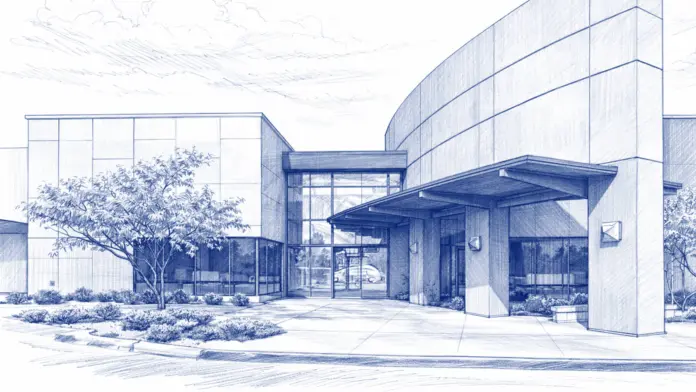
Beacon Behavioral Hospital is a comprehensive mental health and dual diagnosis care facility for adults in Lacombe, Louisiana specializing in inpatient, intensive outpatient (IOP), standard outpatient (OP), and aftercare services. Dedicated programming is also available for seniors.
Inpatient Program
The inpatient program allows clients to focus on their recovery in a highly structured and supportive environment. Clients receive round-the-clock medical supervision, medical and mental health assessments, personalized care planning, crisis prevention and stabilization, and comprehensive case management. They also engage in intensive, trauma-informed, CBT and DBT-based psychotherapy, including individual, group, and family counseling. The program promotes clients’ successful reintegration into their home, workplace, and community through robust recovery-focused life skills training addressing topics such as self-care, wellness, disease and medication management, and relapse prevention.
Outpatient and Aftercare Services
The outpatient program ensures a complete continuum of care aligned with clients’ evolving needs, including intensive outpatient (IOP) and standard outpatient (OP) services. Their aftercare services may include peer coaching, career counseling, 12 step program facilitation, and referrals for medical, mental health, and social service programs.
Payment Options
Beacon Behavioral Hospital accepts private insurance, Medicare, Medicaid, and self-pay. Financial aid is available.
Facility Overview
 22
22 Number of Available Beds
Latest Reviews
I volunteerly sought help with medication. Ì was afraid of what would happen while there. After a couple of days, the other ladies reached out to me and every thing changed for the better. I had lost most of my sight and could only hear very little. The staff was extremely helpful and concerned. I did get my meds adjusted. The support staff were great. I only had a few negative interactions with staff. The worst one was in the day room on Sept 13, 2025 when a female staff member ran across the room and to the TV screaming excessively
loud. Most of us had very negative reactions and several went out of the room.
It took a while for me to decide to post a remark, but I felt that I had to say something. I was a patient there last June because of something stupid I did because of the pain I was in because of my back. At first I was very upset and unruly. But after being there for a couple of days I did notice a couple of things that are definitely NOT the faculty's fault. The doctors, nurses & medtechs did the best they could with what they had. These people come in to help, because they care. But the one thing I did notice was that the staff was over-worked, under-staffed, under-appreciated & I don't know, but probably underpaid. They relied on donations, when it came down to certain clothes, shoes & I remember how short they were on pillows. After being discharged, my husband & I donated some items for them to use. The thing that gets me angry is after reading some of these reviews, it has become apparent to me how important that the Gov. steps in and do something about the lack of care there is for mental health. I read in a comment that their loved one was dumped like trash and she had dementia. While there myself and one other person tried to help the medtechs, when they needed some. These people are human beings, NOT TRASH and shouldn't be treated like it, due to the facility being so short staffed. You know, it's a shame we don't learn from the Asians on how they care for their loved ones. But like I said my personal experience taught me a lot about facing my inner demons, while trying to help the medtechs. Here's a thought!!! Maybe if you treated your staff the way that they should be treated, then you would not have so many unhappy family members of the patients.
Response from the owner12 hours ago
Thank you for sharing your experience with us. We have a wonderful team of caring staff, and we are honored that you chose us to care for you.
Our developmentally disabled client was admitted last week. I can’t say enough about how awesome this facility has been. At most past facilities our other clients were in we had such a hard time advocating for them. Beacon has been easy to communicate w all the treatment team. We were included and informed regarding his care plan. They were able to make him feel safe. I’ll be requesting this facility if we ever need an admit for our DD consumers. Thank you Beacon!
Response from the owner12 hours ago
Thank you for sharing your positive experience with us. We have a wonderful team of caring staff, and we are honored that you chose us to care for you. 
Rehab Score
 Our Methodology
Scoring is assigned by a proprietary system which helps surface key metrics that determine quality. The 10-point scale factors in categories such as operations, customer satisfaction, and trust metrics. Read Full Methodology

7.3 / 10
Location
Accepted Insurance
Other Forms of Payment
Private insurance refers to any kind of healthcare coverage that isn't from the state or federal government. This includes individual and family plans offered by an employer or purchased from the Insurance Marketplace. Every plan will have different requirements and out of pocket costs so be sure to get the full details before you start treatment.
Self-pay involves paying for treatment out of your own pocket. You can use savings or credit, get a personal loan, or receive help from family and friends to fund your treatment. If you don't have insurance or your insurance plan doesn't cover a specific program, self-pay can help ensure you still get the care you need.
Medicare is a federal program that provides health insurance for those 65 and older. It also serves people under 65 with chronic and disabling health challenges. To use Medicare for addiction treatment you need to find a program that accepts Medicare and is in network with your plan. Out of pocket costs and preauthorization requirements vary, so always check with your provider.
Military members, veterans, and eligible dependents have access to specific insurance programs that help them get the care they need. TRICARE and VA insurance can help you access low cost or no cost addiction and mental health treatment. Programs that accept military insurance often have targeted treatment focused on the unique challenges military members, veterans, and their families face.
Medicaid is a state based program that helps lower-income individuals and families pay for healthcare. Medicaid covers addiction treatment so those enrolled can use their coverage to pay for rehab. When a program accepts Medicaid the client often pays very little or nothing out of their own pocket.
Addiction Treatments
Levels of Care
Residential treatment programs are those that offer housing and meals in addition to substance abuse treatment. Rehab facilities that offer residential treatment allow patients to focus solely on recovery, in an environment totally separate from their lives. Some rehab centers specialize in short-term residential treatment (a few days to a week or two), while others solely provide treatment on a long-term basis (several weeks to months). Some offer both, and tailor treatment to the patient's individual requirements.
Clients engaged in an intensive outpatient program (IOP) participate in multiple treatment sessions weekly. Typical treatment modalities include individual, group, and family counseling, addiction and recovery education, medication assisted treatment (MAT), and evidence-based holistic therapies. Most intensive outpatient rehabs require clients to engage in a minimum of nine and a maximum of 20 treatment hours per week. Many clients enter IOP after stepping down from intensive inpatient care, but some may enroll immediately after completing detox.
Treatments
Mental health rehabs focus on helping individuals recover from mental illnesses like bipolar disorder, clinical depression, anxiety disorders, schizophrenia, and more. Mental health professionals at these facilities are trained to understand and treat mental health issues, both in individual and group settings.
Alcoholism - also known as alcohol use disorder (AUD), alcohol dependence, and alcohol addiction - is a chronic condition that describes a form of problem drinking that causes harm to a person's health and relationships. To treat AUD, alcohol rehab in Louisiana is usually necessary. This typically involves three phases: medical detox to safely withdraw from alcohol, rehabilitation through evidence-based therapies, and support for long-term recovery maintenance.
While each drug rehab in Louisiana offers unique elements, recovery support often follows a similar pattern. Detox is followed by inpatient and/or outpatient care, then aftercare support is provided once the participant completes the initial program.
 Opioid Addiction
Specialized substance abuse treatment programs in Louisiana can address addiction and any co-occurring mental health disorders. These programs offer a range of care options, including outpatient, inpatient, and partial hospitalization programs. Expert clinicians utilize evidence-based therapies such as cognitive-behavioral therapy (CBT), dialectical behavior therapy (DBT), and trauma-focused therapy to address substance abuse and promote mental health. Other recovery supports include 12-Step meetings, skills workshops, psychoeducation, and an aftercare plan to enhance your chances of long-term recovery.
Specialized dual-diagnosis addiction treatment in Louisiana offers integrated treatment for individuals with co-occurring substance use disorders and mental health conditions. Programs include detox, outpatient, inpatient, and partial hospitalization options. Therapies like cognitive behavioral therapy, or dialectical behavioral therapy, mindfulness, and group therapy address the underlying causes of addiction, enhance coping strategies, and promote mental health and well-being. The programs discharge planning and alumni program will help to support long-term recovery by preventing relapse and providing on-going support post-treatment.
Programs
Adult rehab programs include therapies tailored to each client's specific needs, goals, and recovery progress. They are tailored to the specific challenges adult clients may face, including family and work pressures and commitments. From inpatient and residential treatment to various levels of outpatient services, there are many options available. Some facilities also help adults work through co-occurring conditions, like anxiety, that can accompany addiction.
Young adulthood can be an exciting, yet difficult, time of transition. Individuals in their late teens to mid-20s face unique stressors related to school, jobs, families, and social circles, which can lead to a rise in substance use. Rehab centers with dedicated young adult programs will include activities and amenities that cater to this age group, with an emphasis on specialized counseling, peer socialization, and ongoing aftercare.
Recovery is most successful when clients feel accepted and validated by their peers and treatment providers. Facilities that offer LGBTQ-inclusive programming are committed to creating a safe space where everyone can grow and recover without fear of judgment or discrimination. They will have dedicated policies in place to create a safe and supportive environment that fosters free expression.
Nearly one million adults age 65 and older live with a substance use disorder. Treatment providers who specialize in senior care understand the social, psychological, and physical effects of aging and how they relate to recovery. They can help clients address particular challenges and risks they may face as they get older such as overdosing and medication interactions and dependencies.
Clinical Services
If you undergo cognitive behavioral therapy in Louisiana, you may engage in role playing, face your fears, and learn to calm your mind and body. These techniques are designed to help you recognize unhealthy patterns of thinking and to learn healthy ways of coping with challenges.
Group therapy is any therapeutic work that happens in a group (not one-on-one). There are a number of different group therapy modalities, including support groups, experiential therapy, psycho-education, and more. Group therapy involves treatment as well as processing interaction between group members.
In individual therapy, a patient meets one-on-one with a trained psychologist or counselor. Therapy is a pivotal part of effective substance abuse treatment, as it often covers root causes of addiction, including challenges faced by the patient in their social, family, and work/school life.
Whether a marriage or other committed relationship, an intimate partnership is one of the most important aspects of a person's life. Drug and alcohol addiction affects both members of a couple in deep and meaningful ways, as does rehab and recovery. Couples therapy and other couples-focused treatment programs are significant parts of exploring triggers of addiction, as well as learning how to build healthy patterns to support ongoing sobriety.
Research clearly demonstrates that recovery is far more successful and sustainable when loved ones like family members participate in rehab and substance abuse treatment. Genetic factors may be at play when it comes to drug and alcohol addiction, as well as mental health issues. Family dynamics often play a critical role in addiction triggers, and if properly educated, family members can be a strong source of support when it comes to rehabilitation.
When you participate in dialectical behavior therapy, you'll work on recognizing distorted thinking patterns that are guiding your emotions. You'll learn how to change these patterns to eliminate unproductive reactions. This involves developing better coping mechanisms to handle stressful situations.
Recreational therapy offers you a holistic approach to drug and alcohol addiction treatment. It integrates activities like hiking, art, and team sports to improve your mental and physical health. These activities give you an emotional outlet, help reduce your stress, and fosters social connections as you rebuild your life and maintain sobriety.
Amenities
-
 Private Rooms
 -
 Recreation Room
Staff & Accreditations
Staff
Sean Wendell, CPA
CEO
Accreditations

The Commission on Accreditation of Rehabilitation Facilities (CARF) is a non-profit organization that specifically accredits rehab organizations. Founded in 1966, CARF's, mission is to help service providers like rehab facilities maintain high standards of care.
CARF Accreditation: Yes

The Joint Commission, formerly known as JCAHO, is a nonprofit organization that accredits rehab organizations and programs. Founded in 1951, the Joint Commision's mission is to improve the quality of patient care and demonstrating the quality of patient care.
Joint Commission Accreditation: Yes

The Substance Abuse and Mental Health Services Administration (SAMHSA) is a branch of the U.S. Department of Health and Human Services. Established in 1992 by congress, SAMHSA's mission is to reduce the impact of substance abuse and mental illness on American's communities.
SAMHSA Listed: Yes

State Licenses are permits issued by government agencies that allow rehab organizations to conduct business legally within a certain geographical area. Typically, the kind of program a rehab facility offers, along with its physical location, determines which licenses are required to operate legally.
State License: Louisiana
Rehab.com regularly reviews this listing for accuracy but changes may occur between updates. For the most up-to-date information, please contact Beacon Behavioral Hospital – Northshore.
Contact Information

64026 LA-434
STE 300
Lacombe, LA 70445
Get Help Now - 504-946-7507
Sponsored Helpline
Sponsored Helpline



