





























































































Burrell Behavioral Health Center is the worst place I ever have visited, the facilities are horrible, the waiting times are overwhelming, I have waited for hours for absolutely nothing because they don't do their work. They don't treat their clients very well. The medical st ...
About Burrell Behavioral Health
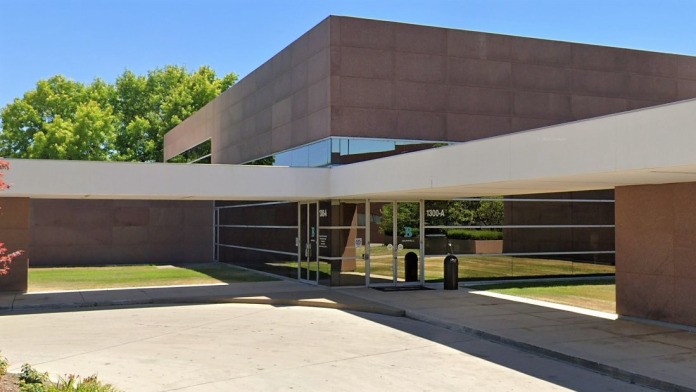
Burrell Behavioral Health operates an outpatient addiction treatment center at its Main Campus on Bradford Parkway in Springfield, Missouri and serves youth ages 9 to 17 and adults across southwest Missouri.
The program provides outpatient and intensive outpatient care, counseling and group therapy, medication assisted treatment and integrated treatment.
Its medication first approach to opioid use disorder and its role as a designated community mental health center for a seven county service area set this center apart.
Medication First Program
Burrell’s adult office based opioid treatment uses a medication first model which means it starts Suboxone medication assisted treatment and pairs it with psychosocial treatment as well as peer support and case management rather than treating medication as a stand alone step.
This CARF accredited program is built to reduce the delay between someone deciding to seek help and actually receiving medication.
For adults in Springfield weighing opioid treatment options, this matters because it lowers common barriers to starting care.
Placement is guided by ASAM Criteria so a client may begin at outpatient and move to intensive outpatient or partial hospitalization as needs change, all coordinated through one Burrell provider.
Community Mental Health Center
Burrell serves as the community behavioral health provider for Christian, Dallas and Greene, Polk and Stone, Taney and Webster counties, which shapes the resources available beyond the Main Campus.
Withdrawal management is offered at a separate Springfield Park Clinic location, and a 24/7 crisis line and walk in Behavioral Crisis Center round out the network.
Reviewers praise specific therapists and the convenience of “multiple services in one location,” while others cite scheduling, phone communication and follow up delays.
Burrell accepts Medicaid, Medicare and numerous commercial Missouri plans, and offers self pay and eligibility based financial assistance.
Facility Overview
 8
8 Number of Available Beds
Latest Reviews
I'm glad I didn't let the bad reviews keep me from getting help with the Burrell Connection Center. Went in at 1pm and was through the initial process of checking insurance, getting basic information about the visit and scheduling with an evaluator within the hour. Everyone was very nice and made the process very easy. Already did an at home telehealth visit with the evaluator by 3 and then got a call from a scheduler before 5. I'm very impressed. Thanks Laura Adam's and everyone else for making this process easy for us 🙏
Response from the owner6 days ago
Wow Becca, we are delighted to receive such high praise! Thank you so much.
Genuine, respectful, kind, and professional people. They care about individuals in the community and really do help make Springfield a better place.
Response from the owner6 days ago
Wow Kenton Coonts, we are delighted to receive a 5-star rating! Thank you so much.
Only for the fact the switchboard operator tabby is the only person who has gone above and beyond for me . Otherwise getting answers , asking for a transfer of psych dr it was sent to the wrong department and all anyone wanted to do was not answer or call back I went from 60mg of Prozac to nothing for 3 weeks because of a mistake in their end. But I was referred to crisis because I was crying for any one to understand

Rehab Score
 Our Methodology
Scoring is assigned by a proprietary system which helps surface key metrics that determine quality. The 10-point scale factors in categories such as operations, customer satisfaction, and trust metrics. Read Full Methodology

7 / 10
Gallery
Accepted Insurance

Home State Health Plan
CoxHealth
Other Forms of Payment
Private insurance refers to any kind of healthcare coverage that isn't from the state or federal government. This includes individual and family plans offered by an employer or purchased from the Insurance Marketplace. Every plan will have different requirements and out of pocket costs so be sure to get the full details before you start treatment.
Medicaid is a state based program that helps lower-income individuals and families pay for healthcare. Medicaid covers addiction treatment so those enrolled can use their coverage to pay for rehab. When a program accepts Medicaid the client often pays very little or nothing out of their own pocket.
Medicare is a federal program that provides health insurance for those 65 and older. It also serves people under 65 with chronic and disabling health challenges. To use Medicare for addiction treatment you need to find a program that accepts Medicare and is in network with your plan. Out of pocket costs and preauthorization requirements vary, so always check with your provider.
Military members, veterans, and eligible dependents have access to specific insurance programs that help them get the care they need. TRICARE and VA insurance can help you access low cost or no cost addiction and mental health treatment. Programs that accept military insurance often have targeted treatment focused on the unique challenges military members, veterans, and their families face.
Private insurance refers to any kind of healthcare coverage that isn't from the state or federal government. This includes individual and family plans offered by an employer or purchased from the Insurance Marketplace. Every plan will have different requirements and out of pocket costs so be sure to get the full details before you start treatment.
Self-pay involves paying for treatment out of your own pocket. You can use savings or credit, get a personal loan, or receive help from family and friends to fund your treatment. If you don't have insurance or your insurance plan doesn't cover a specific program, self-pay can help ensure you still get the care you need.
Financial aid can take many forms. Centers may have grants or scholarships available to clients who meet eligibility requirements. Programs that receive SAMHSA grants may have financial aid available for those who need treatment as well. Grants and scholarships can help you pai for treatment without having to repay.
Addiction Treatments
Levels of Care
Outpatient Programs (OP) are for those seeking mental rehab or drug rehab, but who also stay at home every night. The main difference between outpatient treatment (OP) and intensive outpatient treatment (IOP) lies in the amount of hours the patient spends at the facility. Most of the time an outpatient program is designed for someone who has completed an inpatient stay and is looking to continue their growth in recovery. Outpatient is not meant to be the starting point, it is commonly referred to as aftercare.
Burrell has two residential treatment programs for children and adolescents. Both provide much more than conventional treatment, they immerse young people in ground-breaking activity based therapies offered in a natural home and school setting. By coordinating unique therapeutic programs and the normalcy of a home and school environment, they are able to help young people develop trust, build self-esteem and become receptive to the intensive psychiatric treatment they receive. Burrell’s Bramblewood Facility serves children 8 to 13 years old and their Milano Facility services youth 13 to 18 years of age. These are youth who have serious emotional and psychological illnesses. The average length of stay is generally three to nine months.
Due to the potential for severe withdrawal symptoms, it is important to detox in a facility with 24-hour clinical care in Missouri. Most people experience some form of withdrawal symptoms, and this setting offers medical professionals who are on site 24/7 to provide any necessary treatment. This supervision makes the detox process safer and less painful and improves the likelihood of a successful recovery.
Treatments
The goal of treatment for alcoholism is abstinence. Those with poor social support, poor motivation, or psychiatric disorders tend to relapse within a few years of treatment. For these people, success is measured by longer periods of abstinence, reduced use of alcohol, better health, and improved social functioning. Recovery and Maintenance are usually based on 12 step programs and AA meetings.
Drug rehab in Missouri usually involves several phases: detox, rehab, and aftercare. The rehab phase may include a combination of inpatient and outpatient treatments, as the individual moves through a continuum of care on their recovery journey.
A combined mental health and substance abuse rehab has the staff and resources available to handle individuals with both mental health and substance abuse issues. It can be challenging to determine where a specific symptom stems from (a mental health issue or an issue related to substance abuse), so mental health and substance abuse professionals are helpful in detangling symptoms and keeping treatment on track.
Opioid rehabs specialize in supporting those recovering from opioid addiction. They treat those suffering from addiction to illegal opioids like heroin, as well as prescription drugs like oxycodone. These centers typically combine both physical as well as mental and emotional support to help stop addiction. Physical support often includes medical detox and subsequent medical support (including medication), and mental support includes in-depth therapy to address the underlying causes of addiction.
Substance abuse treatment programs in Missouri help individuals struggling with substance abuse and co-occurring mental health disorders. These programs utilize evidence-based therapies like cognitive-behavioral therapy (CBT), dialectical behavior therapy (DBT), and mindfulness-based interventions. With a range of treatment options available, including outpatient, inpatient, and residential programs, you can find the right program to meet your unique needs and improve your quality of life.
Programs
Adult rehab programs include therapies tailored to each client's specific needs, goals, and recovery progress. They are tailored to the specific challenges adult clients may face, including family and work pressures and commitments. From inpatient and residential treatment to various levels of outpatient services, there are many options available. Some facilities also help adults work through co-occurring conditions, like anxiety, that can accompany addiction.
Young adulthood can be an exciting, yet difficult, time of transition. Individuals in their late teens to mid-20s face unique stressors related to school, jobs, families, and social circles, which can lead to a rise in substance use. Rehab centers with dedicated young adult programs will include activities and amenities that cater to this age group, with an emphasis on specialized counseling, peer socialization, and ongoing aftercare.
HIV/AIDS programs support disease prevention and management in high-risk individuals in recovery. Individuals who engage in intravenous drug use and other addictive behaviors are at a higher risk of becoming infected with HIV. Rehab centers that specialize in treating this population typically have a high number of nurses, physicians, and psychiatrists on staff who can make sure both their medical and mental health needs are met.
Clinical Services
Cognitive Behavioral Therapy (CBT) is a therapy modality that focuses on the relationship between one's thoughts, feelings, and behaviors. It is used to establish and allow for healthy responses to thoughts and feelings (instead of unhealthy responses, like using drugs or alcohol). CBT has been proven effective for recovering addicts of all kinds, and is used to strengthen a patient's own self-awareness and ability to self-regulate. CBT allows individuals to monitor their own emotional state, become more adept at communicating with others, and manage stress without needing to engage in substance abuse.
Creativity is inherently healing, and can help those in recovery express thoughts or feelings they might not otherwise be able to. Creative arts therapy can include music, poetry/writing, painting, sculpting, dance, theater, sandplay, and more. Unlike traditional art, the final product matters far less than the experience of creation and expression itself.
Dialectical Behavior Therapy (DBT) is a modified form of Cognitive Behavioral Therapy (CBT), a treatment designed to help people understand and ultimately affect the relationship between their thoughts, feelings, and behaviors. DBT is often used for individuals who struggle with self-harm behaviors, such as self-mutilation (cutting) and suicidal thoughts, urges, or attempts. It has been proven clinically effective for those who struggle with out-of-control emotions and mental health illnesses like Borderline Personality Disorder.
Eating disorders include anorexia, bulimia, binge eating, and dysfunctional eating patterns. Many psychologists and other mental health professionals consider eating disorders to be food addictions, meaning food is being used in an addictive way (similar to drug or alcohol addiction). Certain substance abuse treatment programs will have treatment for eating disorders as one of the services offered. An eating disorder may also present as a co-occuring disorder or dual diagnosis alongside drug and alcohol addiction.
EMDR is a therapeutic modality originally developed to help process trauma. In an EMDR session, a patient is prompted to undergo eye movements that mimic those of REM sleep. This is accomplished by watching a therapist's finger move back and forth across, or following a bar of light. The goal is repetitive sets of eye movements that help the brain reprocess memory, which can significantly reduce the intensity of remembered traumatic incidents. Associated memories can heal simultaneously, leaving patients significantly calmer, more stable, and more emotionally relaxed.
Research clearly demonstrates that recovery is far more successful and sustainable when loved ones like family members participate in rehab and substance abuse treatment. Genetic factors may be at play when it comes to drug and alcohol addiction, as well as mental health issues. Family dynamics often play a critical role in addiction triggers, and if properly educated, family members can be a strong source of support when it comes to rehabilitation.
Group therapy is any therapeutic work that happens in a group (not one-on-one). There are a number of different group therapy modalities, including support groups, experiential therapy, psycho-education, and more. Group therapy involves treatment as well as processing interaction between group members.
In individual therapy, a patient meets one-on-one with a trained psychologist or counselor. Therapy is a pivotal part of effective substance abuse treatment, as it often covers root causes of addiction, including challenges faced by the patient in their social, family, and work/school life.
Life skills trainings involve all the skills a person must have in order to function successfully in the world. These include time management, career guidance, money management, and effective communication. Truly successful addiction recovery is based on the ability to not only live substance-free, but to thrive. Life skills teaches the practical necessities of functioning in society, which sets clients up for success in life, and therefore sobriety.
 Transcranial Magnetic Stimulation
Amenities
-
 Gym
Gym -
 Recreation Room
 -
 Private Rooms
 -
 Walking Trails
Staff & Accreditations
Staff

C.J. Davis
CEO
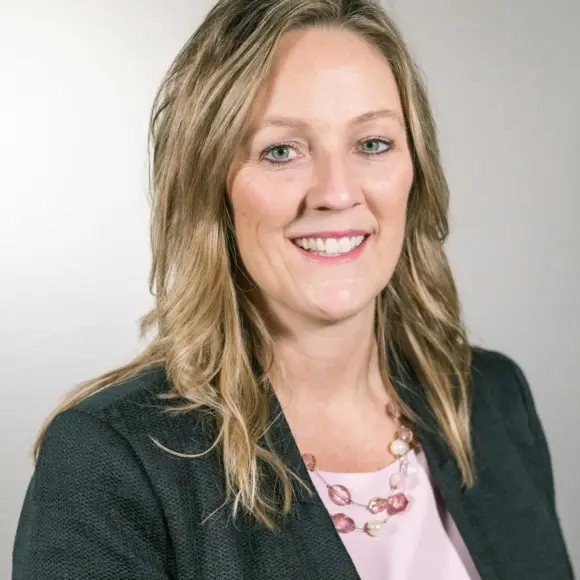
Jennifer Gagnon
CFO
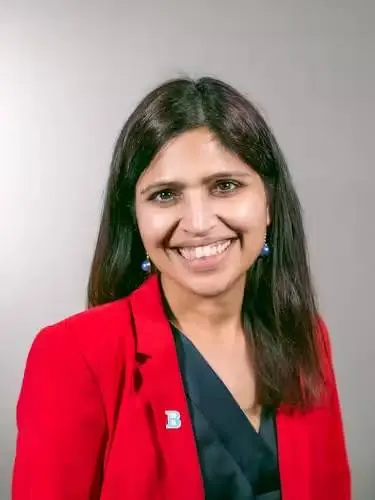
Dr. Garima Singh
Chief Medical Officer
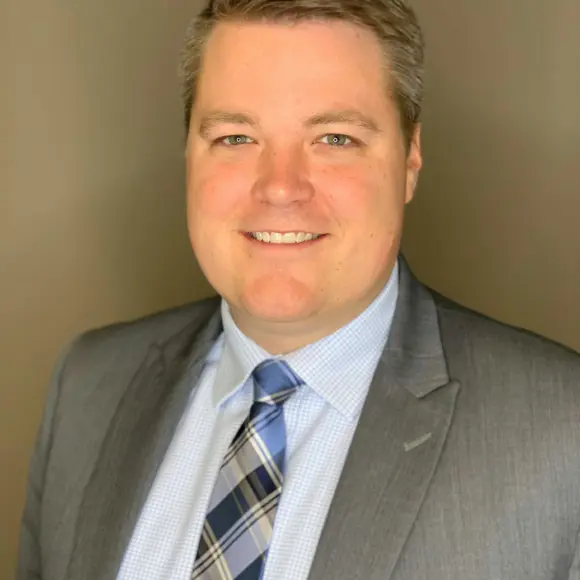
Tom Weber
Chief Administrative Officer
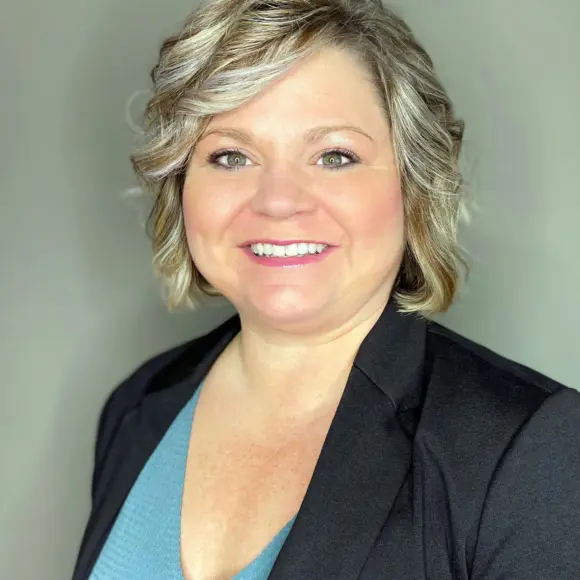
Stacey Hudson
Chief Human Resources Officer
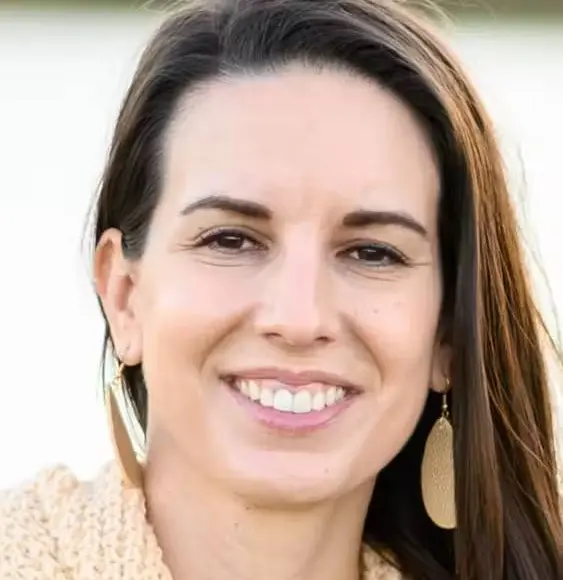
Dee King
Chief of Staff
Accreditations

The Commission on Accreditation of Rehabilitation Facilities (CARF) is a non-profit organization that specifically accredits rehab organizations. Founded in 1966, CARF's, mission is to help service providers like rehab facilities maintain high standards of care.
CARF Accreditation: Yes

The Joint Commission, formerly known as JCAHO, is a nonprofit organization that accredits rehab organizations and programs. Founded in 1951, the Joint Commision's mission is to improve the quality of patient care and demonstrating the quality of patient care.
Joint Commission Accreditation: Yes

The Substance Abuse and Mental Health Services Administration (SAMHSA) is a branch of the U.S. Department of Health and Human Services. Established in 1992 by congress, SAMHSA's mission is to reduce the impact of substance abuse and mental illness on American's communities.
SAMHSA Listed: Yes

State Licenses are permits issued by government agencies that allow rehab organizations to conduct business legally within a certain geographical area. Typically, the kind of program a rehab facility offers, along with its physical location, determines which licenses are required to operate legally.
State License: Missouri
Rehab.com regularly reviews this listing for accuracy but changes may occur between updates. For the most up-to-date information, please contact Burrell Behavioral Health.
Contact Information

1300 Bradford Parkway
Springfield, MO 65804
Get Help Now - 417-289-8814
Sponsored Helpline
Sponsored Helpline


