Each program offers various services to help you reach sobriety. You can participate in therapy, skill building, family sessions, peer support groups, and educational programs. Along with proven interventions, they have holistic treatments. You can find inner healing with yoga, meditation, wellness education, and recreational activities.
Their specialized programs make this program stand out to me. Their tailored programs are for Veterans, active duty military, first responders, high risk frontline professionals, and their families. You’ll dive deep into the unique challenges these populations experience. Medication management and PTSD treatment are available.
They also have a faith based track. This program incorporates Christian counseling into each level of care. Faith can be an essential part of recovery for many. Incorporating a religious viewpoint can help you feel motivated and find meaning in treatment. You’ll still have access to expert backed approaches, like solution focused, cognitive behavioral, and rational emotive behavior therapy. Additionally, you’ll have the chance to connect with peers in recovery, share your story, and encourage each other throughout your journeys.
Absolutely wonderful. All of the staff genuinely care about you, and take extra time just to help you. They give you a lot of kindness, I’ve only ever seen them treat people with dignity and respect. They deserve a WAY higher rating than they have, I think people just don’t like being at a place like this. I have nothing but good things to say!
Response from the owner1 week ago
Hi Jackson, we appreciate you sharing your positive experience with us. -- Ashley
I have been to this facility multiple times while in the midst of going through mental/life challenges and trauma and I really appreciate the effort put into my care by a majority of the staff. Although everything wasn’t perfect(there are some troublesome techs with authority/ communication issues on the night shift in particular) the overall experience was very enjoyable and enlightening as I made memorable connections with a majority of the staff whom try their hardest to care for patients in serious need of guidance and healing. Would highly recommend!
Response from the owner1 week ago
Thank you for sharing your experience with me. I take your concerns seriously. I've passed along your review for investigation, and our team would like the opportunity to discuss your concerns directly. For your privacy, please reach out to 972-428-0286 between the hours of 8 a.m. and 5 p.m., Monday through Friday. Thank you, Ashley
Scoring is assigned by a proprietary system which helps surface key metrics that determine quality. The 10-point scale factors in categories such as operations, customer satisfaction, and trust metrics. Read Full Methodology
7.4 / 10
Gallery
Accepted Insurance
Please contact to verify your specific insurance provider.
Carrollton Springs works with several private insurance providers, please contact to verify your specific insurance provider.
Self-pay involves paying for treatment out of your own pocket. You can use savings or credit, get a personal loan, or receive help from family and friends to fund your treatment. If you don't have insurance or your insurance plan doesn't cover a specific program, self-pay can help ensure you still get the care you need.
Private insurance refers to any kind of healthcare coverage that isn't from the state or federal government. This includes individual and family plans offered by an employer or purchased from the Insurance Marketplace. Every plan will have different requirements and out of pocket costs so be sure to get the full details before you start treatment.
Medicaid is a state based program that helps lower-income individuals and families pay for healthcare. Medicaid covers addiction treatment so those enrolled can use their coverage to pay for rehab. When a program accepts Medicaid the client often pays very little or nothing out of their own pocket.
Medicare is a federal program that provides health insurance for those 65 and older. It also serves people under 65 with chronic and disabling health challenges. To use Medicare for addiction treatment you need to find a program that accepts Medicare and is in network with your plan. Out of pocket costs and preauthorization requirements vary, so always check with your provider.
Private insurance refers to any kind of healthcare coverage that isn't from the state or federal government. This includes individual and family plans offered by an employer or purchased from the Insurance Marketplace. Every plan will have different requirements and out of pocket costs so be sure to get the full details before you start treatment.
Addiction Treatments
Levels of Care
At certain points in the recovery process, it's important to have support available 24/7. 24-hour clinical care offers a safe environment in which to recover from drug or alcohol addiction in peace, knowing medical detox and other treatment will happen with professionals on hand.
IOP seeks to maintain treatment benefits in a structured manner. Continuity of care is observed with an emphasis on continued reintegration into community functioning. Patients typically spend 15 hours per week in various therapy and educational groups. IOP provides a step-down approach from the PHP program and serves as a bridge to more traditional, less intensive outpatient care.
In the Inpatient Program, patients receive detailed clinical and medical assessments, psychiatric stabilization, and rehabilitation care. This program offers the advantages of a controlled, structured environment with 24-hour nursing care and intensive treatment not available on an outpatient basis. It may include up to 10 hours per day of programming. During treatment, each patient connects with a treatment team, including a physician, nurse, primary therapist and recreational therapist.
Carrollton Springs also offers a weekly support group for alumni of their Inpatient, Partial Hospitalization, and Intensive Outpatient Programs. The group meets once a week for one hour. The purpose of the alumni group is to provide a forum for alumni to meet together and provide ongoing support to each other.
Drug and alcohol addiction often takes a heavy toll on one's body. Over time, a physical dependence can develop, meaning the body physiologically needs the substance to function. Detox is the process of removing drugs and/or alcohol from the body, a process that can be lethal if mismanaged. Medical detox is done by licensed medical professionals who monitor vital signs and keep you safe, healthy, and as comfortable as possible as you go through detox and withdrawal.
Commonly known as "day treatment," a partial hospitalization program (PHP) offers intensive addiction treatment while allowing you to return home each day. It can serve as an alternative to inpatient hospitalization or as a step-down option. Depending on your needs, PHP treatment typically averages 90 days with a weekly requirement of 6-8 hours a day. PHP treatment offers a variety of therapeutic interventions such as individual counseling, group therapy, and psychoeducation. Oftentimes PHP treatment can be fully covered by insurance.
After completing some form of inpatient care, many clients transition or step down to an outpatient rehab, while some choose to transition from detox directly into outpatient care. High-intensity outpatient programming, including partial hospitalization (PHP) and intensive outpatient (IOP) is widely available for clients in early recovery, those leaving detox, and those at an elevated relapse risk. Clients in outpatient care generally engage in robust addiction counseling and recovery education, and some also receive medication assisted treatment (MAT).
Treatments
The goal of treatment for alcoholism is abstinence. Those with poor social support, poor motivation, or psychiatric disorders tend to relapse within a few years of treatment. For these people, success is measured by longer periods of abstinence, reduced use of alcohol, better health, and improved social functioning. Recovery and Maintenance are usually based on 12 step programs and AA meetings.
During rehab in Texas, you'll deal with underlying issues that contribute to addiction. By addressing these challenges and learning healthy ways to cope with them, you'll develop strategies that help you live a drug-free lifestyle.
Many of those suffering from addiction also suffer from mental or emotional illnesses like schizophrenia, bipolar disorder, depression, or anxiety disorders. Rehab and other substance abuse facilities treating those with a dual diagnosis or co-occurring disorder administer psychiatric treatment to address the person's mental health issue in addition to drug and alcohol rehabilitation.
A combined mental health and substance abuse rehab has the staff and resources available to handle individuals with both mental health and substance abuse issues. It can be challenging to determine where a specific symptom stems from (a mental health issue or an issue related to substance abuse), so mental health and substance abuse professionals are helpful in detangling symptoms and keeping treatment on track.
Opioid rehabs specialize in supporting those recovering from opioid addiction. They treat those suffering from addiction to illegal opioids like heroin, as well as prescription drugs like oxycodone. These centers typically combine both physical as well as mental and emotional support to help stop addiction. Physical support often includes medical detox and subsequent medical support (including medication), and mental support includes in-depth therapy to address the underlying causes of addiction.
Substance abuse treatment is available in Texas for anyone who's struggling with drug or alcohol addiction. These programs usually provide a comprehensive assessment and individualized treatment plan, and include evidence-based treatments, like therapies such as cognitive-behavioral therapy (CBT) to reframe unhelpful coping strategies, and dialectical behavior therapy (DBT) to help with emotional regulation and stress.
With a co-occurring drug or alcohol addiction and a mental health disorder, you'll want to seek out a dual diagnosis treatment center. These specialized rehabs offer services to address both conditions at the same time, including 24/7 access to medical and mental health professionals. By treating both disorders at the same time, it drastically increases your chances of successful long-term recovery.
Programs
Adult rehab programs include therapies tailored to each client's specific needs, goals, and recovery progress. They are tailored to the specific challenges adult clients may face, including family and work pressures and commitments. From inpatient and residential treatment to various levels of outpatient services, there are many options available. Some facilities also help adults work through co-occurring conditions, like anxiety, that can accompany addiction.
The providers who specialize in the children's rehab space understand the specialized needs that this population faces. School-based and social services such as tutoring and family counseling are often central to treatment. Child programs may also address the needs of youth experiencing substance abuse in the home, including a parent's or sibling's addiction.
Serving in the military is both mentally and physically challenging, and can result in trauma that persists even after combat ends. Military programs are tailored to the specific and often complex needs of active duty personnel, veterans, and military families. Clients often access these programs through the U.S. Department of Veterans Affairs (VA).
Clinical Services
Animal therapy (aka pet therapy or animal-assisted therapy) can be very healing, as it allows patients to bond with animals, who give unconditional love. This is particularly useful for those who suffered trauma by the hands of people, who may be able to trust and form closer attachments to animals than humans at certain stages of rehabilitation.
Cognitive Behavioral Therapy (CBT) is a therapy modality that focuses on the relationship between one's thoughts, feelings, and behaviors. It is used to establish and allow for healthy responses to thoughts and feelings (instead of unhealthy responses, like using drugs or alcohol). CBT has been proven effective for recovering addicts of all kinds, and is used to strengthen a patient's own self-awareness and ability to self-regulate. CBT allows individuals to monitor their own emotional state, become more adept at communicating with others, and manage stress without needing to engage in substance abuse.
Creativity is inherently healing, and can help those in recovery express thoughts or feelings they might not otherwise be able to. Creative arts therapy can include music, poetry/writing, painting, sculpting, dance, theater, sandplay, and more. Unlike traditional art, the final product matters far less than the experience of creation and expression itself.
Experiential therapy is a form of therapy in which clients are encouraged to surface and work through subconscious issues by engaging in real-time experiences. Experiential therapy departs from traditional talk therapy by involving the body, and having clients engage in activities, movements, and physical and emotional expression. This can involve role-play or using props (which can include other people). Experiential therapy can help people process trauma, memories, and emotion quickly, deeply, and in a lasting fashion, leading to substantial and impactful healing.
Families have the opportunity to participate in education and support groups to increase their understanding of addiction and mental illness. This process helps them learn about themselves and their roles and responsibilities in the recovery process. With this important information in hand, the family has a greater opportunity to reunite and start interacting in a more helpful and healthy manner.
Group therapy is any therapeutic work that happens in a group (not one-on-one). There are a number of different group therapy modalities, including support groups, experiential therapy, psycho-education, and more. Group therapy involves treatment as well as processing interaction between group members.
In individual therapy, a patient meets one-on-one with a trained psychologist or counselor. Therapy is a pivotal part of effective substance abuse treatment, as it often covers root causes of addiction, including challenges faced by the patient in their social, family, and work/school life.
The Dietary program at Carrollton Springs is carefully planned to provide food that meets the recommended dietary requirements. Well-balanced meals are served in a cafeteria style setting. A Registered Dietitian will provide consultation as needed in planning regular and special diets. Snacks and drinks are available on the unit.
Addiction recovery treatment in Texas will offer recreational therapy in a holistic approach to treatment. Therapy incorporates enjoyable activities that support your physical and mental health, such as team sports, creative arts, or individual sports. This activity gives you an emotional outlet, reduces your stress, and improves your mood, each of which promotes long term sobriety.
Amenities
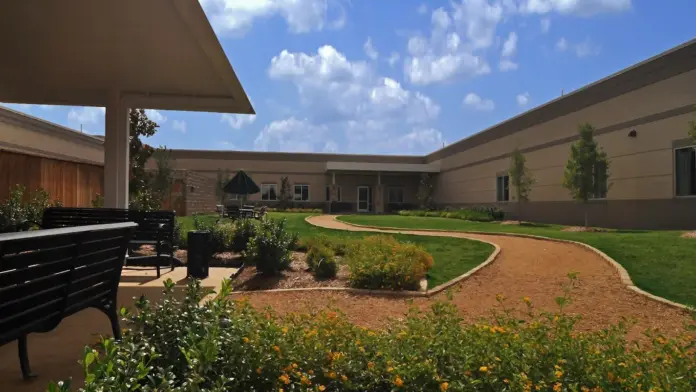
Private Setting
Private Rooms
Gym
Recreation Room
Meditation Room
Yoga Studio
Staff & Accreditations
Staff
Virginia Wolber
CFO
Robert Dickens
COO
Ajay Pathak
Director of Internal Medicine
Mehvesh Afrina
Child And Adolescent Psychiatrist
Accreditations
The Joint Commission, formerly known as JCAHO, is a nonprofit organization that accredits rehab organizations and programs. Founded in 1951, the Joint Commision's mission is to improve the quality of patient care and demonstrating the quality of patient care.
Joint Commission Accreditation: Yes
Rehab.com regularly reviews this listing for accuracy but changes may occur between updates. For the most up-to-date information, please contact Carrollton Springs.
My experience at Carrollton Springs is mixed. The clinician for the PHP program was exceptional (Daniel), however, once they get what they want from you (i.e. money from you as well as from your insurance provider), they no longer are helpful and responsive. I have left mult ...
Read More
I’ve been to over 20 different inpatient stays, and Carrollton springs is by far my favorite Inpatient program. Great staff, great food, great experience. 10/10. They’re more than happy to help in active crisis. Special shout out to Dr. B, who saw my symptoms, quickly and accurately assessed me and got my meds regulated. I feel soooo much better, I feel and act like myself again. I really appreciate it and so do my loved ones. Happy to be back functioning again! ☺️
Mark Beshai
5 days ago
5
Partial Hospitalization program was very lovely and informative and important for my growth mentally. Very lovely and kind and patient staff. They support you as long as you communicate and even catch when you don’t clearly communicate with words. They are quick, efficient and not just for the money. 10/10 totally recommend this for treatment mentally.
Wendy Finch
1 week ago
1
Stay as far away from this place. They have done nothing they we asked for in help with detox and t therapy .They wont answer a call or return one .Very upset mother.BEWARE.
Response from the owner
We appreciate you sharing your experience. We are sorry to hear the concerns mentioned and understand the importance of feeling informed and supported throughout the care journey. We encourage you to contact our Patient Advocate at 972-428-0286 so we can follow up directly.
Angelia Jones Laçy
1 week ago
5
The after care was excellent. I felt safe and comfortable. The food was amazing and the program was very structured. The providers give excellent care.
Response from the owner
Hi Angelia, thank you for your kind words. We appreciate your sharing your positive feedback with us. -- Ashley
Mariah Bourne received her Master of Arts in Community Social Psychology from the University of Massachusetts Lowell. She later served as a Research Associate in many studies focused on education, addiction, and treatment, including one examining the efficacy of an LED treatment device in reducing opioid cravings. Currently, she works as a freelance writer and is dedicated to providing helpful information to those seeking recovery from substance abuse.
By calling the helpline you agree to the terms of use. We do not receive any commission or fee that is dependent upon which treatment provider a caller chooses. There is no obligation to enter treatment.
Calls to numbers on a specific treatment center listing will be routed to that treatment center. Calls to any general helpline could be forwarded to SAMHSA or a verified treatment provider.
If you wish to connect with non-sponsor centers, you can browse top-rated listings, visit our homepage and browse by state, or visit SAMHSA.

 Sponsored Helpline





























































































 78
78 





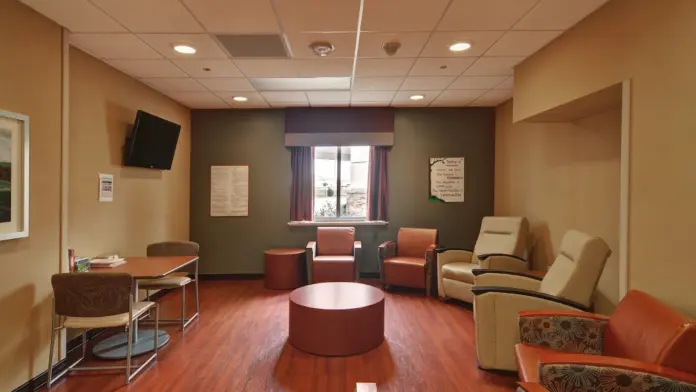
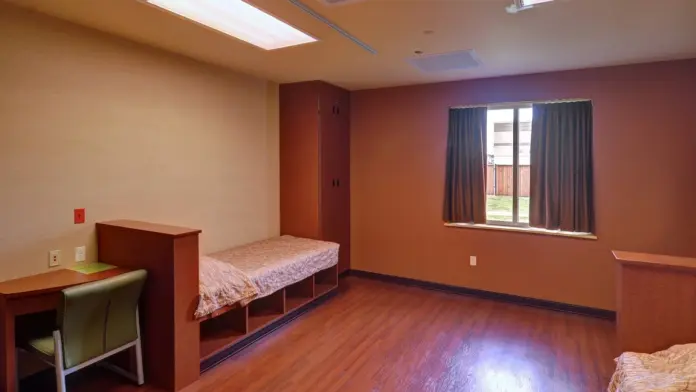

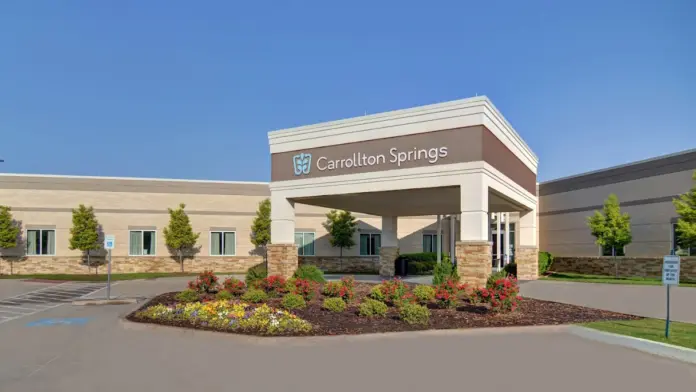
 Private Setting
  Private Rooms
  Gym
Gym  Recreation Room
  Meditation Room
  Yoga Studio