Get Help Now
Question iconSponsored Helpline
Phone icon 800-784-1361
Claim Profile

Cheyenne Center

10525 Eastex Freeway
Houston, TX 77093
Claim Profile
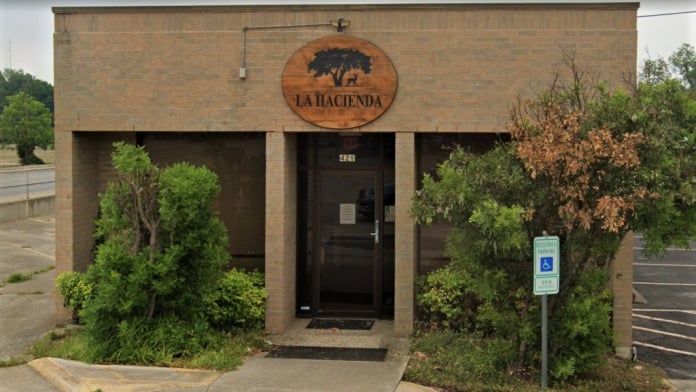
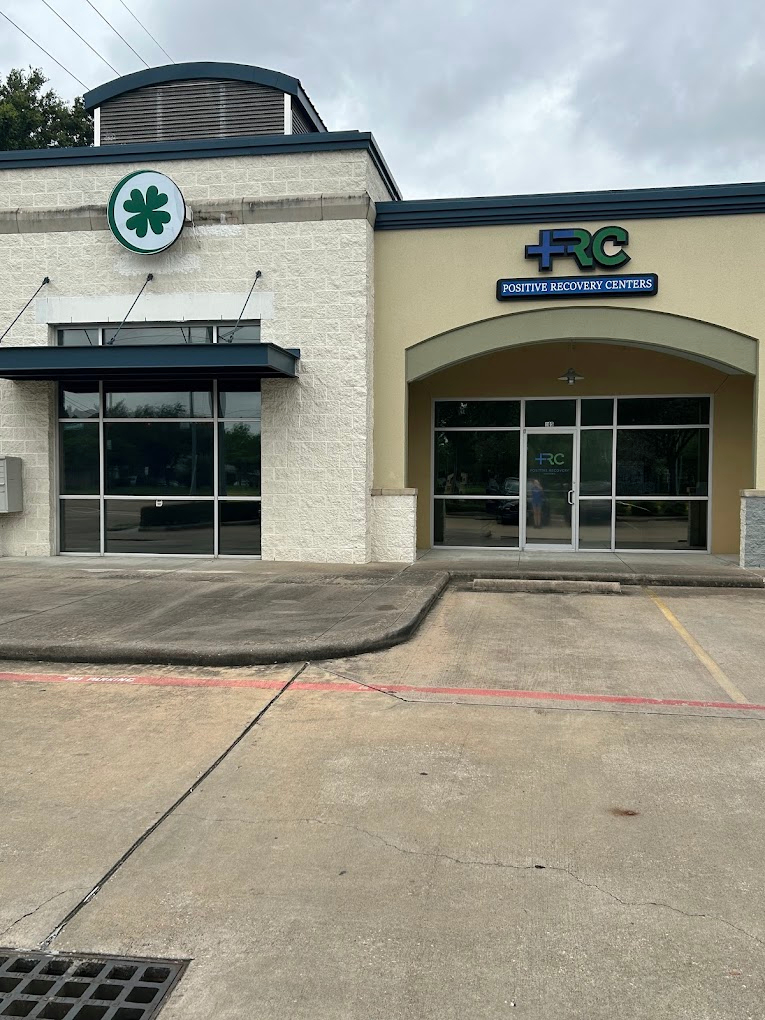
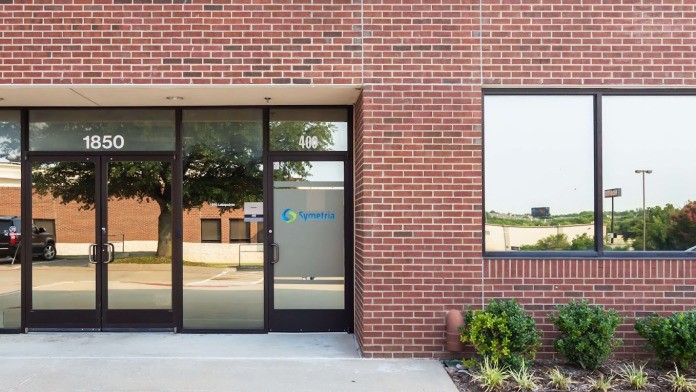
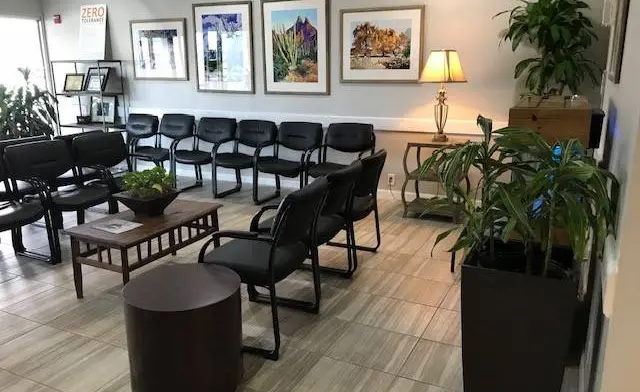
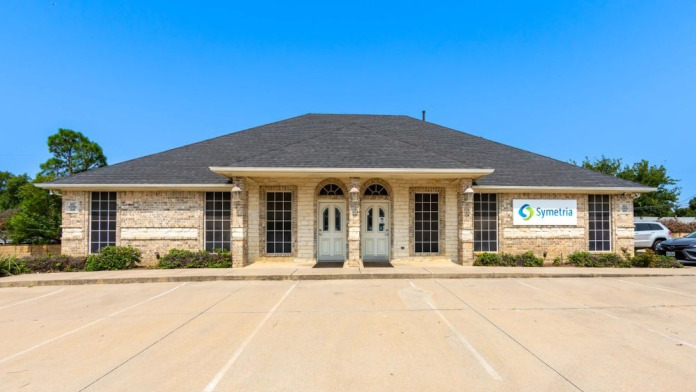
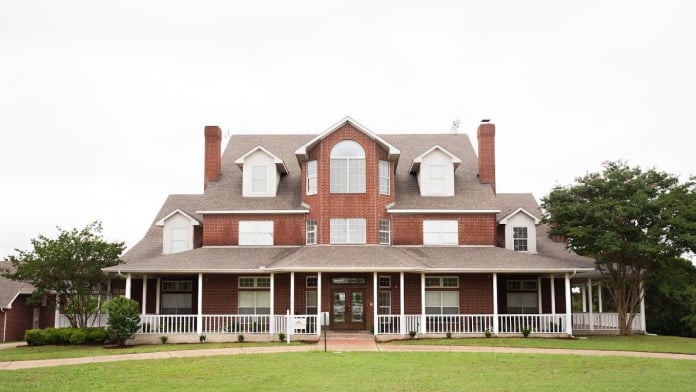
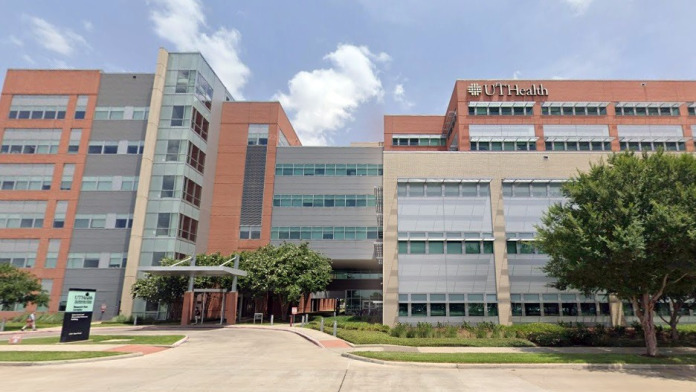
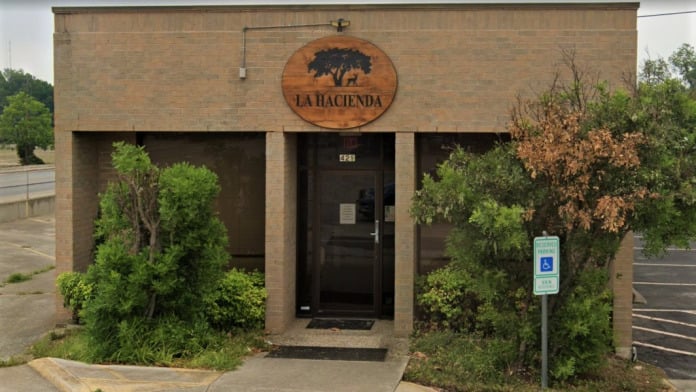
The facilities at Cheyenne Center in Houston, TX 1

About Cheyenne Center

Cheyenne Center offers residential treatment for men and co-ed outpatient treatment services.

The Residential Program at Cheyenne Center is for males who need a high level of support and structure to get sober. This program generally lasts for 30 days and promotes physical, emotional, and spiritual recovery. Individual therapy, group therapy, and family therapy are included. Medications can be administered if needed. Good nutrition and exercise are encouraged.

Cheyenne Center offers sentencing alternatives for individuals facing incarceration for drug and alcohol offenses through their partnership with the Texas Department of Criminal Justice. This program is generally for 90 days and involves staff communicating with judges, attorneys, and probation and parole officers throughout treatment.

The Outpatient Program at Cheyenne Center is for those who are capable of returning home in the evening while receiving treatment. This program offers psychoeducational groups, process groups, family groups, individual counseling sessions, HIV education and testing, tobacco awareness classes, domestic violence education, and family education on drugs, alcohol, and the recovery process. The outpatient program is generally for six to nine months.

Individual therapy creates the space to explore the psychological challenges associated with addiction. With the help of a professional, individuals are given the space and direction to talk about and process their emotions. Often this includes unresolved trauma, anger, depression, anxiety, and the need for more control or autonomy in life.

Group therapy involves treatment through the process of connecting in a group setting to discuss and work through mental, emotional, and physical issues. There are a number of different group therapy modalities, including support groups, experiential therapy, psychoeducation, and more.

Similar Rehab Centers

Fact checked and written by:
Terri Beth Miller, PhD
Edited by:
Quentin Blount

Facility Overview

Bed icon 120
Number of Available Beds
Calendar icon 61 - 90
Avg Length of Stay in Days

Latest Reviews

Steve G
4 weeks ago on Google
1
The lady ms.edwards was extremely rude I was just trying to give her the emergency contact information for my brother at the Cheyenne center. Why be so rude I am not a patient and you are working please get it together. How do you report there behavior
Jhaliya Bermudez
1 month ago on Google
1
I've been trying to get ahold of my son to find out if he's good and there or not and I can't get nowhere they won't let me know anything about him so I think I'm going to have to take it to the authorities next
Kelly Russ
1 month ago on Google
1
I never got my prime stuff that my mother scraped by so I could have deodorant and laundry oodds I also never got an envelope with 25 dollars in it
Rehab.com icon

Rehab Score

Question iconOur Methodology
Scoring is assigned by a proprietary system which helps surface key metrics that determine quality. The 10-point scale factors in categories such as operations, customer satisfaction, and trust metrics. Read Full MethodologyCaret icon
Gauge icon
6.2 / 10

Other Forms of Payment

Medicaid is a state based program that helps lower-income individuals and families pay for healthcare. Medicaid covers addiction treatment so those enrolled can use their coverage to pay for rehab. When a program accepts Medicaid the client often pays very little or nothing out of their own pocket.

Self-pay involves paying for treatment out of your own pocket. You can use savings or credit, get a personal loan, or receive help from family and friends to fund your treatment. If you don't have insurance or your insurance plan doesn't cover a specific program, self-pay can help ensure you still get the care you need.

Sliding scale payments are based on a client's income and family size. The goal is to make treatment affordable to everyone. By taking these factors into account, addiction recovery care providers help ensure that your treatment does not become a financial burden to you or your family, eliminating one barrier to care.

Medicare is a federal program that provides health insurance for those 65 and older. It also serves people under 65 with chronic and disabling health challenges. To use Medicare for addiction treatment you need to find a program that accepts Medicare and is in network with your plan. Out of pocket costs and preauthorization requirements vary, so always check with your provider.

Financial aid can take many forms. Centers may have grants or scholarships available to clients who meet eligibility requirements. Programs that receive SAMHSA grants may have financial aid available for those who need treatment as well. Grants and scholarships can help you pai for treatment without having to repay.

Addiction Treatments

Levels of Care

Residential treatment programs are those that offer housing and meals in addition to substance abuse treatment. Rehab facilities that offer residential treatment allow patients to focus solely on recovery, in an environment totally separate from their lives. Some rehab centers specialize in short-term residential treatment (a few days to a week or two), while others solely provide treatment on a long-term basis (several weeks to months). Some offer both, and tailor treatment to the patient's individual requirements.

Sober Living Houses (SLHs), aka sober homes or halfway houses, are safe, substance-free, supportive living facilities for those recovering from substance abuse. Ideal for those who've just been through inpatient or outpatient treatment, SLHs are supervised environments with rules that support sobriety, such as curfews, shared chores, and therapeutic meetings. Residents are also often trained on life skills and coping skills to make it easier to transition into society. SLHs also provide a strong sense of community that can lead to the kind of deep and lasting connections with other sober individuals that supports a new, healthy lifestyle.

12-step programs are addiction recovery models based on Alcoholics Anonymous (AA). A number of substance abuse programs (including some drug and alcohol rehab centers) use the 12 steps as a basis for treatment. Beginning steps involve admitting powerlessness over the addiction and creating a spiritual basis for recovery. Middle steps including making direct amends to those who've been hurt by the addiction, and the final step is to assist others in addiction recovery in the same way. 12-Step offshoots including Narcotics Anonymous (NA), Cocaine Anonymous (CA), Dual Recovery Anonymous (DRA), Sex and Love Addicts Anonymous (SLAA) and Gamblers Anonymous (GA).

Completing a drug or alcohol rehab program shouldn't spell the end of substance abuse treatment. Aftercare involves making a sustainable plan for recovery, including ongoing support. This can include sober living arrangements like halfway houses, career counseling, and setting a patient up with community programs like Alcoholics Anonymous (AA) or Narcotics Anonymous (NA).

A drug intervention in Texas may be necessary if your loved one is in denial about a substance use disorder. You can partner with intervention services to plan and execute an effective intervention that educates your loved one about addiction and encourages them to get the treatment they need. Many rehab centers offer intervention specialists who can facilitate the intervention and help with a seamless transition to inpatient rehab for treatment.

Treatments

The goal of treatment for alcoholism is abstinence. Those with poor social support, poor motivation, or psychiatric disorders tend to relapse within a few years of treatment. For these people, success is measured by longer periods of abstinence, reduced use of alcohol, better health, and improved social functioning. Recovery and Maintenance are usually based on 12 step programs and AA meetings.

During rehab in Texas, you'll deal with underlying issues that contribute to addiction. By addressing these challenges and learning healthy ways to cope with them, you'll develop strategies that help you live a drug-free lifestyle.

Many of those suffering from addiction also suffer from mental or emotional illnesses like schizophrenia, bipolar disorder, depression, or anxiety disorders. Rehab and other substance abuse facilities treating those with a dual diagnosis or co-occurring disorder administer psychiatric treatment to address the person's mental health issue in addition to drug and alcohol rehabilitation.

Opioid rehabs specialize in supporting those recovering from opioid addiction. They treat those suffering from addiction to illegal opioids like heroin, as well as prescription drugs like oxycodone. These centers typically combine both physical as well as mental and emotional support to help stop addiction. Physical support often includes medical detox and subsequent medical support (including medication), and mental support includes in-depth therapy to address the underlying causes of addiction.

Substance rehabs focus on helping individuals recover from substance abuse, including alcohol and drug addiction (both illegal and prescription drugs). They often include the opportunity to engage in both individual as well as group therapy.

Programs

Adult rehab programs include therapies tailored to each client's specific needs, goals, and recovery progress. They are tailored to the specific challenges adult clients may face, including family and work pressures and commitments. From inpatient and residential treatment to various levels of outpatient services, there are many options available. Some facilities also help adults work through co-occurring conditions, like anxiety, that can accompany addiction.

Young adulthood can be an exciting, yet difficult, time of transition. Individuals in their late teens to mid-20s face unique stressors related to school, jobs, families, and social circles, which can lead to a rise in substance use. Rehab centers with dedicated young adult programs will include activities and amenities that cater to this age group, with an emphasis on specialized counseling, peer socialization, and ongoing aftercare.

Recovery is most successful when clients feel accepted and validated by their peers and treatment providers. Facilities that offer LGBTQ-inclusive programming are committed to creating a safe space where everyone can grow and recover without fear of judgment or discrimination. They will have dedicated policies in place to create a safe and supportive environment that fosters free expression.

Clinical Services

Cognitive Behavioral Therapy (CBT) is a therapy modality that focuses on the relationship between one's thoughts, feelings, and behaviors. It is used to establish and allow for healthy responses to thoughts and feelings (instead of unhealthy responses, like using drugs or alcohol). CBT has been proven effective for recovering addicts of all kinds, and is used to strengthen a patient's own self-awareness and ability to self-regulate. CBT allows individuals to monitor their own emotional state, become more adept at communicating with others, and manage stress without needing to engage in substance abuse.

Group therapy is any therapeutic work that happens in a group (not one-on-one). There are a number of different group therapy modalities, including support groups, experiential therapy, psycho-education, and more. Group therapy involves treatment as well as processing interaction between group members.

In individual therapy, a patient meets one-on-one with a trained psychologist or counselor. Therapy is a pivotal part of effective substance abuse treatment, as it often covers root causes of addiction, including challenges faced by the patient in their social, family, and work/school life.

Motivational Interviewing (MI) is a clinical approach to helping people with substance abuse issues and other conditions shift behavior in positive ways. It is more goal-oriented than traditional psychotherapy, as MI counselors directly attempt to get clients to consider making behavioral change (rather than wait for them to come to conclusions themselves). Its primary purpose is to resolve ambivalence and help clients become able to make healthy choices freely.

Trauma therapy addresses traumatic incidents from a client's past that are likely affecting their present-day experience. Trauma is often one of the primary triggers and potential causes of addiction, and can stem from child sexual abuse, domestic violence, having a parent with a mental illness, losing one or both parents at a young age, teenage or adult sexual assault, or any number of other factors. The purpose of trauma therapy is to allow a patient to process trauma and move through and past it, with the help of trained and compassionate mental health professionals.

Amenities

  • home-setting iconResidential Setting

Staff & Accreditations

Staff

Catherine Santos

CEO

Latascha Newton

Chief Compliance Officer

Cathy Santos Santos

COO

Accreditations

The Substance Abuse and Mental Health Services Administration (SAMHSA) is a branch of the U.S. Department of Health and Human Services. Established in 1992 by congress, SAMHSA's mission is to reduce the impact of substance abuse and mental illness on American's communities.

SAMHSA Listed: Yes

State Licenses are permits issued by government agencies that allow rehab organizations to conduct business legally within a certain geographical area. Typically, the kind of program a rehab facility offers, along with its physical location, determines which licenses are required to operate legally.

State License: Texas

Contact Information

Building icon

10525 Eastex Freeway
Houston TX, 77093

Explore Other Centers Near Houston

Reviews of Cheyenne Center

2.13/5 (103 reviews)
0
Staff
0
Amenities
0
Meals
0
Value
0
Cleanliness
5
18
4
11
3
2
2
7
1
72

Reviews

1

bunch of hateful black bullets as staff threatened to have my wife thrown in jail by lying to her judge since she reported abuse to her family Pam Griffin is a racist pig a bully a cheat and a liar and should be investigated for fraud wonder if they get kickbacks for putt ... Read More

Reviewed on 1/26/2019
1

One of the worst experiences of my life and I have already been through hell. Half or more of the staff prided themselves on being hateful. They would yell at me for nothing when I was very politely and I am legally mentally disabled.I was basically told that I was faking my ... Read More

Reviewed on 7/16/2018
Overall Experience
Date Submitted
Reviewer

Google Reviews

2.1485148514851 (101 reviews)
Steve G
4 weeks ago
1

The lady ms.edwards was extremely rude I was just trying to give her the emergency contact information for my brother at the Cheyenne center. Why be so rude I am not a patient and you are working please get it together. How do you report there behavior

Jhaliya Bermudez
1 month ago
1

I've been trying to get ahold of my son to find out if he's good and there or not and I can't get nowhere they won't let me know anything about him so I think I'm going to have to take it to the authorities next

Kelly Russ
1 month ago
1

I never got my prime stuff that my mother scraped by so I could have deodorant and laundry oodds I also never got an envelope with 25 dollars in it

Kim Mendez
2 months ago
1

The front desk group of ladies in the front are freaking rude!!!!🙅🏻‍♀️ I kept calm because I did not want to get kick out, slamming my stuff in the counter for what?? and they discuss and get employees introuble infront of everyone so unprofessional. Do better. ALL.

Overall Experience
Date Submitted
No reviews matching the selected filter!
Get Help Now
Question iconSponsored Helpline

Phone icon 800-784-1361

Left arrow iconBack

Write a review for Cheyenne Center

Sharing your insights and experiences can help others learn more about this rehab center.

Title of Your Review
This is a required field
Your Review

Reviews comments must comply with our Review Policy Content Standards. Please do not use names (job titles / positions are acceptable) of any individual or identifying features, abusive remarks, or allegations of negligence or criminal activity.

A minimum of 200 characters and max of 2,000 characters required.
This is a required field
How would you rate the facility on the following?*
Overall Experience
Must select a star rating
Accomodations & Amenities
Must select a star rating
Meals & Nutrition
N/A
Must select a star rating
Treatment Effectiveness
Must select a star rating
Admissions Process
Must select a star rating
Staff & Friendliness
Must select a star rating
Cleanliness
Must select a star rating
Value for Cost
Must select a star rating
What is your connection to this facility?
This is a required field
Your Name*
This is a required field
Your Email*
This is a required field
Spinner icon Submitting your review...
Thumbs up icon Your review was successfully submitted.

Nearby Featured Providers

Get Help Today Phone icon 800-823-7153
Question iconSponsored Helpline