





























































































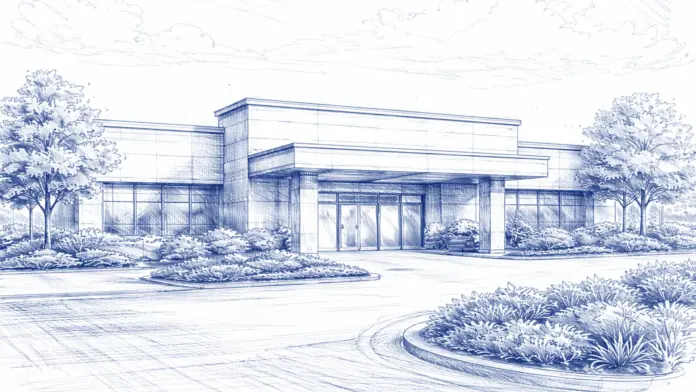
About Council on Alcohol and Substance Abuse
Council on Alcohol and Substance Abuse, now operating under CASA-Trinity, is a substance use treatment provider serving Dansville and surrounding communities in New York.
The program offers outpatient counseling, medication assisted treatment and residential care for adolescents, adults and their loved ones navigating substance use disorders.
With a person centered philosophy and rapid intake process, the team works to make recovery accessible and responsive to each individual’s needs.
Substance Use Evaluations and Treatment for Adolescents & Adults
The Dansville outpatient clinic provides evaluations within 24 to 48 hours, individual and group counseling, family counseling, peer support and aftercare services.
Adolescent sessions are scheduled around school hours, while adult group therapy is available in both morning and evening time slots to fit work schedules.
Treatment integrates case management, psychiatric assessment, mental health counseling and nursing services.
Medication assisted treatment options include Suboxone, Vivitrol, Campral and nicotine replacement therapy, supporting clients through stabilization and long-term recovery.
Residential Wellness Program for Adults
For adults 18 and older needing a higher level of care, the Dansville Wellness Center offers a 26-bed co-ed residential program in a structured 24/7 environment.
Care is delivered across three phases: stabilization, rehabilitation and reintegration, helping residents build a foundation for sustained recovery.
Getting Started with CASA-Trinity
Services are provided in person in Dansville, New York, with both outpatient and residential programs available locally.
CASA-Trinity is in network with major insurers including Aetna, CDPHP, Excellus BCBS, Fidelis, MVP, United Healthcare, New York Medicaid and Medicare, and offers a sliding scale fee policy along with interest-free payment plans.
Latest Reviews



Rehab Score
 Our Methodology


Gallery
Accepted Insurance
Other Forms of Payment
Medicaid is a state based program that helps lower-income individuals and families pay for healthcare. Medicaid covers addiction treatment so those enrolled can use their coverage to pay for rehab. When a program accepts Medicaid the client often pays very little or nothing out of their own pocket.
Private insurance refers to any kind of healthcare coverage that isn't from the state or federal government. This includes individual and family plans offered by an employer or purchased from the Insurance Marketplace. Every plan will have different requirements and out of pocket costs so be sure to get the full details before you start treatment.
Self-pay involves paying for treatment out of your own pocket. You can use savings or credit, get a personal loan, or receive help from family and friends to fund your treatment. If you don't have insurance or your insurance plan doesn't cover a specific program, self-pay can help ensure you still get the care you need.
Financial aid can take many forms. Centers may have grants or scholarships available to clients who meet eligibility requirements. Programs that receive SAMHSA grants may have financial aid available for those who need treatment as well. Grants and scholarships can help you pai for treatment without having to repay.
Sliding scale payments are based on a client's income and family size. The goal is to make treatment affordable to everyone. By taking these factors into account, addiction recovery care providers help ensure that your treatment does not become a financial burden to you or your family, eliminating one barrier to care.
Medicare is a federal program that provides health insurance for those 65 and older. It also serves people under 65 with chronic and disabling health challenges. To use Medicare for addiction treatment you need to find a program that accepts Medicare and is in network with your plan. Out of pocket costs and preauthorization requirements vary, so always check with your provider.
Addiction Treatments
Levels of Care
Outpatient Programs (OP) are for those seeking mental rehab or drug rehab, but who also stay at home every night. The main difference between outpatient treatment (OP) and intensive outpatient treatment (IOP) lies in the amount of hours the patient spends at the facility. Most of the time an outpatient program is designed for someone who has completed an inpatient stay and is looking to continue their growth in recovery. Outpatient is not meant to be the starting point, it is commonly referred to as aftercare.
Drug and alcohol addiction often takes a heavy toll on one's body. Over time, a physical dependence can develop, meaning the body physiologically needs the substance to function. Detox is the process of removing drugs and/or alcohol from the body, a process that can be lethal if mismanaged. Medical detox is done by licensed medical professionals who monitor vital signs and keep you safe, healthy, and as comfortable as possible as you go through detox and withdrawal.
Treatments
The goal of treatment for alcoholism is abstinence. Those with poor social support, poor motivation, or psychiatric disorders tend to relapse within a few years of treatment. For these people, success is measured by longer periods of abstinence, reduced use of alcohol, better health, and improved social functioning. Recovery and Maintenance are usually based on 12 step programs and AA meetings.
When you choose drug rehab in New York, you'll participate in a variety of treatments that are designed to help you live a drug-free lifestyle. Common methods of treatment include group, individual, and family counseling, medication management, nutrition, exercise, and management of co-occurring mental health disorders.
Opioid rehabs specialize in supporting those recovering from opioid addiction. They treat those suffering from addiction to illegal opioids like heroin, as well as prescription drugs like oxycodone. These centers typically combine both physical as well as mental and emotional support to help stop addiction. Physical support often includes medical detox and subsequent medical support (including medication), and mental support includes in-depth therapy to address the underlying causes of addiction.
Substance rehabs focus on helping individuals recover from substance abuse, including alcohol and drug addiction (both illegal and prescription drugs). They often include the opportunity to engage in both individual as well as group therapy.
Programs
Adult rehab programs include therapies tailored to each client's specific needs, goals, and recovery progress. They are tailored to the specific challenges adult clients may face, including family and work pressures and commitments. From inpatient and residential treatment to various levels of outpatient services, there are many options available. Some facilities also help adults work through co-occurring conditions, like anxiety, that can accompany addiction.
Clinical Services
Group therapy is any therapeutic work that happens in a group (not one-on-one). There are a number of different group therapy modalities, including support groups, experiential therapy, psycho-education, and more. Group therapy involves treatment as well as processing interaction between group members.
Staff
Ann Domingos, LCSW-R, CADC
CEO
Tatiana Zentz, MS, CASAC
COO of Outpatient Programs
Jennifer Emery, LCSWR
COO of Mental Health Services
Rachel Pena, CPP
COO of Prevention, Strategy and Promotion
Michael Prutsman
Chief Development and Engagement Officer
Jennifer Groff
CFO
Brie Hogan
VP of Human Resources
Jennifer Campbell
Sr. VP of Healthcare Strategy & Analytics
Rehab.com regularly reviews this listing for accuracy but changes may occur between updates. For the most up-to-date information, please contact Council on Alcohol and Substance Abuse.
Contact Information


141-143 Main street
Dansville, NY 14437
Sponsored Helpline


