Get Help Now
Question iconSponsored Helpline

Phone icon 800-784-1361
Claim Profile

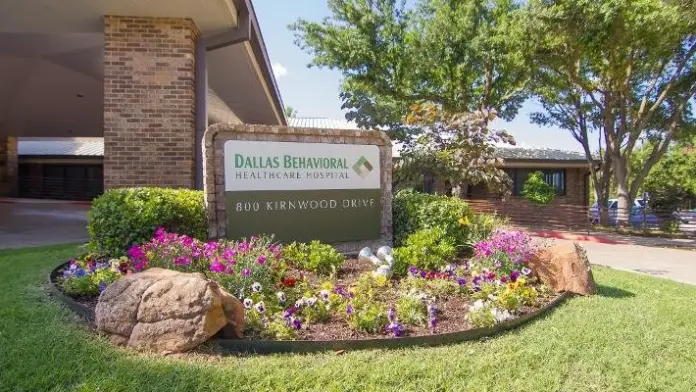
Dallas Behavioral Healthcare Hospital

800 Kirnwood Dr
Desoto, TX 75115
Claim Profile
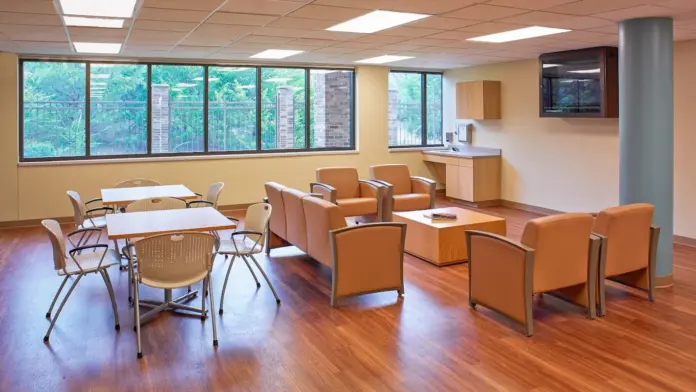
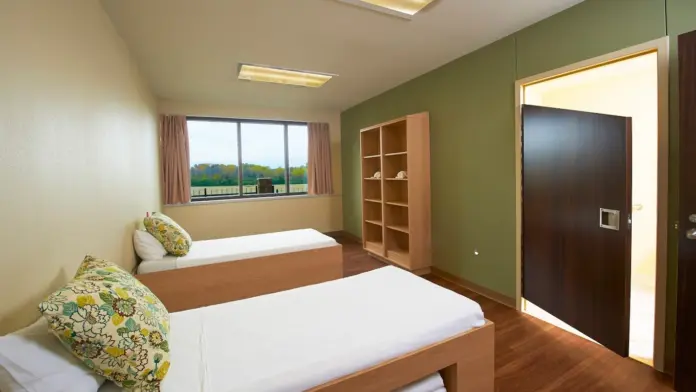
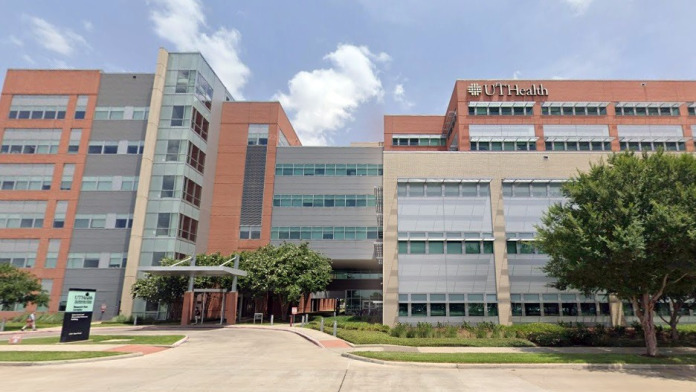
The facilities at Dallas Behavioral Healthcare Hospital in Desoto, TX 5

About Dallas Behavioral Healthcare Hospital

Their Adult Services program provides a range of treatment options if you’re experiencing struggles such as mood disorders, struggles with substance use, self-harm, and other behavioral health concerns. The inpatient care program utilizes a holistic approach to care including art and music therapy, education services, and evidence-based practices.

Meanwhile, the children’s program and geriatric services program are designed to meet the unique needs of the populations they serve. Adolescents are supported in a positive environment through both inpatient and outpatient care, learning key skills for recovery. Seniors age 55 and older will also find specialized care to meet their unique needs.

Similar Rehab Centers

Fact checked and written by:
Nadia El-Yaouti, M. Ed.
Edited by:
Peter Lee, PhD

Latest Reviews

Shontel Bynum
3 weeks ago on Google
1
I'm constantly asking for an update on my mother spoke to a Jennifer while talking to my mom , she told me the Dr will see her yesterday and after the visit she will update me , I haven't heard from my mother all day , that's not like her , I want her to sign an Ama and leave the way I heard the smart remarks and the way they ignored my mother requests is sickening, I need her advocate to call me back and to release her , she has a very great support system you guys are not about to make her situation worse by treating and showing no empathy.
Demetriss Beacham
1 month ago on Google
1
My adopted cousin was there and he said he slapped a patient with down syndrome, said another patient bite is finger that was the reason he hand blood on his sweats. My Aunt never was informed 🙄 . He got home and went smoking. This place is not for anyone who needs serious help.
Ruthie Grey
1 month ago on Google
1
This is the worse hospital for teenage boys. My son was here. They medicate so heavily. Then a staff told my son to jump on another patient because that patient was gonna report him to his case worker CID the staff said he was gonna rap him. I was furious my son was out in that situation. He came but hero they failed him. The medication has caused slight liver issues. He will come there again
Rehab.com icon

Rehab Score

Question iconOur Methodology
Scoring is assigned by a proprietary system which helps surface key metrics that determine quality. The 10-point scale factors in categories such as operations, customer satisfaction, and trust metrics. Read Full MethodologyCaret icon
Gauge icon
6.6 / 10

Accepted Insurance

Please contact to verify your specific insurance provider.

Dallas Behavioral Healthcare Hospital works with several private insurance providers, please contact to verify your specific insurance provider.

Other Forms of Payment

Private insurance refers to any kind of healthcare coverage that isn't from the state or federal government. This includes individual and family plans offered by an employer or purchased from the Insurance Marketplace. Every plan will have different requirements and out of pocket costs so be sure to get the full details before you start treatment.

Self-pay involves paying for treatment out of your own pocket. You can use savings or credit, get a personal loan, or receive help from family and friends to fund your treatment. If you don't have insurance or your insurance plan doesn't cover a specific program, self-pay can help ensure you still get the care you need.

Financial aid can take many forms. Centers may have grants or scholarships available to clients who meet eligibility requirements. Programs that receive SAMHSA grants may have financial aid available for those who need treatment as well. Grants and scholarships can help you pai for treatment without having to repay.

Military members, veterans, and eligible dependents have access to specific insurance programs that help them get the care they need. TRICARE and VA insurance can help you access low cost or no cost addiction and mental health treatment. Programs that accept military insurance often have targeted treatment focused on the unique challenges military members, veterans, and their families face.

Addiction Treatments

Levels of Care

Inpatient rehab programs are geared toward clients in early recovery. They also provide intensive support for clients in crisis and those at an increased relapse risk. Clients receive housing and meals while in inpatient care, allowing them to focus solely on their recovery. Most programs prioritize addiction counseling but may draw on various psychotherapeutic modalities, including CBT, DBT, RBT, trauma therapy, and motivational interviewing. Life skills training and holistic therapies are also common in inpatient care.

After completing some form of inpatient care, many clients transition or step down to an outpatient rehab, while some choose to transition from detox directly into outpatient care. High-intensity outpatient programming, including partial hospitalization (PHP) and intensive outpatient (IOP) is widely available for clients in early recovery, those leaving detox, and those at an elevated relapse risk. Clients in outpatient care generally engage in robust addiction counseling and recovery education, and some also receive medication assisted treatment (MAT).

Intensive outpatient programs offer high-level care for clients as an increased risk of relapse, including those in early recovery, those with a strong history of relapse, and those experiencing a crisis. Intensive outpatient treatment typically requires clients to engage in nine to 20 hours of care weekly, with treatment modalities that combine psychotherapy and recovery education, and holistic therapies, such as acupuncture and animal therapy. Medication assisted treatment (MAT) is also common in alcohol and/or opioid recovery.

Commonly known as "day treatment," a partial hospitalization program (PHP) offers intensive addiction treatment while allowing you to return home each day. It can serve as an alternative to inpatient hospitalization or as a step-down option. Depending on your needs, PHP treatment typically averages 90 days with a weekly requirement of 6-8 hours a day. PHP treatment offers a variety of therapeutic interventions such as individual counseling, group therapy, and psychoeducation. Oftentimes PHP treatment can be fully covered by insurance.

Rehab aftercare programs are based on a model of continuing care and the premise that recovery is a life-long process requiring ongoing client support. Many rehab aftercare services include outpatient care, but clients often continue to receive support after being discharged from formal treatment. Case managers and care teams typically collaborate with clients to design their long-term care plan, which may include peer coaching, career counseling, and 12 step program induction, among other services.

Treatments

Mental health rehabs focus on helping individuals recover from mental illnesses like bipolar disorder, clinical depression, anxiety disorders, schizophrenia, and more. Mental health professionals at these facilities are trained to understand and treat mental health issues, both in individual and group settings.

Programs

Adult rehab programs include therapies tailored to each client's specific needs, goals, and recovery progress. They are tailored to the specific challenges adult clients may face, including family and work pressures and commitments. From inpatient and residential treatment to various levels of outpatient services, there are many options available. Some facilities also help adults work through co-occurring conditions, like anxiety, that can accompany addiction.

Clinical Services

Peer support is an important aspect of group therapy sessions for drug and alcohol addiction. As you and your peers share stories and encourage each other, it fosters a sense of community and belonging that helps you process your feelings and reduces the sense of isolation that is associated with addiction.

Individual therapy offers you a confidential space to address the complexities of your drug or alcohol addiction. Your therapist guides these personalized sessions to help develop self awareness and manage stress. This promotes sustained sobriety and overall well being.

The purpose of family therapy is to create a supportive and understanding family dynamic within the family unit. Therapists help individual members to identify and change harmful behavior patterns and improve communication. This provides a stable foundation for the family and their loved one's recovery.

Staff & Accreditations

Staff

Matthew Matusiak, DHSc, FRSPH(UK), MT(ASCP)

Chief Executive Officer

Muhammad Haqqani, MD, FAPA

Chief Medical Officer

Brittney Hicks, LMSW

Director of Clinical Services, Inpatient & Outpatient Services

Marlise Curlee, DNP, RN, CLNC

Chief Nursing Officer

Nabil Zaiour, MSA

Chief Financial Officer

Accreditations

The Joint Commission, formerly known as JCAHO, is a nonprofit organization that accredits rehab organizations and programs. Founded in 1951, the Joint Commision's mission is to improve the quality of patient care and demonstrating the quality of patient care.

Joint Commission Accreditation: Yes

Contact Information

Building icon

800 Kirnwood Dr
Desoto, TX 75115

Explore Other Centers Near Desoto

Reviews of Dallas Behavioral Healthcare Hospital

2.87/5 (402 reviews)
0
Staff
0
Amenities
0
Meals
0
Value
0
Cleanliness
5
168
4
21
3
9
2
14
1
201

Reviews

Overall Experience
Date Submitted
Reviewer

Google Reviews

2.8681592039801 (402 reviews)
Shontel Bynum
3 weeks ago
1

I'm constantly asking for an update on my mother spoke to a Jennifer while talking to my mom , she told me the Dr will see her yesterday and after the visit she will update me , I haven't heard from my mother all day , that's not like her , I want her to sign an Ama and leave the way I heard the smart remarks and the way they ignored my mother requests is sickening, I need her advocate to call me back and to release her , she has a very great support system you guys are not about to make her situation worse by treating and showing no empathy.

Demetriss Beacham
1 month ago
1

My adopted cousin was there and he said he slapped a patient with down syndrome, said another patient bite is finger that was the reason he hand blood on his sweats. My Aunt never was informed 🙄 . He got home and went smoking. This place is not for anyone who needs serious help.

Muhammad Shaheer ul haq
1 month ago
5

Laketha Phillips
1 month ago
1

Overall Experience
Date Submitted
No reviews matching the selected filter!
Get Help Now
Question iconSponsored Helpline

Phone icon 800-784-1361

Left arrow iconBack

Write a review for Dallas Behavioral Healthcare Hospital

Sharing your insights and experiences can help others learn more about this rehab center.

Title of Your Review
This is a required field
Your Review

Reviews comments must comply with our Review Policy Content Standards. Please do not use names (job titles / positions are acceptable) of any individual or identifying features, abusive remarks, or allegations of negligence or criminal activity.

A minimum of 200 characters and max of 2,000 characters required.
This is a required field
How would you rate the facility on the following?*
Overall Experience
Must select a star rating
Accomodations & Amenities
Must select a star rating
Meals & Nutrition
N/A
Must select a star rating
Treatment Effectiveness
Must select a star rating
Admissions Process
Must select a star rating
Staff & Friendliness
Must select a star rating
Cleanliness
Must select a star rating
Value for Cost
Must select a star rating
What is your connection to this facility?
This is a required field
Your Name*
This is a required field
Your Email*
This is a required field
Spinner icon Submitting your review...
Thumbs up icon Your review was successfully submitted.

Nearby Featured Providers

Get Help Today Phone icon 800-823-7153
Question iconSponsored Helpline