





























































































About Elevations RTC
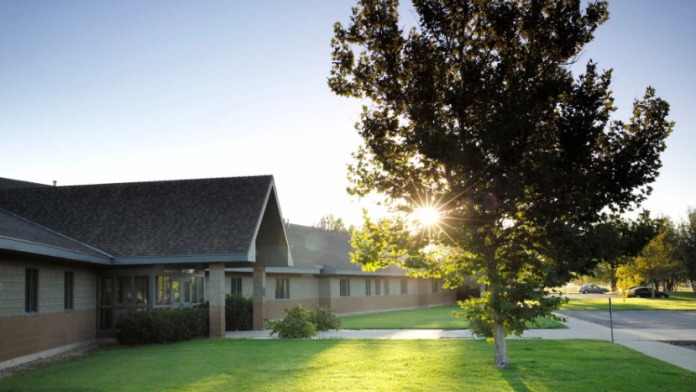
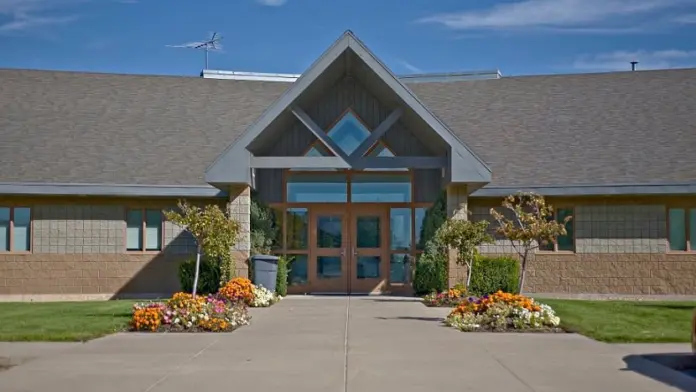
Elevations RTC in Syracuse, Utah is a residential boarding school and treatment center for adolescents aged 13 to 18. They provide intensive psychiatric care, specialized clinical groups, accredited academics and experiential learning.
Gender Inclusive and Affirming Environment
I really like that Elevations RTC is an inclusive center that helps and supports adolescents of all genders, including those who are transgender or gender non conforming. They emphasize a gender integrated environment, allowing students to interact with peers of all genders in various settings to develop essential social skills.
Behavior Focused Therapies and Care
The facility addresses a range of issues such as depression, anxiety, ADHD and substance use along with PTSD, bipolar disorder, borderline personality traits, adoption related issues and other emotional or behavioral concerns.
Therapeutic recreation activities are also part of the treatment and are integrated into the program to support physical, emotional, and mental well being.
Strong Family Involvement at Every Step
I think it is very important that they emphasize the importance of family involvement during care. They encourage this through orientations for new parents, parent seminars, family visits, and weekly family therapy sessions.
Elevations RTC accepts various forms of payment, including private health insurance, Medicaid and self payment. The facility also accepts funds from county or local government, state corrections or juvenile justice, state education agencies, and other state funds.
Latest Reviews



Rehab Score
 Our Methodology


Gallery
Other Forms of Payment
Self-pay involves paying for treatment out of your own pocket. You can use savings or credit, get a personal loan, or receive help from family and friends to fund your treatment. If you don't have insurance or your insurance plan doesn't cover a specific program, self-pay can help ensure you still get the care you need.
Private insurance refers to any kind of healthcare coverage that isn't from the state or federal government. This includes individual and family plans offered by an employer or purchased from the Insurance Marketplace. Every plan will have different requirements and out of pocket costs so be sure to get the full details before you start treatment.
Addiction Treatments
Levels of Care
Residential treatment programs are those that offer housing and meals in addition to substance abuse treatment. Rehab facilities that offer residential treatment allow patients to focus solely on recovery, in an environment totally separate from their lives. Some rehab centers specialize in short-term residential treatment (a few days to a week or two), while others solely provide treatment on a long-term basis (several weeks to months). Some offer both, and tailor treatment to the patient's individual requirements.
Participants in 12 step programs engage in rigorous group counseling, peer coaching, and personal development. Though 12 step recovery is rooted in spiritual principles, religious affiliation is not mandatory. The steps model promotes participants' emotional and psychological healing, which is presumed integral to sustained sobriety. Regular attendance at group meetings is expected. These meetings are free, anonymous, peer-led, and accessible day and night in most communities. Gender and age-specific programs and other specialized formats are common.
Treatments
Substance rehabs focus on helping individuals recover from substance abuse, including alcohol and drug addiction (both illegal and prescription drugs). They often include the opportunity to engage in both individual as well as group therapy.
Programs
Recovery is most successful when clients feel accepted and validated by their peers and treatment providers. Facilities that offer LGBTQ-inclusive programming are committed to creating a safe space where everyone can grow and recover without fear of judgment or discrimination. They will have dedicated policies in place to create a safe and supportive environment that fosters free expression.
Clinical Services
During individual therapy, men and women in Utah work with their therapists to build healthier daily habits and create coping strategies to manage stress. These are two components necessary for sustained sobriety and improved overall health.
Therapists may use cognitive behavioral therapy (CBT) in Utah to address substance use and mental health disorders. The main focus is to change thinking patterns, which leads to behavioral change. Subtypes of CBT include exposure therapy, dialectical behavior therapy, and acceptance commitment therapy.
During dialectical behavior therapy in Utah, you'll work on developing four main skills. Interpersonal effectiveness helps you manage your relationships. Mindfulness keeps you present in the current moment rather than worry or regret. Distress tolerance helps you accept emotions. Emotional regulation gives you the tools you need to successfully manage intense emotions.
The foundation of motivational interviewing in Utah rests on four pillars: partnership, evocation, acceptance, and compassion. The therapist collaborates with the client, encouraging them to explore their options and make informed decisions about making changes in their lives.
Staff & Accreditations
Staff
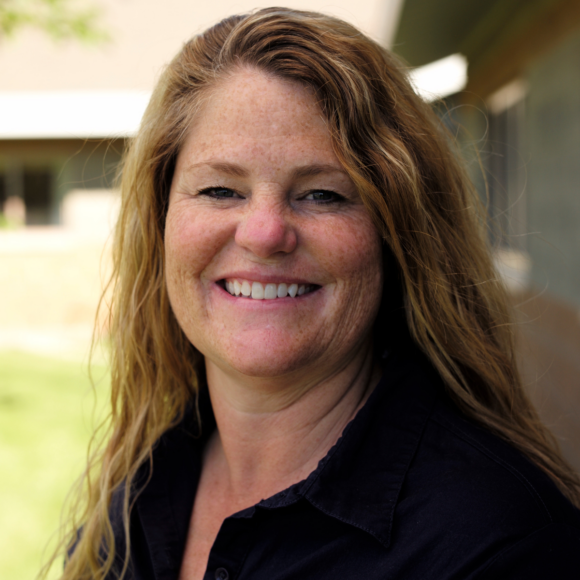
Jennifer Wilde
Executive Team
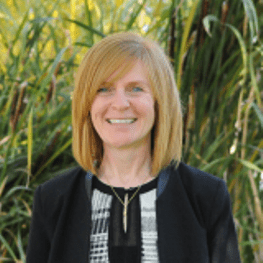
Judi Jacques
Executive Team
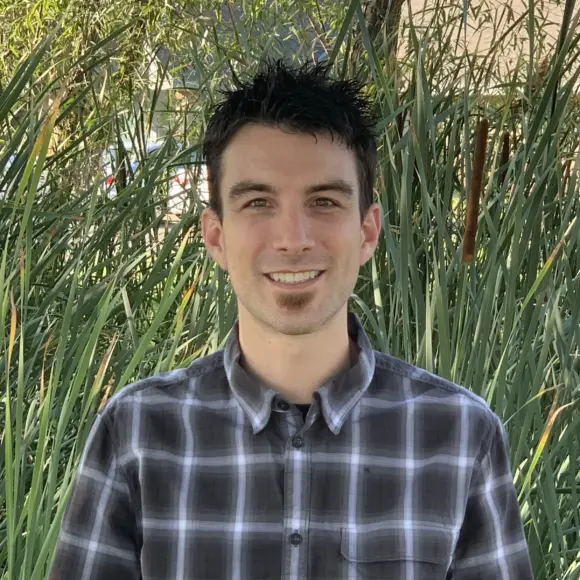
Ryan Montensen
Associate Executive Director
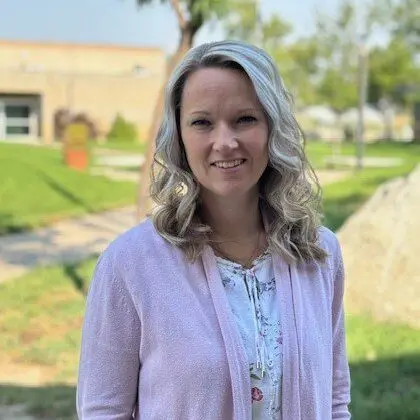
Jennifer Maddock
Clinical Director
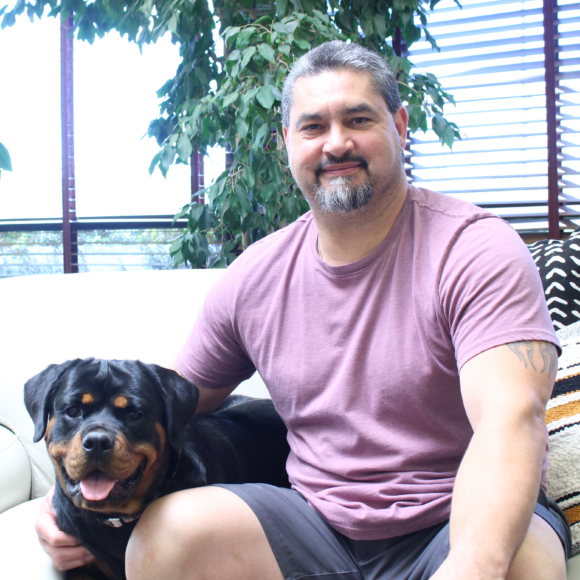
Eric Flores
Program Director
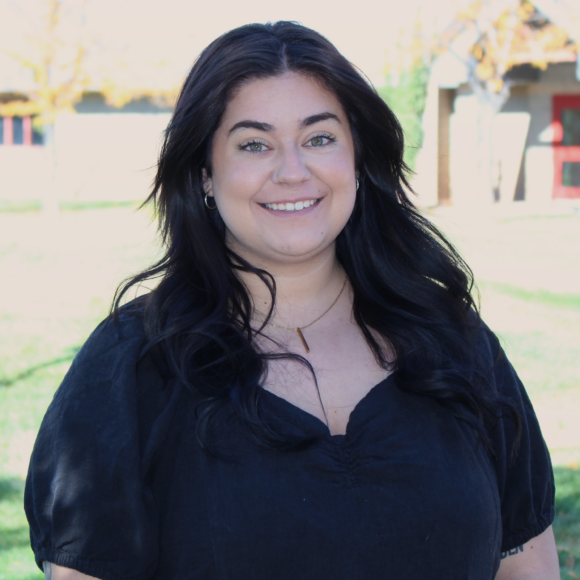
Taylor Black
Director of Nursing
Laura Burt
Director of Business Development
Tamra Foy
Director of Admissions
Accreditations

The Joint Commission, formerly known as JCAHO, is a nonprofit organization that accredits rehab organizations and programs. Founded in 1951, the Joint Commision's mission is to improve the quality of patient care and demonstrating the quality of patient care.
Joint Commission Accreditation: Yes
Rehab.com regularly reviews this listing for accuracy but changes may occur between updates. For the most up-to-date information, please contact Elevations RTC.
Contact Information


2650 West 2700 South
Syracuse, UT 84075
Sponsored Helpline

