






























































































When I got put into the psych ward at the Burlington, Iowa hospital, I was initially treated well. But then when they actually put me in, the nurses, absolutely rude. They laughed at patients, they made it seem like we were free entertainment. One of the nurses came up to a ...
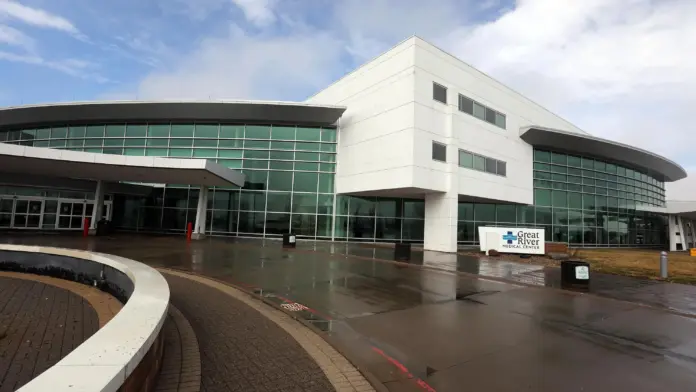
About Southeast Iowa Regional Medical Center West Burlington Campus
Specialized treatment at Great River Medical Center – Behavioral Health includes dedicated programming for young adults, seniors, persons with hearing impairments, and persons with co-occurring addiction and mental illness. Treatment is available at the following levels of care:
Inpatient Program
Their inpatient programs allow clients to focus on their recovery in a highly structured and supportive environment. Clients receive around-the-clock clinical supervision, medical and mental health assessments, and personalized care planning. They also engage in intensive, trauma-informed individual, group, and family counseling that draws on proven modalities including CBT and DBT. The program promotes clients’ sustained sobriety and successful community reintegration through robust, recovery-focused life-skills training. Topics include coping, self-care, emotional regulation, disease and medication management, and relapse prevention.
Outpatient and Aftercare Services
Their outpatient and aftercare services ensure a complete continuum of care aligned with clients’ evolving needs. These services may include step down support, 12-Step program facilitation, and referrals for additional medical, mental health, and social service programs.
Payment Options
Great River Medical Center – Behavioral Health accepts private insurance, Medicare, Medicaid, military insurance, and self-pay. Financial aid is available.
Latest Reviews
Dr Graber a pleasure to have as my dr. Nurse Practitioners are in general great to work with, she listens and speaks to me with respect.
Response from the owner1 week ago
We are dedicated to providing an outstanding experience at our practice. Thank you for your feedback!
Had a great experience.
Very patient very thorough told me things to watch for if it got worse. Good experience all around!
Response from the owner1 week ago
We love 5-star comments. Thank you! 
Rehab Score
 Our Methodology
Scoring is assigned by a proprietary system which helps surface key metrics that determine quality. The 10-point scale factors in categories such as operations, customer satisfaction, and trust metrics. Read Full Methodology

6.1 / 10
Gallery
Other Forms of Payment
Private insurance refers to any kind of healthcare coverage that isn't from the state or federal government. This includes individual and family plans offered by an employer or purchased from the Insurance Marketplace. Every plan will have different requirements and out of pocket costs so be sure to get the full details before you start treatment.
Self-pay involves paying for treatment out of your own pocket. You can use savings or credit, get a personal loan, or receive help from family and friends to fund your treatment. If you don't have insurance or your insurance plan doesn't cover a specific program, self-pay can help ensure you still get the care you need.
Financial aid can take many forms. Centers may have grants or scholarships available to clients who meet eligibility requirements. Programs that receive SAMHSA grants may have financial aid available for those who need treatment as well. Grants and scholarships can help you pai for treatment without having to repay.
Sliding scale payments are based on a client's income and family size. The goal is to make treatment affordable to everyone. By taking these factors into account, addiction recovery care providers help ensure that your treatment does not become a financial burden to you or your family, eliminating one barrier to care.
Medicare is a federal program that provides health insurance for those 65 and older. It also serves people under 65 with chronic and disabling health challenges. To use Medicare for addiction treatment you need to find a program that accepts Medicare and is in network with your plan. Out of pocket costs and preauthorization requirements vary, so always check with your provider.
Medicaid is a state based program that helps lower-income individuals and families pay for healthcare. Medicaid covers addiction treatment so those enrolled can use their coverage to pay for rehab. When a program accepts Medicaid the client often pays very little or nothing out of their own pocket.
Military members, veterans, and eligible dependents have access to specific insurance programs that help them get the care they need. TRICARE and VA insurance can help you access low cost or no cost addiction and mental health treatment. Programs that accept military insurance often have targeted treatment focused on the unique challenges military members, veterans, and their families face.
Addiction Treatments
Levels of Care
Outpatient Programs (OP) are for those seeking mental rehab or drug rehab, but who also stay at home every night. The main difference between outpatient treatment (OP) and intensive outpatient treatment (IOP) lies in the amount of hours the patient spends at the facility. Most of the time an outpatient program is designed for someone who has completed an inpatient stay and is looking to continue their growth in recovery. Outpatient is not meant to be the starting point, it is commonly referred to as aftercare.
Residential treatment programs are those that offer housing and meals in addition to substance abuse treatment. Rehab facilities that offer residential treatment allow patients to focus solely on recovery, in an environment totally separate from their lives. Some rehab centers specialize in short-term residential treatment (a few days to a week or two), while others solely provide treatment on a long-term basis (several weeks to months). Some offer both, and tailor treatment to the patient's individual requirements.
Intensive outpatient programs (IOP) offer high-level care for clients in early recovery or who are at an increased risk of relapse. Clients may also enroll in an IOP immediately following detox, enabling them to continue to work and to live at home. Clients attend multiple outpatient treatment sessions for a minimum of nine hours per week. Many intensive outpatient rehabs provide a variety of services, including psychotherapy, recovery education, and medication assisted treatment (MAT).
Commonly referred to as "day treatment," a partial hospitalization program (PHP) is a short-term, intensive rehab option that provides structured treatment for those who don't require 24-hour care. PHP treatment can also be used as an alternative to inpatient hospitalization or as a "step-down" option. Insurance coverage for PHP treatment varies. Typically, PHP treatment requires a minimum of 20 hours a week and lasts an average of 90 days. PHP treatment often includes relapse prevention strategies, medication management, individual and group therapy, and other behavioral therapy interventions.
In the addiction treatment process, detox is typically the initial stage of recovery, and it involves 24-hour clinical care in Iowa. During this process, you receive constant medical supervision as harmful substances are purged from your body. Medical staff may prescribe medications to treat withdrawal symptoms and allow you to safely and comfortably break free from physical dependence on the substance.
If you've become physically dependent on drugs or alcohol, quitting suddenly can cause very dangerous side effects. During a medically assisted detox, licensed medical professionals will monitor your vitals around the clock and provide medications if necessary to ensure you're as safe and comfortable as possible throughout this process.
Treatments
Mental health rehabs focus on helping individuals recover from mental illnesses like bipolar disorder, clinical depression, anxiety disorders, schizophrenia, and more. Mental health professionals at these facilities are trained to understand and treat mental health issues, both in individual and group settings.
Programs
Adult rehab programs include therapies tailored to each client's specific needs, goals, and recovery progress. They are tailored to the specific challenges adult clients may face, including family and work pressures and commitments. From inpatient and residential treatment to various levels of outpatient services, there are many options available. Some facilities also help adults work through co-occurring conditions, like anxiety, that can accompany addiction.
Young adulthood can be an exciting, yet difficult, time of transition. Individuals in their late teens to mid-20s face unique stressors related to school, jobs, families, and social circles, which can lead to a rise in substance use. Rehab centers with dedicated young adult programs will include activities and amenities that cater to this age group, with an emphasis on specialized counseling, peer socialization, and ongoing aftercare.
Clinical Services
Group therapy is any therapeutic work that happens in a group (not one-on-one). There are a number of different group therapy modalities, including support groups, experiential therapy, psycho-education, and more. Group therapy involves treatment as well as processing interaction between group members.
In individual therapy, a patient meets one-on-one with a trained psychologist or counselor. Therapy is a pivotal part of effective substance abuse treatment, as it often covers root causes of addiction, including challenges faced by the patient in their social, family, and work/school life.
During motivational interviewing in Iowa, the client and therapist collaborate to identify any discrepancies in the client's current situation and future goals. By asking open ended questions and using reflective listening skills, the therapist encourages the client to reach their own conclusions and make a commitment to any needed changes in their life.
Trauma therapy focuses on helping you heal from the psychological impact of witnessing or experiencing a traumatic event. Your therapist offers you support and guidance, which ultimately helps reduce your distress and build resilience.
Couples therapy in Iowa involves mediation, education, and psychotherapy. Participants learn about themselves and each other and how to successfully navigate challenges in the relationship. Sessions can include both joint and individual meetings with the therapist.
During family therapy in Iowa, therapists focus on the collective healing of all members of the family unit who were impacted by addiction. Therapists guide families in understanding the effect addiction has and develop healthy communication practices. By working together, families can help support their loved ones recovery.
To achieve long term positive outcomes from treatment, it is important to incorporate life skills training. This equips you with new ways to manage challenges and navigate daily life. These skills encompass relationships, self care, and other day to day tasks.
Nutrition therapy, aka medical nutrition therapy (MNT), is a way of treating physical, emotional, and medical conditions through diet. Specific dietary plans are designed by professional nutritionists or registered dietitians, and patients follow them in order to positively affect their physical and mental health.
Staff

Michael McCoy, MD
President & CEO
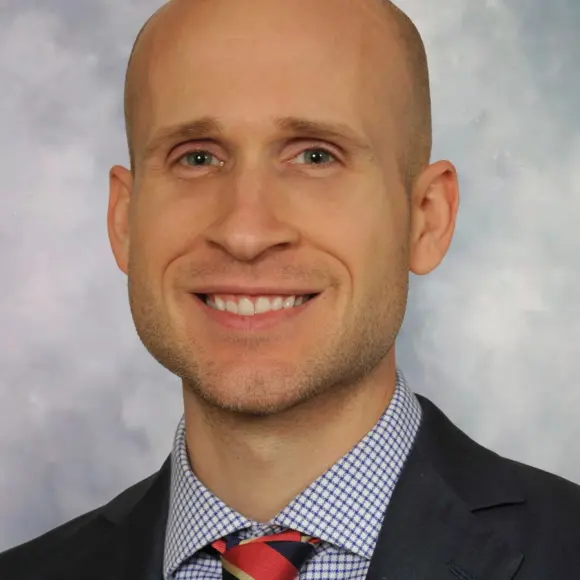
Jeremy Alexander
CFO

Todd Chelf
General Counsel

Hope Dunn
Chief Nursing Officer
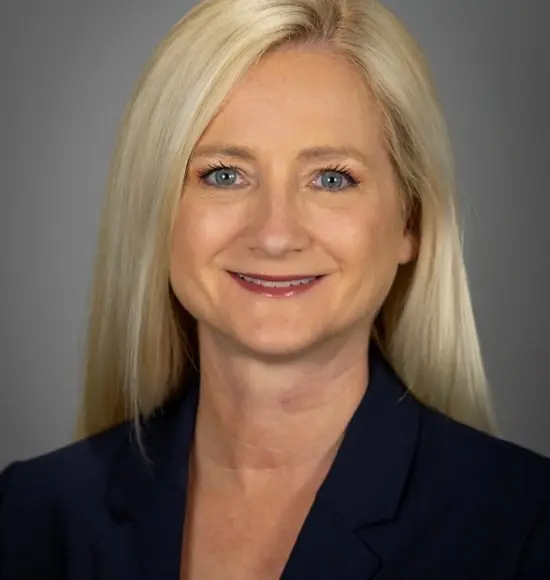
Tomi Hagan
Chief Compliance Officer
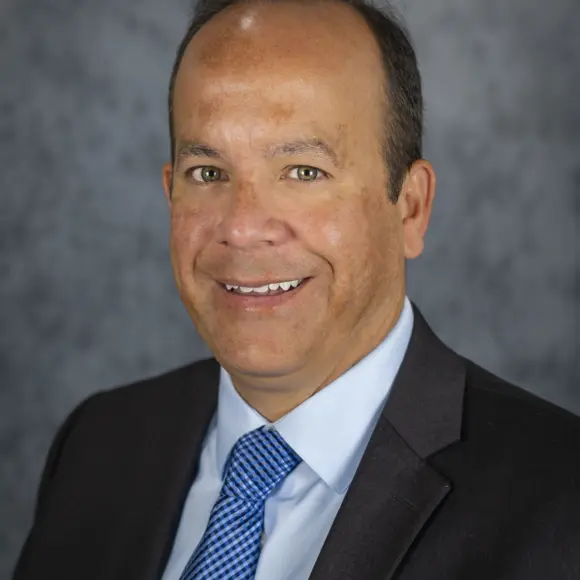
Russ Rodriguez
Chief Clinical Operations Officer

Joel Ryon, MD
Chief Medical Officer
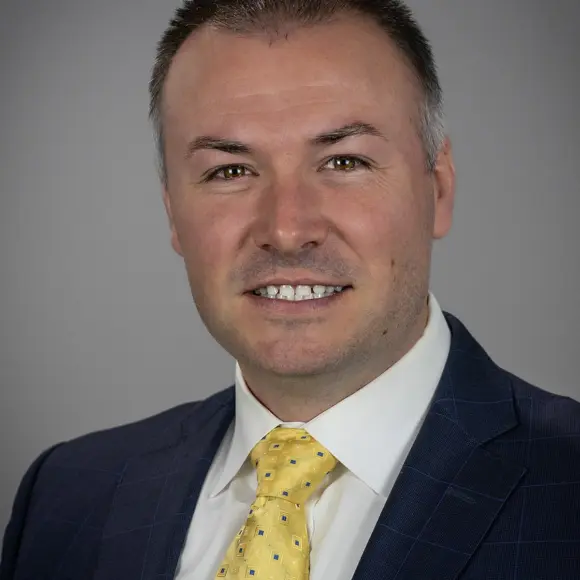
Michael Yost
Chief Human Resources Officer
Rehab.com regularly reviews this listing for accuracy but changes may occur between updates. For the most up-to-date information, please contact Southeast Iowa Regional Medical Center West Burlington Campus.
Contact Information

1221 South Gear Avenue
West Burlington, IA 52655
Get Help Now - 563-219-7437
Sponsored Helpline
Sponsored Helpline



