Hunt Regional Medical Center has given me the tools and knowledge to get and stay clean for years. With effort, determination and a yearning for a better life, anyone can change with their help. We are not alone here. The staff helps you clear the mind of doubts and reserv ...
About Hillcrest Hospital Henryetta
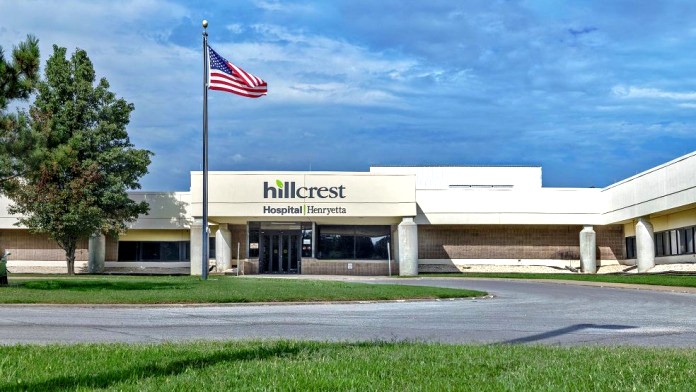
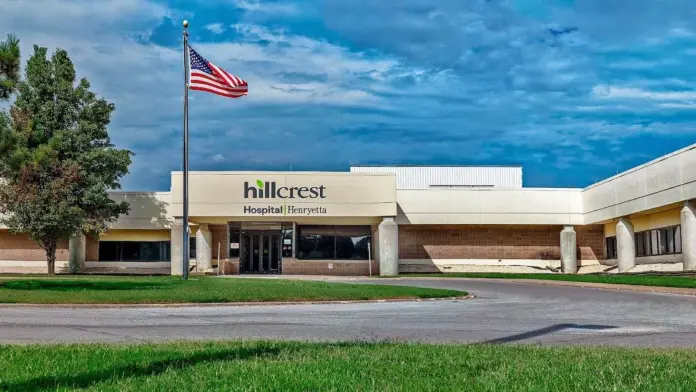
Inpatient medical detox provides a stable environment for people to live while going through substance withdrawal. The End Dependence program offers continuous medical supervision from empathetic addiction specialists. Hillcrest Hospital Henryetta provides alcohol, methamphetamine, cocaine, and opioid detox services. Clients typically stay in the program for about 3 days before transitioning to another level of care, such as outpatient treatment.
Hillcrest Hospital Henryetta accepts Medicare, Medicaid, and several popular insurance providers. They may collaborate with Humana, BlueCross BlueShield, Cigna, Ambetter, Beacon, and Amerigroup to offset treatment costs. Out of network benefits can differ depending on your policy. Always verify your insurance with your provider.
Latest Reviews
Rehab Score
Gallery
Accepted Insurance
Other Forms of Payment
Private insurance refers to any kind of healthcare coverage that isn't from the state or federal government. This includes individual and family plans offered by an employer or purchased from the Insurance Marketplace. Every plan will have different requirements and out of pocket costs so be sure to get the full details before you start treatment.
Self-pay involves paying for treatment out of your own pocket. You can use savings or credit, get a personal loan, or receive help from family and friends to fund your treatment. If you don't have insurance or your insurance plan doesn't cover a specific program, self-pay can help ensure you still get the care you need.
Medicare is a federal program that provides health insurance for those 65 and older. It also serves people under 65 with chronic and disabling health challenges. To use Medicare for addiction treatment you need to find a program that accepts Medicare and is in network with your plan. Out of pocket costs and preauthorization requirements vary, so always check with your provider.
Military members, veterans, and eligible dependents have access to specific insurance programs that help them get the care they need. TRICARE and VA insurance can help you access low cost or no cost addiction and mental health treatment. Programs that accept military insurance often have targeted treatment focused on the unique challenges military members, veterans, and their families face.
Medicaid is a state based program that helps lower-income individuals and families pay for healthcare. Medicaid covers addiction treatment so those enrolled can use their coverage to pay for rehab. When a program accepts Medicaid the client often pays very little or nothing out of their own pocket.
Addiction Treatments
Levels of Care
Clients seeking care in an outpatient rehab are often stepping down from intensive inpatient treatment or have chosen to remain in their home while in treatment. Outpatient programs offer a variety of services to provide clients with a full continuum of care. Partial hospitalization (PHP) and intensive outpatient (IOP) programs are high frequency and intensity services for clients who require robust structure, supervision, and support. Outpatient treatment typically consists of psychotherapy, recovery education, and medication assisted treatment (MAT).
Residential treatment programs are those that offer housing and meals in addition to substance abuse treatment. Rehab facilities that offer residential treatment allow patients to focus solely on recovery, in an environment totally separate from their lives. Some rehab centers specialize in short-term residential treatment (a few days to a week or two), while others solely provide treatment on a long-term basis (several weeks to months). Some offer both, and tailor treatment to the patient's individual requirements.
Drug and alcohol addiction often takes a heavy toll on one's body. Over time, a physical dependence can develop, meaning the body physiologically needs the substance to function. Detox is the process of removing drugs and/or alcohol from the body, a process that can be lethal if mismanaged. Medical detox is done by licensed medical professionals who monitor vital signs and keep you safe, healthy, and as comfortable as possible as you go through detox and withdrawal.
Treatments
The goal of treatment for alcoholism is abstinence. Those with poor social support, poor motivation, or psychiatric disorders tend to relapse within a few years of treatment. For these people, success is measured by longer periods of abstinence, reduced use of alcohol, better health, and improved social functioning. Recovery and Maintenance are usually based on 12 step programs and AA meetings.
To address the issues of addiction, each drug rehab in Oklahoma is tailored to meet the individual's needs. Treatment may occur in a residential or outpatient setting, and may last from a few days to several months.
Opioid rehabs specialize in supporting those recovering from opioid addiction. They treat those suffering from addiction to illegal opioids like heroin, as well as prescription drugs like oxycodone. These centers typically combine both physical as well as mental and emotional support to help stop addiction. Physical support often includes medical detox and subsequent medical support (including medication), and mental support includes in-depth therapy to address the underlying causes of addiction.

Substance rehabs focus on helping individuals recover from substance abuse, including alcohol and drug addiction (both illegal and prescription drugs). They often include the opportunity to engage in both individual as well as group therapy.
Programs
Adult rehab programs include therapies tailored to each client's specific needs, goals, and recovery progress. They are tailored to the specific challenges adult clients may face, including family and work pressures and commitments. From inpatient and residential treatment to various levels of outpatient services, there are many options available. Some facilities also help adults work through co-occurring conditions, like anxiety, that can accompany addiction.
Young adulthood can be an exciting, yet difficult, time of transition. Individuals in their late teens to mid-20s face unique stressors related to school, jobs, families, and social circles, which can lead to a rise in substance use. Rehab centers with dedicated young adult programs will include activities and amenities that cater to this age group, with an emphasis on specialized counseling, peer socialization, and ongoing aftercare.
Clinical Services
If you participate in cognitive behavioral therapy in Oklahoma, you can expect to attend somewhere between five and 20 sessions. This short term method is an effective way to learn healthy coping strategies that help you change your thinking and behavior patterns.
Men and women in group therapy for drug and alcohol addiction experience peer support, including empathy and encouragement from peers who understand their journey. This helps people to better understand and manage addictive behaviors.
Individual therapy in Oklahoma offers men and women customized care that's tailored to their specific needs for drug and alcohol addiction treatment. This can include interventions that promote self discovery, develop coping skills, or uncover the underlying causes of addictive behavior.
Trauma therapy provides you with a safe and supportive environment in which you can confront and address the emotional and physical impacts of traumatic events. Your therapist helps you understand your emotional and physical responses and develop healthier coping skills, which lowers your anxiety level and provides you with greater self confidence.
Using recreational therapy in Oklahoma within a drug and alcohol addiction treatment program helps you find joy and purpose within healthy activities. These could include gardening, group games, team sports, and swimming. These activities promote relaxation and social interaction, which are crucial to sustain long term recovery.
Nicotine Replacement Therapy (NRT) is a way of getting nicotine into the bloodstream without smoking. It uses products that supply low doses of nicotine to help people stop smoking. The goal of therapy is to cut down on cravings for nicotine and ease the symptoms of nicotine withdrawal.


Amenities
-
Residential Setting
-
Private Rooms
Staff
Kevin Gross
CEO
Contact Information
2401 West Main Street
Henryetta, OK 74437