





























































































About HSHS Good Shepherd Hospital
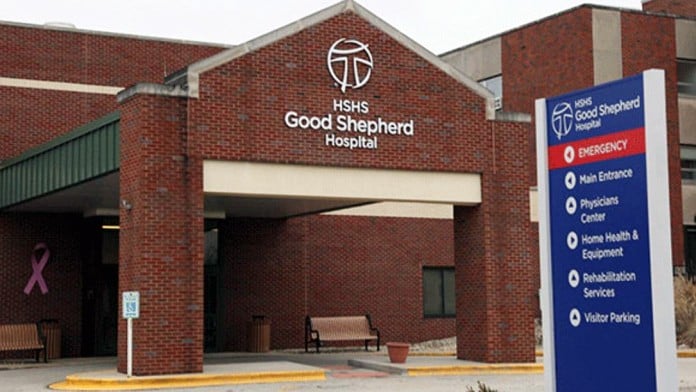
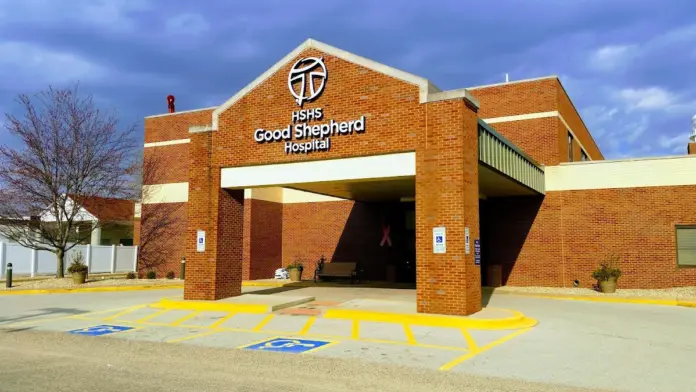
HSHS Good Shepherd Hospital in Shelbyville, Illinois, is south of Decatur on the south side of Lake Shelbyville. They offer substance abuse treatment as a short-term inpatient medical stabilization service.
Stabilization Begins Your Recovery Journey
They recognize that you may abuse alcohol or have other chemical dependencies as a result of experiencing significant mental health conditions or societal stresses. While the question of why you began using substances is important they don’t allow it to overshadow your treatment and detoxification.
The disease of addiction hurts more than your mental and physical health. It also affects the lives of your parents, friends and family. Stabilization comes before beginning an intensive recovery program. They support you through stabilization and withdrawal when you experience drug or alcohol issues.
Community Resources for Your Recovery Program
Your initial evaluation determines if you are experiencing incapacitation because of withdrawal symptoms. The inpatient services are led by qualified medical professionals who ensure that you get individualized care and safe treatment.
Once you’ve completed the inpatient stabilization, you receive referrals to outpatient programs where you can begin your recovery journey in earnest. You’ll utilize public health community resources, 12 Step programs or private therapists.
The hospital also provides general medical care and specialty clinics to ensure your physical health is also addressed. The hospital and the New Vision program work with many health insurance providers for inpatient treatment, including traditional Medicaid and Medicare.
Latest Reviews



Rehab Score
 Our Methodology


Gallery
Other Forms of Payment
Private insurance refers to any kind of healthcare coverage that isn't from the state or federal government. This includes individual and family plans offered by an employer or purchased from the Insurance Marketplace. Every plan will have different requirements and out of pocket costs so be sure to get the full details before you start treatment.
Self-pay involves paying for treatment out of your own pocket. You can use savings or credit, get a personal loan, or receive help from family and friends to fund your treatment. If you don't have insurance or your insurance plan doesn't cover a specific program, self-pay can help ensure you still get the care you need.
Medicare is a federal program that provides health insurance for those 65 and older. It also serves people under 65 with chronic and disabling health challenges. To use Medicare for addiction treatment you need to find a program that accepts Medicare and is in network with your plan. Out of pocket costs and preauthorization requirements vary, so always check with your provider.
Medicaid is a state based program that helps lower-income individuals and families pay for healthcare. Medicaid covers addiction treatment so those enrolled can use their coverage to pay for rehab. When a program accepts Medicaid the client often pays very little or nothing out of their own pocket.
Addiction Treatments
Levels of Care
Residential treatment programs are those that offer housing and meals in addition to substance abuse treatment. Rehab facilities that offer residential treatment allow patients to focus solely on recovery, in an environment totally separate from their lives. Some rehab centers specialize in short-term residential treatment (a few days to a week or two), while others solely provide treatment on a long-term basis (several weeks to months). Some offer both, and tailor treatment to the patient's individual requirements.
Living in a sober living home in Illinois is a lot like living in a traditional home. Everyone must contribute to household chores and maintenance. All residents must work and pay rent. Individuals can mostly come and go as they please, but they must be home before curfew. Most men's and women's sober living homes also host house meetings where they resolve disputes, assign responsibilities, and welcome new residents.
As a flexible option, a partial hospitalization program (PHP) is tailored for those who don't require 24-hour care. PHP treatment can include daily therapeutic sessions and services such as relapse prevention and medication management. Based on your needs, PHP treatment duration can average 90 days and require a minimum of 20 hours of commitment weekly. While a partial hospitalization program typically requires a commute, telehealth may be available. PHP treatment costs can vary but are often covered by most insurance.
Addiction treatment often begins with 24-hour clinical care in Illinois. This supervised setting is the best environment for detox.where medical staff can provide 24/7 supervision and responsive care as your body is cleansed of addictive substances. Doctors may prescribe antagonist and partial agonist drugs to counteract the effects of drugs or alcohol, or they may slowly taper down dosages of substances to end physical dependence on the drug.
During the medically supervised detox process, licensed medical professionals monitor your vitals and administer medications meant to help alleviate the physical symptoms of withdrawal. The process can take between five and seven days, although the actual length depends on your individual needs. In most cases, medically assisted detox is partially, if not fully, covered by insurance.
Treatments
Substance rehabs focus on helping individuals recover from substance abuse, including alcohol and drug addiction (both illegal and prescription drugs). They often include the opportunity to engage in both individual as well as group therapy.
Programs
Adult rehab programs include therapies tailored to each client's specific needs, goals, and recovery progress. They are tailored to the specific challenges adult clients may face, including family and work pressures and commitments. From inpatient and residential treatment to various levels of outpatient services, there are many options available. Some facilities also help adults work through co-occurring conditions, like anxiety, that can accompany addiction.
Young adulthood can be an exciting, yet difficult, time of transition. Individuals in their late teens to mid-20s face unique stressors related to school, jobs, families, and social circles, which can lead to a rise in substance use. Rehab centers with dedicated young adult programs will include activities and amenities that cater to this age group, with an emphasis on specialized counseling, peer socialization, and ongoing aftercare.
Clinical Services
If you engage in cognitive behavioral therapy in Illinois, your therapist will work with you to change your thinking patterns. You'll learn how to recognize faulty thinking and develop skills to deal with stress without using substances.
Dialectical behavior therapy in Illinois typically involves keeping a diary to track actions and emotions. Your therapist will use this diary to determine what to focus on during each session. In addition to individual sessions, you'll also attend group meetings where you are trained in coping skills.
Group therapy is any therapeutic work that happens in a group (not one-on-one). There are a number of different group therapy modalities, including support groups, experiential therapy, psycho-education, and more. Group therapy involves treatment as well as processing interaction between group members.
In individual therapy, a patient meets one-on-one with a trained psychologist or counselor. Therapy is a pivotal part of effective substance abuse treatment, as it often covers root causes of addiction, including challenges faced by the patient in their social, family, and work/school life.
During couples therapy in Illinois, you may work on a variety of relationship challenges. Couples therapy can address topics such as finances, children, health, addiction, intimacy, external stressors, and family relationships. You'll develop tools to address these types of challenges in healthy ways.
Research clearly demonstrates that recovery is far more successful and sustainable when loved ones like family members participate in rehab and substance abuse treatment. Genetic factors may be at play when it comes to drug and alcohol addiction, as well as mental health issues. Family dynamics often play a critical role in addiction triggers, and if properly educated, family members can be a strong source of support when it comes to rehabilitation.
Amenities
-
 Residential Setting
 -
 Private Rooms
Staff
Matt Fry
Market CEO
Chad Markham
Market COO
Dr. Ashish Tokhi
Market Chief Medical Officer
Anthony Powers
Chief Administrative Officer
Dr. Ryan Jennings
Chief Medical Officer
Rehab.com regularly reviews this listing for accuracy but changes may occur between updates. For the most up-to-date information, please contact HSHS Good Shepherd Hospital.
Contact Information


201 S. Pine St.
Shelbyville, IL 62565
Sponsored Helpline



