










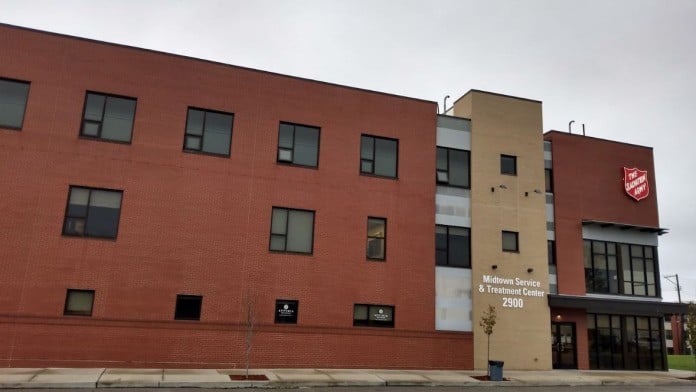
The Salvation Army Midtown Service and Treatment Center
1
Top 10 Rehab Centers In Saint Louis



















































































Kato Project 3 is a drug and alcohol rehab facility located in Cokato, Minnesota. They provide treatment to adolescents with substance use disorder and alcohol use disorder who are in the Village Ranch Correctional Facility on an outpatient basis.
The licensed alcohol and drug counselors at Kato work with the staff at the facility to provide mental health care to inmates.
A study by the Bureau of Justice Statistics found that 60% of juvenile inmates struggle with substance use before entering correctional facilities. It is important that they have counseling for this problem so they can lower their risk for committing future crimes.
Although group therapy sessions are offered at some correctional facilities, one on one sessions can be rare. Kato Project 3 offers important individual sessions to kids in this program. The treatment will be designed specifically for each child. They’ll also work with your child’s parole officer and social worker or other professionals involved.
Kato Project 3 has been treating teens since 2016. They now treat adults and adolescents at their Mankato location. They give comprehensive assessments at Mankato as well.

 Our Methodology


Outpatient Programs (OP) are for those seeking mental rehab or drug rehab, but who also stay at home every night. The main difference between outpatient treatment (OP) and intensive outpatient treatment (IOP) lies in the amount of hours the patient spends at the facility. Most of the time an outpatient program is designed for someone who has completed an inpatient stay and is looking to continue their growth in recovery. Outpatient is not meant to be the starting point, it is commonly referred to as aftercare.
12-step programs are addiction recovery models based on Alcoholics Anonymous (AA). A number of substance abuse programs (including some drug and alcohol rehab centers) use the 12 steps as a basis for treatment. Beginning steps involve admitting powerlessness over the addiction and creating a spiritual basis for recovery. Middle steps including making direct amends to those who've been hurt by the addiction, and the final step is to assist others in addiction recovery in the same way. 12-Step offshoots including Narcotics Anonymous (NA), Cocaine Anonymous (CA), Dual Recovery Anonymous (DRA), Sex and Love Addicts Anonymous (SLAA) and Gamblers Anonymous (GA).
Completing a drug or alcohol rehab program shouldn't spell the end of substance abuse treatment. Aftercare involves making a sustainable plan for recovery, including ongoing support. This can include sober living arrangements like halfway houses, career counseling, and setting a patient up with community programs like Alcoholics Anonymous (AA) or Narcotics Anonymous (NA).
Substance rehabs focus on helping individuals recover from substance abuse, including alcohol and drug addiction (both illegal and prescription drugs). They often include the opportunity to engage in both individual as well as group therapy.
Cognitive Behavioral Therapy (CBT) is a therapy modality that focuses on the relationship between one's thoughts, feelings, and behaviors. It is used to establish and allow for healthy responses to thoughts and feelings (instead of unhealthy responses, like using drugs or alcohol). CBT has been proven effective for recovering addicts of all kinds, and is used to strengthen a patient's own self-awareness and ability to self-regulate. CBT allows individuals to monitor their own emotional state, become more adept at communicating with others, and manage stress without needing to engage in substance abuse.
Dialectical Behavior Therapy (DBT) is a modified form of Cognitive Behavioral Therapy (CBT), a treatment designed to help people understand and ultimately affect the relationship between their thoughts, feelings, and behaviors. DBT is often used for individuals who struggle with self-harm behaviors, such as self-mutilation (cutting) and suicidal thoughts, urges, or attempts. It has been proven clinically effective for those who struggle with out-of-control emotions and mental health illnesses like Borderline Personality Disorder.
Motivational Interviewing (MI) is a clinical approach to helping people with substance abuse issues and other conditions shift behavior in positive ways. It is more goal-oriented than traditional psychotherapy, as MI counselors directly attempt to get clients to consider making behavioral change (rather than wait for them to come to conclusions themselves). Its primary purpose is to resolve ambivalence and help clients become able to make healthy choices freely.
Trauma therapy addresses traumatic incidents from a client's past that are likely affecting their present-day experience. Trauma is often one of the primary triggers and potential causes of addiction, and can stem from child sexual abuse, domestic violence, having a parent with a mental illness, losing one or both parents at a young age, teenage or adult sexual assault, or any number of other factors. The purpose of trauma therapy is to allow a patient to process trauma and move through and past it, with the help of trained and compassionate mental health professionals.
CFO
Rehab.com regularly reviews this listing for accuracy but changes may occur between updates. For the most up-to-date information, please contact Kato Project 3.

13637 60th Street SW
Cokato, MN 55321
Sponsored Helpline

My experience at Village Ranch was extremely negative and damaging. I felt that I was repeatedly mistreated, mocked, taunted, manipulated, and taken advantage of by both staff and other students. I also experienced behavior that made me feel unsafe, including physical mistreatment, threats, theft, and serious violations of my personal boundaries. Instead of receiving the support and treatment I needed, I often felt miserable, isolated, and without hope. My mental health became significantly worse during my time there, and I reached an extremely dangerous point emotionally. I did not feel protected, heard, or properly supported. I also felt there was very little structure or meaningful treatment planning. Outside of going to school, there was often little to do, few productive activities, and nothing that made daily life feel engaging or therapeutic. The lack of structure and meaningful programming left me feeling stuck and unsupported. My time at Village Ranch had a deeply negative impact on my life. I would strongly encourage families and anyone considering this program to thoroughly research it, ask detailed questions about safety, supervision, treatment plans, daily structure, and how allegations of mistreatment are handled.


i had a wonderful experience here as a resident! there was SOME tough times while i was here. but, i was able to talk to the lovely staff and work things out! i genuinely got the help i needed! and i loved that they were also supportive to me *considering that i wasn’t like all the boys here.* i would definitely recommend bringing your child here if they are struggling with mental health! the school is also SUPER AWESOME AND WONDERFUL!!!! and the staff are really amazing and nice and supportive 😊😊
 Back
Back
Sharing your insights and experiences can help others learn more about this rehab center.


 Written By: Eliza Gale

