The wait time is ridiculious, sometimes we have to wait three hours to be treated seriously.
About Laurel Regional Hospital Behavioral Health
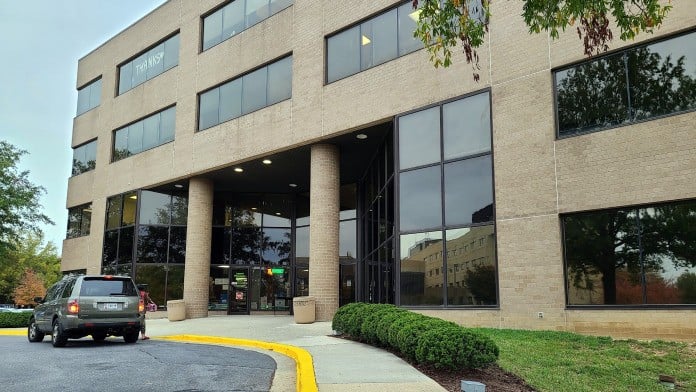
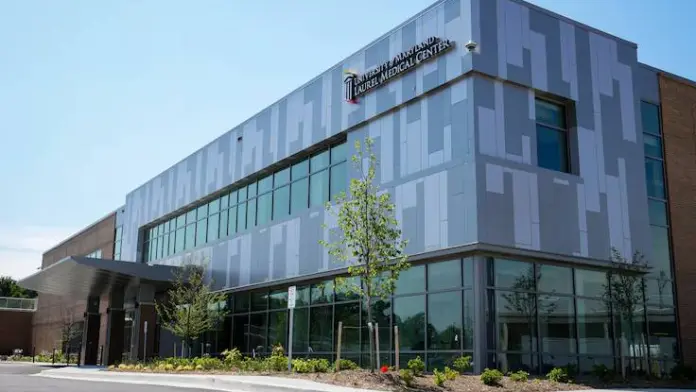
Laurel Regional Hospital Behavioral Health in Laurel, Maryland, is part of the University of Maryland Medical System. They offer a full range of outpatient treatment services including primary, surgical, and behavioral health services, to address acute and chronic health conditions.
They emphasize their model of treatment on wellness and preventative care. For behavioral health, mental health and substance use disorders, they provide an intensive outpatient program and partial hospitalization program. These are step-down treatments following discharge from an inpatient treatment program.
24/7 Emergency Evaluations and Assessments
I find it good to know that they also offer 24/7 emergency evaluations and stabilization services. They provide thorough assessments of your conditions through an integrated team of mental health professionals.
They then work with you to determine the best next step in your treatment and recovery. For stabilization, they provide overnight monitoring and determine the type of program that may be best suited to help you achieve your wellness goals.
Inpatient Treatment for a Variety of Mental Health Disorders
I like that inpatient treatment provides you with a multidisciplinary team of caregivers to address various mental health disorders, dual diagnosis conditions and psychotic illnesses. They provide assessments of your physical and mental state and work with you to create a treatment plan that meets your goals.
Latest Reviews
Very fast process
Response from the owner4 weeks ago
Hi Sosan Ibrahim, Thank you for your review and for letting us care for you. We hope you are feeling better!
I spent a couple days in the emergency room and I can truly tell you from experience that everyone working in that department from the head ER doctor to everyone working in each section of the emergency room all did a fantastic job in making sure that I received optimal care and quality service from the moment of admission, to the time of discharge.
Every department worked together in unity for one goal, and that was to ensure my wellness and safe discharge. I am truly grateful to God Almighty for this team and the love they shared towards my family and I . To God be the glory. Amen.
Response from the owner4 weeks ago
Thank you for your kind review, FellyAutie Love! We are happy you chose us to be your partner in good health and will be sure to pass this along to our staff.
Went in feeling lethargic, had a sore throat, a headache, and was disoriented. Left walking out with no problems, I don’t have a sore throat anymore, I don’t feel lethargic anymore, and I feel 100% better.
Response from the owner4 weeks ago
Erica Cain, we're so happy you had a great experience with us. Thanks for sharing! 
Rehab Score
 Our Methodology
Scoring is assigned by a proprietary system which helps surface key metrics that determine quality. The 10-point scale factors in categories such as operations, customer satisfaction, and trust metrics. Read Full Methodology

5.6 / 10
Gallery
Other Forms of Payment
Self-pay involves paying for treatment out of your own pocket. You can use savings or credit, get a personal loan, or receive help from family and friends to fund your treatment. If you don't have insurance or your insurance plan doesn't cover a specific program, self-pay can help ensure you still get the care you need.
Medicare is a federal program that provides health insurance for those 65 and older. It also serves people under 65 with chronic and disabling health challenges. To use Medicare for addiction treatment you need to find a program that accepts Medicare and is in network with your plan. Out of pocket costs and preauthorization requirements vary, so always check with your provider.
Addiction Treatments
Levels of Care
Outpatient Programs (OP) are for those seeking mental rehab or drug rehab, but who also stay at home every night. The main difference between outpatient treatment (OP) and intensive outpatient treatment (IOP) lies in the amount of hours the patient spends at the facility. Most of the time an outpatient program is designed for someone who has completed an inpatient stay and is looking to continue their growth in recovery. Outpatient is not meant to be the starting point, it is commonly referred to as aftercare.
A partial hospitalization program (PHP) is a short-term form of intensive rehab, usually for those with acute symptoms that are hard to manage but don’t require 24-hour care. PHPs have structured programming (i.e. individual and/or group therapy), and usually meet 3-5 days a week for around 6 hours (i.e. 9am-3m). Some PHPs are residential (patients sleep on site) and some are not, so patients sleep at home. PHPs can last from 1-6 months, and some offer transportation and meals.
Completing a drug or alcohol rehab program shouldn't spell the end of substance abuse treatment. Aftercare involves making a sustainable plan for recovery, including ongoing support. This can include sober living arrangements like halfway houses, career counseling, and setting a patient up with community programs like Alcoholics Anonymous (AA) or Narcotics Anonymous (NA).
Treatments
The goal of treatment for alcoholism is abstinence. Those with poor social support, poor motivation, or psychiatric disorders tend to relapse within a few years of treatment. For these people, success is measured by longer periods of abstinence, reduced use of alcohol, better health, and improved social functioning. Recovery and Maintenance are usually based on 12 step programs and AA meetings.
Once a person has become addicted to a substance, drug rehab in Maryland is often necessary to overcome that addiction. These programs provide the tools individuals need to manage the physical, mental, and emotional issues involved and begin a successful recovery journey.
A combined mental health and substance abuse rehab has the staff and resources available to handle individuals with both mental health and substance abuse issues. It can be challenging to determine where a specific symptom stems from (a mental health issue or an issue related to substance abuse), so mental health and substance abuse professionals are helpful in detangling symptoms and keeping treatment on track.
Opioid rehabs specialize in supporting those recovering from opioid addiction. They treat those suffering from addiction to illegal opioids like heroin, as well as prescription drugs like oxycodone. These centers typically combine both physical as well as mental and emotional support to help stop addiction. Physical support often includes medical detox and subsequent medical support (including medication), and mental support includes in-depth therapy to address the underlying causes of addiction.
Programs
Adult rehab programs include therapies tailored to each client's specific needs, goals, and recovery progress. They are tailored to the specific challenges adult clients may face, including family and work pressures and commitments. From inpatient and residential treatment to various levels of outpatient services, there are many options available. Some facilities also help adults work through co-occurring conditions, like anxiety, that can accompany addiction.
Young adulthood can be an exciting, yet difficult, time of transition. Individuals in their late teens to mid-20s face unique stressors related to school, jobs, families, and social circles, which can lead to a rise in substance use. Rehab centers with dedicated young adult programs will include activities and amenities that cater to this age group, with an emphasis on specialized counseling, peer socialization, and ongoing aftercare.
Clinical Services
Whether a marriage or other committed relationship, an intimate partnership is one of the most important aspects of a person's life. Drug and alcohol addiction affects both members of a couple in deep and meaningful ways, as does rehab and recovery. Couples therapy and other couples-focused treatment programs are significant parts of exploring triggers of addiction, as well as learning how to build healthy patterns to support ongoing sobriety.
Research clearly demonstrates that recovery is far more successful and sustainable when loved ones like family members participate in rehab and substance abuse treatment. Genetic factors may be at play when it comes to drug and alcohol addiction, as well as mental health issues. Family dynamics often play a critical role in addiction triggers, and if properly educated, family members can be a strong source of support when it comes to rehabilitation.
Group therapy is any therapeutic work that happens in a group (not one-on-one). There are a number of different group therapy modalities, including support groups, experiential therapy, psycho-education, and more. Group therapy involves treatment as well as processing interaction between group members.
In individual therapy, a patient meets one-on-one with a trained psychologist or counselor. Therapy is a pivotal part of effective substance abuse treatment, as it often covers root causes of addiction, including challenges faced by the patient in their social, family, and work/school life.
Staff
Mohan Suntha, MD,MBA
President & CEO
Lisa Adkins, RN,JD
Chief Comliance & Privacy Officer
Kara Bowman
Chief of Staff
Kristin Jones Bryce
Senior VP & Chief External Affars Officer
Matthew Clark
Senior VP,Maketing & Communications
Joe Hoffman
Senior VP,CFO
Joel Klein
Seinior VP & CIO
Andrew Pollak
Senior VP,Chief Clinical Officer
Aaron Rabinowitz
Senior VP & General Counsel
Tammy Saunaitis
Chief Human Resources Officer
Rehab.com regularly reviews this listing for accuracy but changes may occur between updates. For the most up-to-date information, please contact Laurel Regional Hospital Behavioral Health.
Contact Information

7150 Contee Rd
Laurel, MD 20707
Get Help Now - 443-376-8502
Sponsored Helpline
Sponsored Helpline