






























































































Nursing and tech staff were courteous and accommodating.
About Mandala Healing Center
The Mental Health Program at the Mandala Healing Center is specifically geared toward helping patients who are struggling with mental health disorders like depression, anxiety, trauma and bipolar disorder. They offer psychotherapy and medication management. They provide a comprehensive treatment plan that includes traditional therapeutic strategies assisted by medical oversight.
A key part of their mental health services is individual therapy, where clients meet with a licensed therapist one on one. This involves providing unique resources for the person to better process emotions, create healthier coping mechanisms and balance their life. Individual therapy can help those struggling with potential long term issues such as trauma or more recent life transitions.
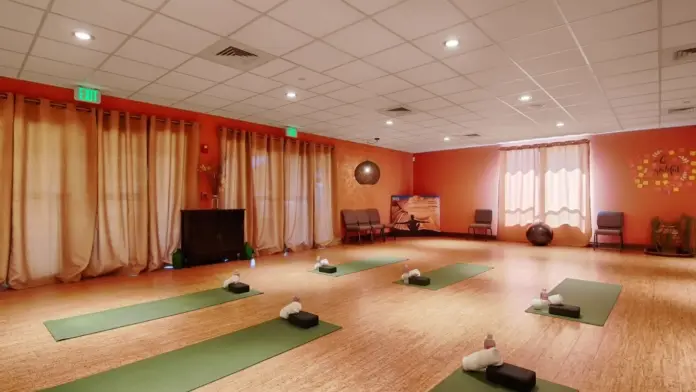
They even have a selection of group therapy sessions where participants can share their common experiences and challenges. Attending a group setting is beneficial because it provides community and peer support as well as having a professional to facilitate activities where you will learn from each other. Holistic practices are also integrated into the mental health treatment that Mandala Healing Center provides, such as yoga and meditation. These can aid in stress reduction and may enhance a sense of well being.
For individuals in need of even more intensive assistance, they offer a partial hospitalization program (PHP). The PHP is an organized program that permits clients to get daily therapeutic support while continuing to live at home. This is especially ideal for individuals who need a more intensive level of care than traditional outpatient services but don’t require supervision.
Mandala Healing Center’s substance abuse programs treat addiction as a disease of body and mind. It starts with detox which is monitored by medical professionals to assist in withdrawal from alcohol, opioids or other drugs. Detox is a very important aspect of recovery, and having medically supervised detox ensures that clients are kept as comfortable and safe as possible while going through the difficult first phase of this process.
After successful completion of detox clients may enter into the residential treatment program. This is a much more immersive and structured recovery process. This program consists of individual therapy where clients can identify the underlying factors leading to their use of mind altering substances and create a plan to avoid relapse. Group therapy sessions enable people to share opinions and ideas with other participants. This allows patients to process their experiences, provide mutual support, and enhance accountability for their life and progress in addiction recovery.
Facility Overview
 31 - 60
 Avg Length of Stay in Days
Latest Reviews
I was a patient here a few months back for mental health problems. Unfortunately the mental health situation has returned. I was wondering if I would be welcomed back if needed. Mandala is a great facility and I am grateful for this. Thank you to Mandala and staff.
Great facility with even better staff!
Response from the owner3 weeks ago
Thank you, Joshua!
One of the best to do it ❤️
Response from the owner3 weeks ago
Thank you, Emma! 
Rehab Score
 Our Methodology
Scoring is assigned by a proprietary system which helps surface key metrics that determine quality. The 10-point scale factors in categories such as operations, customer satisfaction, and trust metrics. Read Full Methodology

7.9 / 10
Gallery



Accepted Insurance
Other Forms of Payment
Private insurance refers to any kind of healthcare coverage that isn't from the state or federal government. This includes individual and family plans offered by an employer or purchased from the Insurance Marketplace. Every plan will have different requirements and out of pocket costs so be sure to get the full details before you start treatment.
Self-pay involves paying for treatment out of your own pocket. You can use savings or credit, get a personal loan, or receive help from family and friends to fund your treatment. If you don't have insurance or your insurance plan doesn't cover a specific program, self-pay can help ensure you still get the care you need.
Medicare is a federal program that provides health insurance for those 65 and older. It also serves people under 65 with chronic and disabling health challenges. To use Medicare for addiction treatment you need to find a program that accepts Medicare and is in network with your plan. Out of pocket costs and preauthorization requirements vary, so always check with your provider.
Military members, veterans, and eligible dependents have access to specific insurance programs that help them get the care they need. TRICARE and VA insurance can help you access low cost or no cost addiction and mental health treatment. Programs that accept military insurance often have targeted treatment focused on the unique challenges military members, veterans, and their families face.
Financing your treatment can make treatment more accessible. You'll work with your care provider to set up payment plans, including interest rates and repayment timelines. Financing options vary widely and not all programs offer them, so be sure to get the full details before enrolling in treatment. If you have insurance or other benefits, financing may help you cover your remaining out of pocket expenses.
Addiction Treatments
Levels of Care
Drug and alcohol addiction often takes a heavy toll on one's body. Over time, a physical dependence can develop, meaning the body physiologically needs the substance to function. Detox is the process of removing drugs and/or alcohol from the body, a process that can be lethal if mismanaged. Medical detox is done by licensed medical professionals who monitor vital signs and keep you safe, healthy, and as comfortable as possible as you go through detox and withdrawal.
As treatment comes to an end and clients leave the campus, true addiction recovery begins. This is the vital time when an individual begins incorporating the healthy lifestyle strategies and routines they learned in treatment into their daily life. Recognizing this crucial challenge in an individual’s recovery, the Mandala Healing Center’s Aftercare Recovery Program provides unmatched support as the client transitions out of their intensive outpatient program, and integrates back into daily life. Their Aftercare Program consists of a variety of continuous care activities for lifetime support.
12-step programs are addiction recovery models based on Alcoholics Anonymous (AA). A number of substance abuse programs (including some drug and alcohol rehab centers) use the 12 steps as a basis for treatment. Beginning steps involve admitting powerlessness over the addiction and creating a spiritual basis for recovery. Middle steps including making direct amends to those who've been hurt by the addiction, and the final step is to assist others in addiction recovery in the same way. 12-Step offshoots including Narcotics Anonymous (NA), Cocaine Anonymous (CA), Dual Recovery Anonymous (DRA), Sex & Love Addicts Anonymous (SLAA) and Gamblers Anonymous (GA). The Mandala Healing Center believes the 12-step process is a great tool that can help achieve lasting sobriety. Because of this, they require their clients to attend outside and inside meetings to become familiar with these programs, connect with a sponsor, and develop solid recovery support systems.
Intervention Services helps family or friends of addicts stage an intervention, which is a meeting in which loved ones share their concerns and attempt to get an addict into treatment. Professional intervention specialists can help loved ones organize, gather, and communicate with an addict. They can guide intervention participants in describing the damage the addict’s behavior is causing and that outside help is necessary to address the addiction. The ideal outcome of an intervention is for the addict to go to rehab and get the help they need. The Mandala Healing Center has developed close, working relationships with a nation-wide network of professional interventionists. Their specializations cover a broad spectrum, including substance use disorders, gambling addiction, unresolved trauma and PTSD, and mental health disorders.
Residential treatment programs are those that offer housing and meals in addition to substance abuse treatment. Rehab facilities that offer residential treatment allow patients to focus solely on recovery, in an environment totally separate from their lives. Some rehab centers specialize in short-term residential treatment (a few days to a week or two), while others solely provide treatment on a long-term basis (several weeks to months). Some offer both, and tailor treatment to the patient's individual requirements.
Treatments
The goal of treatment for alcoholism is abstinence. Those with poor social support, poor motivation, or psychiatric disorders tend to relapse within a few years of treatment. For these people, success is measured by longer periods of abstinence, reduced use of alcohol, better health, and improved social functioning. Recovery and Maintenance are usually based on 12 step programs and AA meetings.
Drug rehab in Florida provides quality treatment to help individuals overcome dependency related to a wide range of addictive substances. Programs address both the physical and mental aspects of addiction in order to help you make a full recovery.
Many of those suffering from addiction also suffer from mental or emotional illnesses like schizophrenia, bipolar disorder, depression, or anxiety disorders. Rehab and other substance abuse facilities treating those with a dual diagnosis or co-occurring disorder administer psychiatric treatment to address the person's mental health issue in addition to drug and alcohol rehabilitation.
A combined mental health and substance abuse rehab has the staff and resources available to handle individuals with both mental health and substance abuse issues. It can be challenging to determine where a specific symptom stems from (a mental health issue or an issue related to substance abuse), so mental health and substance abuse professionals are helpful in detangling symptoms and keeping treatment on track.
Opioid rehabs specialize in supporting those recovering from opioid addiction. They treat those suffering from addiction to illegal opioids like heroin, as well as prescription drugs like oxycodone. These centers typically combine both physical as well as mental and emotional support to help stop addiction. Physical support often includes medical detox and subsequent medical support (including medication), and mental support includes in-depth therapy to address the underlying causes of addiction.
Programs
Adult rehab programs include therapies tailored to each client's specific needs, goals, and recovery progress. They are tailored to the specific challenges adult clients may face, including family and work pressures and commitments. From inpatient and residential treatment to various levels of outpatient services, there are many options available. Some facilities also help adults work through co-occurring conditions, like anxiety, that can accompany addiction.
Young adulthood can be an exciting, yet difficult, time of transition. Individuals in their late teens to mid-20s face unique stressors related to school, jobs, families, and social circles, which can lead to a rise in substance use. Rehab centers with dedicated young adult programs will include activities and amenities that cater to this age group, with an emphasis on specialized counseling, peer socialization, and ongoing aftercare.
Clinical Services
Cognitive Behavioral Therapy (CBT) is a therapy modality that focuses on the relationship between one's thoughts, feelings, and behaviors. It is used to establish and allow for healthy responses to thoughts and feelings (instead of unhealthy responses, like using drugs or alcohol). CBT has been proven effective for recovering addicts of all kinds, and is used to strengthen a patient's own self-awareness and ability to self-regulate. CBT allows individuals to monitor their own emotional state, become more adept at communicating with others, and manage stress without needing to engage in substance abuse.
Creativity is inherently healing, and can help those in recovery express thoughts or feelings they might not otherwise be able to. Creative arts therapy can include music, poetry/writing, painting, sculpting, dance, theater, sandplay, and more. Unlike traditional art, the final product matters far less than the experience of creation and expression itself. When words fail to describe or express thoughts and feelings, art therapy creates a new line of communication for creative self-discovery. With an eye turned inward, art therapy uses the line, form, space, texture, color, and music as a unique and expressive new language.
Eating disorders include anorexia, bulimia, binge eating, and dysfunctional eating patterns. Many psychologists and other mental health professionals consider eating disorders to be food addictions, meaning food is being used in an addictive way (similar to drug or alcohol addiction). Certain substance abuse treatment programs will have treatment for eating disorders as one of the services offered. An eating disorder may also present as a co-occuring disorder or dual diagnosis alongside drug and alcohol addiction.
Experiential therapy is a form of therapy in which clients are encouraged to surface and work through subconscious issues by engaging in real-time experiences. Experiential therapy departs from traditional talk therapy by involving the body, and having clients engage in activities, movements, and physical and emotional expression. This can involve role-play or using props (which can include other people). Experiential therapy can help people process trauma, memories, and emotion quickly, deeply, and in a lasting fashion, leading to substantial and impactful healing.
Research clearly demonstrates that recovery is far more successful and sustainable when loved ones like family members participate in rehab and substance abuse treatment. Genetic factors may be at play when it comes to drug and alcohol addiction, as well as mental health issues. Family dynamics often play a critical role in addiction triggers, and if properly educated, family members can be a strong source of support when it comes to rehabilitation. Mandala Healing Center works together as a team in collaboration with each family system while assisting and encouraging individual work. They have a full-time family therapist on staff designated specifically to support the family at all times. In addition, their three-day, family-focused program is free to all clients and their families.
Group therapy is any therapeutic work that happens in a group (not one-on-one). There are a number of different group therapy modalities, including support groups, experiential therapy, psycho-education, and more. Group therapy involves treatment as well as processing interaction between group members. Interactive group therapy sessions focus on disease concept education, spirituality, trauma, cognitive distortions, coping skills, relapse prevention, self-esteem, stress management, anger management, codependency, communication skills, defense mechanisms, goal-setting, and family systems.
In individual therapy, a patient meets one-on-one with a trained psychologist or counselor. Therapy is a pivotal part of effective substance abuse treatment, as it often covers root causes of addiction, including challenges faced by the patient in their social, family, and work/school life. Clinicians at Mandela Healing Center develop close relationships with clients to build trust and expose the root causes of their addiction. Their highly trained treatment team has expertise in the fields of alcoholism, drug addiction and co-occurring disorders including depression, anxiety and bipolar disorder. Each client has a primary therapist who develops and manages their personalized treatment plan, as well as maintains communication with the families and referents.
Life skills trainings involve all the skills a person must have in order to function successfully in the world. These include time management, career guidance, money management, and effective communication. Truly successful addiction recovery is based on the ability to not only live substance-free, but to thrive. Life skills teaches the practical necessities of functioning in society, which sets clients up for success in life, and therefore sobriety. earning the life skills needed for a productive, enjoyable, and sober life is a vital part of the addiction treatment and recovery process. The compassionate team at Mandela Healing Center teaches strategies and techniques to give clients the best chance for success once they leave their campus.
Nutrition therapy, aka medical nutrition therapy (MNT), is a way of treating physical, emotional, and medical conditions through diet. Specific dietary plans are designed by professional nutritionists or registered dietitians, and patients follow them in order to positively affect their physical and mental health. The dietician at MHC evaluates each new client at the point of his or her particular phase of recovery. Nutritional re-evaluations are then held at Mandala on an ongoing basis. These private sessions are designed to be collaborative and empowering with an emphasis on instilling healthful, life-long eating habits. Additionally, clients may participate in special group sessions and fun, hand-on cooking classes where they are taught the valuable life skill of learning to prepare their own healthy foods.
Dialectical behavior therapy in Florida consists of individual therapy and group instruction. This structured program is a form of psychotherapy that incorporates the development of skills for managing emotions and relationships.
Amenities
-
 Residential Setting
 -
 Yoga Studio
 -
 Gym
Gym -
 Meditation Room
 -
 Massage Room
 -
 Basketball Court
Staff & Accreditations
Staff
Tim Ruh
Executive Director
Dairo Restrepo
Director of Business Development
Bill Bogdan
Director of Finance
Deena Brady
Director Of Operations
Carli Perlman
Stragic Alliance Manager
Cameron Sims
Admissions Team Lead
Accreditations

The Joint Commission, formerly known as JCAHO, is a nonprofit organization that accredits rehab organizations and programs. Founded in 1951, the Joint Commision's mission is to improve the quality of patient care and demonstrating the quality of patient care.
Joint Commission Accreditation: Yes
Rehab.com regularly reviews this listing for accuracy but changes may occur between updates. For the most up-to-date information, please contact Mandala Healing Center.
Contact Information

5408 East Avenue
West Palm Beach, FL 33407
Get Help Now - 772-218-2415
Sponsored Helpline
Sponsored Helpline



