










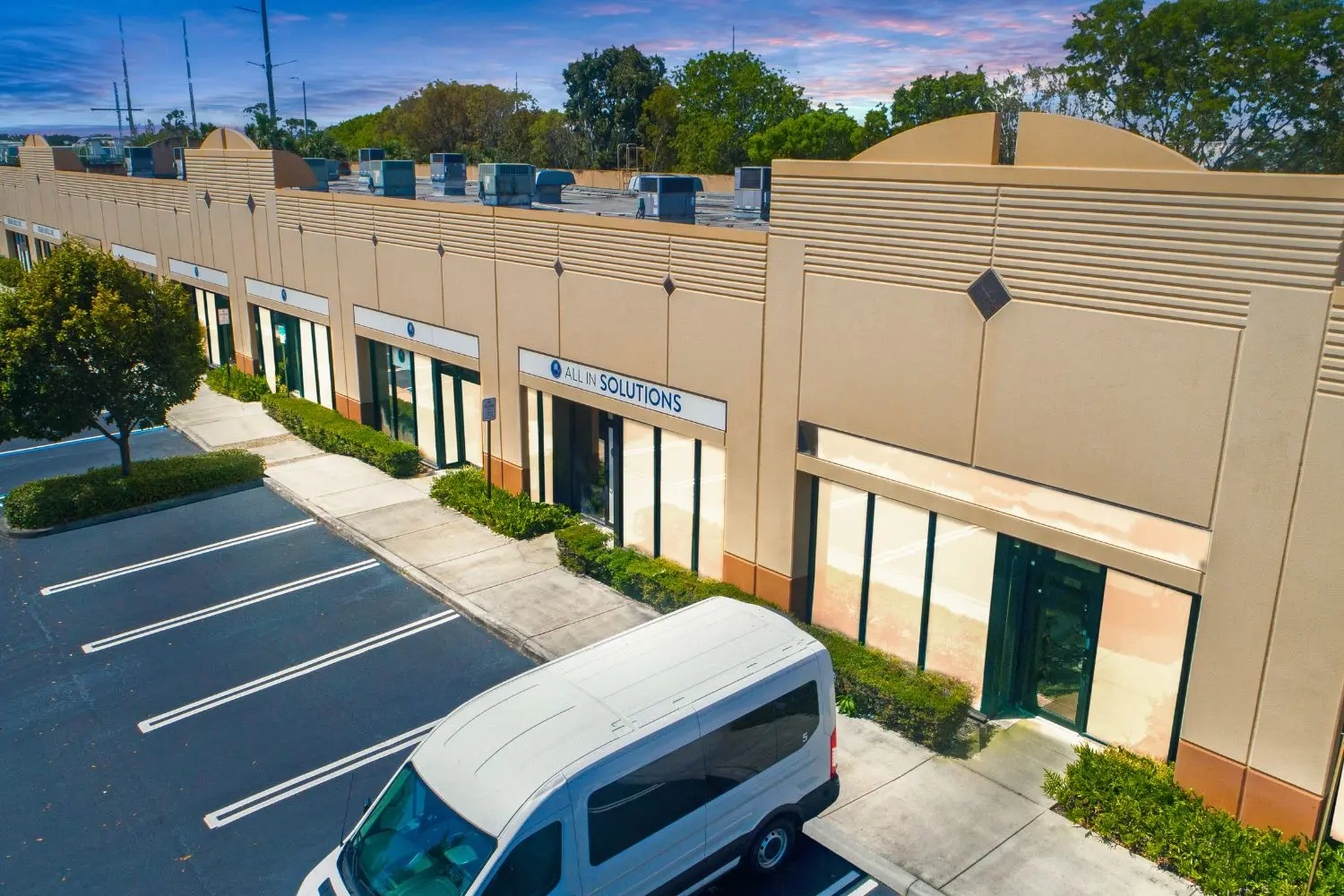
All In Solutions Counseling Center
1
Top 10 Rehab Centers In Boynton Beach




















































































When living through withdrawal, its critical to seek help at a top-rated detox facility. With certain severe cases of addiction, it can be dangerous to quit on your own, without the supervision of medical professionals. For others, medication such as Suboxone or Vivitrol may be required to ensure that the detox process goes smoothly and there aren’t any serious withdrawal symptoms to deal with. It can also reduce your cravings. Your medication would be administered by licensed nurses who can watch you every step of the way.
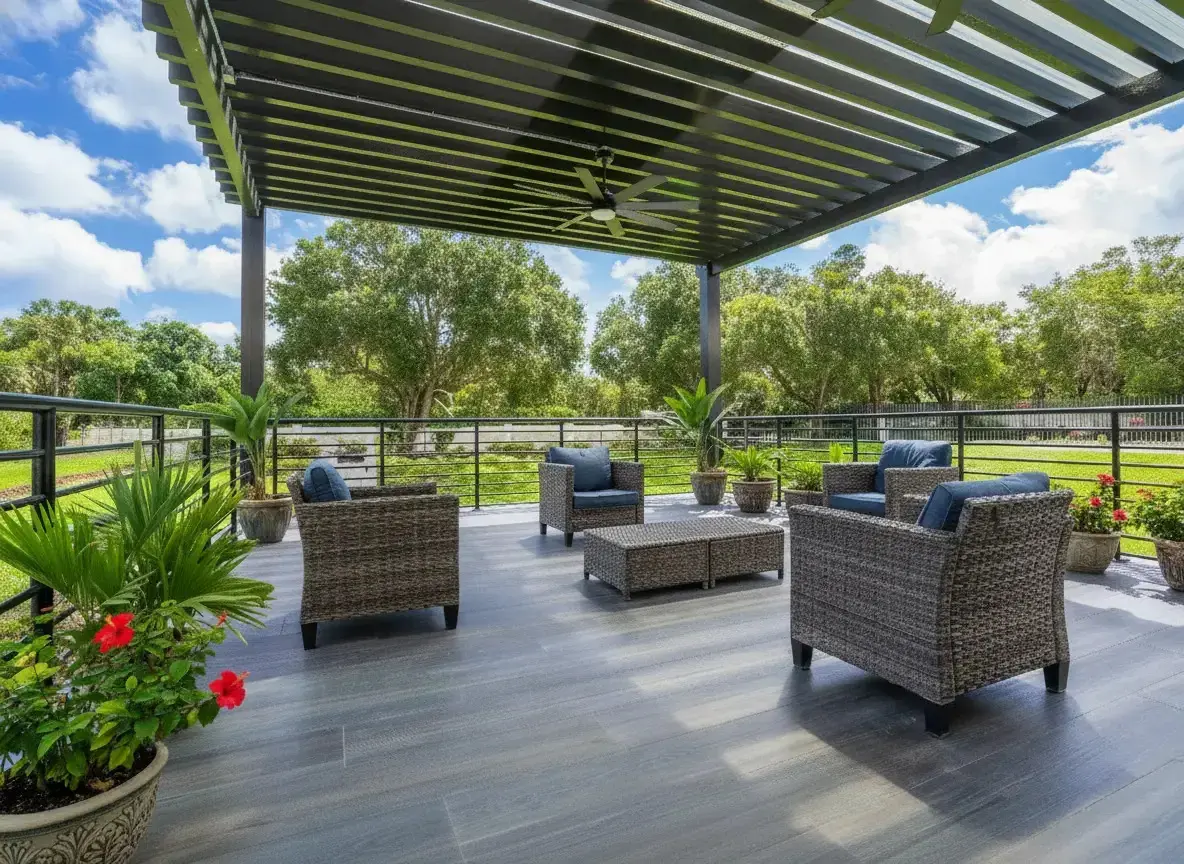
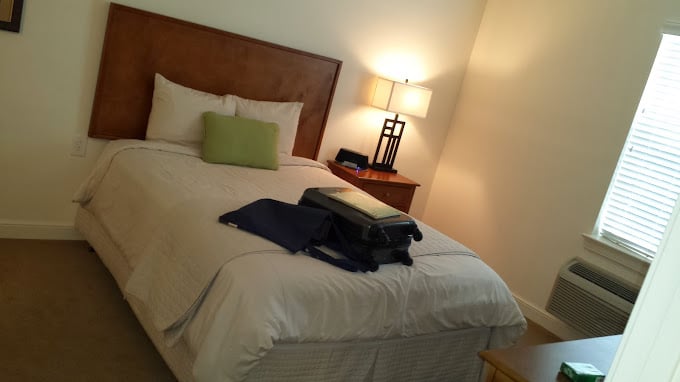
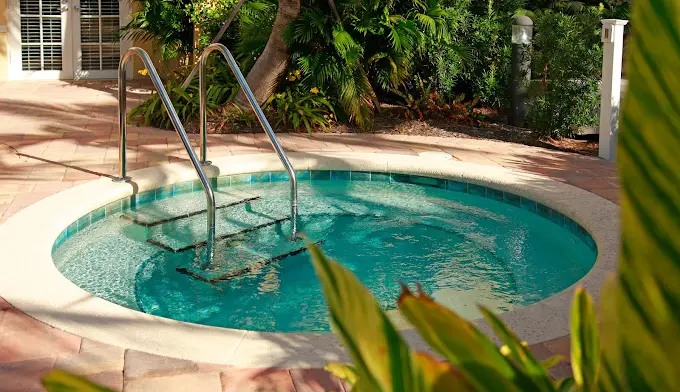
This clinic is also a dual diagnosis center, which means they treat co-occurring mental health conditions as well. Their residential home sits on 9 acres and features plenty of amenities, like a gym, a cafeteria dining area, a library, game rooms, a swimming pool, basketball courts, and tennis courts. They also offer case management to help you out with issues that are stressing you out.
Their outpatient program requires at least three days a week of treatment, and treatment can include counseling services such as individual counseling, group therapy, and family counseling. These can include cognitive (CBT) or dialectical behavioral therapy (DBT) and motivational interviewing (MI). That way, you get at the root of addiction and build up better means to cope.
In addition to this, you’ll take part in experiential activities, creative therapy, mindfulness practices, emotional regulation courses, and relapse prevention.
And, at the end of everything, they’ll help you out even further by giving you a discharge plan to make sure you stay on the right track even after you’ve reentered the real world.
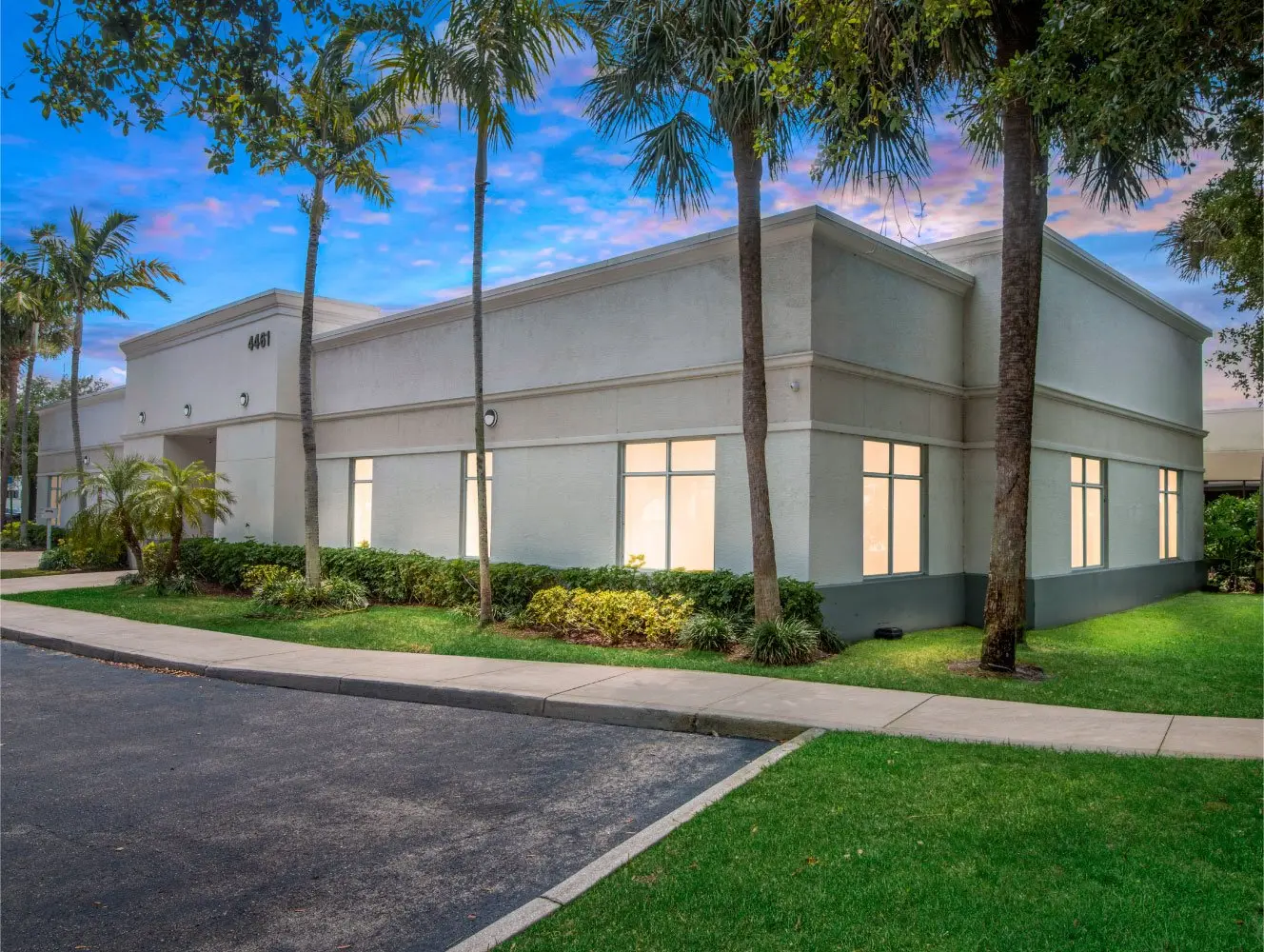

 Our Methodology



Private insurance refers to any kind of healthcare coverage that isn't from the state or federal government. This includes individual and family plans offered by an employer or purchased from the Insurance Marketplace. Every plan will have different requirements and out of pocket costs so be sure to get the full details before you start treatment.
Self-pay involves paying for treatment out of your own pocket. You can use savings or credit, get a personal loan, or receive help from family and friends to fund your treatment. If you don't have insurance or your insurance plan doesn't cover a specific program, self-pay can help ensure you still get the care you need.
Financial aid can take many forms. Centers may have grants or scholarships available to clients who meet eligibility requirements. Programs that receive SAMHSA grants may have financial aid available for those who need treatment as well. Grants and scholarships can help you pai for treatment without having to repay.
Sliding scale payments are based on a client's income and family size. The goal is to make treatment affordable to everyone. By taking these factors into account, addiction recovery care providers help ensure that your treatment does not become a financial burden to you or your family, eliminating one barrier to care.
Medicare is a federal program that provides health insurance for those 65 and older. It also serves people under 65 with chronic and disabling health challenges. To use Medicare for addiction treatment you need to find a program that accepts Medicare and is in network with your plan. Out of pocket costs and preauthorization requirements vary, so always check with your provider.
Medicaid is a state based program that helps lower-income individuals and families pay for healthcare. Medicaid covers addiction treatment so those enrolled can use their coverage to pay for rehab. When a program accepts Medicaid the client often pays very little or nothing out of their own pocket.
Private insurance refers to any kind of healthcare coverage that isn't from the state or federal government. This includes individual and family plans offered by an employer or purchased from the Insurance Marketplace. Every plan will have different requirements and out of pocket costs so be sure to get the full details before you start treatment.
Residential treatment programs are those that offer housing and meals in addition to substance abuse treatment. Rehab facilities that offer residential treatment allow patients to focus solely on recovery, in an environment totally separate from their lives. Some rehab centers specialize in short-term residential treatment (a few days to a week or two), while others solely provide treatment on a long-term basis (several weeks to months). Some offer both, and tailor treatment to the patient's individual requirements.
Outpatient rehabs encompass multiple levels of care to facilitate clients' progress through their recovery journey. Clients who are stepping down from inpatient treatment may require intensive outpatient (IOP) treatment, which involves more frequent and substantive therapeutic interventions than does standard outpatient care. Outpatient centers typically provide extensive addiction counseling, including individual, group, and family therapy. Medication assisted treatment programs (MAT) and recovery-focused life skills training are also common in outpatient care.
Intensive outpatient programs (IOP) involve frequent and robust therapeutic sessions for clients requiring high-level care. Clients may engage in a combination of medication assisted treatment (MAT), addiction counseling, recovery skills training, and holistic therapies for a minimum of nine and a maximum of 20 hours per week. Intensive outpatient rehab is designed primarily for persons in early recovery, those exiting detox or inpatient care, and those at an elevated relapse risk.
12 step programs support recovery through emotional, psychological, and spiritual development to address the root causes of addiction. These programs are peer directed, with participants regularly attending 12 step meetings, which are anonymous, free, and accessible day and night, year-round. Recovery is based on "working the steps" to understand the source of addiction, take accountability for one's life choices, and relinquish control for that which cannot be changed. Age-specific, gender-separate, and other specialized programs are widely available.
A sober living home in Florida often serves as a transitional residence for individuals coming out of inpatient rehab. This helps those in recovery avoid isolation that can sometimes happen after they return home from treatment. It offers a supportive environment where they can practice skills learned in rehab. Offering a combination of structure and freedom, men's or women's sober living is a good stepping stone to independent life in recovery.
Often referred to as "day treatment," a partial hospitalization program (PHP) offers an intensive treatment option that allows individuals to return home at night. PHP treatment typically requires a minimum of 20 hours a week for an average of 90 days. Participants attend daily therapeutic sessions, receive medication management, and have access to skilled medical professionals. While costs can vary, most insurance will fully or partially cover a partial hospitalization program.
24-hour clinical care in Florida is an essential part of treatment, particularly with medical detox. Withdrawal symptoms can be severe, and supervised detox provides around the clock access to medical professionals who can adminsiter proper medications and treatment to address these symptoms and step in should an emergency occur. This intensive clinical care will help curb the withdrawal effects, minimize substance dependence, and prepare you for the next step of treatment.
The first step of the recovery process involves the removal of all drugs and alcohol from your system while under 24/7 medical supervision. Known as a medically assisted detox, you are closely monitored by medical staff who can provide medications, if necessary, to help alleviate any potential withdrawal symptoms. Medical detox is usually followed by a period of inpatient addiction treatment.
Mental health rehabs focus on helping individuals recover from mental illnesses like bipolar disorder, clinical depression, anxiety disorders, schizophrenia, and more. Mental health professionals at these facilities are trained to understand and treat mental health issues, both in individual and group settings.
When a person has alcohol use disorder (AUD), also referred to as alcoholism or alcohol addiction, they experience withdrawal symptoms when they stop drinking. This physical dependence results from overuse of alcohol, which may be used as a coping mechanism or escape. Individuals who have AUD can overcome the alcohol addiction through alcohol rehab in Florida. This treatment process involves essential therapy and supports to help the individual achieve and maintain recovery.
Drug rehab in Florida provides quality treatment to help individuals overcome dependency related to a wide range of addictive substances. Programs address both the physical and mental aspects of addiction in order to help you make a full recovery.
 Opioid Addiction
In Florida, substance abuse treatment focuses on treating mental health and substance use disorders concurrently to improve recovery outcomes and overall health. Levels of care include medical detox, outpatient, residential treatment, and intensive outpatient programs. Clinicians utilize evidence-based therapies such as dialectical behavioral therapy (DBT) or medication-assisted treatment, group therapy, and skills training activities. This comprehensive approach to treatment helps to ensure sustained recovery.
In Florida, dual-diagnosis addiction treatment treats mental health and substance use disorders concurrently to enhance successful recovery outcomes and improve overall health. Specialized rehab programs include medical detox, outpatient, residential treatment, and intensive outpatient programs. Using evidence-based therapies, like dialectical behavioral therapy or medication-assisted treatment, clinicians successfully treat dual-diagnosis addiction and mental health conditions. Other activities include group therapy and skills training, to equip you with the skills required to achieve and sustain your recovery.
Adult rehab programs include therapies tailored to each client's specific needs, goals, and recovery progress. They are tailored to the specific challenges adult clients may face, including family and work pressures and commitments. From inpatient and residential treatment to various levels of outpatient services, there are many options available. Some facilities also help adults work through co-occurring conditions, like anxiety, that can accompany addiction.
Serving in the military is both mentally and physically challenging, and can result in trauma that persists even after combat ends. Military programs are tailored to the specific and often complex needs of active duty personnel, veterans, and military families. Clients often access these programs through the U.S. Department of Veterans Affairs (VA).
Experiential therapy is a form of therapy in which clients are encouraged to surface and work through subconscious issues by engaging in real-time experiences. Experiential therapy departs from traditional talk therapy by involving the body, and having clients engage in activities, movements, and physical and emotional expression. This can involve role-play or using props (which can include other people). Experiential therapy can help people process trauma, memories, and emotion quickly, deeply, and in a lasting fashion, leading to substantial and impactful healing.
Research clearly demonstrates that recovery is far more successful and sustainable when loved ones like family members participate in rehab and substance abuse treatment. Genetic factors may be at play when it comes to drug and alcohol addiction, as well as mental health issues. Family dynamics often play a critical role in addiction triggers, and if properly educated, family members can be a strong source of support when it comes to rehabilitation.
Group therapy is any therapeutic work that happens in a group (not one-on-one). There are a number of different group therapy modalities, including support groups, experiential therapy, psycho-education, and more. Group therapy involves treatment as well as processing interaction between group members.
In individual therapy, a patient meets one-on-one with a trained psychologist or counselor. Therapy is a pivotal part of effective substance abuse treatment, as it often covers root causes of addiction, including challenges faced by the patient in their social, family, and work/school life.
Trauma therapy addresses traumatic incidents from a client's past that are likely affecting their present-day experience. Trauma is often one of the primary triggers and potential causes of addiction, and can stem from child sexual abuse, domestic violence, having a parent with a mental illness, losing one or both parents at a young age, teenage or adult sexual assault, or any number of other factors. The purpose of trauma therapy is to allow a patient to process trauma and move through and past it, with the help of trained and compassionate mental health professionals.
Therapists who apply cognitive behavioral therapy in Florida believe patient thoughts and behaviors are closely linked. They use this treatment method to help clients change their thought patterns so they can also change behaviors and break free from substance abuse.
Dialectical behavior therapy in Florida consists of individual therapy and group instruction. This structured program is a form of psychotherapy that incorporates the development of skills for managing emotions and relationships.
 Equine Therapy
As a short term therapeutic method, motivational interviewing in Florida requires only a couple of sessions. During these sessions, you'll have the opportunity to talk about your circumstances and any discrepancies between your current situation and future goals. You'll then decide for yourself what changes you want to make.
During couples therapy in Florida, your therapist will take steps to get to know you, help you identify feelings, explore the past, develop solutions, and help you learn skills to manage relationship challenges. This process will allow you to work through conflict and strengthen your relationship.
 Eye Movement Desensitization And Reprocessing
Life skills are the core skills you need for daily success. They can include self care, stress management, daily routines, and emotion control. Rehab treatment includes the development of these skills so you have the tools you need for long term recovery.
Substance abuse creates biochemical imbalances in your body and brain. By implementing dietary changes, you can restore that balance. This is the goal of nutrition therapy in Florida. You'll gain an understanding of what nutrients your body needs and learn best self care practices.
Recreational therapy helps you recover from addiction by giving you structured activities that promote your physical health and mental well being. These activities could range from sports and fitness to creative arts and provide a constructive outlet for your emotions and stress.
Types of creative arts therapy in Florida include playing music, writing poetry, journaling, dancing, painting, and sculpting. These expressive activities can help you process emotions and work through challenges with the guidance of a creative arts therapist.
 Yoga Studio
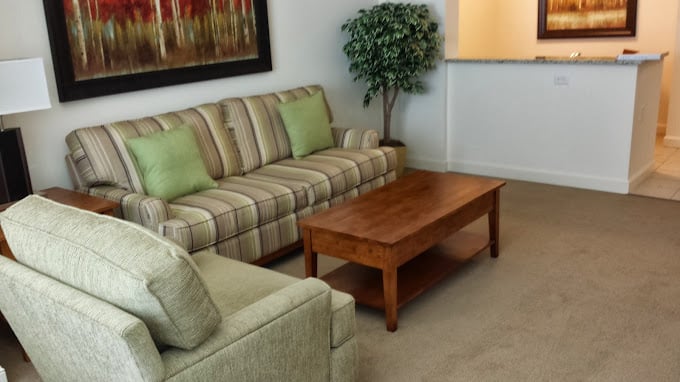
  Private Rooms
  Residential Setting
  Private Setting
  Swimming Pool
  Tennis Court
  Basketball Court
  Art Activities
  Gym
Gym 
CEO

Executive Director & COO

Executive Medical Director
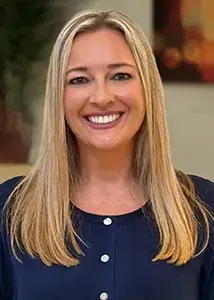
Executive Clinical Director
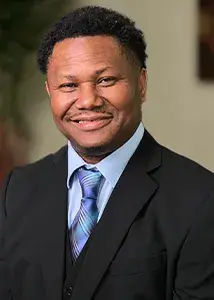
VP of Client & Staff Services
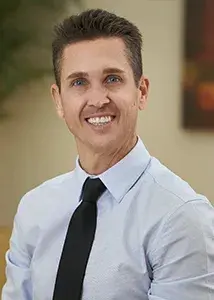
Director of Business Development

Director of Operations
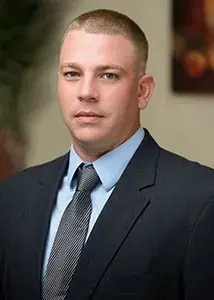
Director of Admissions

The Joint Commission, formerly known as JCAHO, is a nonprofit organization that accredits rehab organizations and programs. Founded in 1951, the Joint Commision's mission is to improve the quality of patient care and demonstrating the quality of patient care.
Joint Commission Accreditation: Yes

LegitScript has reviewed Futures Recovery Healthcare as part of their certification program, and has determined that it meets the LegitScript standards for legality, safety and transparency.
LegitScript verified in July 2021

The National Association of Addiction Treatment Providers (NAATP) is a professional association that represents organizations in the field of addiction services. Founded in 1978, NAATP's mission is to advance addiction services and ensure that high-quality addiction treatment is available and accessible.
NAATP Member: Yes

State Licenses are permits issued by government agencies that allow rehab organizations to conduct business legally within a certain geographical area. Typically, the kind of program a rehab facility offers, along with its physical location, determines which licenses are required to operate legally.
State License: Florida
Rehab.com regularly reviews this listing for accuracy but changes may occur between updates. For the most up-to-date information, please contact Futures Recovery Healthcare.

701 North Old Dixie Highway
Tequesta, FL 33469
Sponsored Helpline

It is a BEAUTIFUL campus. The entire staff has been extremely accommodating. It facilitates a wonderful community.

Absolutely amazing. Not the same person today as when i walked in 30 days ago. Futures gave me a better and brighter path to succeed in my recovery. I am forever grateful.

Future's family is best

 Back
Back
Sharing your insights and experiences can help others learn more about this rehab center.
 Written By: Benjamin Cardenas


