




























































































About Beachway Therapy Center
At one of the leading detox facilities in Florida, you’ll receive medical monitoring and 24 hour nursing care. This phase can take a few days or a few weeks as the toxins leave your body. It may or may not include medication depending on your unique situation.
The residential program includes intensive therapy with a holistic approach. You’ll have access to evidence based therapies such as cognitive behavioral therapy (CBT), Eye Movement Desensitization and Reprocessing (EMDR), and dialectical behavior therapy (DBT). They offer yoga, art, and music therapy as well as trauma therapy and family sessions.
The partial hospitalization program (PHP) gives you structured daytime treatment, but you can return home in the evening. They also offer an intensive outpatient program (IOP) and outpatient services to help you with support for sustained success in your recovery.
The center also offers a Christian rehab program incorporating Biblical principles along with evidence based therapies. There are Bible studies and faith centered group discussions along with spiritual guidance.
Most of their patients with substance use disorder have other mental health issues. All of the programs put your mental health at the center of your recovery. Former patients mentioned how thankful they were to learn the tools they needed to move forward in their lives while living a sober lifestyle.
Latest Reviews



Rehab Score
 Our Methodology


Gallery




Accepted Insurance

Other Forms of Payment
Private insurance refers to any kind of healthcare coverage that isn't from the state or federal government. This includes individual and family plans offered by an employer or purchased from the Insurance Marketplace. Every plan will have different requirements and out of pocket costs so be sure to get the full details before you start treatment.
Self-pay involves paying for treatment out of your own pocket. You can use savings or credit, get a personal loan, or receive help from family and friends to fund your treatment. If you don't have insurance or your insurance plan doesn't cover a specific program, self-pay can help ensure you still get the care you need.
Military members, veterans, and eligible dependents have access to specific insurance programs that help them get the care they need. TRICARE and VA insurance can help you access low cost or no cost addiction and mental health treatment. Programs that accept military insurance often have targeted treatment focused on the unique challenges military members, veterans, and their families face.
Addiction Treatments
Levels of Care
Rehab aftercare programs are a collection of highly individualized services designed to promote long-term recovery. These services evolve as your needs change. Case managers and recovery teams typically begin formulating the rehab aftercare service plan early in the recovery process to facilitate your reintegration back into the home, workplace, and community.
A drug detox is the physical and emotional process of overcoming a dependence on an addictive substance and learning to live a clean life that’s free of that dependence. At drug treatment and detox rehab centers in Florida like Beachway, they focus on clean living, supportive environments, personalized therapy, and life-skills learning that will provide clients with a strong foundation to live a happy and healthy life that’s drug-free, independent, and productive. Beachway’s drug detox programs provide counseling, medical treatment, and knowledgeable staff. This combination of services makes the detox process as stress-free and comfortable as possible, making it easier for clients to break the cycle of addiction.
Clients typically choose inpatient rehab when they are in early recovery or are experiencing a crisis that puts them at an increased risk of relapse. They reside at the treatment center for the length of their program, which may range from two weeks to more than 18 months, depending on the program design. Intensive psychotherapy is often the primary treatment modality, but clients in inpatient care may also receive holistic treatment and recovery-focused life skills training.
Intensive Outpatient Programs offer regular group therapy sessions, which are led by trained professionals. These therapy sessions are available to cover a variety of topics, addictions, and stages of recovery. These topics can include developing processes to help manage emotions and stressors, understanding “trigger” feelings and situations which may lead to abuse, money management strategies and planning, and how to adapt to unfamiliar and stressful situations.
Outpatient rehabs encompass multiple levels of care to facilitate clients' progress through their recovery journey. Clients who are stepping down from inpatient treatment may require intensive outpatient (IOP) treatment, which involves more frequent and substantive therapeutic interventions than does standard outpatient care. Outpatient centers typically provide extensive addiction counseling, including individual, group, and family therapy. Medication assisted treatment programs (MAT) and recovery-focused life skills training are also common in outpatient care.
Often referred to as "day treatment," a partial hospitalization program (PHP) offers an intensive treatment option that allows individuals to return home at night. PHP treatment typically requires a minimum of 20 hours a week for an average of 90 days. Participants attend daily therapeutic sessions, receive medication management, and have access to skilled medical professionals. While costs can vary, most insurance will fully or partially cover a partial hospitalization program.
24-hour clinical care in Florida is an essential part of treatment, particularly with medical detox. Withdrawal symptoms can be severe, and supervised detox provides around the clock access to medical professionals who can adminsiter proper medications and treatment to address these symptoms and step in should an emergency occur. This intensive clinical care will help curb the withdrawal effects, minimize substance dependence, and prepare you for the next step of treatment.
Telehealth offers many benefits for Florida residents. It lets you see your healthcare provider from anywhere. This saves time because you don't have to travel to a doctor's office or take time off work to get there. It also provides more options, because you can choose health care specialists who are located far from you.
Treatments
Beachway goes beyond the 12 Steps. They match every individual with a therapy team and customized treatment plan that can include the Alcoholics Anonymous 12-Step Program and other therapies, including cognitive behavioral therapy (CBT), group therapy, individual therapy and other modalities. There’s no one-size-fits-all alcohol treatment program, which is why we provide a variety of proven, interactive therapies that include services such as therapeutic excursions, equine therapy, yoga, art therapy and full spa services.
Drug rehab in Florida provides quality treatment to help individuals overcome dependency related to a wide range of addictive substances. Programs address both the physical and mental aspects of addiction in order to help you make a full recovery.
Many of those suffering from addiction also suffer from mental or emotional illnesses like schizophrenia, bipolar disorder, depression, or anxiety disorders. Rehab and other substance abuse facilities treating those with a dual diagnosis or co-occurring disorder administer psychiatric treatment to address the person's mental health issue in addition to drug and alcohol rehabilitation.
When clients are facing mental health and substance abuse issues, they can feel trapped by addiction and its rollercoaster. Recovering from alcohol or drug dependence is a complex journey that also requires addressing anxiety, depression, bipolar disorder, PTSD and other mental health concerns.
Opioid rehabs specialize in supporting those recovering from opioid addiction. They treat those suffering from addiction to illegal opioids like heroin, as well as prescription drugs like oxycodone. These centers typically combine both physical as well as mental and emotional support to help stop addiction. Physical support often includes medical detox and subsequent medical support (including medication), and mental support includes in-depth therapy to address the underlying causes of addiction.
In Florida, substance abuse treatment focuses on treating mental health and substance use disorders concurrently to improve recovery outcomes and overall health. Levels of care include medical detox, outpatient, residential treatment, and intensive outpatient programs. Clinicians utilize evidence-based therapies such as dialectical behavioral therapy (DBT) or medication-assisted treatment, group therapy, and skills training activities. This comprehensive approach to treatment helps to ensure sustained recovery.
Programs
Adult rehab programs include therapies tailored to each client's specific needs, goals, and recovery progress. They are tailored to the specific challenges adult clients may face, including family and work pressures and commitments. From inpatient and residential treatment to various levels of outpatient services, there are many options available. Some facilities also help adults work through co-occurring conditions, like anxiety, that can accompany addiction.
Young adulthood can be an exciting, yet difficult, time of transition. Individuals in their late teens to mid-20s face unique stressors related to school, jobs, families, and social circles, which can lead to a rise in substance use. Rehab centers with dedicated young adult programs will include activities and amenities that cater to this age group, with an emphasis on specialized counseling, peer socialization, and ongoing aftercare.
Clinical Services
Therapists who apply cognitive behavioral therapy in Florida believe patient thoughts and behaviors are closely linked. They use this treatment method to help clients change their thought patterns so they can also change behaviors and break free from substance abuse.
Dialectical behavior therapy in Florida consists of individual therapy and group instruction. This structured program is a form of psychotherapy that incorporates the development of skills for managing emotions and relationships.
The use of horses as part of a therapeutic treatment can help people achieve growth in their emotional and personal lives, particularly if their priorities have become unclear. When used as part of a substance abuse program, equine therapy for addiction can provide significant benefits to some individuals.
Group therapy is any therapeutic work that happens in a group (not one-on-one). There are a number of different group therapy modalities, including support groups, experiential therapy, psycho-education, and more. Group therapy involves treatment as well as processing interaction between group members.
In individual therapy, a patient meets one-on-one with a trained psychologist or counselor. Therapy is a pivotal part of effective substance abuse treatment, as it often covers root causes of addiction, including challenges faced by the patient in their social, family, and work/school life.
Trauma therapy addresses traumatic incidents from a client's past that are likely affecting their present-day experience. Trauma is often one of the primary triggers and potential causes of addiction, and can stem from child sexual abuse, domestic violence, having a parent with a mental illness, losing one or both parents at a young age, teenage or adult sexual assault, or any number of other factors. The purpose of trauma therapy is to allow a patient to process trauma and move through and past it, with the help of trained and compassionate mental health professionals.
 Eye Movement Desensitization And Reprocessing
Drugs and alcohol impact the system differently. Although one thing is true: people who abuse substances such as alcohol and drugs are malnourished. Between eating poorly and the effects that drugs or alcohol have on patients system, metabolism, organ function, and mental health are all affected by what goes into the body. When clients enter rehab at Beachway, they have access to a nutritionist to help get them back on track, fueling their body in a way that will promote health and longevity and make them feel better. Providing services such as nutritional evaluations, counseling for weight management and counseling for nutritional needs to help with eating disorders, substance abuse, and other mental illnesses, nutritionist can provide the tools to eat well during recovery and for the rest of their life.
Recreational therapy helps you recover from addiction by giving you structured activities that promote your physical health and mental well being. These activities could range from sports and fitness to creative arts and provide a constructive outlet for your emotions and stress.
Your mind, body, and emotions interact in complex ways. Experiential therapy addresses all three of these aspects. Interactive and creative activities provide physical sensations and evoke emotional responses. These offer insight into how you interact with the world and any negative patterns you need to change.
 Sound Therapy
Amenities
-
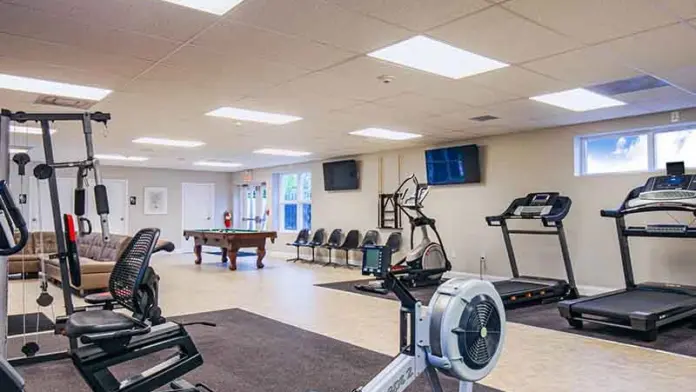
 Gym
Gym -
 Yoga Studio
 -
 Residential Setting
 -
 Private Rooms
 -
 Swimming Pool
 -
 Lakeside
Staff & Accreditations
Staff
Denis Holmes
CEO
Pamela Egan
CFO

Chef Rocky
Executive Chef
Dr. Duy Nguyen
Medical Director
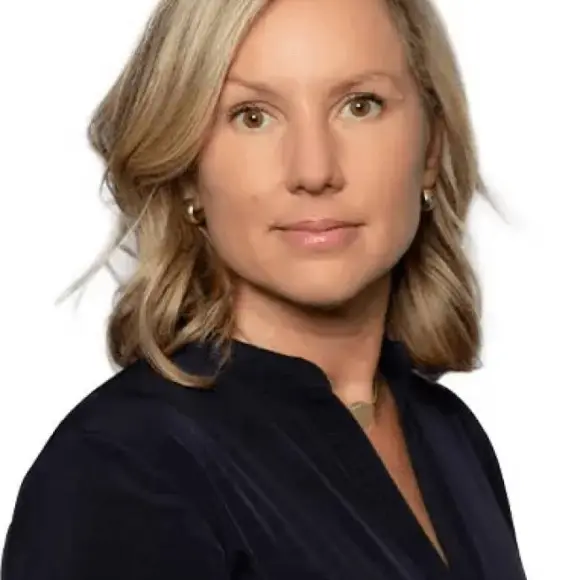
Heather Baker-Carr
COO
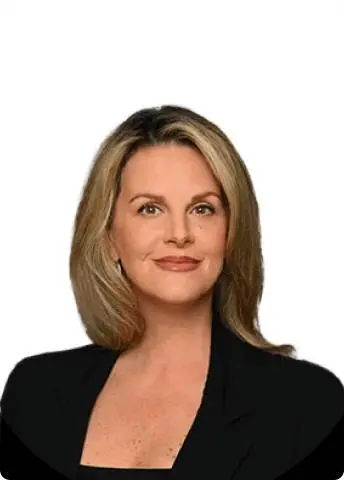
Loren Miller
Chief Nursing Officer
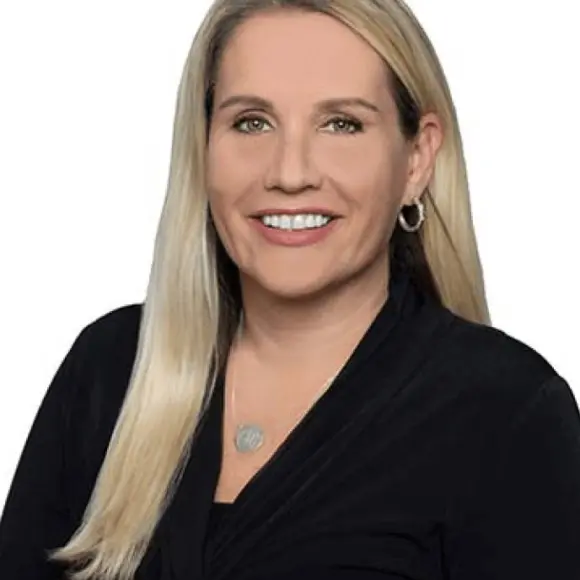
Carrie Carlton, LCSW, QS, CCTP
VP of Clinical Services
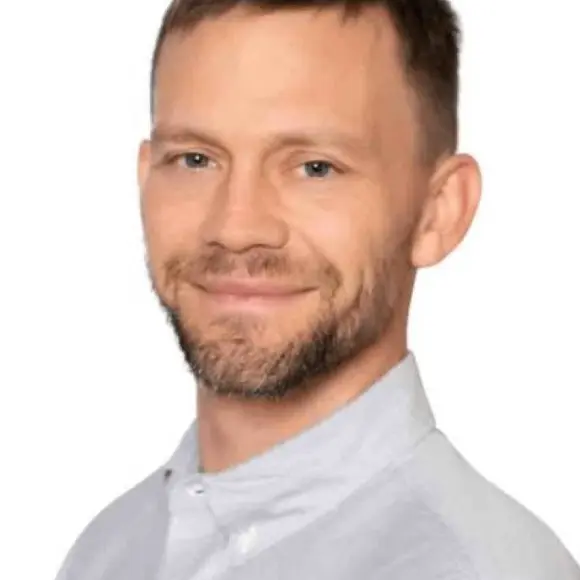
Brian McSwain, LMHC
Program Director
Accreditations

LegitScript has reviewed Beachway Therapy Center as part of their certification program, and has determined that it meets the LegitScript standards for legality, safety and transparency.
LegitScript verified in

The Joint Commission, formerly known as JCAHO, is a nonprofit organization that accredits rehab organizations and programs. Founded in 1951, the Joint Commision's mission is to improve the quality of patient care and demonstrating the quality of patient care.
Joint Commission Accreditation: Yes

The National Association of Addiction Treatment Providers (NAATP) is a professional association that represents organizations in the field of addiction services. Founded in 1978, NAATP's mission is to advance addiction services and ensure that high-quality addiction treatment is available and accessible.
NAATP Member: Yes
Rehab.com regularly reviews this listing for accuracy but changes may occur between updates. For the most up-to-date information, please contact Beachway Therapy Center.
Contact Information


1700 N. Dixie Hwy
West Palm Beach, FL 33407
Sponsored Helpline


