





























































































About Mental Rehabilitation of Harris County – Long Drive
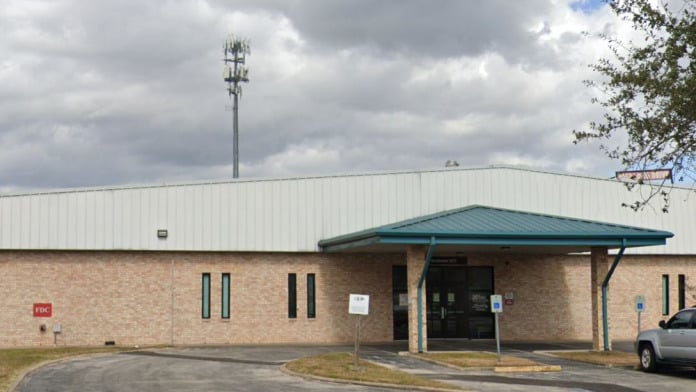
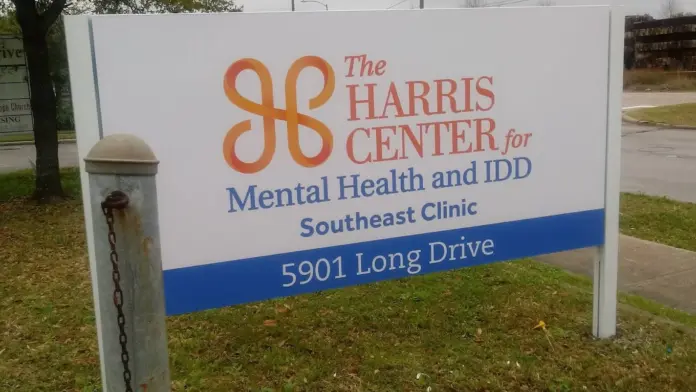
Mental Rehabilitation of Harris County on Long Drive is a behavioral health center in Houston, Texas. The organization has numerous locations but this one is their Southeast Community Service Center. They offer an expansive range of services to support both adults and children facing mental health and substance use challenges. For adults they provide several different programs for addiction and mental health.
Recovery Services for Addiction
This behavioral health center has a few different programs for drug and alcohol addiction. Their treatment services take an in depth approach for people with a dual diagnosis. That means they treat both addiction and co occurring mental health conditions. They treat addiction using cognitive behavioral therapy or CBT. It’s an evidence based approach to addressing negative thought patterns and behaviors. While they have treatment for nearly any stage of recovery they also have a specialized detox program that has inpatient care.
They have a unique program too for substance abuse outreach. In this program the team goes out into the community to help people get the help they need. They’ll give you a thorough assessment and will refer you to the programs that will benefit your recovery like addiction treatment and detox.
Services and Programs for Mental Health Along with Addiction
This treatment center has programs for many different aspects and needs in mental health. They have a program to help people in the criminal justice system to regain the skills needed to participate in court. They also offer a program for quitting tobacco and a Supported Housing Program for people transitioning from treatment back into the community, providing stable housing options while they continue recovery.
One unique program they offer is P.E.E.R.S. for Hope House. This initiative helps people with mental health challenges to establish supportive and stable living conditions. It promotes peer support as clients work through their recovery process together.
Accessible and Affordable Addiction Treatment
The facility is located in Houston and easily accessible for residents seeking high-quality treatment. With a variety of insurance options available, Mental Rehabilitation of Harris County – Long Drive stands out as a critical resource for individuals and families seeking comprehensive care for mental health and addiction recovery.
Facility Overview
 116
116 Latest Reviews



Rehab Score
 Our Methodology


Gallery
Other Forms of Payment
Private insurance refers to any kind of healthcare coverage that isn't from the state or federal government. This includes individual and family plans offered by an employer or purchased from the Insurance Marketplace. Every plan will have different requirements and out of pocket costs so be sure to get the full details before you start treatment.
Self-pay involves paying for treatment out of your own pocket. You can use savings or credit, get a personal loan, or receive help from family and friends to fund your treatment. If you don't have insurance or your insurance plan doesn't cover a specific program, self-pay can help ensure you still get the care you need.
Financial aid can take many forms. Centers may have grants or scholarships available to clients who meet eligibility requirements. Programs that receive SAMHSA grants may have financial aid available for those who need treatment as well. Grants and scholarships can help you pai for treatment without having to repay.
Medicaid is a state based program that helps lower-income individuals and families pay for healthcare. Medicaid covers addiction treatment so those enrolled can use their coverage to pay for rehab. When a program accepts Medicaid the client often pays very little or nothing out of their own pocket.
Addiction Treatments
Levels of Care
Outpatient Programs (OP) are for those seeking mental rehab or drug rehab, but who also stay at home every night. The main difference between outpatient treatment (OP) and intensive outpatient treatment (IOP) lies in the amount of hours the patient spends at the facility. Most of the time an outpatient program is designed for someone who has completed an inpatient stay and is looking to continue their growth in recovery. Outpatient is not meant to be the starting point, it is commonly referred to as aftercare.
Inpatient rehab programs are geared toward clients in early recovery. They also provide intensive support for clients in crisis and those at an increased relapse risk. Clients receive housing and meals while in inpatient care, allowing them to focus solely on their recovery. Most programs prioritize addiction counseling but may draw on various psychotherapeutic modalities, including CBT, DBT, RBT, trauma therapy, and motivational interviewing. Life skills training and holistic therapies are also common in inpatient care.
Intensive outpatient programs offer high-level care for clients as an increased risk of relapse, including those in early recovery, those with a strong history of relapse, and those experiencing a crisis. Intensive outpatient treatment typically requires clients to engage in nine to 20 hours of care weekly, with treatment modalities that combine psychotherapy and recovery education, and holistic therapies, such as acupuncture and animal therapy. Medication assisted treatment (MAT) is also common in alcohol and/or opioid recovery.
A drug intervention in Texas may be necessary if your loved one is in denial about a substance use disorder. You can partner with intervention services to plan and execute an effective intervention that educates your loved one about addiction and encourages them to get the treatment they need. Many rehab centers offer intervention specialists who can facilitate the intervention and help with a seamless transition to inpatient rehab for treatment.
Ridding the body of harmful, addictive substances, also known as detoxification, is usually the first phase of recovery. Those going through medically assisted detox can be administered medications by a team of medical professionals who are on-site 24/7 to provide different types of therapies that help mitigate withdrawal symptoms.
Treatments
Many of those suffering from addiction also suffer from mental or emotional illnesses like schizophrenia, bipolar disorder, depression, or anxiety disorders. Rehab and other substance abuse facilities treating those with a dual diagnosis or co-occurring disorder administer psychiatric treatment to address the person's mental health issue in addition to drug and alcohol rehabilitation.
Mental health rehabs focus on helping individuals recover from mental illnesses like bipolar disorder, clinical depression, anxiety disorders, schizophrenia, and more. Mental health professionals at these facilities are trained to understand and treat mental health issues, both in individual and group settings.
Programs
Adult rehab programs include therapies tailored to each client's specific needs, goals, and recovery progress. They are tailored to the specific challenges adult clients may face, including family and work pressures and commitments. From inpatient and residential treatment to various levels of outpatient services, there are many options available. Some facilities also help adults work through co-occurring conditions, like anxiety, that can accompany addiction.
Young adulthood can be an exciting, yet difficult, time of transition. Individuals in their late teens to mid-20s face unique stressors related to school, jobs, families, and social circles, which can lead to a rise in substance use. Rehab centers with dedicated young adult programs will include activities and amenities that cater to this age group, with an emphasis on specialized counseling, peer socialization, and ongoing aftercare.
Clinical Services
Cognitive Behavioral Therapy (CBT) is a therapy modality that focuses on the relationship between one's thoughts, feelings, and behaviors. It is used to establish and allow for healthy responses to thoughts and feelings (instead of unhealthy responses, like using drugs or alcohol). CBT has been proven effective for recovering addicts of all kinds, and is used to strengthen a patient's own self-awareness and ability to self-regulate. CBT allows individuals to monitor their own emotional state, become more adept at communicating with others, and manage stress without needing to engage in substance abuse.
Group therapy is any therapeutic work that happens in a group (not one-on-one). There are a number of different group therapy modalities, including support groups, experiential therapy, psycho-education, and more. Group therapy involves treatment as well as processing interaction between group members.
In individual therapy, a patient meets one-on-one with a trained psychologist or counselor. Therapy is a pivotal part of effective substance abuse treatment, as it often covers root causes of addiction, including challenges faced by the patient in their social, family, and work/school life.
Trauma therapy addresses traumatic incidents from a client's past that are likely affecting their present-day experience. Trauma is often one of the primary triggers and potential causes of addiction, and can stem from child sexual abuse, domestic violence, having a parent with a mental illness, losing one or both parents at a young age, teenage or adult sexual assault, or any number of other factors. The purpose of trauma therapy is to allow a patient to process trauma and move through and past it, with the help of trained and compassionate mental health professionals.
Amenities
-
 Residential Setting
Staff

Wayne Young, MBA, LPC, FACHE
CEO

Mustafa Cochinwala
CIO

Dr. Luming Li, MD, MHS
Chief Medical Officer

Keena Pace, LCSW
COO

Joseph Gorczyca, SPHR
Interim Chief Administration Officer

Kendra Thomas, JD, LPC
General Councel

Kia Walker, RN, MSN
Chief Nursing Officer

Stanley C. Adams, MBA
CFO
Rehab.com regularly reviews this listing for accuracy but changes may occur between updates. For the most up-to-date information, please contact Mental Rehabilitation of Harris County – Long Drive.
Contact Information


5901 Long Drive
Houston, TX 77087
Sponsored Helpline



