






























































































I went there recently on October 6th, 2023 as a 13 year old patient. I can't even hold it in anymore. Northlake is a terrible place to go if you're looking for help. There's ants and bugs basically everywhere you go, and the staff are no better. Have trauma and need to vent ...
About Northlake Behavioral Health System
Their programs use a recovery model, highlighting identity, hope, meaning, empowerment and connectedness. They help adults reach their recovery goals with personalized treatment plans including holistic best practices. You can participate in group and individual sessions, incorporating crisis intervention therapy, cognitive behavioral therapy (CBT), solution-based therapy, psychotherapy, the Matrix Model, and more. You’ll also benefit from addiction education, medication assisted treatment (MAT), 12 Step groups and peer support.
What stands out most to me is their holistic therapies. They help you nurture your mind, body, and soul with expressive interventions. Of these approaches, art and music therapy really stood out.
Art therapy allows you to express yourself and process your thoughts through drawing, painting, sculpturing, and coloring. Music therapy offers a fun way to explore your behavior patterns in a relaxing, inviting atmosphere. You can play instruments, sing, write songs and more. You’ll benefit from new creative outlets to cope with challenges and share your feelings in a healthy way.
Another standout feature I noticed was their Virtual Reality Therapy (VRT). If you’re struggling with trauma as well as addiction, this approach can help you overcome past traumatic experiences. VRT is a computer exposure therapy that immerses you in a simulated experience. You’ll benefit from learning to separate your memory from the trigger and growing in recovery.
Latest Reviews
Great staff super understanding and helpful 10/10
I had to come from Arkansas to pick up Austin Mitchell Mo. The people there very qualified to do business. Very nice, very polite smiles on her face. Miss palette really does a great job very experienced. Very nice. I have no complaints with none of them. People over there. I respect you. God bless you and keep up the great work. I love you very much. Thank you for everything you've done for me.
Response from the owner1 day ago
Thank you for taking the time to leave a review. We are committed to proving quality and compassionate care to the community we serve.
Mixed Experience – Amazing Staff, Poor Facility
I recently spent time at this mental health hospital, and while my overall experience was a mixed bag, one thing which stood out above everything else was the staff. Particularly one of the Techs named Mason.
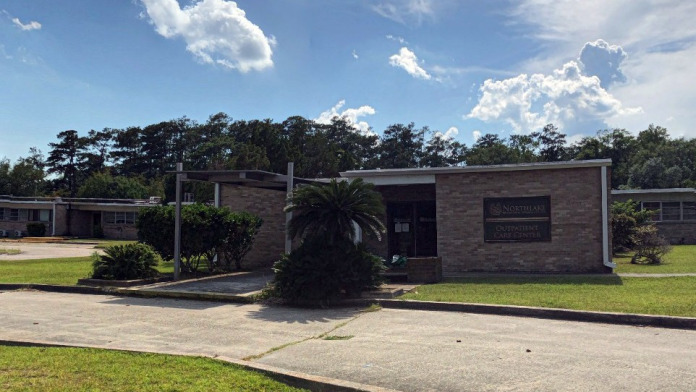
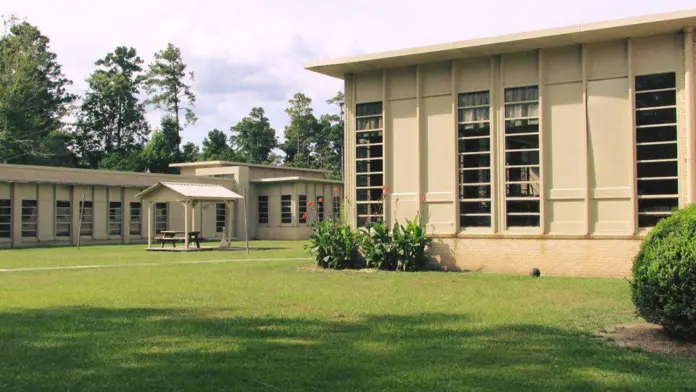
Let’s start with the downside. The facility itself is in desperate need of updates. The environment felt more institutional than therapeutic — fluorescent lighting, peeling paint, and a general sense of neglect. Some of the common areas felt cramped and outdated, and there were moments where basic supplies or comfort items were in short supply. For a place meant to promote healing, the physical space sometimes felt more discouraging than supportive.
That said, the staff truly made all the difference. Despite working with limited resources, they showed compassion, patience, and a real commitment to helping patients feel seen and safe. Mason, in particular, stood out as a rare kind of person — calm under pressure, attentive without being overbearing, and able to bring humor and warmth to even the hardest moments. He always showed up with a smile and great energy, and I continually saw him go out of his way in order to help anyone he could. He treated everyone with respect and genuine kindness, which made a lasting impact on me and I'm sure many others.
While I can't say I’d recommend the facility based on the building alone, I would absolutely vouch for the people who work there. If the management ever invests in upgrading the space to match the quality of care being delivered, it could become a truly exceptional place.
Response from the owner1 day ago
Thank you for leaving a review. We value your input. 
Rehab Score
 Our Methodology
Scoring is assigned by a proprietary system which helps surface key metrics that determine quality. The 10-point scale factors in categories such as operations, customer satisfaction, and trust metrics. Read Full Methodology

6.7 / 10
Gallery
Other Forms of Payment
Private insurance refers to any kind of healthcare coverage that isn't from the state or federal government. This includes individual and family plans offered by an employer or purchased from the Insurance Marketplace. Every plan will have different requirements and out of pocket costs so be sure to get the full details before you start treatment.
Self-pay involves paying for treatment out of your own pocket. You can use savings or credit, get a personal loan, or receive help from family and friends to fund your treatment. If you don't have insurance or your insurance plan doesn't cover a specific program, self-pay can help ensure you still get the care you need.
Financial aid can take many forms. Centers may have grants or scholarships available to clients who meet eligibility requirements. Programs that receive SAMHSA grants may have financial aid available for those who need treatment as well. Grants and scholarships can help you pai for treatment without having to repay.
Medicare is a federal program that provides health insurance for those 65 and older. It also serves people under 65 with chronic and disabling health challenges. To use Medicare for addiction treatment you need to find a program that accepts Medicare and is in network with your plan. Out of pocket costs and preauthorization requirements vary, so always check with your provider.
Military members, veterans, and eligible dependents have access to specific insurance programs that help them get the care they need. TRICARE and VA insurance can help you access low cost or no cost addiction and mental health treatment. Programs that accept military insurance often have targeted treatment focused on the unique challenges military members, veterans, and their families face.
Medicaid is a state based program that helps lower-income individuals and families pay for healthcare. Medicaid covers addiction treatment so those enrolled can use their coverage to pay for rehab. When a program accepts Medicaid the client often pays very little or nothing out of their own pocket.
Private insurance refers to any kind of healthcare coverage that isn't from the state or federal government. This includes individual and family plans offered by an employer or purchased from the Insurance Marketplace. Every plan will have different requirements and out of pocket costs so be sure to get the full details before you start treatment.
Addiction Treatments
Levels of Care
Clients enrolled in outpatient rehab typically need less intensive supervision and support than those in inpatient care. Clients may continue to work and attend school while participating in addiction counseling and recovery education during the evening, night, or weekend. Clients also often enter intensive outpatient (IOP) treatment immediately upon exiting residential care, which provides them with high-level step-down support as they reintegrate into their homes and communities.
Inpatient rehab gives clients a chance to focus on their recovery in a highly structured and supportive environment away from outside distractions, stressors, and addiction triggers. Clients reside at the treatment facility and engage in intensive psychotherapy, which may include individual, group, and family counseling.
Intensive Outpatient Programs (IOP) are for those who want or need a very structured treatment program but who also wish to live at home and continue with certain responsibilities (such as work or school). IOP substance abuse treatment programs vary in duration and intensity, and certain outpatient rehab centers will offer individualized treatment programs.
12 step programs enable participants to focus on their long-term sobriety through rigorous peer support and ongoing personal growth. They engage in regular, peer-directed 12 step meetings and receive one-on-one mentoring by a self-selected sponsor. Meetings are free, anonymous, and available multiple times a day, 365 days per year in most communities. Though 12 steps of recovery are rooted in spiritual principles, religious affiliation isn't mandatory. Specialized programs are widely available, including youth and family meetings.
Sober living homes in Louisiana offer a drug- and alcohol-free environment where residents can maintain or establish their sobriety. Also called a halfway house, this setting offers peer empowerment, support, accountability, reinforcement of recovery principles, and individual responsibility. It is a safe place where residents can solidify their recovery skills and prepare to return home or establish a new independent life.
A partial hospitalization program (PHP) offers an intensive, short-term rehab option for individuals who don't require 24-hour support. PHP treatment can be an alternative to inpatient hospitalization or a "step-down" option from hospitalization or a residential program. Typically, it requires you to meet a minimum of 6-8 hours a day for an average of 90 days. Services provided in PHP treatment often include relapse prevention strategies, medication management, individual and group therapy, and other behavioral therapy interventions.
The first step in the addiction recovery process involves flushing all addictive drugs and alcohol from your body while under 24/7 medical supervision. Known as a medically assisted detox, this level of care takes into account that quitting your drug of choice cold turkey can be very dangerous once you've become physically dependent. In a medical detox, your team of medical professionals helps to ensure your safety and comfort. Most people transition to an inpatient treatment or maintenance program upon completion.
Treatments
The goal of treatment for alcoholism is abstinence. Those with poor social support, poor motivation, or psychiatric disorders tend to relapse within a few years of treatment. For these people, success is measured by longer periods of abstinence, reduced use of alcohol, better health, and improved social functioning. Recovery and Maintenance are usually based on 12 step programs and AA meetings.
While each drug rehab in Louisiana offers unique elements, recovery support often follows a similar pattern. Detox is followed by inpatient and/or outpatient care, then aftercare support is provided once the participant completes the initial program.
A combined mental health and substance abuse rehab has the staff and resources available to handle individuals with both mental health and substance abuse issues. It can be challenging to determine where a specific symptom stems from (a mental health issue or an issue related to substance abuse), so mental health and substance abuse professionals are helpful in detangling symptoms and keeping treatment on track.
Opioid rehabs specialize in supporting those recovering from opioid addiction. They treat those suffering from addiction to illegal opioids like heroin, as well as prescription drugs like oxycodone. These centers typically combine both physical as well as mental and emotional support to help stop addiction. Physical support often includes medical detox and subsequent medical support (including medication), and mental support includes in-depth therapy to address the underlying causes of addiction.
Specialized substance abuse treatment programs in Louisiana can address addiction and any co-occurring mental health disorders. These programs offer a range of care options, including outpatient, inpatient, and partial hospitalization programs. Expert clinicians utilize evidence-based therapies such as cognitive-behavioral therapy (CBT), dialectical behavior therapy (DBT), and trauma-focused therapy to address substance abuse and promote mental health. Other recovery supports include 12-Step meetings, skills workshops, psychoeducation, and an aftercare plan to enhance your chances of long-term recovery.
 Mental Health And Substance Abuse
Programs
Adult rehab programs include therapies tailored to each client's specific needs, goals, and recovery progress. They are tailored to the specific challenges adult clients may face, including family and work pressures and commitments. From inpatient and residential treatment to various levels of outpatient services, there are many options available. Some facilities also help adults work through co-occurring conditions, like anxiety, that can accompany addiction.
Young adulthood can be an exciting, yet difficult, time of transition. Individuals in their late teens to mid-20s face unique stressors related to school, jobs, families, and social circles, which can lead to a rise in substance use. Rehab centers with dedicated young adult programs will include activities and amenities that cater to this age group, with an emphasis on specialized counseling, peer socialization, and ongoing aftercare.
Serving in the military is both mentally and physically challenging, and can result in trauma that persists even after combat ends. Military programs are tailored to the specific and often complex needs of active duty personnel, veterans, and military families. Clients often access these programs through the U.S. Department of Veterans Affairs (VA).
Teen programs are designed to address the unique pressures teens face, pressures that can drive them to experiment with dangerous, addictive substances. They need programs that meet them exactly where they are and give them tools for long-term recovery. Therapy can help teenagers understand and work through underlying issues so they can reclaim the life ahead of them.
Clinical Services
If you undergo cognitive behavioral therapy in Louisiana, you may engage in role playing, face your fears, and learn to calm your mind and body. These techniques are designed to help you recognize unhealthy patterns of thinking and to learn healthy ways of coping with challenges.
When you participate in dialectical behavior therapy, you'll work on recognizing distorted thinking patterns that are guiding your emotions. You'll learn how to change these patterns to eliminate unproductive reactions. This involves developing better coping mechanisms to handle stressful situations.
Group therapy is any therapeutic work that happens in a group (not one-on-one). There are a number of different group therapy modalities, including support groups, experiential therapy, psycho-education, and more. Group therapy involves treatment as well as processing interaction between group members.
In individual therapy, a patient meets one-on-one with a trained psychologist or counselor. Therapy is a pivotal part of effective substance abuse treatment, as it often covers root causes of addiction, including challenges faced by the patient in their social, family, and work/school life.
If you are struggling with motivation to change, motivational interviewing is designed to help. This method typically involves one or two sessions with a therapist. The technique helps you understand your motivations and empowers you to make changes to reach your goals.
In Louisiana, trauma therapy helps you explore the impact that a traumatic event has had on your life. You can experience emotional and physical responses if you witness or experience a traumatic event. Your therapist guides you in processing the trauma and then developing coping strategies that improve your quality of life.
Couples therapy focuses on helping the couple develop skills that will improve the relationship. These include communication, conflict resolution, and anger management. Couples also identify dysfunctional behaviors and work to eliminate them.
 Eye Movement Desensitization And Reprocessing
The purpose of family therapy is to create a supportive and understanding dynamic between family members. Therapists assist families in identifying and changing negative, harmful patterns while improving open and honest communication. This provides a stable foundation for the recovery journey.
Recreational therapy offers you a holistic approach to drug and alcohol addiction treatment. It integrates activities like hiking, art, and team sports to improve your mental and physical health. These activities give you an emotional outlet, help reduce your stress, and fosters social connections as you rebuild your life and maintain sobriety.
Therapy sessions that involve creative activities are known as creative arts therapy. During this treatment, you'll participate in various art forms, such as music, dance, or drawing, to express yourself. You don't need any artistic skills to benefit.
Amenities
-
 Residential Setting
 -
 Private Rooms
Staff & Accreditations
Staff
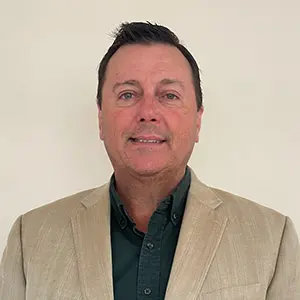
Joe Buckley
CEO
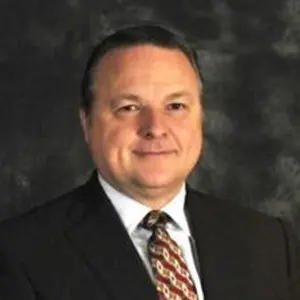
Wayne Thompson
CFO
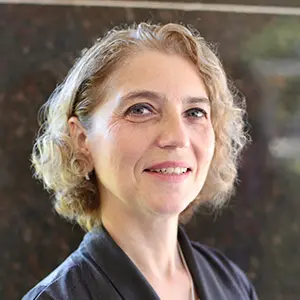
Diana Polyakov
COO

Suresh Bhatt
Medical Director

Sean Richardson
Director of Integrative Therapy
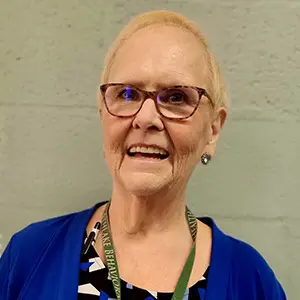
Jonell King
Director of Nursing
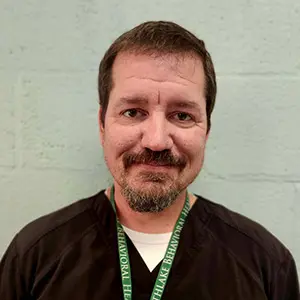
Michael Zeringue
Assistant Director of Nursing
Accreditations

The Joint Commission, formerly known as JCAHO, is a nonprofit organization that accredits rehab organizations and programs. Founded in 1951, the Joint Commision's mission is to improve the quality of patient care and demonstrating the quality of patient care.
Joint Commission Accreditation: Yes
Rehab.com regularly reviews this listing for accuracy but changes may occur between updates. For the most up-to-date information, please contact Northlake Behavioral Health System.
Contact Information

23515 Hwy 190
Mandeville, LA 70448
Get Help Now - 504-946-7507
Sponsored Helpline
Sponsored Helpline



