





























































































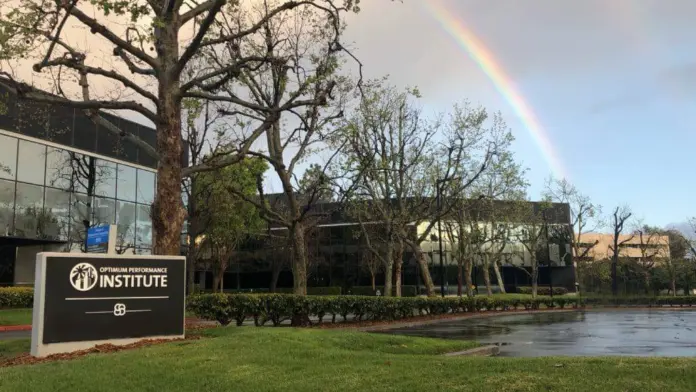
About Optimum Performance Institute
Restoring trust and strengthening family bonds are the goals of regular communication and involvement from parents who are crucial to the healing process. Individualized mental health care is the main goal of the treatment plan. This ensures that each patient receives support tailored to their requirements.
Clients live in nearby apartment buildings that mimic real world settings from the very beginning. In addition to learning everyday living skills like cooking and grocery shopping this arrangement enables them to participate in social interactions that are essential for fostering independence. With the help of a committed healing team they put the skills they’ve learned in both individual and group sessions to use in real world circumstances.
In order to help them set and accomplish their own goals each young adult works closely with their own therapist and case manager. Participating in Tae Kwon Do, volunteering or going to classes could all be part of a normal day. Clients also work with psychiatrists on medication management, life skills management and individual and group therapy.
The apartment buildings offer opulent lodgings along with a number of facilities such as two swimming pools, a cutting edge fitness center and outdoor gathering areas with barbecues. The facilities are easily accessible by shuttle service, are secure and are only a mile from their offices.
They provide clinical aspects of treatment with flexible payment options such as insurance billing and private pay. They are out of network with all private insurance providers and do not accept MediCal, MediCaid, TRICARE or HMO plans.
Latest Reviews



Rehab Score
 Our Methodology


Gallery



Other Forms of Payment
Private insurance refers to any kind of healthcare coverage that isn't from the state or federal government. This includes individual and family plans offered by an employer or purchased from the Insurance Marketplace. Every plan will have different requirements and out of pocket costs so be sure to get the full details before you start treatment.
Self-pay involves paying for treatment out of your own pocket. You can use savings or credit, get a personal loan, or receive help from family and friends to fund your treatment. If you don't have insurance or your insurance plan doesn't cover a specific program, self-pay can help ensure you still get the care you need.
Addiction Treatments
Levels of Care
Clients receiving treatment at an outpatient rehab typically do not require hospitalization or intensive supervision and support. Outpatient addiction counseling and recovery education are often offered during the morning, evening, night, and weekend, allowing clients to tailor treatment to their own schedule. Partial hospitalization (PHP) and intensive outpatient (IOP) programs are the most time-intensive and are designed for clients who are at an increased relapse risk and/or who need more robust therapeutic support.
Inpatient rehab provides intensive treatment for clients exiting detox, those in early recovery, and those at an elevated risk of relapse. Unlike outpatient drug rehab, clients receiving inpatient care reside at the facility for the duration of the program. The length of stay may range from two weeks to 18 months or more, depending on the client's needs and the program's design. Inpatient treatment typically involves extensive addiction education and recovery-focused life skills training.
Intensive outpatient programs (IOP) support a client's sustained sobriety as they exit detox or step down from an inpatient program. IOPs are also designed for clients who are at an elevated risk of relapse. Intensive outpatient treatment typically requires clients to engage in a minimum of nine hours of therapy per week, but clients may receive up to 20 therapeutic hours weekly. IOP treatment modalities often combine psychotherapy, recovery-focused life skills training, and medication assisted treatment (MAT).
Rehab aftercare programs offer clients in addiction recovery a robust continuum of care after clients have completed active treatment. These services address recovery as a life-long process and are designed to evolve with clients' changing needs. Clients may partner with their case managers and/or addiction recovery team to identify the rehab aftercare services that are right for them. They may receive career counseling, housing assistance, peer coaching, 12 step program induction, among many other services.
Participants engaged in 12 step programs receive intensive peer coaching (sponsorship) and community support. Spiritual development as a means of achieving psychological and emotional healing and growth is the cornerstone of 12 step recovery, but religious affiliations are not required. Meetings are free, anonymous, and open to the public, though specialized formats are available, including groups for seniors, teens, and family members. Evening, night, and day meetings are conducted year-round in most communities.
Commonly known as "day treatment," a partial hospitalization program (PHP) is an intensive form of outpatient treatment where clients meet during the day and return home in the evening. PHP treatment doesn't require 24-hour care and often serves as an alternative to inpatient hospitalization or a step-down after a residential program. With PHP treatment, you can receive daily support for 6 to 8 hours which includes evidence-based therapies and medication management. The cost of PHP treatment typically varies but averages 90 days.
When addicted, quitting your drug of choice suddenly can be dangerous. That's why experts agree a medically assisted detox is the safest way to remove addictive substances from the body. Usually done in an inpatient setting, your vitals signs and overall well being are consistently monitored and rechecked in order to keep you safe and ensure the detox is successful.
Treatments
A combined mental health and substance abuse rehab has the staff and resources available to handle individuals with both mental health and substance abuse issues. It can be challenging to determine where a specific symptom stems from (a mental health issue or an issue related to substance abuse), so mental health and substance abuse professionals are helpful in detangling symptoms and keeping treatment on track.
In California, dual-diagnosis addiction treatment programs offer comprehensive care for individuals with co-occurring mental health and substance use disorders. Programs include medically assisted detox, intensive outpatient, outpatient, residential rehab, and partial hospitalization. Using an evidence-based approach, clinicians utilize therapies like cognitive behavioral therapy, or dialectical behavioral therapy and mindfulness to address substance use disorders and co-occurring mental health challenges. Additional services include 12-Step recovery, group therapy, family counseling, and relapse prevention to promote sustained recovery.
Inpatient treatment for drug and alcohol addiction with a focus on mental health is a good fit for people who need closer monitoring and care. Treatment may occur in a hospital setting, a clinic, or a luxury rehab center. Mental health counselors and staff are available 24/7. Therapies typically include group and individual counseling, relapse prevention education, and emotional coping skills training.
Programs
Young adulthood can be an exciting, yet difficult, time of transition. Individuals in their late teens to mid-20s face unique stressors related to school, jobs, families, and social circles, which can lead to a rise in substance use. Rehab centers with dedicated young adult programs will include activities and amenities that cater to this age group, with an emphasis on specialized counseling, peer socialization, and ongoing aftercare.
Clinical Services
Group therapy is any therapeutic work that happens in a group (not one-on-one). There are a number of different group therapy modalities, including support groups, experiential therapy, psycho-education, and more. Group therapy involves treatment as well as processing interaction between group members.
In individual therapy, a patient meets one-on-one with a trained psychologist or counselor. Therapy is a pivotal part of effective substance abuse treatment, as it often covers root causes of addiction, including challenges faced by the patient in their social, family, and work/school life.
Life skills trainings involve all the skills a person must have in order to function successfully in the world. These include time management, career guidance, money management, and effective communication. Truly successful addiction recovery is based on the ability to not only live substance-free, but to thrive. Life skills teaches the practical necessities of functioning in society, which sets clients up for success in life, and therefore sobriety.
Amenities
-
 Gym
Gym -
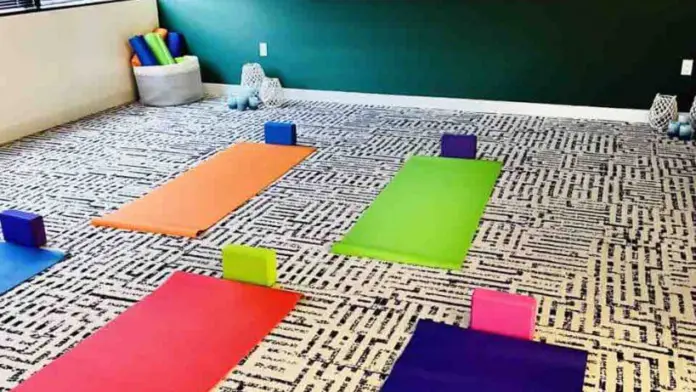
 Yoga Studio
 -
 Residential Setting
 -
 Private Rooms
 -
 Hiking
 -
 Mountain Views
 -
 Walking Trails
Staff & Accreditations
Staff

Jessica Breton, M.A., LMFT
Executive Director
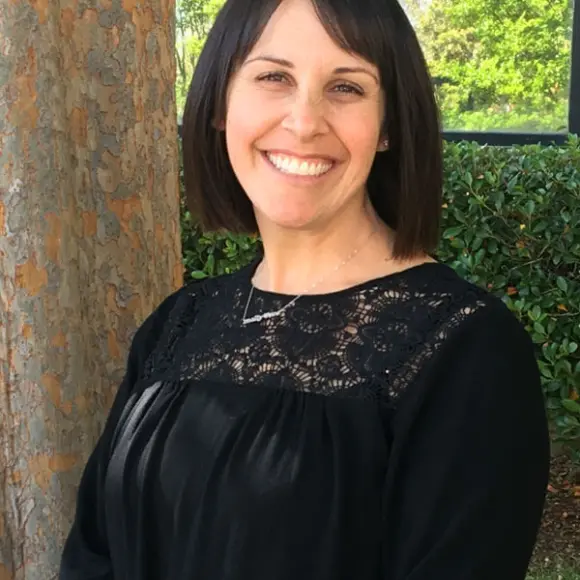
Alisa Foreman, M.A., LMFT
Clinical Director
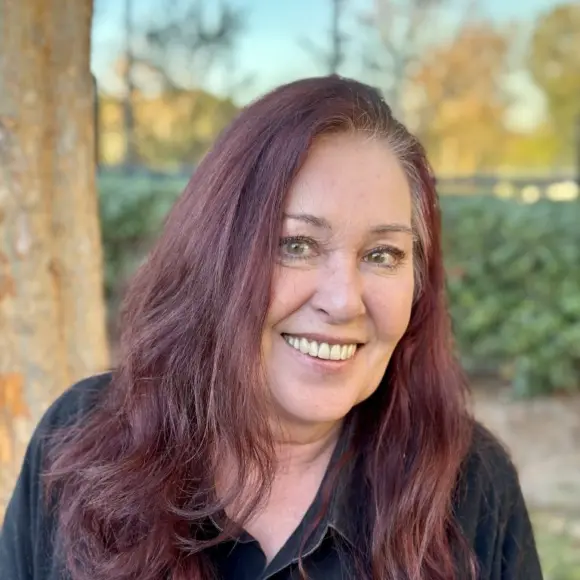
Vikki Ruthman
Human Resources
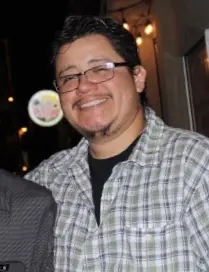
Mario Fuentes
Residential Director
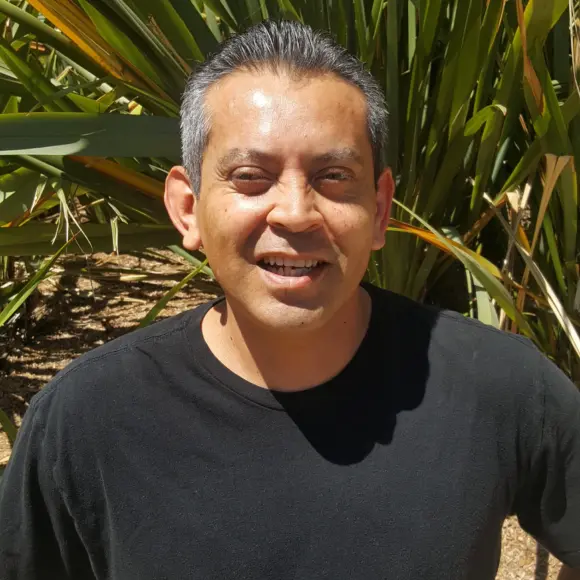
Salvador Estrella
Director of Operations
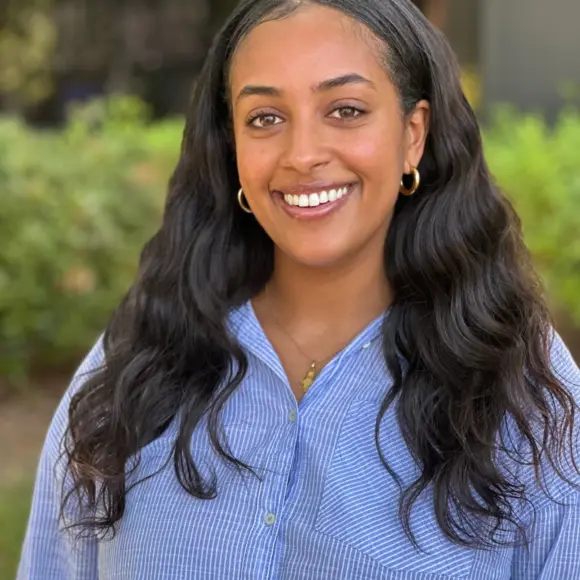
Samra Asfaw, MA
Program Director
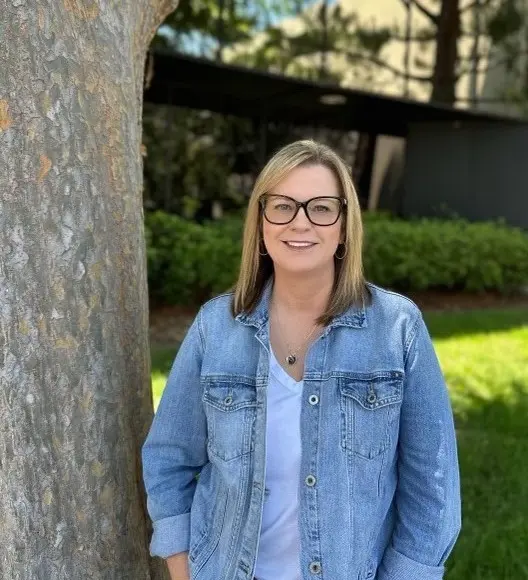
Robin Greene
Director of Admissions
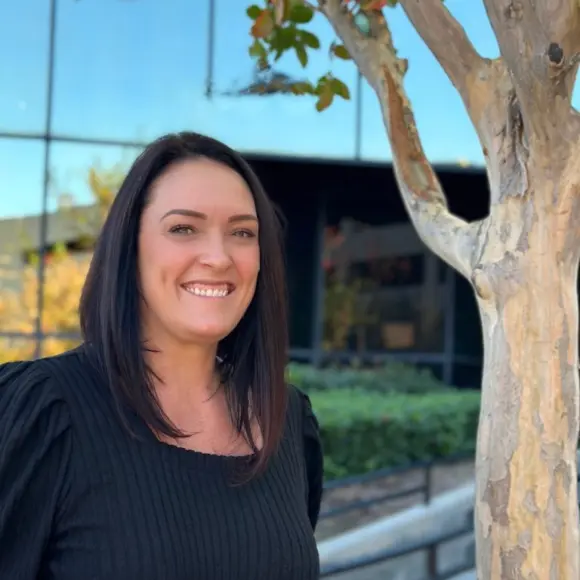
Tiwi Nicks, M.ED
Director of Clinical Partnerships
Accreditations

State Licenses are permits issued by government agencies that allow rehab organizations to conduct business legally within a certain geographical area. Typically, the kind of program a rehab facility offers, along with its physical location, determines which licenses are required to operate legally.
State License: California

The Joint Commission, formerly known as JCAHO, is a nonprofit organization that accredits rehab organizations and programs. Founded in 1951, the Joint Commision's mission is to improve the quality of patient care and demonstrating the quality of patient care.
Joint Commission Accreditation: Yes
Rehab.com regularly reviews this listing for accuracy but changes may occur between updates. For the most up-to-date information, please contact Optimum Performance Institute.
Contact Information


21051 Warner Center Ln
#105
Woodland Hills, CA 91367
Sponsored Helpline


