






























































































This place only cares about the money they get from their patients, they are not interested about their patients' long-term health. They hardly ever try to get them off their medication. And the staff doesn't care about helping people.
About Community Medical Services — Marion
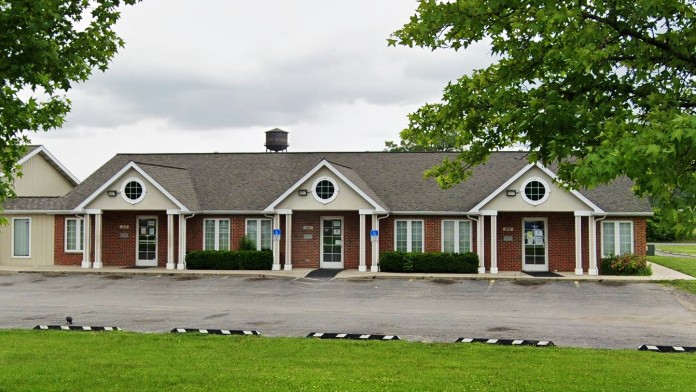
Community Medical Services in Marion, Indiana, is a private, nonprofit facility that provides certified and accredited drug rehab services to adults aged 18 and older including LGBTQ+ folks as well as pregnant and post-partum individuals. Medicare and Medicaid are accepted along with self-pay, military, and private insurance plans.
Drug Detox & Medication-Assisted Treatment (MAT) in Grant County
Clients can access both outpatient detox and MAT services here alongside standard outpatient addiction treatment programming and intensive outpatient (IOP) for those in need of further support. MAT included methadone, buprenorphine, or naltrexone (Vivitrol) treatment, or methadone maintenance and detox support. Treatment is physician-monitored for your safety, and is typically combined with extensive behavioral health services and crisis intervention support.
Addiction Treatment Details in Marion, IN
Relapse prevention sessions and specialized substance abuse counseling are provided, with therapeutic styles used including Cognitive Behavioral Therapy (CBT), motivational interviewing (MI), and contingency management and motivational incentives. Telemedicine and telehealth therapy services are also provided for increased accessibility.
Smoking and vaping are permitted on-site in designated areas. As for the location, you’ll find this facility near several lovely green spaces like Matter Park, and the Mississinewa Riverwalk. The park has various walking trails, gardens, and recreational facilities you can enjoy and incorporate into your outpatient recovery as spots for mindful movement and reflection. The Riverwalk also provides a beautifully scenic spot for reflection, relaxation, and meditation.
Former clients praise the staff here for their compassion and support, and highlight the many positive effects that the center’s outpatient programming has had on their lives.
Latest Reviews
THIS clinic and these counselors and nurses are amazing. They TRULY care. I wouldn't STILL be sober of it weren't for them. They work where you are and help you from where you are not assume and throw you around.
Response from the owner3 weeks ago
Hello Misty, thank you for your wonderful feedback! We're so glad to hear that our team has been able to support you on your journey. Your words mean a lot to us. If there's anything else we can do for you, please let us know.
I have been apart of CMS now for over 2 yrs. now and as someone who has experience with other facilities, no other place, or staff, comes even close to Community Medical Services!! From the moment you check in with Tammy to even when you have to communicate with counselors it's just always a great and welcoming experience! To anyone thats battling with addiction please go and get yourself in a 5⭐ facility with 5⭐ staff! No judgment just amazing people! ❤️🙏🙌✨
Response from the owner3 weeks ago
Hello Tyler! Thank you so much for your kind words and for being a part of our community for over two years. We love to hear that you've had such positive experiences with our team, from Tammy at check-in to our counselors. Your recommendation means a lot to us, and we're grateful to have the opportunity to support you on your journey.
I absolutely love CMS! My counselor is very knowledgeable and has been a great support. I look forward to seeing the ladies at the front desk every day! The nurses are also very sweet and willing to answer any questions I may have and both Doctors are friendly and have a wonderful bedside manner!!! Thank goodness that they are open again after the stress of dealing with the Kokomo clinic. I was grateful to have a place to go dose but CMS feels like home. Thank you for all you do!!! ♥️
Response from the owner3 weeks ago
Hello Julie, thank you for your wonderful feedback! We love to hear that you feel at home with us and that our team has been supportive and welcoming. We look forward to continuing to support you on your journey! 
Rehab Score
 Our Methodology
Scoring is assigned by a proprietary system which helps surface key metrics that determine quality. The 10-point scale factors in categories such as operations, customer satisfaction, and trust metrics. Read Full Methodology

7 / 10
Gallery
Other Forms of Payment
Self-pay involves paying for treatment out of your own pocket. You can use savings or credit, get a personal loan, or receive help from family and friends to fund your treatment. If you don't have insurance or your insurance plan doesn't cover a specific program, self-pay can help ensure you still get the care you need.
Addiction Treatments
Levels of Care
Outpatient Programs (OP) are for those seeking mental rehab or drug rehab, but who also stay at home every night. The main difference between outpatient treatment (OP) and intensive outpatient treatment (IOP) lies in the amount of hours the patient spends at the facility. Most of the time an outpatient program is designed for someone who has completed an inpatient stay and is looking to continue their growth in recovery. Outpatient is not meant to be the starting point, it is commonly referred to as aftercare.
Drug and alcohol addiction often takes a heavy toll on one's body. Over time, a physical dependence can develop, meaning the body physiologically needs the substance to function. Detox is the process of removing drugs and/or alcohol from the body, a process that can be lethal if mismanaged. Medical detox is done by licensed medical professionals who monitor vital signs and keep you safe, healthy, and as comfortable as possible as you go through detox and withdrawal.
Intensive Outpatient Programs (IOP) are for those who want or need a very structured treatment program but who also wish to live at home and continue with certain responsibilities (such as work or school). IOP substance abuse treatment programs vary in duration and intensity, and certain outpatient rehab centers will offer individualized treatment programs.
Treatments
The goal of treatment for alcoholism is abstinence. Those with poor social support, poor motivation, or psychiatric disorders tend to relapse within a few years of treatment. For these people, success is measured by longer periods of abstinence, reduced use of alcohol, better health, and improved social functioning. Recovery and Maintenance are usually based on 12 step programs and AA meetings.
For long-term recovery from drug addiction, drug rehab in Indiana is often key. This treatment gives individuals who are struggling with a substance use disorder the tools to manage their disorder and achieve long-term sobriety.
Opioid rehabs specialize in supporting those recovering from opioid addiction. They treat those suffering from addiction to illegal opioids like heroin, as well as prescription drugs like oxycodone. These centers typically combine both physical as well as mental and emotional support to help stop addiction. Physical support often includes medical detox and subsequent medical support (including medication), and mental support includes in-depth therapy to address the underlying causes of addiction.
Substance rehabs focus on helping individuals recover from substance abuse, including alcohol and drug addiction (both illegal and prescription drugs). They often include the opportunity to engage in both individual as well as group therapy.
Programs
Adult rehab programs include therapies tailored to each client's specific needs, goals, and recovery progress. They are tailored to the specific challenges adult clients may face, including family and work pressures and commitments. From inpatient and residential treatment to various levels of outpatient services, there are many options available. Some facilities also help adults work through co-occurring conditions, like anxiety, that can accompany addiction.
Young adulthood can be an exciting, yet difficult, time of transition. Individuals in their late teens to mid-20s face unique stressors related to school, jobs, families, and social circles, which can lead to a rise in substance use. Rehab centers with dedicated young adult programs will include activities and amenities that cater to this age group, with an emphasis on specialized counseling, peer socialization, and ongoing aftercare.
Clinical Services
Group therapy is any therapeutic work that happens in a group (not one-on-one). There are a number of different group therapy modalities, including support groups, experiential therapy, psycho-education, and more. Group therapy involves treatment as well as processing interaction between group members.
Staff & Accreditations
Staff
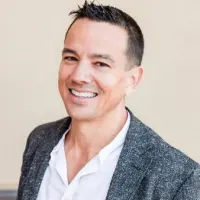
Nick Stavros
CEO
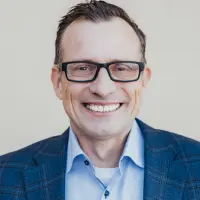
Christopher Flowers
COO

Dr. Robert Sherrick, MD, FASAM
Chief Science Officer

Stacie Baird
Chief People Officer

Jennifer Mason
Executive VP of Operations
Accreditations

The Substance Abuse and Mental Health Services Administration (SAMHSA) is a branch of the U.S. Department of Health and Human Services. Established in 1992 by congress, SAMHSA's mission is to reduce the impact of substance abuse and mental illness on American's communities.
SAMHSA Listed: Yes
Rehab.com regularly reviews this listing for accuracy but changes may occur between updates. For the most up-to-date information, please contact Community Medical Services — Marion.
Contact Information

17 S Norton Ave
Marion, IN 46952
Get Help Now - 765-393-9985
Sponsored Helpline
Sponsored Helpline



