






























































































 Teen Programs
  LGBTQ+
  Veterans
  Faith Based


WORST PLACE IN OXNARD DON'T UNDERSTAND HOW THE COURTS ALLOW THIS PLACE TO BE OPEN WOMAN CAN COME AND GO AS THEY PLEASE DO DRUGS AROUND KIDS HORRIBLE WOMAN COME OUT WORSE THAN WHEN THEY GO IN. WORST PLACE
About Prototypes Women’s Center
Along with the residential rehab program, they also have a detox program. You’ll come to this facility and have a staff of experts to supervise your detox and help you stay as comfortable as possible. Many of the women here started with the detox center and then transitioned to the residential program after their detox period.
This women’s rehab does a lot more than help you recover from addiction though. As their past clients say, it helps you get your life back too. They’ll help to set you up for self sufficiency so you can have a healthy and independent life with your kids. Along the way, they’ll help you with other factors you might need like mental illness or domestic violence.
There are a lot of rehabs out there for women, but what strikes me about this one is how specialized it is in the needs of women and especially mothers. It pairs addiction treatment with social services to really help set up moms and families for long term success.
Latest Reviews
Angelic and her staff are all angels!!
My daughter was helped so much by the trained and motivated recovery team.
Love this place, beautiful acre of magical land, the staff is great, the program is loving and thorough and great classes, the courts love this place if your in trouble! highly recommended! the director Angelic is doing an amazing job and all her staff is highly qualified!
kind, loving , great drug treatment

Rehab Score
 Our Methodology
Scoring is assigned by a proprietary system which helps surface key metrics that determine quality. The 10-point scale factors in categories such as operations, customer satisfaction, and trust metrics. Read Full Methodology

5.8 / 10
Location
Other Forms of Payment
Private insurance refers to any kind of healthcare coverage that isn't from the state or federal government. This includes individual and family plans offered by an employer or purchased from the Insurance Marketplace. Every plan will have different requirements and out of pocket costs so be sure to get the full details before you start treatment.
Self-pay involves paying for treatment out of your own pocket. You can use savings or credit, get a personal loan, or receive help from family and friends to fund your treatment. If you don't have insurance or your insurance plan doesn't cover a specific program, self-pay can help ensure you still get the care you need.
Medicaid is a state based program that helps lower-income individuals and families pay for healthcare. Medicaid covers addiction treatment so those enrolled can use their coverage to pay for rehab. When a program accepts Medicaid the client often pays very little or nothing out of their own pocket.
Addiction Treatments
Levels of Care
Residential treatment programs are those that offer housing and meals in addition to substance abuse treatment. Rehab facilities that offer residential treatment allow patients to focus solely on recovery, in an environment totally separate from their lives. Some rehab centers specialize in short-term residential treatment (a few days to a week or two), while others solely provide treatment on a long-term basis (several weeks to months). Some offer both, and tailor treatment to the patient's individual requirements.
Rehab aftercare programs offer clients in addiction recovery a robust continuum of care after clients have completed active treatment. These services address recovery as a life-long process and are designed to evolve with clients' changing needs. Clients may partner with their case managers and/or addiction recovery team to identify the rehab aftercare services that are right for them. They may receive career counseling, housing assistance, peer coaching, 12 step program induction, among many other services.
Participants engaged in 12 step programs receive intensive peer coaching (sponsorship) and community support. Spiritual development as a means of achieving psychological and emotional healing and growth is the cornerstone of 12 step recovery, but religious affiliations are not required. Meetings are free, anonymous, and open to the public, though specialized formats are available, including groups for seniors, teens, and family members. Evening, night, and day meetings are conducted year-round in most communities.
During the first phase of recovery – detox – it is crucial to have 24-hour clinical care in California. This care provides constant monitoring in order to ensure your safely and comfort as you progress through the withdrawal process for drug or alcohol addiction. Licensed professionals prescribe medications to treat withdrawal symptoms and provide frequent monitoring to ensure your safely as addictive toxins leave your system.
Treatments
The goal of treatment for alcoholism is abstinence. Those with poor social support, poor motivation, or psychiatric disorders tend to relapse within a few years of treatment. For these people, success is measured by longer periods of abstinence, reduced use of alcohol, better health, and improved social functioning. Recovery and Maintenance are usually based on 12 step programs and AA meetings.
Drug rehab in California teaches participants constructive ways to stay clean and sober. Treatment revolves around helping individuals stop using the substance they are addicted to and learn healthy habits to avoid relapse.
Many of those suffering from addiction also suffer from mental or emotional illnesses like schizophrenia, bipolar disorder, depression, or anxiety disorders. Rehab and other substance abuse facilities treating those with a dual diagnosis or co-occurring disorder administer psychiatric treatment to address the person's mental health issue in addition to drug and alcohol rehabilitation.
A combined mental health and substance abuse rehab has the staff and resources available to handle individuals with both mental health and substance abuse issues. It can be challenging to determine where a specific symptom stems from (a mental health issue or an issue related to substance abuse), so mental health and substance abuse professionals are helpful in detangling symptoms and keeping treatment on track.
Opioid rehabs specialize in supporting those recovering from opioid addiction. They treat those suffering from addiction to illegal opioids like heroin, as well as prescription drugs like oxycodone. These centers typically combine both physical as well as mental and emotional support to help stop addiction. Physical support often includes medical detox and subsequent medical support (including medication), and mental support includes in-depth therapy to address the underlying causes of addiction.
Programs
Adult rehab programs include therapies tailored to each client's specific needs, goals, and recovery progress. They are tailored to the specific challenges adult clients may face, including family and work pressures and commitments. From inpatient and residential treatment to various levels of outpatient services, there are many options available. Some facilities also help adults work through co-occurring conditions, like anxiety, that can accompany addiction.
Young adulthood can be an exciting, yet difficult, time of transition. Individuals in their late teens to mid-20s face unique stressors related to school, jobs, families, and social circles, which can lead to a rise in substance use. Rehab centers with dedicated young adult programs will include activities and amenities that cater to this age group, with an emphasis on specialized counseling, peer socialization, and ongoing aftercare.
Recovery is most successful when clients feel accepted and validated by their peers and treatment providers. Facilities that offer LGBTQ-inclusive programming are committed to creating a safe space where everyone can grow and recover without fear of judgment or discrimination. They will have dedicated policies in place to create a safe and supportive environment that fosters free expression.
Clinical Services
Cognitive behavioral therapy in California is a method that therapists often use for the effective treatment of substance use disorders. It is based on the principle that substance abuse stems from unhelpful ways of thinking and patterns of behavior, which can be changed by helping the individual learn better ways of coping.
Group therapy is any therapeutic work that happens in a group (not one-on-one). There are a number of different group therapy modalities, including support groups, experiential therapy, psycho-education, and more. Group therapy involves treatment as well as processing interaction between group members.
For clients who are struggling with ambivalence toward change, motivational interviewing in California can help strengthen their commitment to change. Using a conversational method, the therapist helps you explore your motivations and empowers you to make the changes you desire.
Trauma therapy addresses traumatic incidents from a client's past that are likely affecting their present-day experience. Trauma is often one of the primary triggers and potential causes of addiction, and can stem from child sexual abuse, domestic violence, having a parent with a mental illness, losing one or both parents at a young age, teenage or adult sexual assault, or any number of other factors. The purpose of trauma therapy is to allow a patient to process trauma and move through and past it, with the help of trained and compassionate mental health professionals.
The goal of couples therapy in California is to strengthen the couple's relationship. The therapist may take one or more approaches to counseling which may include the Gottman method, emotionally focused therapy, behavioral therapy, and psychodynamic couple's therapy.
Family therapy offers a platform for members to have an open dialogue about the challenges that addiction has placed on the family unit. Through guided sessions, therapists can help families develop healthy communication skills and address unresolved issues. By working together toward a common goal, they help to support their loved one's sobriety.
Amenities
-
 Private Setting
Staff & Accreditations
Staff

Vitka Eisen
CEOMSW, Ed.D

Tony Duong
CFI

Jegan Anandasakaran
COO& Chief
Dr. Ana Valdés
Chief Healthcare Officer

Shabana Siegel
Chief Philanthropy and Marketing Officer
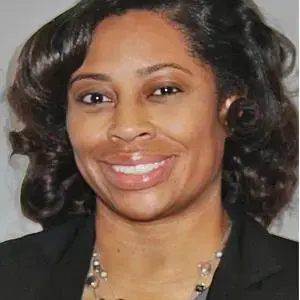
Dr. Shawnté Alexander
VP NorCal Behavioral Health

Demetrius Andreas
VP of Community and Aftercare Programs

Maribel Baez, MS-HA
VP of Medical Services
Accreditations

The Commission on Accreditation of Rehabilitation Facilities (CARF) is a non-profit organization that specifically accredits rehab organizations. Founded in 1966, CARF's, mission is to help service providers like rehab facilities maintain high standards of care.
CARF Accreditation: Yes
Accreditation Number: 208466
Rehab.com regularly reviews this listing for accuracy but changes may occur between updates. For the most up-to-date information, please contact Prototypes Women’s Center.



