




































































































AC ✔️ 5P's ✔️ Real Life Harder ✔️ Enjoy Vacation ✔️ Gives you the time and resources needed to work on your own faults. Time is your worst enemy and biggest asset. Don't rush, failures breed success. If your co patients are commenting on someone and you don ...
About Southeast Texas Transitional Center
Southeast Texas Transitional Center is formerly Reid Community Residential and is a residential re-entry center for individuals on parole. This halfway house is operated by The GEO Group, which is under contract to the Texas Department of Criminal Justice. The center is in Houston, Texas, and offers drug abuse treatment for those who have already completed a residential drug rehab program while in custody. The program is for adult men on parole.
The program strives to transition men through reintegration after incarceration. The organization accepts some insurance, but residents may pay as much as 25% of their wages to contribute to their housing and keep.
Dorm Style Building for Rehab in Houston
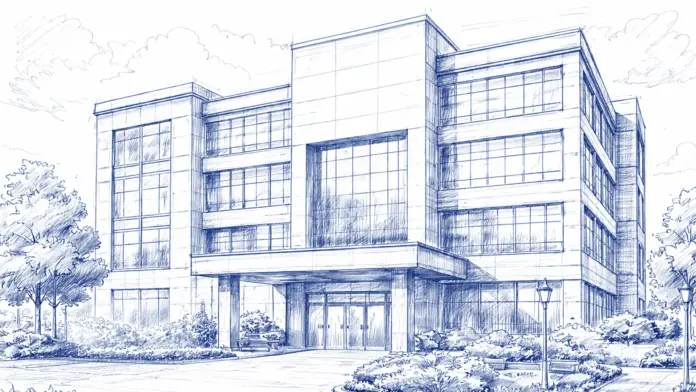
The dorm style building is on a former Bible college campus and has 500 beds. Individuals receive nutritious and balanced meals with special attention to medical or religious dietary needs. Some residents expressed their appreciation for the structured environment.
Continuum of Care Reentry Services
The dorm serves as a bridge between jail and community reintegration for individuals with a history of substance misuse. The program provides a continuum of care between incarceration, rehabilitation, and community reentry. Individuals receive personalized case management, employment assistance, and transportation support.
Fact checked and written by:
Susan Bertram, BA
Edited by:
Peter Lee, PhD
Latest Reviews
Smith, Justin
Reviewed on 10/08/2025
AC ✔️ 5P's ✔️ Real Life Harder ✔️ Enjoy Vacation ✔️
Gives you the time and resources needed to work on your own faults. Time is your worst enemy and biggest asset. Don't rush, failures breed success. If your co patients are commenting on someone and you don't know who. It's probably you. 😂
I lost a leg here due to gangene infection I should've got paid but I left it alone and praised I'm discharged with my life still amen brothers
I recently had an interaction with Kristine Jason Reid and unfortunately found the experience unpleasant. She came across as rude and arrogant, often carrying herself as though she were above others. As the administrator of the Facebook group Buy Nothing – Katy (North), she tends to behave in a manner that resembles a strict school monitor. I was extremely disappointed with her attitude and the way she chose to interact. She should understand that this is a small community group of around 1,000 members and approach it with more calmness and humility.

Rehab Score
 Our Methodology
Scoring is assigned by a proprietary system which helps surface key metrics that determine quality. The 10-point scale factors in categories such as operations, customer satisfaction, and trust metrics. Read Full Methodology

3.2 / 10
Location
Other Forms of Payment
Self-pay involves paying for treatment out of your own pocket. You can use savings or credit, get a personal loan, or receive help from family and friends to fund your treatment. If you don't have insurance or your insurance plan doesn't cover a specific program, self-pay can help ensure you still get the care you need.
Medicaid is a state based program that helps lower-income individuals and families pay for healthcare. Medicaid covers addiction treatment so those enrolled can use their coverage to pay for rehab. When a program accepts Medicaid the client often pays very little or nothing out of their own pocket.
Medicare is a federal program that provides health insurance for those 65 and older. It also serves people under 65 with chronic and disabling health challenges. To use Medicare for addiction treatment you need to find a program that accepts Medicare and is in network with your plan. Out of pocket costs and preauthorization requirements vary, so always check with your provider.
Addiction Treatments
Levels of Care
After completing some form of inpatient care, many clients transition or step down to an outpatient rehab, while some choose to transition from detox directly into outpatient care. High-intensity outpatient programming, including partial hospitalization (PHP) and intensive outpatient (IOP) is widely available for clients in early recovery, those leaving detox, and those at an elevated relapse risk. Clients in outpatient care generally engage in robust addiction counseling and recovery education, and some also receive medication assisted treatment (MAT).
12 step programs promote participants' sustained sobriety through rigorous and ongoing peer coaching and personal spiritual growth. Participants routinely attend 12 step meetings, which are available multiple times per day, 365 days per year in most communities. This ensures that those in recovery have prompt access to the structure and support they need when they need it. These programs use spiritual precepts to address the root causes of addiction and encourage compassion, self-awareness, forgiveness, accountability, and acceptance.
Ridding the body of harmful, addictive substances, also known as detoxification, is usually the first phase of recovery. Those going through medically assisted detox can be administered medications by a team of medical professionals who are on-site 24/7 to provide different types of therapies that help mitigate withdrawal symptoms.
Treatments
The goal of treatment for alcoholism is abstinence. Those with poor social support, poor motivation, or psychiatric disorders tend to relapse within a few years of treatment. For these people, success is measured by longer periods of abstinence, reduced use of alcohol, better health, and improved social functioning. Recovery and Maintenance are usually based on 12 step programs and AA meetings.
During rehab in Texas, you'll deal with underlying issues that contribute to addiction. By addressing these challenges and learning healthy ways to cope with them, you'll develop strategies that help you live a drug-free lifestyle.
Opioid rehabs specialize in supporting those recovering from opioid addiction. They treat those suffering from addiction to illegal opioids like heroin, as well as prescription drugs like oxycodone. These centers typically combine both physical as well as mental and emotional support to help stop addiction. Physical support often includes medical detox and subsequent medical support (including medication), and mental support includes in-depth therapy to address the underlying causes of addiction.
Substance rehabs focus on helping individuals recover from substance abuse, including alcohol and drug addiction (both illegal and prescription drugs). They often include the opportunity to engage in both individual as well as group therapy.
Programs
Recovery is most successful when clients feel accepted and validated by their peers and treatment providers. Facilities that offer LGBTQ-inclusive programming are committed to creating a safe space where everyone can grow and recover without fear of judgment or discrimination. They will have dedicated policies in place to create a safe and supportive environment that fosters free expression.
Clinical Services
Treatment that takes a dialectical behavior therapy approach focuses on four strategies. Distress tolerance will help you accept and tolerate intense emotions. Emotional regulation will teach you to manage those emotions. Mindfulness will keep you in the present moment instead of regret or worry. Interpersonal effectiveness will teach you to manage your relationships.
Group therapy is any therapeutic work that happens in a group (not one-on-one). There are a number of different group therapy modalities, including support groups, experiential therapy, psycho-education, and more. Group therapy involves treatment as well as processing interaction between group members.
Individual therapy offers you a confidential space to address the complexities of your drug or alcohol addiction. Your therapist guides these personalized sessions to help develop self awareness and manage stress. This promotes sustained sobriety and overall well being.
Together with an experienced trauma therapist, you work on healing emotional wounds from traumatic experiences within a trauma therapy environment. Your therapist will help you process the experience of the trauma, which promotes emotional healing and improves your overall mental health.
The purpose of family therapy is to create a supportive and understanding family dynamic within the family unit. Therapists help individual members to identify and change harmful behavior patterns and improve communication. This provides a stable foundation for the family and their loved one's recovery.
Amenities
-
 Yoga Studio
Contact Information

10950 Beaumont Highway
Houston, TX 77078
Get Help Now - 346-552-8173
Sponsored Helpline
Sponsored Helpline


