






























































































I recently had a stress test at RWJ in Hamilton, and I cannot say enough good things about the Cardiac Stress Team who took care of me - Marty, Jenn, and Connie. From the moment I arrived, they were kind, welcoming, and completely put me at ease. They explained everything cl ...
About Robert Wood Johnson University Hospital Hamilton
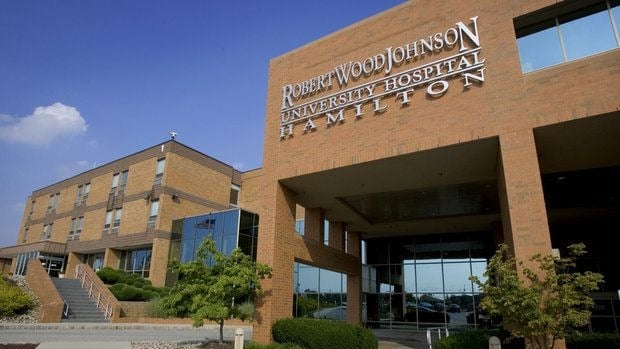
The Robert Wood Johnson University Hospital is in Hamilton Township, New Jersey. This hospital is part of RWJBarnabas Health and has addiction treatment along with a broad range of medical services for adults and youth. Services include medication assisted treatment (MAT) and evidence based counseling.
The hospital accepts a variety of insurance plans, from Aetna and Cigna to Qualcare and Wellpoint. You can verify with the hospital directly if they accept your plan.
School Based Prevention and Treatment for Youth
As part of its addiction treatment services, the hospital has a Strengthening Families program that is available in New Jersey schools. This initiative addresses high risk behavior in young people, helps them be more successful in school and provides life skills training.
The program lasts 14 weeks and includes training for youth, parents, and the whole family together. They teach communication skills, anger management and more.
Peer Support For Those in Recovery
To help support people in treatment and recovery, the hospital also has a peer recovery program. This pairs you with a peer who has been through what you’re going through. The peer can connect you to recovery support groups, case management and other services.
Latest Reviews
Erica,Patricia & Melrose are 3 of the best they took VERY good care of my wife THANK YOU
Exelente
The staff at Robert Wood Johnson University Hospital, Hamilton, NJ did an outstanding job caring for me from the moment I arrived until I was discharged after my procedure.

Rehab Score
 Our Methodology
Scoring is assigned by a proprietary system which helps surface key metrics that determine quality. The 10-point scale factors in categories such as operations, customer satisfaction, and trust metrics. Read Full Methodology

6.5 / 10
Gallery
Other Forms of Payment
Private insurance refers to any kind of healthcare coverage that isn't from the state or federal government. This includes individual and family plans offered by an employer or purchased from the Insurance Marketplace. Every plan will have different requirements and out of pocket costs so be sure to get the full details before you start treatment.
Self-pay involves paying for treatment out of your own pocket. You can use savings or credit, get a personal loan, or receive help from family and friends to fund your treatment. If you don't have insurance or your insurance plan doesn't cover a specific program, self-pay can help ensure you still get the care you need.
Financial aid can take many forms. Centers may have grants or scholarships available to clients who meet eligibility requirements. Programs that receive SAMHSA grants may have financial aid available for those who need treatment as well. Grants and scholarships can help you pai for treatment without having to repay.
Addiction Treatments
Levels of Care
Outpatient Programs (OP) are for those seeking mental rehab or drug rehab, but who also stay at home every night. The main difference between outpatient treatment (OP) and intensive outpatient treatment (IOP) lies in the amount of hours the patient spends at the facility. Most of the time an outpatient program is designed for someone who has completed an inpatient stay and is looking to continue their growth in recovery. Outpatient is not meant to be the starting point, it is commonly referred to as aftercare.
Clients often enter inpatient rehab following detox, but they may also enroll during early recovery or at an increased risk of relapse. Inpatient rehabs provide housing, meals, and intensive clinical supervision, allowing clients to focus exclusively on their recovery in a highly structured and supportive environment. Clients typically receive multiple individual, group, and/or family therapy sessions weekly. Many programs also offer extensive addiction education and recovery-focused life skills training. Integrative inpatient rehabs provide holistic therapies as well.
Intensive Outpatient Programs (IOP) are for those who want or need a very structured treatment program but who also wish to live at home and continue with certain responsibilities (such as work or school). IOP substance abuse treatment programs vary in duration and intensity, and certain outpatient rehab centers will offer individualized treatment programs.
A partial hospitalization program (PHP) is a short-term form of intensive rehab, usually for those with acute symptoms that are hard to manage but don’t require 24-hour care. PHPs have structured programming (i.e. individual and/or group therapy), and usually meet 3-5 days a week for around 6 hours (i.e. 9am-3m). Some PHPs are residential (patients sleep on site) and some are not, so patients sleep at home. PHPs can last from 1-6 months, and some offer transportation and meals.
24-hour clinical care in New Jersey provides a setting where you can withdraw from alcohol or drugs under close monitoring of experienced medical staff. These trained professionals can intervene at any time if needed. They can prescribe medications to reduce cravings and physical discomfort. Mental health professionals are also available to address any emotional and psychological challenges you experience as you begin your recovery journey.
Treatments
Mental health rehabs focus on helping individuals recover from mental illnesses like bipolar disorder, clinical depression, anxiety disorders, schizophrenia, and more. Mental health professionals at these facilities are trained to understand and treat mental health issues, both in individual and group settings.
Programs
Adult rehab programs include therapies tailored to each client's specific needs, goals, and recovery progress. They are tailored to the specific challenges adult clients may face, including family and work pressures and commitments. From inpatient and residential treatment to various levels of outpatient services, there are many options available. Some facilities also help adults work through co-occurring conditions, like anxiety, that can accompany addiction.
Young adulthood can be an exciting, yet difficult, time of transition. Individuals in their late teens to mid-20s face unique stressors related to school, jobs, families, and social circles, which can lead to a rise in substance use. Rehab centers with dedicated young adult programs will include activities and amenities that cater to this age group, with an emphasis on specialized counseling, peer socialization, and ongoing aftercare.
Clinical Services
Group therapy is any therapeutic work that happens in a group (not one-on-one). There are a number of different group therapy modalities, including support groups, experiential therapy, psycho-education, and more. Group therapy involves treatment as well as processing interaction between group members.
In individual therapy, a patient meets one-on-one with a trained psychologist or counselor. Therapy is a pivotal part of effective substance abuse treatment, as it often covers root causes of addiction, including challenges faced by the patient in their social, family, and work/school life.
Research clearly demonstrates that recovery is far more successful and sustainable when loved ones like family members participate in rehab and substance abuse treatment. Genetic factors may be at play when it comes to drug and alcohol addiction, as well as mental health issues. Family dynamics often play a critical role in addiction triggers, and if properly educated, family members can be a strong source of support when it comes to rehabilitation.
Amenities
-
 Private Setting
Staff
Lisa Breza, MSN, RN, NEA-BC
Chief Administrative Officer
Seth Rosenbaum, MD
Senior VP & CMO
William F. DiStanislao
VP of Operations
Dawn Hutchinson, MSN, RN, PCCN-K, NEA-BC
Chief Nursing Officer
Robert W. Field, Jr., MSM, CHEP
Assistant VP, Support Services, Safety & Security
Rehab.com regularly reviews this listing for accuracy but changes may occur between updates. For the most up-to-date information, please contact Robert Wood Johnson University Hospital Hamilton.
Contact Information

1 Hamilton Health Pl
Hamilton Township, NJ 08690
Get Help Now - 609-493-0698
Sponsored Helpline
Sponsored Helpline



