Get Help Now
Question iconSponsored Helpline
Phone icon 800-784-1361
Claim Profile

Serenity Recovery and Wellness

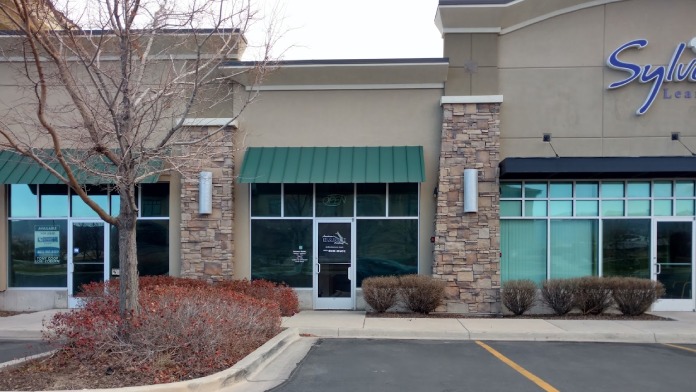
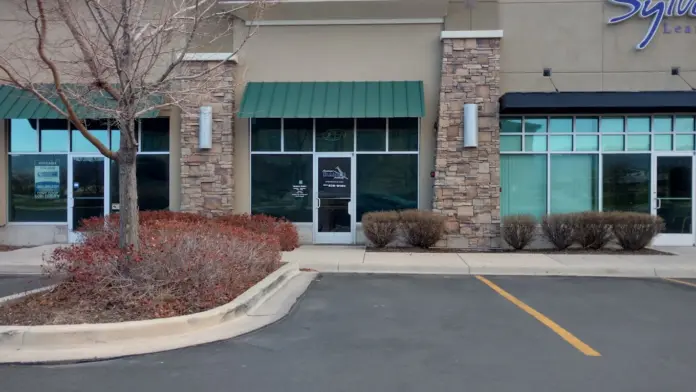
12447 South Crossing Drive, 13
Riverton, UT 84096
Claim Profile
Serenity Recovery and Wellness UT 84096

About Serenity Recovery and Wellness

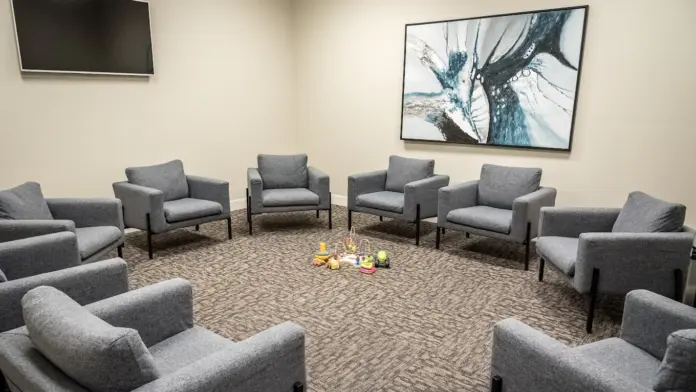
Serenity Recovery and Wellness is located in Riverton, Utah. This is a counseling and therapy facility that primarily supports women facing struggles with their emotional and mental health.

Their services are offered in an outpatient setting and include comprehensive talk therapy for a variety of behavioral health issues. They also have an intensive outpatient program and specialize in addressing anxiety disorders, can incorporate medication into your recovery plan, and will help you work through an existing substance abuse disorder as well.

They accept policies from most major insurance providers.

Addiction Treatment for Pregnant Women and Mothers

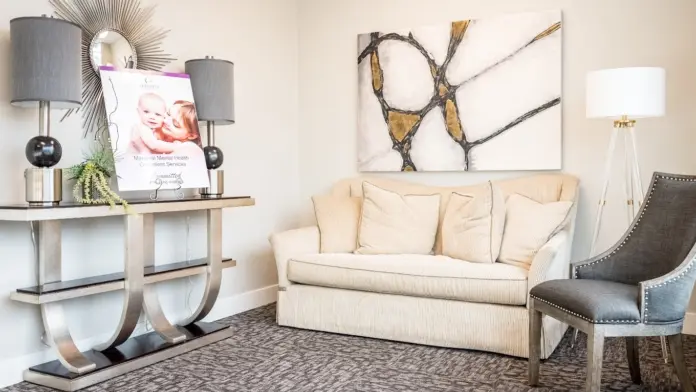
Serenity Recovery and Wellness specializes in working with pregnant and postpartum women. During this period of time, women face myriad challenges that can impact their overall emotional and mental well-being. Unfortunately, some women might turn to substance abuse to help cope with mounting emotions.

The therapy team here at Serenity Recovery and Wellness does a really good job helping women work through real and often complex emotional layers and addiction struggles that are impacting their lives. From talk therapy to behavioral health strategies and everything in between, you’ll be supported with gender specific care that will encourage you to build better habits for a healthy future for you and your child.

Positive Client Reviews

Many of the women who received support here overwhelmingly expressed the positive impact this treatment facility has had on their lives. Women have felt supported and cared for during one of the most vulnerable periods of time, making it easier for them to work through mental health and addiction challenges.

Similar Rehab Centers

Fact checked and written by:
Nadia El-Yaouti, M. Ed.
Edited by:
Kerry Nenn, BSW

Latest Reviews

Ashley Ellis
4 weeks ago on Google
1
Five stars, would absolutely not recommend IOP under current therapists Jennie, Sadie or Lyndsey. I attended Serenity for a year and a half and had a positive experience with my individual therapist Stephanie (and previously Jess) until a recent incident that left me deeply concerned for client safety and trust. During a group session, a clinician engaged in an argument with me while I was panicked, framing another client’s accommodation as my “exposure”. This caused immediate group fallout and escalated my distress. Despite me clearly communicating that my panic was not anxiety or OCD but related to autism, the clinician continued to push the exposure. Multiple witnesses confirmed the exchange was an argument, not a therapeutic intervention, and that Jennie, who was practicing under supervision as an associate therapist, framed it as an exposure for autism even after being directly told it was autism. The situation only stopped after I removed myself from the room. Since then, I believe I have experienced retaliation: I was removed from IOP by Jennie after being told it was to “try to accommodate you” with no further explanation. I asked to speak to the licensed clinician and was denied. I was later told my removal was related to “safety.” Jennie later stated she felt “verbally attacked” by my panic, yet still continued handling the situation herself instead of allowing the licensed clinician to step in. My group attendance was reinstated after I was made to apologize (but received none in return), then removed again for expressing that this experience hurt me, and ultimately blocked from seeing the therapist (Stephanie) who had supported me for over a year. The most concerning part is Jennie’s unwillingness or inability to repair the harm, denying her part in the argument, and then framing the event as a “positive experience” for me — something that could not be farther from my lived reality. Jennie, you have no business telling me I was “strong” in this situation. My takeaway is that the ability to manage a room and de-escalate a client in distress is a basic expectation for group therapy, and this incident demonstrated the opposite. Some therapists simply aren’t cut out for this work if they are going to take things personally and argue with a client — and this experience made me believe you are one of them. I am also disappointed in leadership (Lyndsey) for not holding clinicians responsible and for further impacting my treatment by firing me from Serenity for raising concern. My initial complaints were unheard. After firing me, leadership commented it would get “sticky” if I continued seeing my personal therapist (Stephanie) while a DOPL investigation was open — which only deepened concerns about transparency and retaliation. My attendance was questioned with comments implying they didn’t understand why I was in a mom group, despite the fact that I was a postpartum mother and also pregnant at the time. That alone told me they don’t fully understand their own clientele. Following my removal, Lyndsey emailed me telling me not to contact Stephanie, Jess or Alyssa, which she had no business doing. Since then, Stephanie has been let go despite having nothing to do with this. My records requests have also been ignored for over 80 days. I share this because clients deserve to know that one clinician’s conduct, and leadership intervention, can drastically affect the safety and effectiveness of care. Right now, if you were my best friend, I’d tell you to seek IOP elsewhere. Due to the severity of these events, I feel it’s necessary to ask DOPL for an external investigation into Serenity’s policies and training. To Alyssa, Jess and Stephanie (5 stars) — thank you for a good run and for the incredible support you provided. You upheld the values you taught, and that is huge. Thank you for being part of my human experience.
Kathryn Hansen Adams
1 month ago on Google
5
Highly recommend IOP program for anxiety and/or OCD for mothers! Remarkable support and therapist who work help you not to feel better, but to be better at feeling.
Shanna beard
6 months ago on Google
5
I feel like I would have been lost without there help. They are the best they walk you through in every detail the skills with you tell you get them down. I felt very scared that I was gonna relapse and end up back at the hospital but they showed me it was possible and having family notice the change is good but I still feel so horrible is still hard to tell if I am ready to finish and move on but I will say that this place makes me feel so safe and I struggle with my employer and you guys were able to get them to understand better the schedule even though I struggle with them for wednesdays cause sometimes I'm not out early enough to make it in time but i am so grateful cause it's been 2 years I was fighting postpartum depression I've been through so much all at once and I tried therapy and it just wasn't working and different medications and nothing and tried cbd oils and nothing and supplements and nothing.everyone is so nice and I feel so safe when I come here and my son used to cry once I pulled him out of the car seat and now I'm like do u want to go play with your friends and he didn't cry this time around which was great. I'd reccomend it especially for my daughter cause I feel down feel like she's going through it and she pulls me with her hopefully one day she will. Thank you all for what you do you guys know how to get the tears out so we're able to heal and feel better and what ever is upsetting us at the moment you guys listen without judging us and I appreciate it
Rehab.com icon

Rehab Score

Question iconOur Methodology
Scoring is assigned by a proprietary system which helps surface key metrics that determine quality. The 10-point scale factors in categories such as operations, customer satisfaction, and trust metrics. Read Full MethodologyCaret icon
Gauge icon
6.7 / 10

Accepted Insurance

Please contact to verify your specific insurance provider.

Serenity Recovery and Wellness works with several private insurance providers, please contact to verify your specific insurance provider.

Imagine Health
EMI Health
Public Employees Health Program (PEHP)
SelectHealth

Other Forms of Payment

Private insurance refers to any kind of healthcare coverage that isn't from the state or federal government. This includes individual and family plans offered by an employer or purchased from the Insurance Marketplace. Every plan will have different requirements and out of pocket costs so be sure to get the full details before you start treatment.

Self-pay involves paying for treatment out of your own pocket. You can use savings or credit, get a personal loan, or receive help from family and friends to fund your treatment. If you don't have insurance or your insurance plan doesn't cover a specific program, self-pay can help ensure you still get the care you need.

Addiction Treatments

Levels of Care

Outpatient Programs (OP) are for those seeking mental rehab or drug rehab, but who also stay at home every night. The main difference between outpatient treatment (OP) and intensive outpatient treatment (IOP) lies in the amount of hours the patient spends at the facility. Most of the time an outpatient program is designed for someone who has completed an inpatient stay and is looking to continue their growth in recovery. Outpatient is not meant to be the starting point, it is commonly referred to as aftercare.

Addiction treatment at an inpatient rehab center is significantly more intensive than outpatient and community-based care. Clients remain at the facility for the duration of their program, though many centers offer supervised group excursions. Inpatient treatment typically consists of extensive psychotherapy, often including group and family counseling. Many programs also prioritize addiction education and recovery-focused life skills training. Holistic therapies, such as yoga, art therapy, EMDR, and meditation, are commonly available as well.

Clients often choose to enter intensive outpatient programs (IOP) when they exit inpatient rehab. Others turn to IOP as an alternative to hospitalization. Intensive outpatient rehabs offer high-level care for clients in early recovery and those at an elevated risk of relapse, typically requiring them to commit to between nine and 20 hours of treatment per week. The most prevalent treatment modalities include psychotherapy, recovery education, medication assisted treatment (MAT), and holistic therapies, such as meditation.

Clients receiving services in a rehab aftercare program have generally been stable and sober for a period of weeks and months and no longer require high intensity treatment. Many have stepped down from inpatient rehab to outpatient treatment. Others have been discharged from formal treatment but need support in maintaining their sobriety. Clients typically work with their case manager and care team to develop a long-term care plan that aligns with their unique needs and goals.

Participants in 12 step programs engage in rigorous group counseling, peer coaching, and personal development. Though 12 step recovery is rooted in spiritual principles, religious affiliation is not mandatory. The steps model promotes participants' emotional and psychological healing, which is presumed integral to sustained sobriety. Regular attendance at group meetings is expected. These meetings are free, anonymous, peer-led, and accessible day and night in most communities. Gender and age-specific programs and other specialized formats are common.

Each sober living home in Utah is a residence, not a treatment center. This setting does not provide clinical or medical treatment, but many residents attend recovery groups or outpatient rehab while staying at the home. The setting, also called a halfway house, offers a balance between structure and accountability and living in the "real world," to help people transition from treatment to everyday life.

If your friend or family member is suffering physically or psychologically from substance use but denies there is a problem, it might be time for a drug intervention in Utah. This process involves meeting with an intervention specialist from a facility's intervention services program. This specialist will interview family members to gain an understanding of the situation, then facilitate the intervention. Their expertise can prove invaluable in navigating this complex confrontation.

Medical detox is the safest way to remove addictive substances from your body under the care of medical professionals. In an inpatient environment, you'll be monitored 24/7 by doctors, nurses, and clinical experts, who will help keep you as safe and comfortable as possible and administer medication if needed to treat any withdrawal symptoms. The process may take up to a week or longer depending on your needs, and is often at least partially covered by insurance.

Treatments

Mental health rehabs focus on helping individuals recover from mental illnesses like bipolar disorder, clinical depression, anxiety disorders, schizophrenia, and more. Mental health professionals at these facilities are trained to understand and treat mental health issues, both in individual and group settings.

Programs

Adult rehab programs include therapies tailored to each client's specific needs, goals, and recovery progress. They are tailored to the specific challenges adult clients may face, including family and work pressures and commitments. From inpatient and residential treatment to various levels of outpatient services, there are many options available. Some facilities also help adults work through co-occurring conditions, like anxiety, that can accompany addiction.

Recovery is most successful when clients feel accepted and validated by their peers and treatment providers. Facilities that offer LGBTQ-inclusive programming are committed to creating a safe space where everyone can grow and recover without fear of judgment or discrimination. They will have dedicated policies in place to create a safe and supportive environment that fosters free expression.

Clinical Services

Cognitive Behavioral Therapy (CBT) is a therapy modality that focuses on the relationship between one's thoughts, feelings, and behaviors. It is used to establish and allow for healthy responses to thoughts and feelings (instead of unhealthy responses, like using drugs or alcohol). CBT has been proven effective for recovering addicts of all kinds, and is used to strengthen a patient's own self-awareness and ability to self-regulate. CBT allows individuals to monitor their own emotional state, become more adept at communicating with others, and manage stress without needing to engage in substance abuse.

Dialectical Behavior Therapy (DBT) is a modified form of Cognitive Behavioral Therapy (CBT), a treatment designed to help people understand and ultimately affect the relationship between their thoughts, feelings, and behaviors. DBT is often used for individuals who struggle with self-harm behaviors, such as self-mutilation (cutting) and suicidal thoughts, urges, or attempts. It has been proven clinically effective for those who struggle with out-of-control emotions and mental health illnesses like Borderline Personality Disorder.

Community building is an important aspect of group therapy sessions in Utah. The sense of community building among participants encourages more transparent sharing of experiences in a judgment free environment. You create strong bonds with the people in your group that support your journey to recovery.

During individual therapy, men and women in Utah work with their therapists to build healthier daily habits and create coping strategies to manage stress. These are two components necessary for sustained sobriety and improved overall health.

The foundation of motivational interviewing in Utah rests on four pillars: partnership, evocation, acceptance, and compassion. The therapist collaborates with the client, encouraging them to explore their options and make informed decisions about making changes in their lives.

Trauma therapy addresses traumatic incidents from a client's past that are likely affecting their present-day experience. Trauma is often one of the primary triggers and potential causes of addiction, and can stem from child sexual abuse, domestic violence, having a parent with a mental illness, losing one or both parents at a young age, teenage or adult sexual assault, or any number of other factors. The purpose of trauma therapy is to allow a patient to process trauma and move through and past it, with the help of trained and compassionate mental health professionals.

Couples at any stage of their relationship may benefit from couples therapy in Utah. It is designed to keep relationships on the right path by teaching both partners healthy forms of communication and conflict resolution.

eye-movement iconEye Movement Desensitization And Reprocessing

Family therapists work with all members of the family unit to understand the impact that addiction has had on the family collectively and individually. Together they develop strategies to help their loved one recover. The therapist facilitates open discussions between family members to help build resilience and improve interactions. Ultimately, this supports their loved one's path to sobriety.

Amenities

  • home-setting iconResidential Setting
  • private-room iconPrivate Rooms

Staff

Lyndsey Proctor, LCSW

Clinical Director & Owner

Morgan Slade, LCSW

Program Director

Contact Information

Building icon

12447 South Crossing Drive
13
Riverton, UT 84096

Explore Other Centers Near Riverton

Reviews of Serenity Recovery and Wellness

4.65/5 (37 reviews)
0
Staff
0
Amenities
0
Meals
0
Value
0
Cleanliness
5
33
4
0
3
1
2
1
1
2

Reviews

Overall Experience
Date Submitted
Reviewer

Google Reviews

4.6486486486486 (37 reviews)
Ashley Ellis
4 weeks ago
1

Five stars, would absolutely not recommend IOP under current therapists Jennie, Sadie or Lyndsey. I attended Serenity for a year and a half and had a positive experience with my individual therapist Stephanie (and previously Jess) until a recent incident that left me deeply concerned for client safety and trust. During a group session, a clinician engaged in an argument with me while I was panicked, framing another client’s accommodation as my “exposure”. This caused immediate group fallout and escalated my distress. Despite me clearly communicating that my panic was not anxiety or OCD but related to autism, the clinician continued to push the exposure. Multiple witnesses confirmed the exchange was an argument, not a therapeutic intervention, and that Jennie, who was practicing under supervision as an associate therapist, framed it as an exposure for autism even after being directly told it was autism. The situation only stopped after I removed myself from the room. Since then, I believe I have experienced retaliation: I was removed from IOP by Jennie after being told it was to “try to accommodate you” with no further explanation. I asked to speak to the licensed clinician and was denied. I was later told my removal was related to “safety.” Jennie later stated she felt “verbally attacked” by my panic, yet still continued handling the situation herself instead of allowing the licensed clinician to step in. My group attendance was reinstated after I was made to apologize (but received none in return), then removed again for expressing that this experience hurt me, and ultimately blocked from seeing the therapist (Stephanie) who had supported me for over a year. The most concerning part is Jennie’s unwillingness or inability to repair the harm, denying her part in the argument, and then framing the event as a “positive experience” for me — something that could not be farther from my lived reality. Jennie, you have no business telling me I was “strong” in this situation. My takeaway is that the ability to manage a room and de-escalate a client in distress is a basic expectation for group therapy, and this incident demonstrated the opposite. Some therapists simply aren’t cut out for this work if they are going to take things personally and argue with a client — and this experience made me believe you are one of them. I am also disappointed in leadership (Lyndsey) for not holding clinicians responsible and for further impacting my treatment by firing me from Serenity for raising concern. My initial complaints were unheard. After firing me, leadership commented it would get “sticky” if I continued seeing my personal therapist (Stephanie) while a DOPL investigation was open — which only deepened concerns about transparency and retaliation. My attendance was questioned with comments implying they didn’t understand why I was in a mom group, despite the fact that I was a postpartum mother and also pregnant at the time. That alone told me they don’t fully understand their own clientele. Following my removal, Lyndsey emailed me telling me not to contact Stephanie, Jess or Alyssa, which she had no business doing. Since then, Stephanie has been let go despite having nothing to do with this. My records requests have also been ignored for over 80 days. I share this because clients deserve to know that one clinician’s conduct, and leadership intervention, can drastically affect the safety and effectiveness of care. Right now, if you were my best friend, I’d tell you to seek IOP elsewhere. Due to the severity of these events, I feel it’s necessary to ask DOPL for an external investigation into Serenity’s policies and training. To Alyssa, Jess and Stephanie (5 stars) — thank you for a good run and for the incredible support you provided. You upheld the values you taught, and that is huge. Thank you for being part of my human experience.

Kathryn Hansen Adams
1 month ago
5

Highly recommend IOP program for anxiety and/or OCD for mothers! Remarkable support and therapist who work help you not to feel better, but to be better at feeling.

Shanna beard
6 months ago
5

I feel like I would have been lost without there help. They are the best they walk you through in every detail the skills with you tell you get them down. I felt very scared that I was gonna relapse and end up back at the hospital but they showed me it was possible and having family notice the change is good but I still feel so horrible is still hard to tell if I am ready to finish and move on but I will say that this place makes me feel so safe and I struggle with my employer and you guys were able to get them to understand better the schedule even though I struggle with them for wednesdays cause sometimes I'm not out early enough to make it in time but i am so grateful cause it's been 2 years I was fighting postpartum depression I've been through so much all at once and I tried therapy and it just wasn't working and different medications and nothing and tried cbd oils and nothing and supplements and nothing.everyone is so nice and I feel so safe when I come here and my son used to cry once I pulled him out of the car seat and now I'm like do u want to go play with your friends and he didn't cry this time around which was great. I'd reccomend it especially for my daughter cause I feel down feel like she's going through it and she pulls me with her hopefully one day she will. Thank you all for what you do you guys know how to get the tears out so we're able to heal and feel better and what ever is upsetting us at the moment you guys listen without judging us and I appreciate it

Jenna Lundskog
6 months ago
5

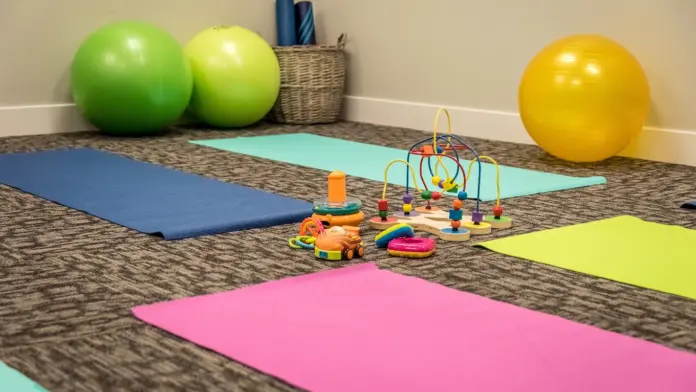
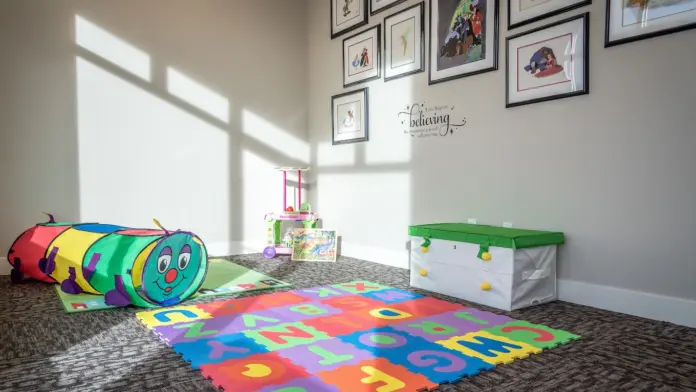
I would recommend Serenity in Riverton to any mom struggling with depression, anxiety, or OCD. All of the therapists there are very caring and want their clients to know how amazing they are and want them to feel better. I participated in the OCD/anxiety IOP, and had a great experience. Being surrounded by other moms who were also struggling was so empowering as we learned coping skills for OCD and how to deal with it head on. The child care that is provided during IOP was wonderful and my child loved going there. Morgan Slade, is one of the therapists there, and I would recommend her to any mom that needs OCD treatment. I have seen many therapists in the past, but from my first consult with Morgan, I could tell she was very caring and compassionate for her clients and wanted them to succeed. Honestly, Serenity helped me get through one of the hardest years and I am so grateful for that. It is an amazing healing center for moms.

Overall Experience
Date Submitted
No reviews matching the selected filter!
Get Help Now
Question iconSponsored Helpline
Phone icon 800-784-1361
Left arrow iconBack

Write a review for Serenity Recovery and Wellness

Sharing your insights and experiences can help others learn more about this rehab center.

Title of Your Review
This is a required field
Your Review

Reviews comments must comply with our Review Policy Content Standards. Please do not use names (job titles / positions are acceptable) of any individual or identifying features, abusive remarks, or allegations of negligence or criminal activity.

A minimum of 200 characters and max of 2,000 characters required.
This is a required field
How would you rate the facility on the following?*
Overall Experience
Must select a star rating
Accomodations & Amenities
Must select a star rating
Meals & Nutrition
N/A
Must select a star rating
Treatment Effectiveness
Must select a star rating
Admissions Process
Must select a star rating
Staff & Friendliness
Must select a star rating
Cleanliness
Must select a star rating
Value for Cost
Must select a star rating
What is your connection to this facility?
This is a required field
Your Name*
This is a required field
Your Email*
This is a required field
Spinner icon Submitting your review...
Thumbs up icon Your review was successfully submitted.

Nearby Featured Providers

Get Help Today Phone icon 800-823-7153
Question iconSponsored Helpline