





























































































South coast behavioral health did a great job at providing quality care and support in regard to my medical treatment back in 2019. They informed me about any potential side effects to look for that could be serious and life threatening as well as most of all polite courteou ...
About Southcoast Behavioral Health Hospital
Gosnold – North Dartmouth Outpatient is an outpatient addiction treatment center in Dartmouth, Massachusetts providing evidence based substance use and mental health care as part of Gosnold’s continuum serving Cape Cod and the South Coast.
Care is integrated and dual diagnosis capable addressing both addiction and co-occurring mental health conditions.
Addiction Treatment With Motivational Strategies
Clients may enter outpatient services, a Structured Outpatient Addiction Program (SOAP) or Intensive Outpatient Program, or a Partial Hospitalization Program (PHP) for more frequent therapeutic support while living at home.
Clients can expect counseling using evidence-based approaches such as cognitive behavioral therapy and motivational strategies. Relapse prevention, recovery coaching, and medication management for opioid and alcohol use disorders are available when clinically appropriate.
Other treatment includes integrated psychiatric care for depression, anxiety, and trauma.
Quick Facts About Gosnold – North Dartmouth
- Location: Dartmouth, Massachusetts, within the Faunce Corner Mall.
- Levels of care: Outpatient, IOP, PHP, and medication assisted treatment.
- Who they treat: Clients with substance use and co-occurring mental health disorders.
- Approach: Evidence based, integrated care using CBT and motivational strategies.
- Payment options: Accepts self pay and most major insurance plans.
- Additional services: Telehealth appointments available for certain outpatient programs.
Facility Overview
 192
192 Number of Available Beds
Latest Reviews
One of the better facilities in MA right now. Absolute sweetheart at the front desk/reception, I can't remember her name but she was so helpful with my ride home.
Response from the owner1 week ago
Thank you for leaving this review! We’re so grateful to have the opportunity to offer support to our community.
My mother is being treated by Southcoast, and I've been working with a case worker, Natercia, who has been above and beyond. She's caring, helpful, diligent, communicative, and has made a very tough situation much more manageable.
I hope she is recognized for her outstanding work. Thank you, Natercia, for all your help!
Response from the owner1 week ago
Thank you for sharing this review with us! Feedback is so valuable, and we’re grateful that you provided your perspective.
As i walked in maría m helped me so much about my wife so kind thank you so much maría with all your help so kind of you
Response from the owner1 week ago
Thanks for sharing your feedback! We value your time and are grateful that you were willing to take a minute to share it with us. 
Rehab Score
 Our Methodology
Scoring is assigned by a proprietary system which helps surface key metrics that determine quality. The 10-point scale factors in categories such as operations, customer satisfaction, and trust metrics. Read Full Methodology

7 / 10
Gallery
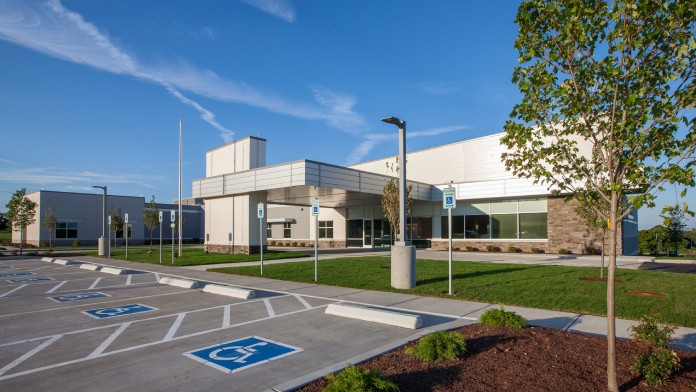

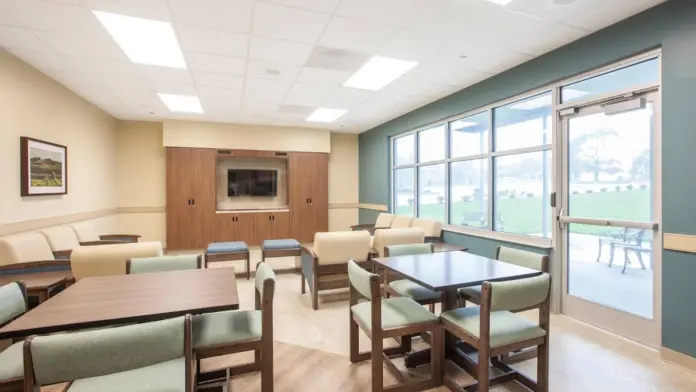

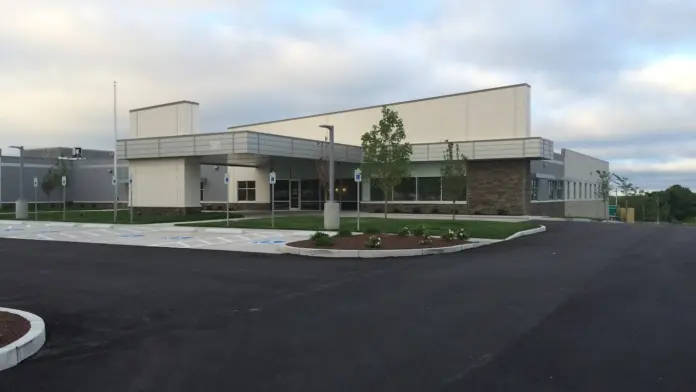
Accepted Insurance

Fallon Health
Cenpatico
Mass General Brigham Health Plan
Other Forms of Payment
Private insurance refers to any kind of healthcare coverage that isn't from the state or federal government. This includes individual and family plans offered by an employer or purchased from the Insurance Marketplace. Every plan will have different requirements and out of pocket costs so be sure to get the full details before you start treatment.
Self-pay involves paying for treatment out of your own pocket. You can use savings or credit, get a personal loan, or receive help from family and friends to fund your treatment. If you don't have insurance or your insurance plan doesn't cover a specific program, self-pay can help ensure you still get the care you need.
Financial aid can take many forms. Centers may have grants or scholarships available to clients who meet eligibility requirements. Programs that receive SAMHSA grants may have financial aid available for those who need treatment as well. Grants and scholarships can help you pai for treatment without having to repay.
Medicare is a federal program that provides health insurance for those 65 and older. It also serves people under 65 with chronic and disabling health challenges. To use Medicare for addiction treatment you need to find a program that accepts Medicare and is in network with your plan. Out of pocket costs and preauthorization requirements vary, so always check with your provider.
Military members, veterans, and eligible dependents have access to specific insurance programs that help them get the care they need. TRICARE and VA insurance can help you access low cost or no cost addiction and mental health treatment. Programs that accept military insurance often have targeted treatment focused on the unique challenges military members, veterans, and their families face.
Medicaid is a state based program that helps lower-income individuals and families pay for healthcare. Medicaid covers addiction treatment so those enrolled can use their coverage to pay for rehab. When a program accepts Medicaid the client often pays very little or nothing out of their own pocket.
Addiction Treatments
Levels of Care
Inpatient rehab offers robust, hands-on care in a highly structured and supportive environment. The facility provides housing, meals, and round-the-clock supervision, allowing clients to focus exclusively on their recovery. Inpatient treatment typically involves intensive addiction counseling based on CBT, DBT, RBT, motivational interviewing, or other psychotherapeutic approaches. Many inpatient treatment centers also offer life skills training and/or complementary therapies, including meditation, mindfulness, and nutrition counseling.
12-step programs are addiction recovery models based on Alcoholics Anonymous (AA). A number of substance abuse programs (including some drug and alcohol rehab centers) use the 12 steps as a basis for treatment. Beginning steps involve admitting powerlessness over the addiction and creating a spiritual basis for recovery. Middle steps including making direct amends to those who've been hurt by the addiction, and the final step is to assist others in addiction recovery in the same way. 12-Step offshoots including Narcotics Anonymous (NA), Cocaine Anonymous (CA), Dual Recovery Anonymous (DRA), Sex and Love Addicts Anonymous (SLAA) and Gamblers Anonymous (GA).
Due to various health issues that substance abuse causes, 24-hour clinical care in Massachusetts is often a necessary part of treatment. Individuals may be suffering from infections, illness, or organ damage. Having 24-hour care available ensures that these physical problems are treated along with the psychological effects of addiction. Once individuals complete detox and are medically stable, this intensive level of supervision ends, and the next phase of treatment can begin.
Medically supervised detox is the process of removing addictive substances from your body and managing the withdrawal symptoms in a medically supervised environment. Typically, this is the first step in the recovery process and lasts an average of 5-7 days, though the length can vary depending on your individual needs. Once your system is cleared of alcohol and drugs, you'll likely transition to an inpatient treatment program for the next phase of your recovery.
Treatments
Mental health rehabs focus on helping individuals recover from mental illnesses like bipolar disorder, clinical depression, anxiety disorders, schizophrenia, and more. Mental health professionals at these facilities are trained to understand and treat mental health issues, both in individual and group settings.
Programs
Adult rehab programs include therapies tailored to each client's specific needs, goals, and recovery progress. They are tailored to the specific challenges adult clients may face, including family and work pressures and commitments. From inpatient and residential treatment to various levels of outpatient services, there are many options available. Some facilities also help adults work through co-occurring conditions, like anxiety, that can accompany addiction.
Young adulthood can be an exciting, yet difficult, time of transition. Individuals in their late teens to mid-20s face unique stressors related to school, jobs, families, and social circles, which can lead to a rise in substance use. Rehab centers with dedicated young adult programs will include activities and amenities that cater to this age group, with an emphasis on specialized counseling, peer socialization, and ongoing aftercare.
Serving in the military is both mentally and physically challenging, and can result in trauma that persists even after combat ends. Military programs are tailored to the specific and often complex needs of active duty personnel, veterans, and military families. Clients often access these programs through the U.S. Department of Veterans Affairs (VA).
The providers who specialize in the children's rehab space understand the specialized needs that this population faces. School-based and social services such as tutoring and family counseling are often central to treatment. Child programs may also address the needs of youth experiencing substance abuse in the home, including a parent's or sibling's addiction.
Teen programs are designed to address the unique pressures teens face, pressures that can drive them to experiment with dangerous, addictive substances. They need programs that meet them exactly where they are and give them tools for long-term recovery. Therapy can help teenagers understand and work through underlying issues so they can reclaim the life ahead of them.
Clinical Services
During cognitive behavioral therapy in Massachusetts, clients work with a trained counselor to identify negative thinking patterns and change them. This change in thinking has been shown to lead to changes in behavior to treat substance use and mental health disorders effectively.
Dialectical Behavior Therapy (DBT) is a modified form of Cognitive Behavioral Therapy (CBT), a treatment designed to help people understand and ultimately affect the relationship between their thoughts, feelings, and behaviors. DBT is often used for individuals who struggle with self-harm behaviors, such as self-mutilation (cutting) and suicidal thoughts, urges, or attempts. It has been proven clinically effective for those who struggle with out-of-control emotions and mental health illnesses like Borderline Personality Disorder.
Group therapy is any therapeutic work that happens in a group (not one-on-one). There are a number of different group therapy modalities, including support groups, experiential therapy, psycho-education, and more. Group therapy involves treatment as well as processing interaction between group members. Individuals at the group therapy attend a minimum of five groups per day.
In individual therapy, a patient meets one-on-one with a trained psychologist or counselor. Therapy is a pivotal part of effective substance abuse treatment, as it often covers root causes of addiction, including challenges faced by the patient in their social, family, and work/school life. The individual therapy is individualized depending on the individual needs.
Motivational Interviewing (MI) is a clinical approach to helping people with substance abuse issues and other conditions shift behavior in positive ways. It is more goal-oriented than traditional psychotherapy, as MI counselors directly attempt to get clients to consider making behavioral change (rather than wait for them to come to conclusions themselves). Its primary purpose is to resolve ambivalence and help clients become able to make healthy choices freely.
Trauma therapy addresses the psychological impact of experiencing a traumatic event. You can also experience mental and emotional injury after witnessing a trauma. By identifying what triggers those responses and developing effective coping mechanisms, you can rebuild a sense of safety and trust in your environment.
Research clearly demonstrates that recovery is far more successful and sustainable when loved ones like family members participate in rehab and substance abuse treatment. Genetic factors may be at play when it comes to drug and alcohol addiction, as well as mental health issues. Family dynamics often play a critical role in addiction triggers, and if properly educated, family members can be a strong source of support when it comes to rehabilitation.
Recreational therapy (aka therapeutic recreation) uses creative and fun activities to help with addiction recovery. Recreational therapists lead patients in entertaining and engaging activities like sports or games; art (drawing, painting, sculpture); drama, music, and dance; and/or community outings (field trips) to improve patients' physical, social, and emotional well-being.
Creativity is inherently healing, and can help those in recovery express thoughts or feelings they might not otherwise be able to. Creative arts therapy can include music, poetry/writing, painting, sculpting, dance, theater, sandplay, and more. Unlike traditional art, the final product matters far less than the experience of creation and expression itself.
Experiential therapy is a form of therapy in which clients are encouraged to surface and work through subconscious issues by engaging in real-time experiences. Experiential therapy departs from traditional talk therapy by involving the body, and having clients engage in activities, movements, and physical and emotional expression. This can involve role-play or using props (which can include other people). Experiential therapy can help people process trauma, memories, and emotion quickly, deeply, and in a lasting fashion, leading to substantial and impactful healing.
Nicotine Replacement Therapy (NRT) is a way of getting nicotine into the bloodstream without smoking. It uses products that supply low doses of nicotine to help people stop smoking. The goal of therapy is to cut down on cravings for nicotine and ease the symptoms of nicotine withdrawal.
Amenities
-
 Gym
Gym -
 Yoga Studio
 -
 Residential Setting
Staff & Accreditations
Staff
Darcy Lichnerowicz, MA, MBA
CEO
Katlyn Auty, MSW LICSW, MA PGS
COO
Jocelyn DeSouza
CFO
Accreditations

The Joint Commission, formerly known as JCAHO, is a nonprofit organization that accredits rehab organizations and programs. Founded in 1951, the Joint Commision's mission is to improve the quality of patient care and demonstrating the quality of patient care.
Joint Commission Accreditation: Yes
Accreditation Number: 574120

The Substance Abuse and Mental Health Services Administration (SAMHSA) is a branch of the U.S. Department of Health and Human Services. Established in 1992 by congress, SAMHSA's mission is to reduce the impact of substance abuse and mental illness on American's communities.
SAMHSA Listed: Yes

State Licenses are permits issued by government agencies that allow rehab organizations to conduct business legally within a certain geographical area. Typically, the kind of program a rehab facility offers, along with its physical location, determines which licenses are required to operate legally.
State License: Massachusetts
License Number: 02114
Rehab.com regularly reviews this listing for accuracy but changes may occur between updates. For the most up-to-date information, please contact Southcoast Behavioral Health Hospital.
Contact Information

581 Faunce Corner Road
Dartmouth, MA 02747
Get Help Now - 508-375-7527
Sponsored Helpline
Sponsored Helpline


