





























































































About Stepworks of Bowling Green
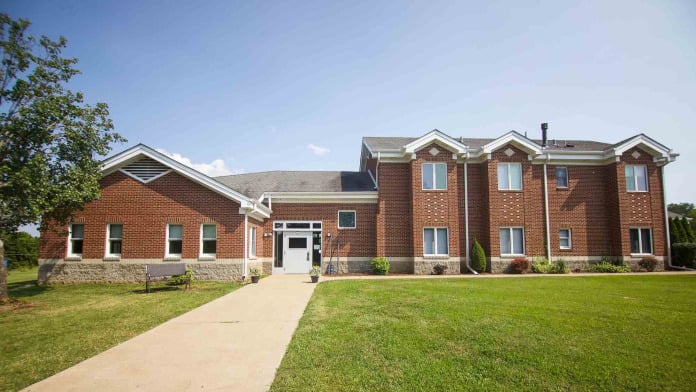
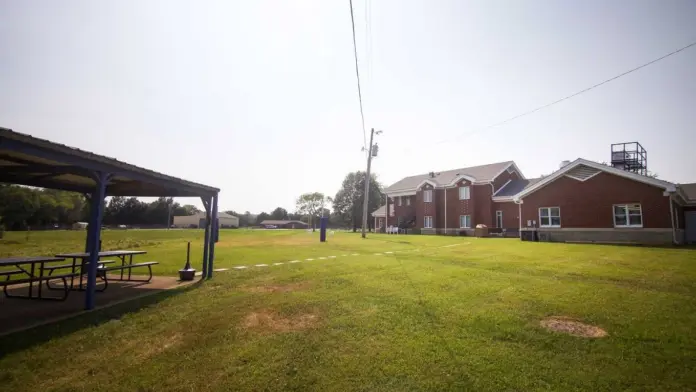
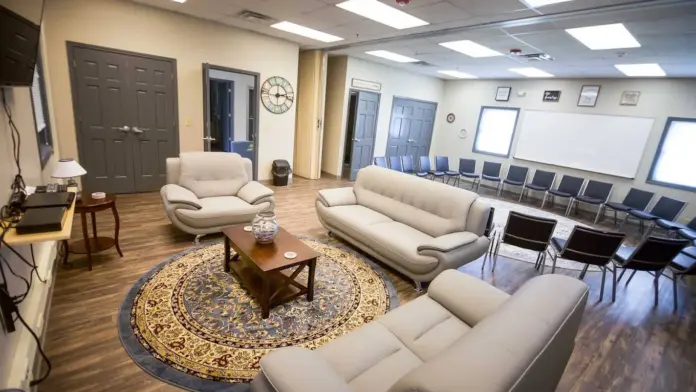
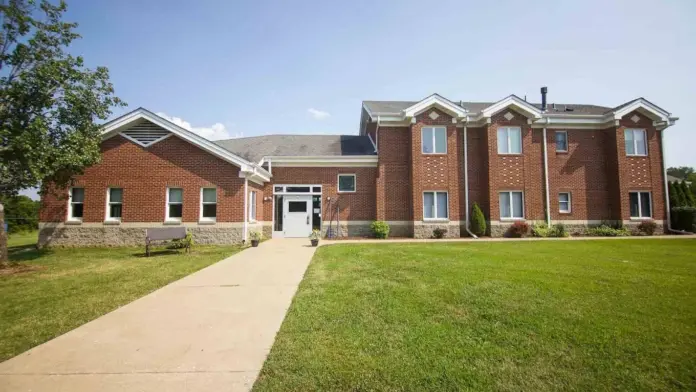
Stepworks of Bowling Green is located in Bowling Green, Kentucky, where they offer supervised medical detox and a residential rehab program. This is one of six locations in the state, where you engage in an individualized treatment program designed to address recovery in a home like environment that encourages healing.
An Integrated Team Approach
They use medication assisted detox protocols developed by a board certified physician to help reduce withdrawal symptoms and discomfort. After you’ve completed detoxification, you transition into a residential rehab program administered by a multidisciplinary team that includes therapists, physicians and recovery coaches.
When your symptoms are less severe, your stay is shortened so it focuses on detox and withdrawal and you can continue your recovery in a sober living or intensive outpatient program at one of their other five locations. Sober living environments are only offered to people who have graduated from the residential program.
They have treated more than 6,000 people for substance abuse and recognize that family members play a vital role in recovery. Addiction does not happen in a vacuum and family members often experience emotional hurt. Part of your customized program includes educating family members about addiction and preparing a supportive environment once you finish the program.
Admission Criteria for Pregnant Women and Returning Clients
Pregnant women are accepted for treatment with their physician’s approval. While they acknowledge that treating couples improves the home environment, they are discouraged from attending treatment at the same location at the same time. Separate treatment allows you to focus on your personal growth and recovery journey.
If you don’t complete the program, you can request readmission when you are ready for recovery. Your circumstances will be evaluated to determine your eligibility. They are CARF accredited and accept private insurance as well as managed Medicare and Medicaid programs.
Facility Overview
 15 - 30
 Latest Reviews



Rehab Score
 Our Methodology


Gallery

Accepted Insurance
Other Forms of Payment
Private insurance refers to any kind of healthcare coverage that isn't from the state or federal government. This includes individual and family plans offered by an employer or purchased from the Insurance Marketplace. Every plan will have different requirements and out of pocket costs so be sure to get the full details before you start treatment.
Self-pay involves paying for treatment out of your own pocket. You can use savings or credit, get a personal loan, or receive help from family and friends to fund your treatment. If you don't have insurance or your insurance plan doesn't cover a specific program, self-pay can help ensure you still get the care you need.
Medicare is a federal program that provides health insurance for those 65 and older. It also serves people under 65 with chronic and disabling health challenges. To use Medicare for addiction treatment you need to find a program that accepts Medicare and is in network with your plan. Out of pocket costs and preauthorization requirements vary, so always check with your provider.
Medicaid is a state based program that helps lower-income individuals and families pay for healthcare. Medicaid covers addiction treatment so those enrolled can use their coverage to pay for rehab. When a program accepts Medicaid the client often pays very little or nothing out of their own pocket.
Addiction Treatments
Levels of Care
Residential treatment programs are those that offer housing and meals in addition to substance abuse treatment. Rehab facilities that offer residential treatment allow patients to focus solely on recovery, in an environment totally separate from their lives. Some rehab centers specialize in short-term residential treatment (a few days to a week or two), while others solely provide treatment on a long-term basis (several weeks to months). Some offer both, and tailor treatment to the patient's individual requirements.
Rehab aftercare programs ensure clients' access to continuing care after the completion of intensive inpatient treatment. Outpatient care is often considered a component of drug rehab aftercare, but most clients continue to receive support services after being discharged from formal treatment. Service portfolios are customized to clients' unique and evolving needs and are often designed in collaboration with clients' case managers and care teams. Peer coaching, career counseling, relapse prevention, and 12 step program induction are standard.
Participants in 12 step programs attend regular group meetings, which are free, anonymous, and open to the public. Most communities offer multiple meetings daily, with specialized formats, including programs for seniors, teens, and families, widely available. 12 step recovery prioritizes participants' spiritual, emotional, and psychological growth and healing to support their sustained sobriety. Participants also receive one-on-one mentoring from a self-selected sponsor as they work through the 12 steps of recovery.
Intervention services provide an experienced professional to guide families through a drug intervention in Kentucky. The interventionist starts with an introduction, then acts as a mediator as family members share their concerns with the substance user. This addiction expert can then guide the family in appropriate next steps based on the outcome of the intervention. They can offer ongoing support for the intervention process, whether the individual chooses treatment or not.
Intensive levels of rehab involve 24-hour clinical care in Kentucky. This level of care is for those who have severe substance use disorders and need medical stabilization. Drug dependency can cause extreme withdrawal symptoms when the drug use stops, so this supervised care is necessary to treat those symptoms. Treatment involves 24-hour medical care, counseling, and medications.
Drug and alcohol addiction often takes a heavy toll on one's body. Over time, a physical dependence can develop, meaning the body physiologically needs the substance to function. Detox is the process of removing drugs and/or alcohol from the body, a process that can be lethal if mismanaged. Medical detox is done by licensed medical professionals who monitor vital signs and keep you safe, healthy, and as comfortable as possible as you go through detox and withdrawal. The length of stay at the detoxification program is determined according to the specific needs of the patient.
Intensive outpatient programs (IOP) specialize in high-level care for clients requiring robust support. This includes those in early recovery, those in crisis, and those stepping down from inpatient care. Clients typically participate in a minimum of nine treatment hours per week, but many intensive outpatient rehabs offer up to 20 hours of service weekly. Their primary treatment modalities generally combine psychotherapy and recovery education. Medication assisted treatment (MAT) for alcohol and/or opioid recovery is widely available.
Treatments
The goal of treatment for alcoholism is abstinence. Those with poor social support, poor motivation, or psychiatric disorders tend to relapse within a few years of treatment. For these people, success is measured by longer periods of abstinence, reduced use of alcohol, better health, and improved social functioning. Recovery and Maintenance are usually based on 12 step programs and AA meetings.
Drug rehab in Kentucky often starts with detox, then includes inpatient or outpatient treatment, and continues with aftercare support. Specific methods used during each of these phases varies, but often include individual and group counseling, medication, and recreational therapies.
Opioid rehabs specialize in supporting those recovering from opioid addiction. They treat those suffering from addiction to illegal opioids like heroin, as well as prescription drugs like oxycodone. These centers typically combine both physical as well as mental and emotional support to help stop addiction. Physical support often includes medical detox and subsequent medical support (including medication), and mental support includes in-depth therapy to address the underlying causes of addiction.
Substance rehabs focus on helping individuals recover from substance abuse, including alcohol and drug addiction (both illegal and prescription drugs). They often include the opportunity to engage in both individual as well as group therapy.
Programs
Adult rehab programs include therapies tailored to each client's specific needs, goals, and recovery progress. They are tailored to the specific challenges adult clients may face, including family and work pressures and commitments. From inpatient and residential treatment to various levels of outpatient services, there are many options available. Some facilities also help adults work through co-occurring conditions, like anxiety, that can accompany addiction.
Recovery is most successful when clients feel accepted and validated by their peers and treatment providers. Facilities that offer LGBTQ-inclusive programming are committed to creating a safe space where everyone can grow and recover without fear of judgment or discrimination. They will have dedicated policies in place to create a safe and supportive environment that fosters free expression.
Clinical Services
Cognitive behavioral therapy in Kentucky involves learning to recognize unhealthy thinking patterns and developing problem solving skills to cope with life's challenges. It will help you have greater confidence in your abilities so you can change your patterns of behavior and break free from substance abuse.
Typically, dialectical behavior therapy (DBT) in Kentucky involves four types of therapy sessions. You'll participate in a pre assessment, skills training in groups, individual therapy, and telephone crisis coaching. The goal is to improve your skills for coping with daily emotions and life challenges.
Group therapy is any therapeutic work that happens in a group (not one-on-one). There are a number of different group therapy modalities, including support groups, experiential therapy, psycho-education, and more. Group therapy involves treatment as well as processing interaction between group members.
In individual therapy, a patient meets one-on-one with a trained psychologist or counselor. Therapy is a pivotal part of effective substance abuse treatment, as it often covers root causes of addiction, including challenges faced by the patient in their social, family, and work/school life.
Several techniques are key to motivational interviewing in Kentucky. Your therapist will use open ended questions, affirm your strengths, reflect your responses back to you, and summarize your responses. This allows you to identify any discrepancies in your current situation and your future goals, which can motivate you to make changes.
Research clearly demonstrates that recovery is far more successful and sustainable when loved ones like family members participate in rehab and substance abuse treatment. Genetic factors may be at play when it comes to drug and alcohol addiction, as well as mental health issues. Family dynamics often play a critical role in addiction triggers, and if properly educated, family members can be a strong source of support when it comes to rehabilitation.
Life skills trainings involve all the skills a person must have in order to function successfully in the world. These include time management, career guidance, money management, and effective communication. Truly successful addiction recovery is based on the ability to not only live substance-free, but to thrive. Life skills teaches the practical necessities of functioning in society, which sets clients up for success in life, and therefore sobriety.
Amenities
-
 Private Setting
Staff & Accreditations
Staff

Tom Ingram, MD
Executive Chairman

Nicole Melloan
CEO

Deron Bibb, MBA
CFO

Andrew Ingram
Chief Creative Services Officer

Alan Hendricks
Chief Technology Officer

Brittany Ingram, MD
Medical Director

Laura Reynolds, MD
Medical Director

Greg Smith, MD
Medical Director
Accreditations

The Commission on Accreditation of Rehabilitation Facilities (CARF) is a non-profit organization that specifically accredits rehab organizations. Founded in 1966, CARF's, mission is to help service providers like rehab facilities maintain high standards of care.
CARF Accreditation: Yes

LegitScript has reviewed Stepworks of Bowling Green as part of their certification program, and has determined that it meets the LegitScript standards for legality, safety and transparency.
LegitScript verified in July 2020
Rehab.com regularly reviews this listing for accuracy but changes may occur between updates. For the most up-to-date information, please contact Stepworks of Bowling Green.
Contact Information


331 Brookwood Drive
Bowling Green, KY 42101
Sponsored Helpline


