










Symetria — Hurst Outpatient Rehab & Suboxone Clinic
1
Top 10 Rehab Centers In Hurst




















































































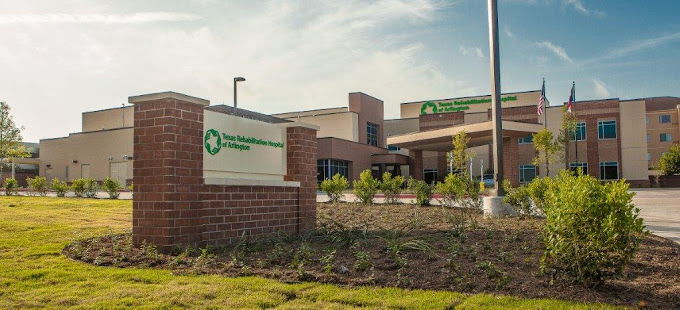
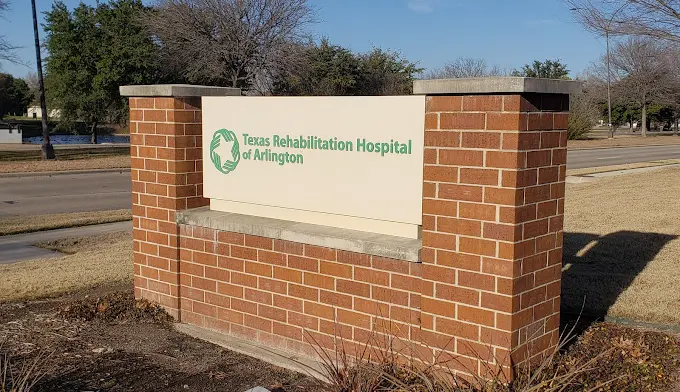
The Texas Rehabilitation Hospital of Arlington is CARF and CIHQ accredited. They’re an inpatient rehabilitation hospital with 40 beds. The hospital will not release specific information concerning your treatment, including that you have a condition due to substance use. They’re accredited by CARF and The Joint Commission.
The hospital treats and rehabilitates patients who have had a stroke, a brain injury, a spinal cord injury, an orthopedic injury, cardiovascular or pulmonary issues, neurological conditions, an amputation, or trauma. Although substance use can lead to any of these diagnoses either from using the substance or an injury while using the substance, brain and neurological issues are imminent for long term users.
Brain conditions known to be caused by opioid use include hypoxic or anoxic encephalopathy and lack of oxygen to the brain due to respiratory suppression, which is similar to a traumatic brain injury. Neurological damage includes opioid induced neurotoxicity.
Brain conditions known to be caused by alcohol use includes brain lesions called hyaline arteriolosclerosis which affect memory and thinking. Neurological conditions caused by drinking include peripheral neuropathy, neurotransmitter dysfunction, and Wernicke-Korsakoff Encephalopathy.
The brain injury specialty program involves therapy and structured rehabilitation. Physical therapy focuses on core stabilization and balance while occupational therapy focuses on feeding, bathing, and other self care functions. Speech therapy focuses on speech, memory, and self awareness. Your family will be educated about the expected path of your condition, how to help you, and how to care for themselves.
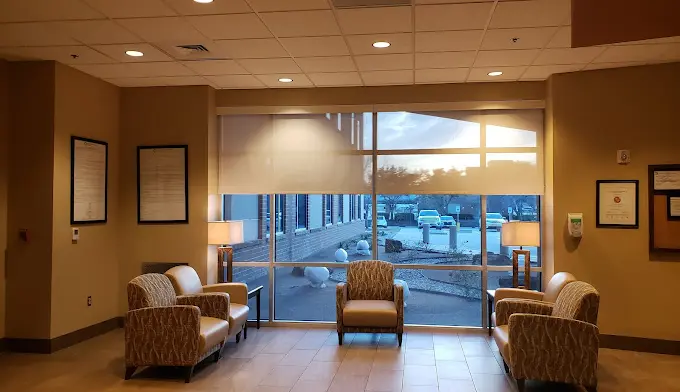
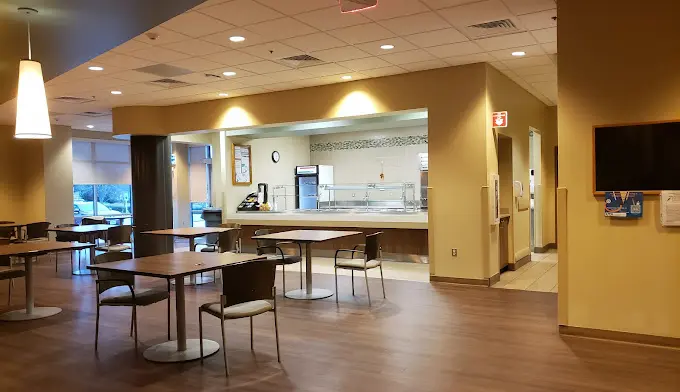
This way you’ll feel healthier and be better able to cope with stress and challenges. It helps that there’s plenty of floor space for fellowship and socializing with your peers to build up your own network.
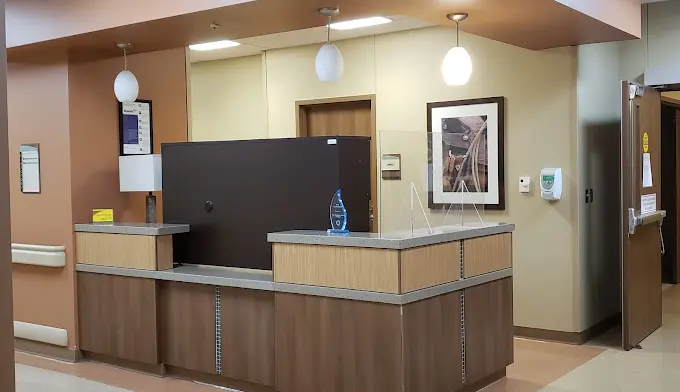
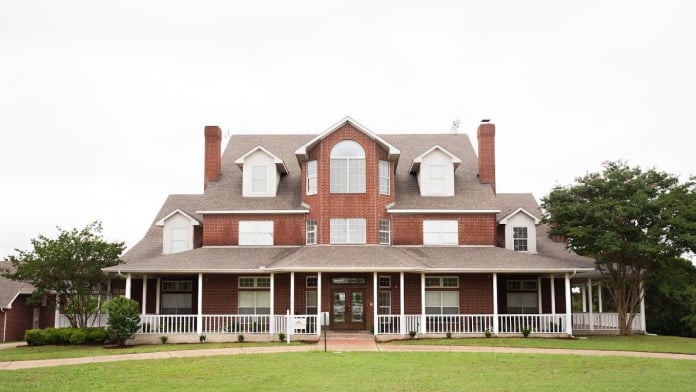
Clients receive therapy and psychosocial support while your family or caregiver is educated about your condition. You’ll likely need to continue with outpatient rehabilitation after you are released from inpatient treatment. It’s neat that the facility has lots of natural accents and an earth tone color scheme. It’s conducive to healing and can re-connect you back with nature. Speaking of which, Gateway Park is across the street.
 40
40 
 Our Methodology


Private insurance refers to any kind of healthcare coverage that isn't from the state or federal government. This includes individual and family plans offered by an employer or purchased from the Insurance Marketplace. Every plan will have different requirements and out of pocket costs so be sure to get the full details before you start treatment.
Self-pay involves paying for treatment out of your own pocket. You can use savings or credit, get a personal loan, or receive help from family and friends to fund your treatment. If you don't have insurance or your insurance plan doesn't cover a specific program, self-pay can help ensure you still get the care you need.
After completing some form of inpatient care, many clients transition or step down to an outpatient rehab, while some choose to transition from detox directly into outpatient care. High-intensity outpatient programming, including partial hospitalization (PHP) and intensive outpatient (IOP) is widely available for clients in early recovery, those leaving detox, and those at an elevated relapse risk. Clients in outpatient care generally engage in robust addiction counseling and recovery education, and some also receive medication assisted treatment (MAT).
Inpatient rehab programs are geared toward clients in early recovery. They also provide intensive support for clients in crisis and those at an increased relapse risk. Clients receive housing and meals while in inpatient care, allowing them to focus solely on their recovery. Most programs prioritize addiction counseling but may draw on various psychotherapeutic modalities, including CBT, DBT, RBT, trauma therapy, and motivational interviewing. Life skills training and holistic therapies are also common in inpatient care.
Intensive outpatient programs offer high-level care for clients as an increased risk of relapse, including those in early recovery, those with a strong history of relapse, and those experiencing a crisis. Intensive outpatient treatment typically requires clients to engage in nine to 20 hours of care weekly, with treatment modalities that combine psychotherapy and recovery education, and holistic therapies, such as acupuncture and animal therapy. Medication assisted treatment (MAT) is also common in alcohol and/or opioid recovery.
Residents of a sober living home in Texas reside at the halfway house with others who have agreed to abstain from substances and practice sober-living skills. The relationships and accountability formed here can help individuals strengthen their mental health and achieve long-term recovery. Residents share common spaces such as kitchens and back yards, share meals together, and share household responsibilities such as cooking and cleaning.
24-hour clinical care in Texas provides a safe environment for medical detox. This setting is crucial to provide medical care during withdrawal. Certain withdrawal symptoms can cause life-threatening conditions, but patients in a supervised clinical setting have treatment readily available to address any symptoms before they become severe. Treatment can also be provided for co-occurring physical and mental health issues.
Ridding the body of harmful, addictive substances, also known as detoxification, is usually the first phase of recovery. Those going through medically assisted detox can be administered medications by a team of medical professionals who are on-site 24/7 to provide different types of therapies that help mitigate withdrawal symptoms.
Adult rehab programs include therapies tailored to each client's specific needs, goals, and recovery progress. They are tailored to the specific challenges adult clients may face, including family and work pressures and commitments. From inpatient and residential treatment to various levels of outpatient services, there are many options available. Some facilities also help adults work through co-occurring conditions, like anxiety, that can accompany addiction.
Individual therapy offers you a confidential space to address the complexities of your drug or alcohol addiction. Your therapist guides these personalized sessions to help develop self awareness and manage stress. This promotes sustained sobriety and overall well being.
 Private Rooms
The Commission on Accreditation of Rehabilitation Facilities (CARF) is a non-profit organization that specifically accredits rehab organizations. Founded in 1966, CARF's, mission is to help service providers like rehab facilities maintain high standards of care.
CARF Accreditation: Yes

The Joint Commission, formerly known as JCAHO, is a nonprofit organization that accredits rehab organizations and programs. Founded in 1951, the Joint Commision's mission is to improve the quality of patient care and demonstrating the quality of patient care.
Joint Commission Accreditation: Yes
Rehab.com regularly reviews this listing for accuracy but changes may occur between updates. For the most up-to-date information, please contact Texas Rehabilitation Hospital of Arlington.

900 W Arbrook Blvd
Arlington, TX 76015
Sponsored Helpline

Esther, one of the Technicians provides exceptional service by being very friendly and compassionate. She listens to your needs and try’s very hard to meet your needs. Always had a welcoming smile everyday. Thanks for making my stay a great one!


Texas Rehab staff was amazing with my father. I've had many experiences with different rehab facilities and this one and the staff was very informative. And understanding of our family's needs, my father felt he was gaining his sense of control, strength and independence back. Thank you so much

My Aunt was inpatient at Texas Rehab hospital for 10 days after a fall resulting in a broken hip with surgical repair. She was treated respectfully, her pain managed, and when she was discharged - her Home Health was set up and follow up appointments made. What a difference in her recovery!
 Back
Back
Sharing your insights and experiences can help others learn more about this rehab center.
 Written By: Kimberly Hawkins
MSc
Written By: Kimberly Hawkins
MSc
