






























































































The staff is rude, and they only care about money and not about your recovery!
About Vanderbilt Psychiatric Hospital
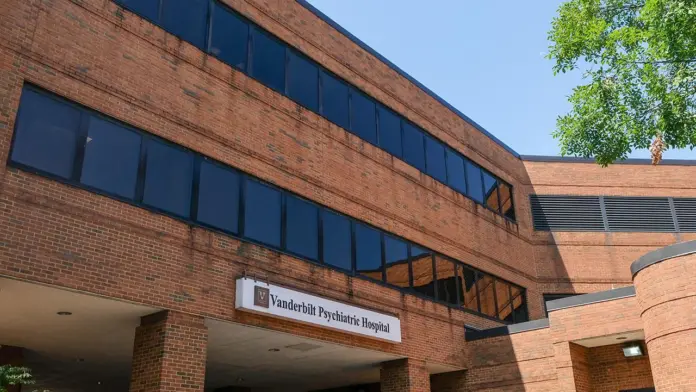
Vanderbilt Psychiatric Hospital is a comprehensive mental health hospital in Nashville, Tennessee. The hospital offers inpatient and outpatient behavioral health and addiction treatment. Medical detox is also available if appropriate. Additionally, children, teens, and adults can all get emergency psychiatric care at this hospital. The hospital accepts most major insurance plans, including TRICARE, and some Medicare and Medicaid plans. They offer financial assistance to eligible clients.
Behavioral Health Care in the Country Music Capital
The hospital is less than three miles from bustling downtown Nashville. It’s less than four miles from Love Park, a small recreation area with beautiful views of the Nashville skyline where you may enjoy some relaxation if you’re in the outpatient program.
There are several adult programs at the hospital, including inpatient and outpatient mental health and substance use disorder (SUD) treatment. The hospital has separate inpatient and outpatient adolescent behavioral health and SUD treatment programs.
The Comprehensive Assessment Program for Professionals in Nashville
One of the notable programs offered at this facility is the comprehensive assessment program for adult professionals or VCAP. The VCAP is unique in offering treatment for professionals with cognitive decline, impairment, burnout, and issues with personal and professional boundaries.
Additionally, the program addresses SUD. The program is private and confidential but staff may consult with other specialists and your workplace on a need to know basis only. Your medical records are kept separately from the hospital’s records system to protect your privacy.
The program includes evaluation, screening, and a complete physical exam. Clients receive neuropsychological testing, cognitive screening, and a spiritual health assessment. The assessment may include a psychosexual evaluation and boundary review to get a better understanding of a client’s mental health issues.
Once the treatment team has a full assessment and understanding of any underlying issues, they’ll develop a plan to resolve your addiction and/or mental health issues, promote your professional success, and enhance your personal growth. Treatment may include psychiatric hospitalization, SUD treatment, therapy, and education.
Latest Reviews
I have autism spectrum disorder and on April 7th, I had a mental health crisis. I was put on certain medications here and I find them somewhat helpful. It is a work in progress and I do not know what the future is like, but I am okay as of now. Thank you for saving me from myself and I hope that therapy and further medication management makes it so that that one time is the only time that I am here. Thank you for starting the process of saving me from my own mind as it can get extremely dark and depressing at times. Have a good day and I hope that my hospitalization from April 7th-10th is the only time that it is necessary.
Addition: The place you referred me to, Novus Behavioral Health, has a good psychiatrist that is willing to continue what you started and is doing a decent job in treating me for ADHD. All of that to say, I give a shout-out to the social work intern, Alex. You did a good job listening to my concerns and finding someone who could help me. I am hopeful for the future at the moment. I will still go on to continue my schooling. But, I am still a work in progress.
Response from the owner1 week ago
Thanks for taking the time to leave us a review, Johnathan!
I am very thankful for many of those on units 3 and 4 and those working outpatient for being so caring over the years. I’ve unfortunately been back and forth a few times which makes healing feel so frustrating but I never feel shamed by the staff for having to come back. I always hope I never go back but I don’t feel like I can’t if I need to which I am grateful for. However, I have been told by a nurse that only losers attempt to take their life, been laughed at for crying during a strip search with the door open, and been told to basically just work harder or figure things out while in still a state of crisis. I would still go back but these things and sometimes not feeling heard make me hesitant.
This place helped me find a safe place to go and fought with my insurance when I they didn't wanna pay anymore it was my second time there thank you Vanderbilt for caring about my safety
Response from the owner1 week ago
Thank you for your review, Kushaiah! 
Rehab Score
 Our Methodology
Scoring is assigned by a proprietary system which helps surface key metrics that determine quality. The 10-point scale factors in categories such as operations, customer satisfaction, and trust metrics. Read Full Methodology

6.4 / 10
Gallery
Accepted Insurance

Prime Health Services
PHCS (Private Healthcare Systems)
Other Forms of Payment
Self-pay involves paying for treatment out of your own pocket. You can use savings or credit, get a personal loan, or receive help from family and friends to fund your treatment. If you don't have insurance or your insurance plan doesn't cover a specific program, self-pay can help ensure you still get the care you need.
Medicaid is a state based program that helps lower-income individuals and families pay for healthcare. Medicaid covers addiction treatment so those enrolled can use their coverage to pay for rehab. When a program accepts Medicaid the client often pays very little or nothing out of their own pocket.
Military members, veterans, and eligible dependents have access to specific insurance programs that help them get the care they need. TRICARE and VA insurance can help you access low cost or no cost addiction and mental health treatment. Programs that accept military insurance often have targeted treatment focused on the unique challenges military members, veterans, and their families face.
Medicare is a federal program that provides health insurance for those 65 and older. It also serves people under 65 with chronic and disabling health challenges. To use Medicare for addiction treatment you need to find a program that accepts Medicare and is in network with your plan. Out of pocket costs and preauthorization requirements vary, so always check with your provider.
Private insurance refers to any kind of healthcare coverage that isn't from the state or federal government. This includes individual and family plans offered by an employer or purchased from the Insurance Marketplace. Every plan will have different requirements and out of pocket costs so be sure to get the full details before you start treatment.
Private insurance refers to any kind of healthcare coverage that isn't from the state or federal government. This includes individual and family plans offered by an employer or purchased from the Insurance Marketplace. Every plan will have different requirements and out of pocket costs so be sure to get the full details before you start treatment.
Addiction Treatments
Levels of Care
Outpatient Programs (OP) are for those seeking mental rehab or drug rehab, but who also stay at home every night. The main difference between outpatient treatment (OP) and intensive outpatient treatment (IOP) lies in the amount of hours the patient spends at the facility. Most of the time an outpatient program is designed for someone who has completed an inpatient stay and is looking to continue their growth in recovery. Outpatient is not meant to be the starting point, it is commonly referred to as aftercare.
Residential treatment programs are those that offer housing and meals in addition to substance abuse treatment. Rehab facilities that offer residential treatment allow patients to focus solely on recovery, in an environment totally separate from their lives. Some rehab centers specialize in short-term residential treatment (a few days to a week or two), while others solely provide treatment on a long-term basis (several weeks to months). Some offer both, and tailor treatment to the patient's individual requirements.
Completing a drug or alcohol rehab program shouldn't spell the end of substance abuse treatment. Aftercare involves making a sustainable plan for recovery, including ongoing support. This can include sober living arrangements like halfway houses, career counseling, and setting a patient up with community programs like Alcoholics Anonymous (AA) or Narcotics Anonymous (NA).
A partial hospitalization program (PHP) is an intensive outpatient option for those with moderate to severe addictions, allowing you to return home at the end of the day. It can be an alternative to hospitalization or used as a step-down option. PHP treatment requires a minimum of 20 hours of treatment per week for an average of 90 days. Depending on your needs, PHP treatment includes relapse prevention, medication management, and behavioral therapy services. PHP treatment is often covered by providers.
Safe detox requires 24-hour clinical care in Tennessee. This is due to the health risks that are involved during withdrawal. As the brain reacts to the absence of the drug, severe symptoms can occur, depending on the type of drug used. For instance, alcohol and benzodiazepine withdrawal may result in seizures. Fortunately, supervised care in a clinical setting can provide the necessary treatment to avoid health risks and allow you to complete detox safely.
Clients in intensive outpatient programs (IOP) receive robust, personalized care to support their reintegration into their community. Clients stepping down from inpatient treatment frequently enroll in IOP before entering standard outpatient care or community-based recovery programs, such as AA. Intensive outpatient treatment generally involves between nine and 20 therapeutic hours weekly, with the frequency and duration of sessions decreasing as clients stabilize. IOP services commonly include counseling, recovery education, holistic therapies, and medication assisted treatment (MAT).
Treatments
The goal of treatment for alcoholism is abstinence. Those with poor social support, poor motivation, or psychiatric disorders tend to relapse within a few years of treatment. For these people, success is measured by longer periods of abstinence, reduced use of alcohol, better health, and improved social functioning. Recovery and Maintenance are usually based on 12 step programs and AA meetings.
When your day-to-day life is taken over by drug use, this is known as substance use disorder. If you abruptly stop using your drug of choice, you experience withdrawal symptoms. To overcome this cycle, professional drug rehab in Tennessee is usually needed.
Many of those suffering from addiction also suffer from mental or emotional illnesses like schizophrenia, bipolar disorder, depression, or anxiety disorders. Rehab and other substance abuse facilities treating those with a dual diagnosis or co-occurring disorder administer psychiatric treatment to address the person's mental health issue in addition to drug and alcohol rehabilitation.
A combined mental health and substance abuse rehab has the staff and resources available to handle individuals with both mental health and substance abuse issues. It can be challenging to determine where a specific symptom stems from (a mental health issue or an issue related to substance abuse), so mental health and substance abuse professionals are helpful in detangling symptoms and keeping treatment on track.
Opioid rehabs specialize in supporting those recovering from opioid addiction. They treat those suffering from addiction to illegal opioids like heroin, as well as prescription drugs like oxycodone. These centers typically combine both physical as well as mental and emotional support to help stop addiction. Physical support often includes medical detox and subsequent medical support (including medication), and mental support includes in-depth therapy to address the underlying causes of addiction.
Substance abuse treatment in Tennessee is available in addiction treatment centers, where experienced addiction professionals can treat both substance use disorders. Typically, clinicians use a range of evidence-based therapies such as a biopsychosocial assessment, cognitive-behavioral therapy, and motivational interviewing to get a complete picture of your mental health, support systems, and motivation to change. Through an individualized treatment plan, you'll receive the support you need to achieve long-term sobriety through new skills and relapse prevention strategies.
If you have a co-occurring mental health condition and an addiction, you'll want to address both conditions at the same time, under the same roof. If you only address the mental health disorder, you'll likely continue using drugs, which tends to make mental health issues even worse. On the other hand, if you only address the addiction, the symptoms of your mental health disorder will make it very hard to succeed in recovery.
Programs
Adult rehab programs include therapies tailored to each client's specific needs, goals, and recovery progress. They are tailored to the specific challenges adult clients may face, including family and work pressures and commitments. From inpatient and residential treatment to various levels of outpatient services, there are many options available. Some facilities also help adults work through co-occurring conditions, like anxiety, that can accompany addiction.
Young adulthood can be an exciting, yet difficult, time of transition. Individuals in their late teens to mid-20s face unique stressors related to school, jobs, families, and social circles, which can lead to a rise in substance use. Rehab centers with dedicated young adult programs will include activities and amenities that cater to this age group, with an emphasis on specialized counseling, peer socialization, and ongoing aftercare.
Teen programs are designed to address the unique pressures teens face, pressures that can drive them to experiment with dangerous, addictive substances. They need programs that meet them exactly where they are and give them tools for long-term recovery. Therapy can help teenagers understand and work through underlying issues so they can reclaim the life ahead of them.
Clinical Services
Typical cognitive behavioral therapy in Tennessee involves recognizing negative thinking and learning techniques to change that thinking and create new, positive behaviors. Strategies may include SMART goals, journaling, and situation exposure.
Counseling in Tennessee that takes a dialectical behavior therapy approach can last from six to 12 months. During that time, you'll develop skills in the areas of distress tolerance, mindfulness, emotional regulation, and interpersonal effectiveness.
Group therapy is any therapeutic work that happens in a group (not one-on-one). There are a number of different group therapy modalities, including support groups, experiential therapy, psycho-education, and more. Group therapy involves treatment as well as processing interaction between group members.
In individual therapy, a patient meets one-on-one with a trained psychologist or counselor. Therapy is a pivotal part of effective substance abuse treatment, as it often covers root causes of addiction, including challenges faced by the patient in their social, family, and work/school life.
Trauma therapy is a safe place to work through the lingering effects of traumatic events in your life. Your therapist will help you understand the physical and emotional responses that can develop after witnessing or experiencing a traumatic event. You then work toward developing healthier coping mechanisms to reduce your symptoms.
Whether a marriage or other committed relationship, an intimate partnership is one of the most important aspects of a person's life. Drug and alcohol addiction affects both members of a couple in deep and meaningful ways, as does rehab and recovery. Couples therapy and other couples-focused treatment programs are significant parts of exploring triggers of addiction, as well as learning how to build healthy patterns to support ongoing sobriety.
Family therapy uses a structured environment to address the complexities of addiction and the negative influences it has on the family unit. Therapists work with family members to develop effective coping and communication strategies that support their loved one's recovery while also focusing on the health and well being of each family member.
Staff & Accreditations
Staff
Mary Pawlikowski, MA, MEd, PsyD (ABD)
President
Tanmay Mathur, MS, MBA
VP
Nathaniel Clark, MD
Chief Medical Officer of General Psychiatry Clinical Services
Melissa M. Hall, MD
Medical Director of the General Psychiatry Inpatient Service
Accreditations

The Joint Commission, formerly known as JCAHO, is a nonprofit organization that accredits rehab organizations and programs. Founded in 1951, the Joint Commision's mission is to improve the quality of patient care and demonstrating the quality of patient care.
Joint Commission Accreditation: Yes
Accreditation Number: 7892
Rehab.com regularly reviews this listing for accuracy but changes may occur between updates. For the most up-to-date information, please contact Vanderbilt Psychiatric Hospital.
Contact Information

1601 23rd Avenue South
Nashville, TN 37212
Get Help Now - 615-437-0407
Sponsored Helpline
Sponsored Helpline



