


































































































About WES Health System
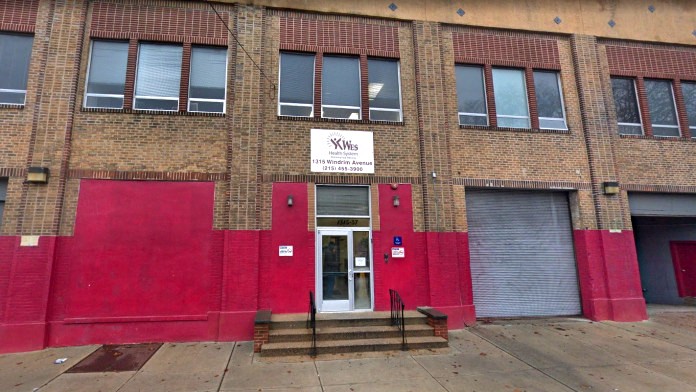
You can find WES Health in Philadelphia on Windrim Avenue. This location is set in an urban business district close to a Shop & Carry Pharmacy, N. Broad Street and not far from the Wister Woods Park, offering tranquil relaxation and recreation to support your recovery. They provide behavioral health services to adolescents to support their addiction needs and mental health wellness, with referrals provided to additional community resources and health care services.
Prioritizing Youths with Passages
WES utilizes the Passages Program for youngsters 11-17 who are experiencing substance use issues. They provide services in schools and home-based settings and provide outpatient services for treatment for those who have been referred by the court system. Services are provided through trauma-informed care with information regarding your child’s treatment shared with the court system as it may relate to decisions regarding custody.
However, they emphasize that safety is a top priority when involved in these circumstances, and that the care and support your child receives is their main priority.
Increasing Your Child’s Self-Worth and Success
When providing treatment, WES focuses on helping your child improve their feelings of self-worth and preparing them for healthier, successful lifestyles. They also work with your family on helping to improve relationships through therapy. They provide therapy, screening for drugs, and education programs, to ensure your child and family are knowledgeable about the dangers of addiction and prevent any further abuse.
Care for Clients with Intellectual Disabilities
At their Philadelphia location, they also provide WESWorks for those with intellectual disabilities including vocational training, community support access and services and companion services, providing in-home services to assist intellectually challenged clients with daily tasks and overall support and care.
Latest Reviews



Rehab Score
 Our Methodology


Gallery
Accepted Insurance




Other Forms of Payment
Private insurance refers to any kind of healthcare coverage that isn't from the state or federal government. This includes individual and family plans offered by an employer or purchased from the Insurance Marketplace. Every plan will have different requirements and out of pocket costs so be sure to get the full details before you start treatment.
Self-pay involves paying for treatment out of your own pocket. You can use savings or credit, get a personal loan, or receive help from family and friends to fund your treatment. If you don't have insurance or your insurance plan doesn't cover a specific program, self-pay can help ensure you still get the care you need.
Medicaid is a state based program that helps lower-income individuals and families pay for healthcare. Medicaid covers addiction treatment so those enrolled can use their coverage to pay for rehab. When a program accepts Medicaid the client often pays very little or nothing out of their own pocket.
Medicare is a federal program that provides health insurance for those 65 and older. It also serves people under 65 with chronic and disabling health challenges. To use Medicare for addiction treatment you need to find a program that accepts Medicare and is in network with your plan. Out of pocket costs and preauthorization requirements vary, so always check with your provider.
Addiction Treatments
Levels of Care
Outpatient Programs (OP) are for those seeking mental rehab or drug rehab, but who also stay at home every night. The main difference between outpatient treatment (OP) and intensive outpatient treatment (IOP) lies in the amount of hours the patient spends at the facility. Most of the time an outpatient program is designed for someone who has completed an inpatient stay and is looking to continue their growth in recovery. Outpatient is not meant to be the starting point, it is commonly referred to as aftercare.
Treatments
Many of those suffering from addiction also suffer from mental or emotional illnesses like schizophrenia, bipolar disorder, depression, or anxiety disorders. Rehab and other substance abuse facilities treating those with a dual diagnosis or co-occurring disorder administer psychiatric treatment to address the person's mental health issue in addition to drug and alcohol rehabilitation.
Mental health rehabs focus on helping individuals recover from mental illnesses like bipolar disorder, clinical depression, anxiety disorders, schizophrenia, and more. Mental health professionals at these facilities are trained to understand and treat mental health issues, both in individual and group settings.
Clinical Services
Research clearly demonstrates that recovery is far more successful and sustainable when loved ones like family members participate in rehab and substance abuse treatment. Genetic factors may be at play when it comes to drug and alcohol addiction, as well as mental health issues. Family dynamics often play a critical role in addiction triggers, and if properly educated, family members can be a strong source of support when it comes to rehabilitation.
In individual therapy, a patient meets one-on-one with a trained psychologist or counselor. Therapy is a pivotal part of effective substance abuse treatment, as it often covers root causes of addiction, including challenges faced by the patient in their social, family, and work/school life.
Staff
Bill Shissler
CEO
Bill Schmearer
President
Love McCune
Director of Information Technology
David Kittka
CFO
Contact Information


1315 Windrim Ave
Philadelphia, PA 19141
Sponsored Helpline

