I came here expecting to get individualized treatment. Instead, they provided a one-size-fits-all program to all their clients. Some people were struggling with serious mental health issues and they didn't receive the support they clearly needed. There were a couple of good ...
About AIM House
The center, which has served the community for more than 25 years, has earned accreditation from the Joint Commission and National Association of Therapeutic Schools and Programs and belongs to the Young Adult Transition Association (YATA). AIM House is in network with Aetna and Blue Cross Blue Shield but also works with insurers out of network.
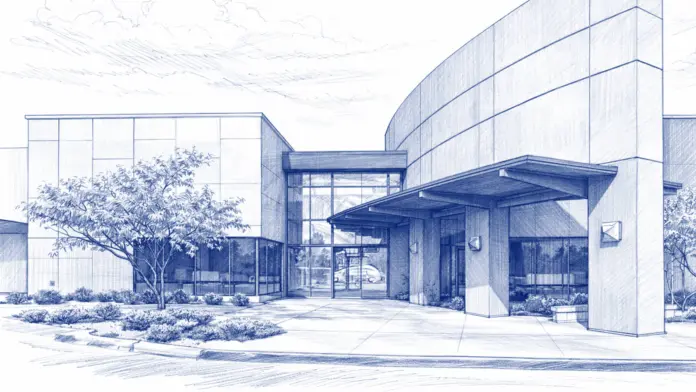
At AIM House, you’ll live independently in a structured environment with others in a residential neighborhood near the University of Boulder. The house is designed to help people bridge the gap between residential drug rehab centers, primary treatment and similar facilities and life in the outside world. They welcome everyone but say they aim specifically to provide a safe and welcoming environment for LGBTQIA+ people.
When you arrive, a professional will give you an assessment to determine your specific challenges, including behavioral and mental health concerns (dual-diagnosis). You’ll then receive individualized, holistic treatment to help you identify and meet your goals. The multifaceted program involves group, individual, and family therapy, peer support, and health and wellness instruction.
Additionally, you’ll have access to services that can pave the way for sustainable recovery and long-term success. That includes executive functioning and life skills training, vocational coaching and internships, academic mentoring, relapse prevention and support and creative accelerator programs.
They have many elements you’d expect from a drug rehab program like case management, addiction medicine specialists and drug testing and monitoring. But they also have some distinct features, like ketamine-assisted psychotherapy, psychedelic therapy and experiential therapies such as music and art therapy and equine therapy.
Although they’re not for everyone, some research suggests ketamine and psychedelics may benefit some people with substance use disorders, depression and anxiety disorders in ways that traditional therapy and medication can’t. The same goes for experiential treatments.

Latest Reviews
Rehab Score
Gallery
Other Forms of Payment
Self-pay involves paying for treatment out of your own pocket. You can use savings or credit, get a personal loan, or receive help from family and friends to fund your treatment. If you don't have insurance or your insurance plan doesn't cover a specific program, self-pay can help ensure you still get the care you need.
Addiction Treatments
Levels of Care
Outpatient Programs (OP) are for those seeking mental rehab or drug rehab, but who also stay at home every night. The main difference between outpatient treatment (OP) and intensive outpatient treatment (IOP) lies in the amount of hours the patient spends at the facility. Most of the time an outpatient program is designed for someone who has completed an inpatient stay and is looking to continue their growth in recovery. Outpatient is not meant to be the starting point, it is commonly referred to as aftercare.

Treatments
Mental health rehabs focus on helping individuals recover from mental illnesses like bipolar disorder, clinical depression, anxiety disorders, schizophrenia, and more. Mental health professionals at these facilities are trained to understand and treat mental health issues, both in individual and group settings.
Programs
Young adulthood can be an exciting, yet difficult, time of transition. Individuals in their late teens to mid-20s face unique stressors related to school, jobs, families, and social circles, which can lead to a rise in substance use. Rehab centers with dedicated young adult programs will include activities and amenities that cater to this age group, with an emphasis on specialized counseling, peer socialization, and ongoing aftercare.
Clinical Services
Creativity is inherently healing, and can help those in recovery express thoughts or feelings they might not otherwise be able to. Creative arts therapy can include music, poetry/writing, painting, sculpting, dance, theater, sandplay, and more. Unlike traditional art, the final product matters far less than the experience of creation and expression itself.
Research clearly demonstrates that recovery is far more successful and sustainable when loved ones like family members participate in rehab and substance abuse treatment. Genetic factors may be at play when it comes to drug and alcohol addiction, as well as mental health issues. Family dynamics often play a critical role in addiction triggers, and if properly educated, family members can be a strong source of support when it comes to rehabilitation.
Group therapy is any therapeutic work that happens in a group (not one-on-one). There are a number of different group therapy modalities, including support groups, experiential therapy, psycho-education, and more. Group therapy involves treatment as well as processing interaction between group members.
In individual therapy, a patient meets one-on-one with a trained psychologist or counselor. Therapy is a pivotal part of effective substance abuse treatment, as it often covers root causes of addiction, including challenges faced by the patient in their social, family, and work/school life.

Life skills trainings involve all the skills a person must have in order to function successfully in the world. These include time management, career guidance, money management, and effective communication. Truly successful addiction recovery is based on the ability to not only live substance-free, but to thrive. Life skills teaches the practical necessities of functioning in society, which sets clients up for success in life, and therefore sobriety.
Amenities
-
Residential Setting
-
Private Setting
Staff
Danny Conroy
Co-founder
Mae Martin
Co-founder
Kelly Corn
Director of Admissions
Wes Fischer
Chief Operations Officer
Jimmy Christoff
Director of Participant Experience
Davis Hoffman
Clinical Director
Alex Malidelis
Medical Director
David Gresham
Program Director
Contact Information
2000 21st Street
Boulder, CO 80302