











































































































If you decide to come to this place ... believe me that life will change you completely! The staff is well informed and very friendly, they were always willing to help me when I needed it the most.
About Alcoholics Anonymous
Alcoholics Anonymous, located in Albuquerque, New Mexico is a non-profit alcohol and drug rehab that offers treatment for a variety of substance abuse addictions including alcoholism. They offer flexible outpatient addiction therapy allowing patients to live at home while receiving regular treatment. Additional levels of care offered include relapse prevention and 12-step therapy.
Specialty rehab programs at Alcoholics Anonymous include tailored care focusing on women's specific needs and experiences, gender-specific addiction treatment addressing unique challenges faced by men, and age-sensitive addiction treatment considering health and life-stage issues of older adults.
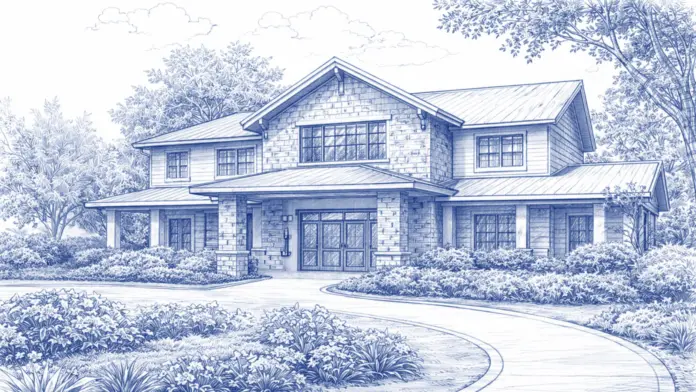
Patients at Alcoholics Anonymous will find the residential setting creates an immersive environment promoting full engagement in recovery away from daily triggers.
Latest Reviews

Rehab Score
 Our Methodology
Scoring is assigned by a proprietary system which helps surface key metrics that determine quality. The 10-point scale factors in categories such as operations, customer satisfaction, and trust metrics. Read Full Methodology

5.4 / 10
Location
Other Forms of Payment
 Free
FreeAddiction Treatments
Levels of Care
The "Twelve Steps" are the core of the AA program of personal recovery from alcoholism. They are not abstract theories; they are based on the trial-and-error experience of early members of AA. They describe the attitudes and activities that these early members believe were important in helping them to achieve sobriety. Acceptance of the "Twelve Steps" is not mandatory in any sense. Experience suggests, however, that members who make an earnest effort to follow these Steps and to apply them in daily living seem to get far more out of AA than do those members who seem to regard the Steps casually.
AA members don't have to attend any set number of meetings in a given period. It is purely a matter of individual preference and need. Most members arrange to attend at least one meeting a week. They feel that is enough to satisfy their personal need for contact with the program through a local group. Others attend a meeting nearly every night, in areas where such opportunities are available. Still others may go for relatively long periods without meetings.
Completing a drug or alcohol rehab program shouldn't spell the end of substance abuse treatment. Aftercare involves making a sustainable plan for recovery, including ongoing support. This can include sober living arrangements like halfway houses, career counseling, and setting a patient up with community programs like Alcoholics Anonymous (AA) or Narcotics Anonymous (NA).
Treatments
The goal of treatment for alcoholism is abstinence. Those with poor social support, poor motivation, or psychiatric disorders tend to relapse within a few years of treatment. For these people, success is measured by longer periods of abstinence, reduced use of alcohol, better health, and improved social functioning. Recovery and Maintenance are usually based on 12 step programs and AA meetings.
Each drug rehab in New Mexico offers unique amenities and treatment methods. Common aspects of treatment include group and individual counseling, recreational therapy, medication management, and healthy living. Aftercare is often provided to prevent relapse.
Substance rehabs focus on helping individuals recover from substance abuse, including alcohol and drug addiction (both illegal and prescription drugs). They often include the opportunity to engage in both individual as well as group therapy.
Programs
Adult rehab programs include therapies tailored to each client's specific needs, goals, and recovery progress. They are tailored to the specific challenges adult clients may face, including family and work pressures and commitments. From inpatient and residential treatment to various levels of outpatient services, there are many options available. Some facilities also help adults work through co-occurring conditions, like anxiety, that can accompany addiction.
Young adulthood can be an exciting, yet difficult, time of transition. Individuals in their late teens to mid-20s face unique stressors related to school, jobs, families, and social circles, which can lead to a rise in substance use. Rehab centers with dedicated young adult programs will include activities and amenities that cater to this age group, with an emphasis on specialized counseling, peer socialization, and ongoing aftercare.
Clinical Services
For over 55 years, Al-Anon (which includes Alateen for younger members) has been offering strength and hope for friends and families of problem drinkers. It is estimated that each alcoholic affects the lives of at least four other people, alcoholism is truly a family disease. No matter what relationship you have with an alcoholic, whether they are still drinking or not, all who have been affected by someone else’s drinking can find solutions that lead to serenity in the Al-Anon/Alateen fellowship.
Group therapy is any therapeutic work that happens in a group (not one-on-one). There are a number of different group therapy modalities, including support groups, experiential therapy, psycho-education, and more. Group therapy involves treatment as well as processing interaction between group members.
Amenities
-
 Residential Setting
 -
 Private Setting
Contact Information

1921 Alvarado Drive
Albuquerque, NM 87110
Get Help Now - 505-644-0154
Sponsored Helpline
Sponsored Helpline


