Our Rehab Score is designed to make it easier for you to find the best treatment centers. We combine overall ratings with recent feedback to create a score that reflects a center's quality right now.
8.10 / 10
1
Top 10 Rehab in Seaside
Rehab Score
Our Rehab Score is designed to make it easier for you to find the best treatment centers. We combine overall ratings with recent feedback to create a score that reflects a center's quality right now.
Our Rehab Score is designed to make it easier for you to find the best treatment centers. We combine overall ratings with recent feedback to create a score that reflects a center's quality right now.
8.10 / 10
1
Top 10 Rehab in Seaside
Rehab Score
Our Rehab Score is designed to make it easier for you to find the best treatment centers. We combine overall ratings with recent feedback to create a score that reflects a center's quality right now.
8.10 / 10
About Awakenings by the Sea
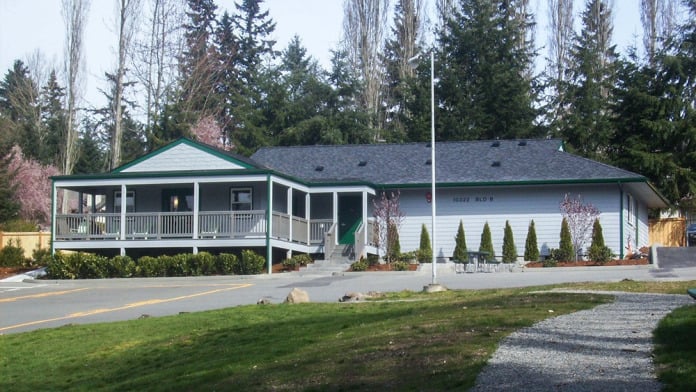
They offer inpatient and outpatient treatment services. The treatment center is small by design to be better able to provide customized treatment to each individual who seeks help at their facility. Some of the services available to clients include doctor-assisted Suboxone maintenance, individual counseling and 12 Step meetings. The facility also offers educational workshops and a family program that provides family members with education on addiction.
The residential program at Awakening by the Sea is broken down into three 30 day phases for a total of 90 days of treatment. The first phase provides detox services, which will be the first many patients get started. Patients will be evaluated and monitored by the medical team and licensed counselors to make sure their detox is as safe and comfortable as possible. When clients are medically stable, they move on to dialectical behavioral therapy (DBT), where they’ll learn how to change destructive patterns that cause their addiction.
The second phase will be where patients begin putting together an action plan. This can include nutrition counseling to make sure your diet is balanced. Food can help you feel energized and in a better mood so you don’t go back to drugs. In the third phase, clients will have a relapse prevention plan completed and ready to use outside of the facility.
In the aftercare program, patients will be able to receive ongoing support through the weekly online alumni meetings. They’ll also be connected with a mentor who has also overcome challenges with addiction and be encouraged to participate in service in or outside of the treatment center.
The staff at Awakenings are the most caring, selfless, understanding people on the planet. Michelle is a godsend and worked so hard to get my sister the treatment she needed. She was in a dark place and is a very stubborn individual and coupled with alcohol addiction- she was a difficult patient to say the least. Michelle talked our family through all the steps to success and was there for us in every moment. I can not express the appreciation and gratitude I have for her. It is beyond words. She is the only person through our search to get her help that truly cared to see her succeed. She never gave up, even when Awakenings was not the best fit. She worked tirelessly to find the right placement for her and my sister is still alive today thanks to her diligence and support! Thank you!!!!
Response from the owner1 week ago
Thank you for the kind words. We are beyond ecstatic to hear that good news!
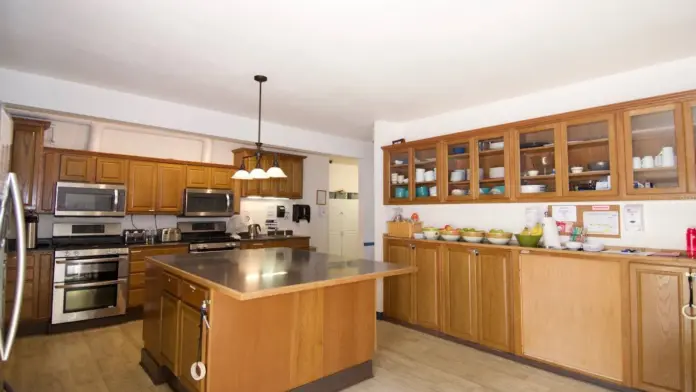
Awakenings By The Sea is exactly where I needed to be to be able to grasp the concept of true sobriety. From the minute I walked through the doors it was evident to me that this was a place that served those suffering from addiction. The staff are truly dedicated and I believe "called" to spread the message and help to others. The work was hard but sharing it with other women and recognizing their honesty, strength and willingness made it possible for me to do the work and do it with complete honesty. The AA meeting every morning at the Little Yellow House, Von and Shannon's delicious meals, the beach walks, gym time, bowling and movie time----were just what was needed to help in the beginning of healing. Jean who kept our home so clean and tidy and her wonderful sense of humor and stories.The counselors, nurses, admin., etc. are dedicated to each and every woman who comes through the doors. I am forever grateful for the gift of being able to walk through the doors and be a part of this blessed place. I look forward to seeing my Awakening Sisters in the future. I have been given the tools and healing time I was desperately in need of and I cannot thank them enough.
Scoring is assigned by a proprietary system which helps surface key metrics that determine quality. The 10-point scale factors in categories such as operations, customer satisfaction, and trust metrics. Read Full Methodology
8.1 / 10
Gallery
Accepted Insurance
Please contact to verify your specific insurance provider.
Awakenings by the Sea works with several private insurance providers, please contact to verify your specific insurance provider.
Private insurance refers to any kind of healthcare coverage that isn't from the state or federal government. This includes individual and family plans offered by an employer or purchased from the Insurance Marketplace. Every plan will have different requirements and out of pocket costs so be sure to get the full details before you start treatment.
Self-pay involves paying for treatment out of your own pocket. You can use savings or credit, get a personal loan, or receive help from family and friends to fund your treatment. If you don't have insurance or your insurance plan doesn't cover a specific program, self-pay can help ensure you still get the care you need.
Monthly
Medicare is a federal program that provides health insurance for those 65 and older. It also serves people under 65 with chronic and disabling health challenges. To use Medicare for addiction treatment you need to find a program that accepts Medicare and is in network with your plan. Out of pocket costs and preauthorization requirements vary, so always check with your provider.
Private insurance refers to any kind of healthcare coverage that isn't from the state or federal government. This includes individual and family plans offered by an employer or purchased from the Insurance Marketplace. Every plan will have different requirements and out of pocket costs so be sure to get the full details before you start treatment.
Addiction Treatments
Levels of Care
Drug and alcohol addiction often takes a heavy toll on one's body. Over time, a physical dependence can develop, meaning the body physiologically needs the substance to function. Detox is the process of removing drugs and/or alcohol from the body, a process that can be lethal if mismanaged. Medical detox is done by licensed medical professionals who monitor vital signs and keep you safe, healthy, and as comfortable as possible as you go through detox and withdrawal.
Intensive Outpatient Programs (IOP) are for those who want or need a very structured treatment program but who also wish to live at home and continue with certain responsibilities (such as work or school). IOP substance abuse treatment programs vary in duration and intensity, and certain outpatient rehab centers will offer individualized treatment programs.
Residential treatment programs are those that offer housing and meals in addition to substance abuse treatment. Rehab facilities that offer residential treatment allow patients to focus solely on recovery, in an environment totally separate from their lives. Some rehab centers specialize in short-term residential treatment (a few days to a week or two), while others solely provide treatment on a long-term basis (several weeks to months). Some offer both, and tailor treatment to the patient's individual requirements.
12-step programs are addiction recovery models based on Alcoholics Anonymous (AA). A number of substance abuse programs (including some drug and alcohol rehab centers) use the 12 steps as a basis for treatment. Beginning steps involve admitting powerlessness over the addiction and creating a spiritual basis for recovery. Middle steps including making direct amends to those who've been hurt by the addiction, and the final step is to assist others in addiction recovery in the same way. 12-Step offshoots including Narcotics Anonymous (NA), Cocaine Anonymous (CA), Dual Recovery Anonymous (DRA), Sex and Love Addicts Anonymous (SLAA) and Gamblers Anonymous (GA).
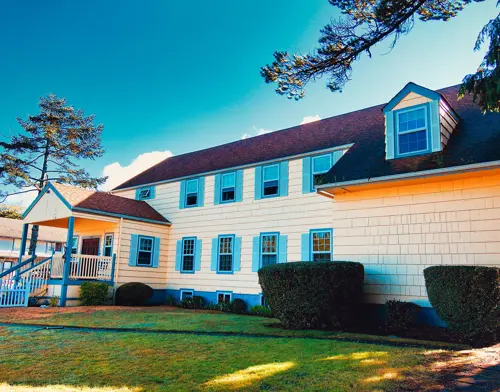
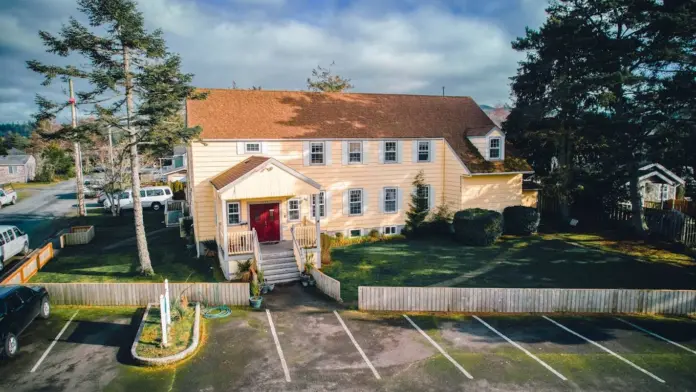
Aftercare or outpatient treatment at Awakenings by the Sea is a multi-element strategy with various therapeutic approaches to bond all that has been learned while in inpatient treatment. While in inpatient women have been grounded in the principals of recovery, taught the underlying issue of relapse, and created close connections at local AA/NA groups. Although some are ready to return home and begin their new journey, many benefit from continuing their recovery work in the tranquil setting of the spiritual little yellow house by the sea at Awakenings.
Treatments
The goal of treatment for alcoholism is abstinence. Those with poor social support, poor motivation, or psychiatric disorders tend to relapse within a few years of treatment. For these people, success is measured by longer periods of abstinence, reduced use of alcohol, better health, and improved social functioning. Recovery and Maintenance are usually based on 12 step programs and AA meetings.
Drug rehab in Oregon offers a full continuum of care for those struggling with addiction. From detox, to inpatient, to outpatient, to aftercare, Oregon residents can find the support they need for recovery. This treatment empowers individuals to replace drug use with positive alternatives and develop a healthier lifestyle.
Opioid rehabs specialize in supporting those recovering from opioid addiction. They treat those suffering from addiction to illegal opioids like heroin, as well as prescription drugs like oxycodone. These centers typically combine both physical as well as mental and emotional support to help stop addiction. Physical support often includes medical detox and subsequent medical support (including medication), and mental support includes in-depth therapy to address the underlying causes of addiction.
Substance rehabs focus on helping individuals recover from substance abuse, including alcohol and drug addiction (both illegal and prescription drugs). They often include the opportunity to engage in both individual as well as group therapy.
Programs
Adult rehab programs include therapies tailored to each client's specific needs, goals, and recovery progress. They are tailored to the specific challenges adult clients may face, including family and work pressures and commitments. From inpatient and residential treatment to various levels of outpatient services, there are many options available. Some facilities also help adults work through co-occurring conditions, like anxiety, that can accompany addiction.
Young adulthood can be an exciting, yet difficult, time of transition. Individuals in their late teens to mid-20s face unique stressors related to school, jobs, families, and social circles, which can lead to a rise in substance use. Rehab centers with dedicated young adult programs will include activities and amenities that cater to this age group, with an emphasis on specialized counseling, peer socialization, and ongoing aftercare.
Rehabs for women provide a safe, nurturing space for female clients to heal. These treatment programs consider the specific obstacles that women can face during recovery and place a special emphasis on mental, social, physical, and reproductive health. They explore how each woman's experience has shaped the trajectory of their substance use, addressing issues such as sexual abuse and past trauma.
Clinical Services
EMDR (Eye Movement Desensitization and Reprocessing) is an advance implementation of psychoanalysis and therapy they are proud to offer at Awakenings by the Sea. Under the care of our Director, Serenna Stone, qualified patients undergo specialized processes to speed the recovery from the pain of addiction. Overwhelming scientific evidence has shown that appropriate candidates can experience the results of years’ psychotherapy in a minimal amount of time. While it is expected that recovery from uncompromising emotional pain should take many month or years, EMDR therapy demonstrations the mind can heal itself.
At the Oregon rehab for women, they believe that alcoholism and chemical dependency is a family disease, and that everyone has the right to recover. They know that families are greatly impacted by the addict’s use and that most families’ often feel confused, frustrated, angry and helpless. The family program helps to alleviate confusion and anxiety by way of promoting healing through identifying how addiction affects families and what family members can do to take care of themselves. Therefore, they believe that families need to be involved and also need to begin the recovery process.
Group therapy is any therapeutic work that happens in a group (not one-on-one). There are a number of different group therapy modalities, including support groups, experiential therapy, psycho-education, and more. Group therapy involves treatment as well as processing interaction between group members.
In individual therapy, a patient meets one-on-one with a trained psychologist or counselor. Therapy is a pivotal part of effective substance abuse treatment, as it often covers root causes of addiction, including challenges faced by the patient in their social, family, and work/school life.
Life skills trainings involve all the skills a person must have in order to function successfully in the world. These include time management, career guidance, money management, and effective communication. Truly successful addiction recovery is based on the ability to not only live substance-free, but to thrive. Life skills teaches the practical necessities of functioning in society, which sets clients up for success in life, and therefore sobriety.
Nutrition therapy, aka medical nutrition therapy (MNT), is a way of treating physical, emotional, and medical conditions through diet. Specific dietary plans are designed by professional nutritionists or registered dietitians, and patients follow them in order to positively affect their physical and mental health.
Cognitive behavioral therapy (CBT) in Oregon is a short term talk therapy method used to treat mental and behavioral disorders. Based on client needs, the therapist may recommend five to 20 sessions. Typically, this form of therapy requires fewer sessions than many other types of treatment.
The six main elements of dialectical behavior therapy are designed to help you develop skills for recovery. These are related to: 1. Accepting your circumstances 2. Learning new skills 3. Receiving support 4. Learning positive behavioral responses 5. Changing negative thought patterns 6. Building collaboration skills.
Amenities
Yoga Studio
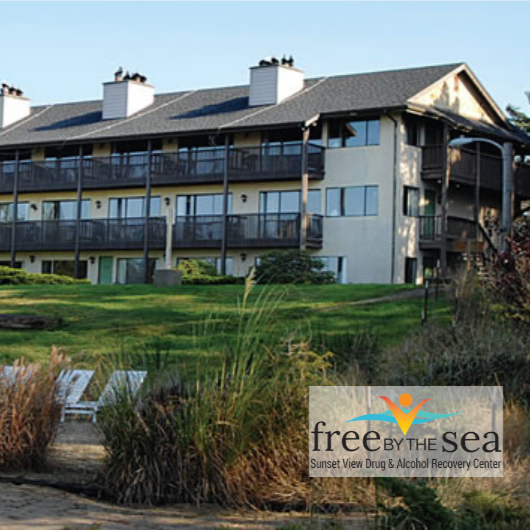
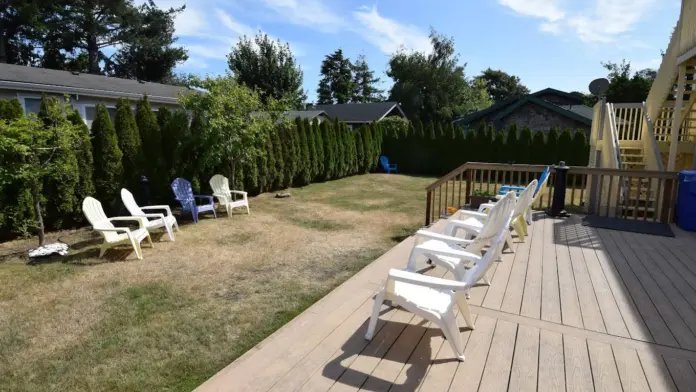
Beach Setting
Private Rooms
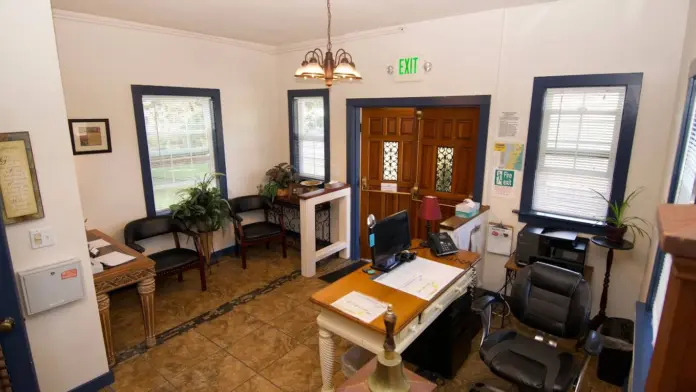
Residential Setting
Staff & Accreditations
Staff
Vicky Spear, MA, CADCll, QMHP-R
Program Director
Tabatha Christopherson, CADCII, QMHA-I, CCTP
Executive & Clinical Director
Dr. Merle D. Williamson, M.D
Medical Director
Keith Forney
Admissions Director
Accreditations
The Commission on Accreditation of Rehabilitation Facilities (CARF) is a non-profit organization that specifically accredits rehab organizations. Founded in 1966, CARF's, mission is to help service providers like rehab facilities maintain high standards of care.
CARF Accreditation: Yes
LegitScript has reviewed Awakenings by the Sea as part of their certification program, and has determined that it meets the LegitScript standards for legality, safety and transparency.
LegitScript verified in July 2020
The National Association of Addiction Treatment Providers (NAATP) is a professional association that represents organizations in the field of addiction services. Founded in 1978, NAATP's mission is to advance addiction services and ensure that high-quality addiction treatment is available and accessible.
NAATP Member: Yes
State Licenses are permits issued by government agencies that allow rehab organizations to conduct business legally within a certain geographical area. Typically, the kind of program a rehab facility offers, along with its physical location, determines which licenses are required to operate legally.
State License: Oregon
License Number: 700088
Rehab.com regularly reviews this listing for accuracy but changes may occur between updates. For the most up-to-date information, please contact Awakenings by the Sea.
A place where you see a lot of miracles happening each day, believe me. At Awakenings Staff they offer a complete treatment and take the time to explain things about the program and personalize it for you. It calmed my family, as we were all scared and unsure.
All Staff, all the women seeking treatment, and counselors were amazing!
Alex RN
4 months ago
5
Megan Gallusser
8 months ago
5
The staff at Awakenings are the most caring, selfless, understanding people on the planet. Michelle is a godsend and worked so hard to get my sister the treatment she needed. She was in a dark place and is a very stubborn individual and coupled with alcohol addiction- she was a difficult patient to say the least. Michelle talked our family through all the steps to success and was there for us in every moment. I can not express the appreciation and gratitude I have for her. It is beyond words. She is the only person through our search to get her help that truly cared to see her succeed. She never gave up, even when Awakenings was not the best fit. She worked tirelessly to find the right placement for her and my sister is still alive today thanks to her diligence and support! Thank you!!!!
Response from the owner
Thank you for the kind words. We are beyond ecstatic to hear that good news!
Natalie Davis
10 months ago
1
My experience at Awakenings by the Sea was extremely unsafe. I entered treatment to taper Suboxone, but the facility required a very fast benzodiazepine taper first. As expected with a rapid taper after long-term use, I began experiencing severe withdrawal symptoms—panic attacks, uncontrollable crying, agitation, insomnia, and even moments of suicidal ideation. Instead of being recognized as normal medical symptoms of an aggressive benzo withdrawal, these were treated as “behavioral issues.”
I repeatedly asked to meet with the doctor because my symptoms were escalating. The doctor is only available for ALL patients for a couple hours a week, and I was only allowed one short meeting during my entire stay—even as my condition worsened. After that, staff told me not to ask about adjusting the taper again. Shockingly, I was later told I needed to be discharged because I continued asking for medical support for these symptoms.
There were also serious communication issues and even medication errors and I had to provide correct information regarding tapering since disorganization created situations where information was frequently misconstrued and lost. My Suboxone taper plan was repeatedly delayed because the doctor didn’t receive the information I provided. When discharge was suddenly pushed on me, I was provided with almost no help or safe planning, and staff seemed surprised by the decisions being made.
I felt genuinely unsafe. This experience was traumatizing, and I hope the facility re-evaluates how they handle medical tapers, patient safety, and access to proper care. If you are going for alcohol treatment only or methamphetamines, I feel it could suffice but any prescription medication withdrawal or if you have mental health such as C-PTSD, depression or a lot of anxiety, I strongly encourage looking for a facility with proper staffing and proper medical personnel.
There are many more details and situations that occurred but for the sake of a short review on google, I have left out many details.
Anyone out there trying to recover from the disease of alcohol and addiction and/or get off of prescribed medications- you are in my heart, we can do this, even with extreme obstacles and I wish you all the best and the strength to persevere.
Response from the owner
Client privacy laws keep us from speaking to any individual's experience here, and that protection is something we take seriously. We stand behind the medical and clinical care our team provides every day. Awakenings is ASAM and CARF accredited, and any concerns can be sent to info@awakeningsbythesea.com to be reviewed by our clinical leadership.
Eric has been a content writer in the health and wellness space for over six years. He has a passion for researching and putting together content that’s informative and easy for readers to understand.
By calling the helpline you agree to the terms of use. We do not receive any commission or fee that is dependent upon which treatment provider a caller chooses. There is no obligation to enter treatment.
Calls to numbers on a specific treatment center listing will be routed to that treatment center. Calls to any general helpline could be forwarded to SAMHSA or a verified treatment provider.
If you wish to connect with non-sponsor centers, you can browse top-rated listings, visit our homepage and browse by state, or visit SAMHSA.

 Sponsored Helpline






































































































 Yoga Studio
  Beach Setting
  Private Rooms
  Residential Setting