





























































































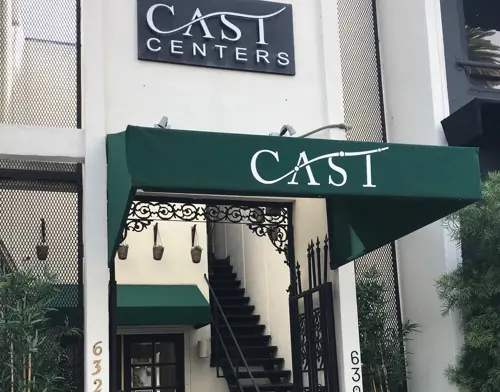


I was at the end of my road when I arrived at CAST Centers. I was an alcoholic who had dropped out of college and had horrible social anxiety. I entered into their custom PHP program and lived at their Transitional Living Apartments for an extra layer of added support. The g ...
About CAST Centers
The partial hospitalization program meets five days per week for six hours at a time. Individuals engage in peer support groups, spiritual support services, trauma treatment, and educational classes that address the mental and emotional aspects of addiction. Mental health counseling on an individual basis is also provided.
The intensive outpatient program meets three days per week for three hours at a time. Individuals meet with a mental health counselor on an individual basis, and they also work in groups and receive peer support. The program emphasizes relapse prevention planning, skills building, and learning how to implement healthy behaviors into daily life.
FDA-approved medications are combined with mental health counseling, relapse prevention, and case management services in this program. The medications reduce cravings and help mitigate symptoms, while mental health support allows clients to explore the issues behind their addictive tendencies.
CAST Centers accepts most insurance plans, including Amerigroup, Anthem, Beacon, Magellan, ComPsych, and TRICARE. Out of network benefits may vary, so it’s important to verify coverage with your provider.
Latest Reviews
I spent six months at CAST across two tracks, substance use and mental health, and it changed my life.
What sets CAST apart is that they truly understand dual diagnosis. The substance use and mental health work aren’t treated as separate problems. The care is integrated, thoughtful, and exceptionally well executed.
This also isn’t a treatment-center factory. There are only two locations, and you can feel the difference. The clients are thoughtfully curated, so you’re surrounded by people who genuinely want to get well. The schedules are flexible, with day and evening options, which made it possible to do IOP while still managing work and other commitments.
Most importantly, they care. Really care. Samson and Jackie lead an extraordinary team of therapists and staff. The clinical strategy is excellent, but so is the execution. And the support doesn’t disappear when treatment ends. Their alumni program creates a real community and continuity of care.
CAST isn’t magic. You have to want to get better, and you have to do the work. I did. Between six months at CAST and my 12-step program, I recently celebrated one year sober.
I don’t say this lightly: CAST helped change my life.
Samson, Jackie . Everyone amazing everyone so supportive while I had treatment there . And also they even have alumni group after people graduate this place just amazing .
Response from the owner1 week ago
Thank you for your kind review! We're so glad to hear that you felt supported throughout your treatment and had a positive experience with Samson, Jackie, and the rest of our team. It’s wonderful to know that our alumni community continues to be a meaningful part of your recovery journey. We truly appreciate your support and wish you continued success.
This is a wonderful place for treatment— both for mental health and substance abuse/addiction. The staff is incredibly kind and attentive, and the admin is very organized. The daily groups offered are wonderful. I would recommend to anybody.
Response from the owner1 week ago
Thank you for your thoughtful review, RJ! We're grateful to hear that you had such a positive experience with our team and daily groups. Providing compassionate mental health and addiction treatment in a supportive environment is at the heart of what we do. Your recommendation means a great deal to us, and we wish you all the best. 
Rehab Score
 Our Methodology
Scoring is assigned by a proprietary system which helps surface key metrics that determine quality. The 10-point scale factors in categories such as operations, customer satisfaction, and trust metrics. Read Full Methodology

7.8 / 10
Gallery
Accepted Insurance
Managed Health Network (MHN)
Other Forms of Payment
Self-pay involves paying for treatment out of your own pocket. You can use savings or credit, get a personal loan, or receive help from family and friends to fund your treatment. If you don't have insurance or your insurance plan doesn't cover a specific program, self-pay can help ensure you still get the care you need.
Private insurance refers to any kind of healthcare coverage that isn't from the state or federal government. This includes individual and family plans offered by an employer or purchased from the Insurance Marketplace. Every plan will have different requirements and out of pocket costs so be sure to get the full details before you start treatment.
Addiction Treatments
Levels of Care
Intensive Outpatient programs are for those who want or need a very structured treatment program but who also wish to live at home and continue with certain responsibilities (such as work or school). The IOP include daily group therapy, weekly individual therapy and weekly individual lifestyle coaching.
Outpatient programs are for those seeking mental rehab or drug rehab, but who also stay at home every night. The main difference between outpatient treatment (OP) and intensive outpatient treatment (IOP) lies in the amount of hours the patient spends at the facility. The individualized outpatient program allow each patient to continue with their responsibilities while they still in recovery. The program include a variety of modalities including case management and the 12-step programs.
12-step programs are addiction recovery models based on Alcoholics Anonymous (AA). A number of substance abuse programs (including some drug and alcohol rehab centers) use the 12 steps as a basis for treatment. Beginning steps involve admitting powerlessness over the addiction and creating a spiritual basis for recovery. Middle steps including making direct amends to those who've been hurt by the addiction, and the final step is to assist others in addiction recovery in the same way. 12-Step offshoots including Narcotics Anonymous (NA), Cocaine Anonymous (CA), Dual Recovery Anonymous (DRA), Sex and Love Addicts Anonymous (SLAA) and Gamblers Anonymous (GA).
Sober living houses (SLHs), aka sober homes or halfway houses, are safe, substance-free, supportive living facilities for those recovering from substance abuse. Ideal for those who've just been through inpatient or outpatient treatment. Many individuals stays in their transitional-living homes, CAST Wellness Apartments. The apartments offer a safe and clean environment where residents continue to learn life skills and habits. The apartments include gym membership, transportation to CAST's outpatient, wi-Fi and cable TV and laundry facilities in each apartment.
A partial hospitalization program (PHP) is a short-term form of intensive rehab, usually for those with acute symptoms that are hard to manage but don't require 24-hour care. Their PHP is based on the CAST Alignment Model. If the patient is attending the PHP, he/she has the option to live in one of their Wellness Apartments.
Intervention services helps family or friends of addicts stage an intervention, which is a meeting in which loved ones share their concerns and attempt to get an addict into treatment. Professional intervention specialists can help loved ones organize, gather, and communicate with an addict. They can guide intervention participants in describing the damage the addict's behavior is causing and that outside help is necessary to address the addiction. The ideal outcome of an intervention is for the addict to go to rehab and get the help they need.
Completing a drug or alcohol rehab program shouldn't spell the end of substance abuse treatment. Aftercare involves making a sustainable plan for recovery, including ongoing support. This can include sober living arrangements like halfway houses, career counseling, and setting a patient up with community programs like Alcoholics Anonymous (AA) or Narcotics Anonymous (NA).
Treatments
The goal of treatment for alcoholism is abstinence. Those with poor social support, poor motivation, or psychiatric disorders tend to relapse within a few years of treatment. For these people, success is measured by longer periods of abstinence, reduced use of alcohol, better health, and improved social functioning. Recovery and Maintenance are usually based on 12 step programs and AA meetings.
Drug rehab in California teaches participants constructive ways to stay clean and sober. Treatment revolves around helping individuals stop using the substance they are addicted to and learn healthy habits to avoid relapse.
Many of those suffering from addiction also suffer from mental or emotional illnesses like schizophrenia, bipolar disorder, depression, or anxiety disorders. Rehab and other substance abuse facilities treating those with a dual diagnosis or co-occurring disorder administer psychiatric treatment to address the person's mental health issue in addition to drug and alcohol rehabilitation.
A combined mental health and substance abuse rehab has the staff and resources available to handle individuals with both mental health and substance abuse issues. It can be challenging to determine where a specific symptom stems from (a mental health issue or an issue related to substance abuse), so mental health and substance abuse professionals are helpful in detangling symptoms and keeping treatment on track.
Opioid rehabs specialize in supporting those recovering from opioid addiction. They treat those suffering from addiction to illegal opioids like heroin, as well as prescription drugs like oxycodone. These centers typically combine both physical as well as mental and emotional support to help stop addiction. Physical support often includes medical detox and subsequent medical support (including medication), and mental support includes in-depth therapy to address the underlying causes of addiction.
Programs
Adult rehab programs include therapies tailored to each client's specific needs, goals, and recovery progress. They are tailored to the specific challenges adult clients may face, including family and work pressures and commitments. From inpatient and residential treatment to various levels of outpatient services, there are many options available. Some facilities also help adults work through co-occurring conditions, like anxiety, that can accompany addiction.
Young adulthood can be an exciting, yet difficult, time of transition. Individuals in their late teens to mid-20s face unique stressors related to school, jobs, families, and social circles, which can lead to a rise in substance use. Rehab centers with dedicated young adult programs will include activities and amenities that cater to this age group, with an emphasis on specialized counseling, peer socialization, and ongoing aftercare.
Clinical Services
Cognitive Behavioral Therapy (CBT) is a therapy modality that focuses on the relationship between one's thoughts, feelings, and behaviors. It is used to establish and allow for healthy responses to thoughts and feelings (instead of unhealthy responses, like using drugs or alcohol). CBT has been proven effective for recovering addicts of all kinds, and is used to strengthen a patient's own self-awareness and ability to self-regulate. CBT allows individuals to monitor their own emotional state, become more adept at communicating with others, and manage stress without needing to engage in substance abuse.
Dialectical Behavior Therapy (DBT) is a modified form of Cognitive Behavioral Therapy (CBT), a treatment designed to help people understand and ultimately affect the relationship between their thoughts, feelings, and behaviors. DBT is often used for individuals who struggle with self-harm behaviors, such as self-mutilation (cutting) and suicidal thoughts, urges, or attempts. It has been proven clinically effective for those who struggle with out-of-control emotions and mental health illnesses like Borderline Personality Disorder.
Eating disorders include anorexia, bulimia, binge eating, and dysfunctional eating patterns. Many psychologists and other mental health professionals consider eating disorders to be food addictions, meaning food is being used in an addictive way (similar to drug or alcohol addiction). Certain substance abuse treatment programs will have treatment for eating disorders as one of the services offered. An eating disorder may also present as a co-occuring disorder or dual diagnosis alongside drug and alcohol addiction.
EMDR is a therapeutic modality originally developed to help process trauma. In an EMDR session, a patient is prompted to undergo eye movements that mimic those of REM sleep. This is accomplished by watching a therapist's finger move back and forth across, or following a bar of light. The goal is repetitive sets of eye movements that help the brain reprocess memory, which can significantly reduce the intensity of remembered traumatic incidents. Associated memories can heal simultaneously, leaving patients significantly calmer, more stable, and more emotionally relaxed.
At CAST, they appreciate that their clients live in connection with others, which is why they offer family services. Family programs are customized for our individual clients and those who play integral roles in their lives. They are able to offer services ranging from phone support to intensive workshops targeting relationships that impact and are impacted by life-limiting conditions. Family services can be beneficial to both the client in fortifying recovery as well as the family in creating more desirable relationship patterns.
Fitness therapy blends exercise with psychotherapy for a fun, inspiring, and effective way of treating addiction and other issues. By incorporating movement into counseling sessions, clients become more empowered, motivated, and goal-oriented, all while strengthening their bodies and becoming more flexible. Fitness Therapy is usually used to complement a course of treatment (inpatient or outpatient) to make it even more successful. Increasing the connection between a patient’s mind and body helps both with healing as well as in creating new, healthy habits.
Group therapy is any therapeutic work that happens in a group (not one-on-one). There are a number of different group therapy modalities, including support groups, experiential therapy, psycho-education, and more. Group therapy involves treatment as well as processing interaction between group members.
Private, one-on-one time to focus on particularly salient and challenging topics. Their individual counselors guide clients in addressing both the overt and less obvious issues of life-limiting conditions, providing the greatest potential for growth. CAST Centers draws from many therapeutic modalities to create a customized, integrative experience for their clients.
Life skills trainings involve all the skills a person must have in order to function successfully in the world. These include time management, career guidance, money management, and effective communication. Truly successful addiction recovery is based on the ability to not only live substance-free, but to thrive. Life skills teaches the practical necessities of functioning in society, which sets clients up for success in life, and therefore sobriety.
Nutrition therapy, aka medical nutrition therapy (MNT), is a way of treating physical, emotional, and medical conditions through diet. Specific dietary plans are designed by professional nutritionists or registered dietitians, and patients follow them in order to positively affect their physical and mental health.
Sound therapy (aka sound healing or vibrational medicine) uses sonic vibrations to stimulate healing at the cellular level. Vibrations, either from the human voice or resonant objects like tuning forks, gongs, or Tibetan bowls, affect cellular resonance in the body, which can help heal the impact of anxiety, depression, trauma, and more.
Amenities
-
 Private Setting
 -
 Yoga Studio
 -
 Wifi
Wifi
Staff & Accreditations
Staff
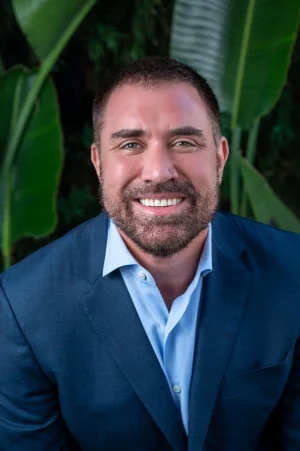
Mike Bayer, CADC-II
Founder & CEO

Samson Motavassel, LCSW
Program Director

Sarah Leitz, LMFT
Clinical Manager
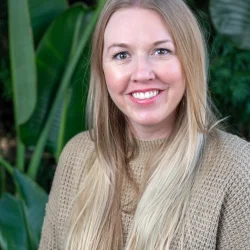
Jackie O’Brien, AMFT, CADC-III
Program Manager

William D Stanley, MD
Medical Director
Accreditations

The Joint Commission, formerly known as JCAHO, is a nonprofit organization that accredits rehab organizations and programs. Founded in 1951, the Joint Commision's mission is to improve the quality of patient care and demonstrating the quality of patient care.
Joint Commission Accreditation: Yes
Accreditation Number: 592557

LegitScript has reviewed CAST Centers as part of their certification program, and has determined that it meets the LegitScript standards for legality, safety and transparency.
LegitScript verified in May 2020
Rehab.com regularly reviews this listing for accuracy but changes may occur between updates. For the most up-to-date information, please contact CAST Centers.
Contact Information

630 N. Doheny Dr.
West Hollywood, CA 90069
Get Help Now - 747-567-0829
Sponsored Helpline
Sponsored Helpline



