










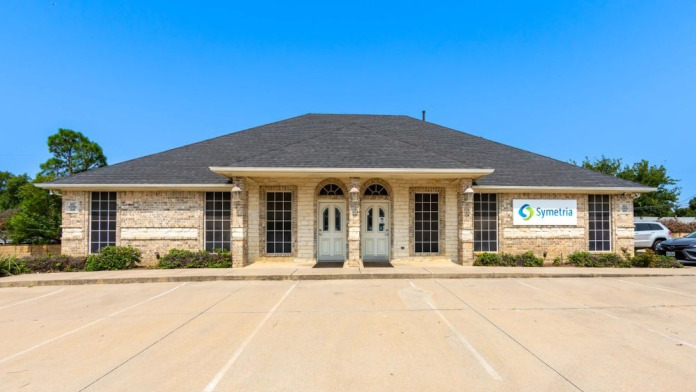
Symetria — Hurst Outpatient Rehab & Suboxone Clinic
1
Top 10 Rehab Centers In Hurst



















































































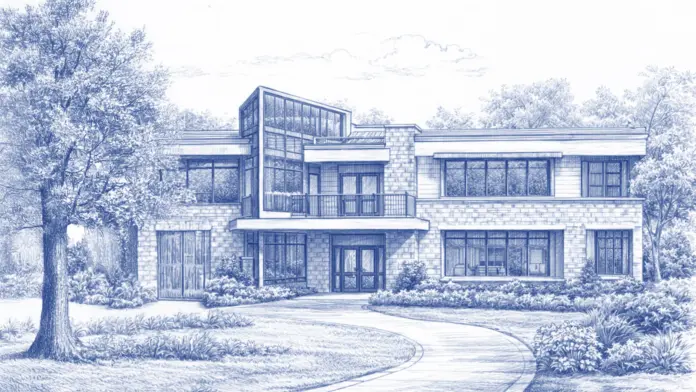
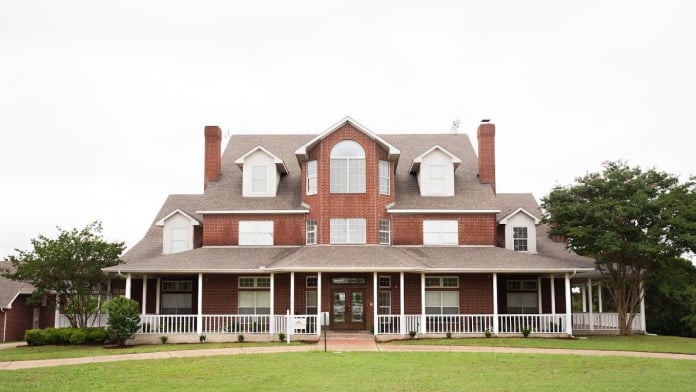
Residential treatment provides a well-structured setting with dedicated bedtimes and wake-up times to build a routine. Clients reside in serene houses designed for healing and comfort through relaxing color schemes and decor. This program incorporates a wide variety of modalities like dialectical and cognitive behavioral therapies, eye movement desensitization and reprocessing, yoga, nutrition education, and relapse prevention techniques. Clients will attend five to six hours of therapy each day.
Outpatient services utilize the same therapy modalities as residential treatment programs. Clients are put on a similar schedule to incorporate routine and structure with hours of treatment slowly being lowered as progress is made.
Discovery accepts a wide variety of insurance plans from different providers such as Beacon Health Strategies, Blue Shield of California, Cambia Health Solutions, Carefirst, Cigna, and CompCare BH. Furthermore, Coventry / First Health (CCN), Employee Health Network (EHN), First Choice Health, Fortified Provider Network (FPN), Fresno County, and Halcyon are some other providers that Discovery accepts. It is advised to discuss your out-of-network benefits with your provider to understand your coverage.

 Our Methodology


Private insurance refers to any kind of healthcare coverage that isn't from the state or federal government. This includes individual and family plans offered by an employer or purchased from the Insurance Marketplace. Every plan will have different requirements and out of pocket costs so be sure to get the full details before you start treatment.
Self-pay involves paying for treatment out of your own pocket. You can use savings or credit, get a personal loan, or receive help from family and friends to fund your treatment. If you don't have insurance or your insurance plan doesn't cover a specific program, self-pay can help ensure you still get the care you need.
Military members, veterans, and eligible dependents have access to specific insurance programs that help them get the care they need. TRICARE and VA insurance can help you access low cost or no cost addiction and mental health treatment. Programs that accept military insurance often have targeted treatment focused on the unique challenges military members, veterans, and their families face.
Outpatient Programs (OP) are for those seeking mental rehab or drug rehab, but who also stay at home every night. The main difference between outpatient treatment (OP) and intensive outpatient treatment (IOP) lies in the amount of hours the patient spends at the facility. Most of the time an outpatient program is designed for someone who has completed an inpatient stay and is looking to continue their growth in recovery. Outpatient is not meant to be the starting point, it is commonly referred to as aftercare.
Intensive Outpatient Programs (IOP) are for those who want or need a very structured treatment program but who also wish to live at home and continue with certain responsibilities (such as work or school). IOP substance abuse treatment programs vary in duration and intensity, and certain outpatient rehab centers will offer individualized treatment programs.
A partial hospitalization program (PHP) is a short-term form of intensive rehab, usually for those with acute symptoms that are hard to manage but don’t require 24-hour care. PHPs have structured programming (i.e. individual and/or group therapy), and usually meet 3-5 days a week for around 6 hours (i.e. 9am-3m). Some PHPs are residential (patients sleep on site) and some are not, so patients sleep at home. PHPs can last from 1-6 months, and some offer transportation and meals.
Mental health rehabs focus on helping individuals recover from mental illnesses like bipolar disorder, clinical depression, anxiety disorders, schizophrenia, and more. Mental health professionals at these facilities are trained to understand and treat mental health issues, both in individual and group settings.
Adult rehab programs include therapies tailored to each client's specific needs, goals, and recovery progress. They are tailored to the specific challenges adult clients may face, including family and work pressures and commitments. From inpatient and residential treatment to various levels of outpatient services, there are many options available. Some facilities also help adults work through co-occurring conditions, like anxiety, that can accompany addiction.
Young adulthood can be an exciting, yet difficult, time of transition. Individuals in their late teens to mid-20s face unique stressors related to school, jobs, families, and social circles, which can lead to a rise in substance use. Rehab centers with dedicated young adult programs will include activities and amenities that cater to this age group, with an emphasis on specialized counseling, peer socialization, and ongoing aftercare.
Cognitive Behavioral Therapy (CBT) is a therapy modality that focuses on the relationship between one's thoughts, feelings, and behaviors. It is used to establish and allow for healthy responses to thoughts and feelings (instead of unhealthy responses, like using drugs or alcohol). CBT has been proven effective for recovering addicts of all kinds, and is used to strengthen a patient's own self-awareness and ability to self-regulate. CBT allows individuals to monitor their own emotional state, become more adept at communicating with others, and manage stress without needing to engage in substance abuse.
Dialectical Behavior Therapy (DBT) is a modified form of Cognitive Behavioral Therapy (CBT), a treatment designed to help people understand and ultimately affect the relationship between their thoughts, feelings, and behaviors. DBT is often used for individuals who struggle with self-harm behaviors, such as self-mutilation (cutting) and suicidal thoughts, urges, or attempts. It has been proven clinically effective for those who struggle with out-of-control emotions and mental health illnesses like Borderline Personality Disorder.
Group therapy is any therapeutic work that happens in a group (not one-on-one). There are a number of different group therapy modalities, including support groups, experiential therapy, psycho-education, and more. Group therapy involves treatment as well as processing interaction between group members.
In individual therapy, a patient meets one-on-one with a trained psychologist or counselor. Therapy is a pivotal part of effective substance abuse treatment, as it often covers root causes of addiction, including challenges faced by the patient in their social, family, and work/school life.
Together with an experienced trauma therapist, you work on healing emotional wounds from traumatic experiences within a trauma therapy environment. Your therapist will help you process the experience of the trauma, which promotes emotional healing and improves your overall mental health.
The purpose of family therapy is to create a supportive and understanding family dynamic within the family unit. Therapists help individual members to identify and change harmful behavior patterns and improve communication. This provides a stable foundation for the family and their loved one's recovery.
Life skills trainings involve all the skills a person must have in order to function successfully in the world. These include time management, career guidance, money management, and effective communication. Truly successful addiction recovery is based on the ability to not only live substance-free, but to thrive. Life skills teaches the practical necessities of functioning in society, which sets clients up for success in life, and therefore sobriety.
 Residential Setting
  Private Rooms
Program Director
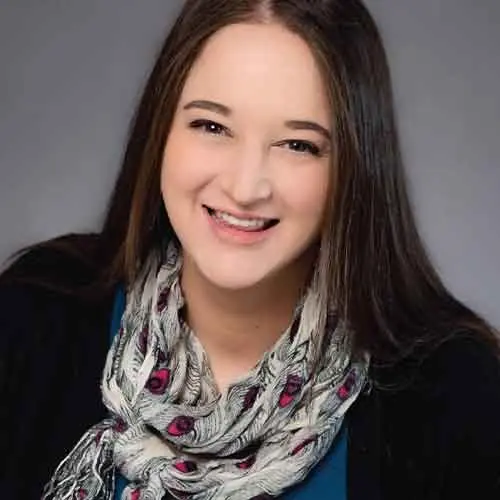
Senior Therapist
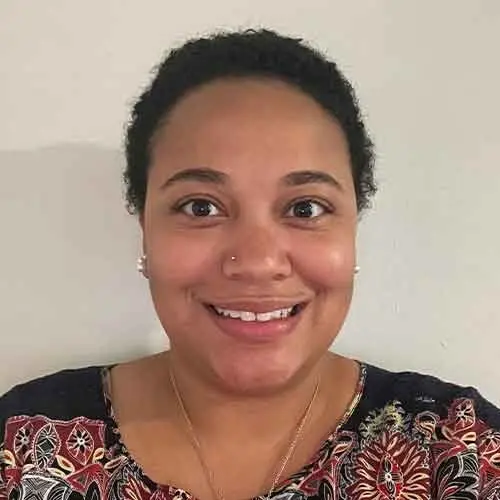
Primary Therapist
Clinical Intake Coordinator

Associate Therapist and Educational Liaison
Associate Therapist

The Joint Commission, formerly known as JCAHO, is a nonprofit organization that accredits rehab organizations and programs. Founded in 1951, the Joint Commision's mission is to improve the quality of patient care and demonstrating the quality of patient care.
Joint Commission Accreditation: Yes
Rehab.com regularly reviews this listing for accuracy but changes may occur between updates. For the most up-to-date information, please contact Discovery Mood & Anxiety Program – Austin.

1717 W 6th St
Suite 210
Austin, TX 78703
Sponsored Helpline

Discovery helped me so much! It's my second time in their IOP program and it has helped me find a community of others who I can share my experiences with and they won't judge me. Additionally, the staff are so kind and they treat you like a person, not like a patient and that is something I have found to be rare in mental healthcare areas. I highly recommend this center for so many reasons!!

This is a wonderful program! The staff is thorough; took great care of my son. I’m forever grateful! Thanks so much

This place is an absolute joke - DO NOT SEND YOUR CHILD HERE. They have a bunch of kids sitting around watching movies and call it an IOP. My daughter said it was a complete waste of time. They also like to commit Healthcare Billing FRAUD. We had already met all of our deductibles and Out of Pocket Max for the year and they sent me a bill for $1000+ after we withdrew our daughter after about a week of sessions. When I called them and told them that I had no intention of paying after being quoted $0 upon her admittance they sent no follow ups, no correspondence whatsoever. Then a year later they have a debt collector calling me. This place LIES and provides extremely poor healthcare services and instead of helping families who are in a vulnerable position and dealing with stress they pull stunts like this. DEPLORABLE!

Long overdue post: I attended this center around 3 years ago and did PHP, and it was by far my favorite center. I’ve been to many different mental health centers, and after going to this one, I never felt like I needed to go again. The staff there made me feel supported and I made many friends there. I developed great coping skills here, and my mental health has only gotten better since leaving this treatment. I still think about it almost everyday because of the wonderful experience I had. Some of my favorite parts included doing group yoga, walking near lady bird, and doing art projects. I am happy to say that this program is one of the reasons I am still here today.
 Back
Back
Sharing your insights and experiences can help others learn more about this rehab center.
 Written By: Kerry Nenn
BSW Expert Author, Editor
Written By: Kerry Nenn
BSW Expert Author, Editor
