










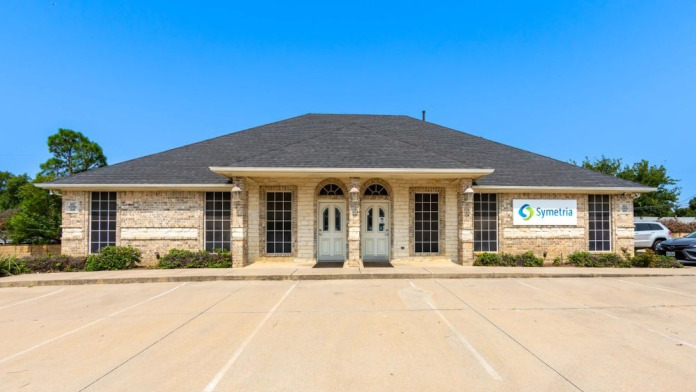
Symetria — Hurst Outpatient Rehab & Suboxone Clinic
1
Top 10 Rehab Centers In Hurst



















































































 Claimed
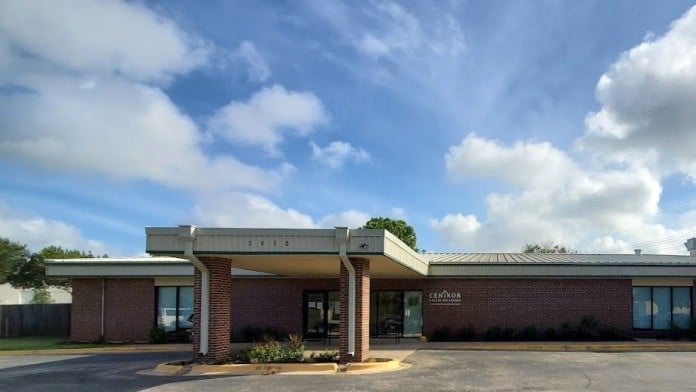
Besides offering drug and alcohol addiction treatment services, Cenikor also provides continued support when an individual has found sobriety through recovery housing and alumni programs. Yet before an individual can benefit from these services, they must become involved in one of the following substance abuse recovery programs:
The intensive outpatient program (IOP) at Cnikor is led by licensed medical and clinical staff who conduct screenings, assessments, issue specific classes, early intervention, and recovery services.
This rehab center program is comprehensive, which is why it involves individuals, groups, and families through treating chemical dependency, therapy, family in recovery planning, codependency disorder education, and gender specific substance abuse issue education.
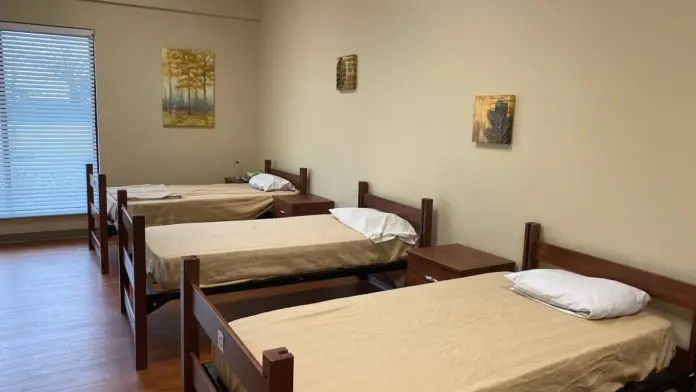
The Cenikor addiction treatment center offers a supportive inpatient residential treatment program. This rehab program is designed to help those ready to be physically, mentally, and spiritually committed to substance abuse recovery to better their lives and re-enter the workforce.
Some inpatient adult supportive services offered include 12 step groups, multi-family educational groups, certifications and diploma support, and soft skills training.
Medication assisted treatment (MAT) is believed to be one of the most effective opioid treatments. At Cenikor, this substance abuse addiction treatment center combines FDA approved medication known as Suboxone with psychosocial therapy to reduce withdrawal symptoms and cravings in a safe environment.
This treatment program includes patient specific treatment plans, individual counseling, transfers to this rehabs residential program, and access to Cenikors telehealth services.
The outpatient substance abuse withdrawal management program helps people remain on the path of recovery and sobriety in an outpatient setting. This program ensures individuals have access to ambulatory withdrawal management and supervised medication assisted treatment (MAT).
Cenikor offers individuals a short term inpatient recovery treatment program. This program provides nonemergency care in a structured environment. Some of the short term services offered to those battling substance abuse include discharge planning, referrals, 12 step group introductions, assessments and screenings, and individual and group counseling.
The youth inpatient treatment program is provided to those between the ages of 13 and 17. This drug and alcohol rehab program is operated by licensed staff and helps youths fight addiction and continue healthily into adulthood. In addition to providing early intervention, screening, assessments, and therapy, this program also provides schooling. Qualified teachers offer the schooling provided to ensure students receive an adequate education.
Youths requiring outpatient therapy and recovery treatment can enroll in the youth outpatient treatment program at Cenikor. The program is staffed by licensed counselors who use evidence based group counseling programs.

 Our Methodology


Private insurance refers to any kind of healthcare coverage that isn't from the state or federal government. This includes individual and family plans offered by an employer or purchased from the Insurance Marketplace. Every plan will have different requirements and out of pocket costs so be sure to get the full details before you start treatment.
Self-pay involves paying for treatment out of your own pocket. You can use savings or credit, get a personal loan, or receive help from family and friends to fund your treatment. If you don't have insurance or your insurance plan doesn't cover a specific program, self-pay can help ensure you still get the care you need.
Financial aid can take many forms. Centers may have grants or scholarships available to clients who meet eligibility requirements. Programs that receive SAMHSA grants may have financial aid available for those who need treatment as well. Grants and scholarships can help you pai for treatment without having to repay.
Sliding scale payments are based on a client's income and family size. The goal is to make treatment affordable to everyone. By taking these factors into account, addiction recovery care providers help ensure that your treatment does not become a financial burden to you or your family, eliminating one barrier to care.
Medicare is a federal program that provides health insurance for those 65 and older. It also serves people under 65 with chronic and disabling health challenges. To use Medicare for addiction treatment you need to find a program that accepts Medicare and is in network with your plan. Out of pocket costs and preauthorization requirements vary, so always check with your provider.
Military members, veterans, and eligible dependents have access to specific insurance programs that help them get the care they need. TRICARE and VA insurance can help you access low cost or no cost addiction and mental health treatment. Programs that accept military insurance often have targeted treatment focused on the unique challenges military members, veterans, and their families face.
Medicaid is a state based program that helps lower-income individuals and families pay for healthcare. Medicaid covers addiction treatment so those enrolled can use their coverage to pay for rehab. When a program accepts Medicaid the client often pays very little or nothing out of their own pocket.
After completing some form of inpatient care, many clients transition or step down to an outpatient rehab, while some choose to transition from detox directly into outpatient care. High-intensity outpatient programming, including partial hospitalization (PHP) and intensive outpatient (IOP) is widely available for clients in early recovery, those leaving detox, and those at an elevated relapse risk. Clients in outpatient care generally engage in robust addiction counseling and recovery education, and some also receive medication assisted treatment (MAT).
Residential treatment programs are those that offer housing and meals in addition to substance abuse treatment. Rehab facilities that offer residential treatment allow patients to focus solely on recovery, in an environment totally separate from their lives. Some rehab centers specialize in short-term residential treatment (a few days to a week or two), while others solely provide treatment on a long-term basis (several weeks to months). Some offer both, and tailor treatment to the patient's individual requirements. Cenikor offers short-term inpatient treatment.
Drug and alcohol addiction often takes a heavy toll on one's body. Over time, a physical dependence can develop, meaning the body physiologically needs the substance to function. Detox is the process of removing drugs and/or alcohol from the body, a process that can be lethal if mismanaged. Cenikor offers an inpatient medically-assisted detox and stabilization for adult clients going through the active withdrawal symptoms associated with a recent substance use disorder. The process include medical support, individualized medication protocols and individual counseling.
Commonly known as "day treatment," a partial hospitalization program (PHP) offers intensive addiction treatment while allowing you to return home each day. It can serve as an alternative to inpatient hospitalization or as a step-down option. Depending on your needs, PHP treatment typically averages 90 days with a weekly requirement of 6-8 hours a day. PHP treatment offers a variety of therapeutic interventions such as individual counseling, group therapy, and psychoeducation. Oftentimes PHP treatment can be fully covered by insurance.
Rehab aftercare programs are based on a model of continuing care and the premise that recovery is a life-long process requiring ongoing client support. Many rehab aftercare services include outpatient care, but clients often continue to receive support after being discharged from formal treatment. Case managers and care teams typically collaborate with clients to design their long-term care plan, which may include peer coaching, career counseling, and 12 step program induction, among other services.
12-step programs are addiction recovery models based on Alcoholics Anonymous (AA). A number of substance abuse programs (including some drug and alcohol rehab centers) use the 12 steps as a basis for treatment. Beginning steps involve admitting powerlessness over the addiction and creating a spiritual basis for recovery. Middle steps including making direct amends to those who've been hurt by the addiction, and the final step is to assist others in addiction recovery in the same way. 12-Step offshoots including Narcotics Anonymous (NA), Cocaine Anonymous (CA), Dual Recovery Anonymous (DRA), Sex and Love Addicts Anonymous (SLAA) and Gamblers Anonymous (GA).
Residents of a sober living home in Texas reside at the halfway house with others who have agreed to abstain from substances and practice sober-living skills. The relationships and accountability formed here can help individuals strengthen their mental health and achieve long-term recovery. Residents share common spaces such as kitchens and back yards, share meals together, and share household responsibilities such as cooking and cleaning.
24-hour clinical care in Texas provides a safe environment for medical detox. This setting is crucial to provide medical care during withdrawal. Certain withdrawal symptoms can cause life-threatening conditions, but patients in a supervised clinical setting have treatment readily available to address any symptoms before they become severe. Treatment can also be provided for co-occurring physical and mental health issues.
The goal of treatment for alcoholism is abstinence. Those with poor social support, poor motivation, or psychiatric disorders tend to relapse within a few years of treatment. For these people, success is measured by longer periods of abstinence, reduced use of alcohol, better health, and improved social functioning. Recovery and Maintenance are usually based on 12 step programs and AA meetings.
During rehab in Texas, you'll deal with underlying issues that contribute to addiction. By addressing these challenges and learning healthy ways to cope with them, you'll develop strategies that help you live a drug-free lifestyle.
Many of those suffering from addiction also suffer from mental or emotional illnesses like schizophrenia, bipolar disorder, depression, or anxiety disorders. Rehab and other substance abuse facilities treating those with a dual diagnosis or co-occurring disorder administer psychiatric treatment to address the person's mental health issue in addition to drug and alcohol rehabilitation.
A combined mental health and substance abuse rehab has the staff and resources available to handle individuals with both mental health and substance abuse issues. It can be challenging to determine where a specific symptom stems from (a mental health issue or an issue related to substance abuse), so mental health and substance abuse professionals are helpful in detangling symptoms and keeping treatment on track.
Opioid rehabs specialize in supporting those recovering from opioid addiction. They treat those suffering from addiction to illegal opioids like heroin, as well as prescription drugs like oxycodone. These centers typically combine both physical as well as mental and emotional support to help stop addiction. Physical support often includes medical detox and subsequent medical support (including medication), and mental support includes in-depth therapy to address the underlying causes of addiction.
Adult rehab programs include therapies tailored to each client's specific needs, goals, and recovery progress. They are tailored to the specific challenges adult clients may face, including family and work pressures and commitments. From inpatient and residential treatment to various levels of outpatient services, there are many options available. Some facilities also help adults work through co-occurring conditions, like anxiety, that can accompany addiction.
Serving in the military is both mentally and physically challenging, and can result in trauma that persists even after combat ends. Military programs are tailored to the specific and often complex needs of active duty personnel, veterans, and military families. Clients often access these programs through the U.S. Department of Veterans Affairs (VA).
Teen programs are designed to address the unique pressures teens face, pressures that can drive them to experiment with dangerous, addictive substances. They need programs that meet them exactly where they are and give them tools for long-term recovery. Therapy can help teenagers understand and work through underlying issues so they can reclaim the life ahead of them.
The goal of cognitive behavioral therapy (CBT) in Texas is to change thought patterns, which leads to changes in behavior. Specific techniques during CBT can include self talk, SMART goals, journaling, and positive activities.
In individual therapy, a patient meets one-on-one with a trained psychologist or counselor. Therapy is a pivotal part of effective substance abuse treatment, as it often covers root causes of addiction, including challenges faced by the patient in their social, family, and work/school life.
Therapy sessions that incorporate motivational interviewing focus on OARS: open questions, affirmation, reflections, and summarizing. This facilitates an exchange of information and an empowering of the client to decide for themselves what changes might need to be made in their lives.
Together with an experienced trauma therapist, you work on healing emotional wounds from traumatic experiences within a trauma therapy environment. Your therapist will help you process the experience of the trauma, which promotes emotional healing and improves your overall mental health.
Research clearly demonstrates that recovery is far more successful and sustainable when loved ones like family members participate in rehab and substance abuse treatment. Genetic factors may be at play when it comes to drug and alcohol addiction, as well as mental health issues. Family dynamics often play a critical role in addiction triggers, and if properly educated, family members can be a strong source of support when it comes to rehabilitation.
Life skills trainings involve all the skills a person must have in order to function successfully in the world. These include time management, career guidance, money management, and effective communication. Truly successful addiction recovery is based on the ability to not only live substance-free, but to thrive. Life skills teaches the practical necessities of functioning in society, which sets clients up for success in life, and therefore sobriety.
Treatment that takes a dialectical behavior therapy approach focuses on four strategies. Distress tolerance will help you accept and tolerate intense emotions. Emotional regulation will teach you to manage those emotions. Mindfulness will keep you in the present moment instead of regret or worry. Interpersonal effectiveness will teach you to manage your relationships.
Peer support is an important aspect of group therapy sessions for drug and alcohol addiction. As you and your peers share stories and encourage each other, it fosters a sense of community and belonging that helps you process your feelings and reduces the sense of isolation that is associated with addiction.
 Private Setting
  Yoga Studio
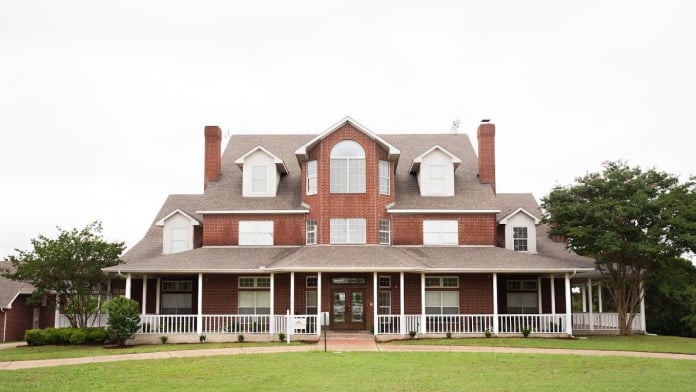
  Residential Setting
  Private Rooms
  Gym
Gym  Recreation Room
President & Chief Executive Officer
Sr. Regional Director
Chief of Staff
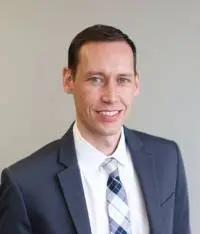
Chief Financial Officer
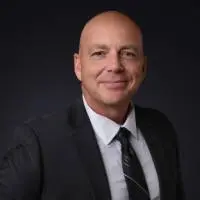
Assistant Vice President of Operations

The Commission on Accreditation of Rehabilitation Facilities (CARF) is a non-profit organization that specifically accredits rehab organizations. Founded in 1966, CARF's, mission is to help service providers like rehab facilities maintain high standards of care.
CARF Accreditation: Yes
Accreditation Number: 277429

The Joint Commission, formerly known as JCAHO, is a nonprofit organization that accredits rehab organizations and programs. Founded in 1951, the Joint Commision's mission is to improve the quality of patient care and demonstrating the quality of patient care.
Joint Commission Accreditation: Yes

The Substance Abuse and Mental Health Services Administration (SAMHSA) is a branch of the U.S. Department of Health and Human Services. Established in 1992 by congress, SAMHSA's mission is to reduce the impact of substance abuse and mental illness on American's communities.
SAMHSA Listed: Yes
Rehab.com regularly reviews this listing for accuracy but changes may occur between updates. For the most up-to-date information, please contact Cenikor Foundation.

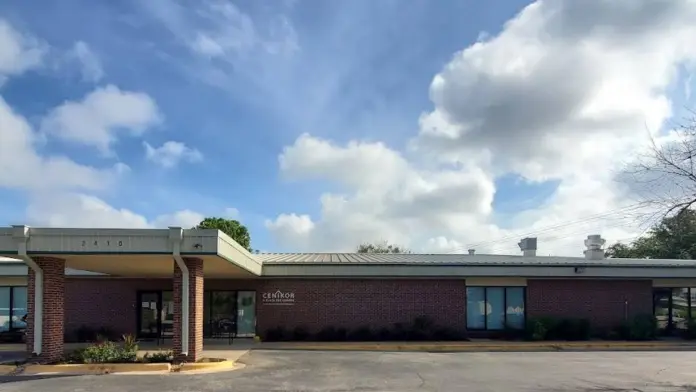
2410 West Howard Ln.
Austin, TX 78728
Sponsored Helpline

Denied me for being trans when I asked for help. I even offered to use male facilities was still told no by the man on the phone. I’m glad to know they will refuse people asking for help based on bigotry

They gave me trouble about arriving at appointed time as my phone service was off and so they were unable to reach me regarding the fact that they gave my spot to someone else, gave me medications for withdrawal from a substance I was not addicted to, then kicked me out for a mood swing likely related to improper medication and a cooccuring mental health disorder, attempted to keep my prescription medication that I brought, and kept my phone charging block. Lied about being aloud to make a call to my son as well.

My family member did a 30 day in-patient treatment there and it truly changed their life. The staff & everyone involved there were amazing, very welcoming and supportive. It was a blessing they was able to receive treatment at such a well run facility with a caring staff!!

Thanks for help me
 Back
Back
Sharing your insights and experiences can help others learn more about this rehab center.
 Written By: Jason Collins

