










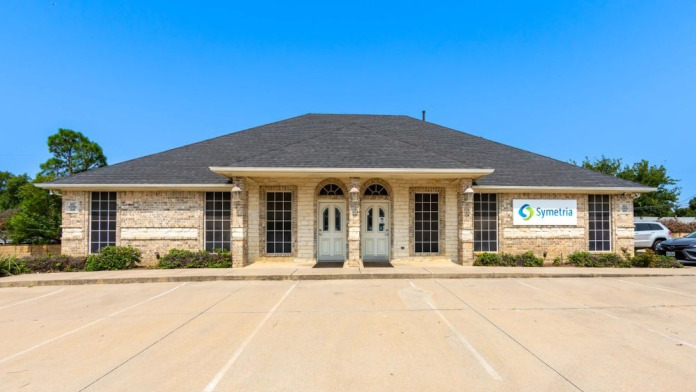
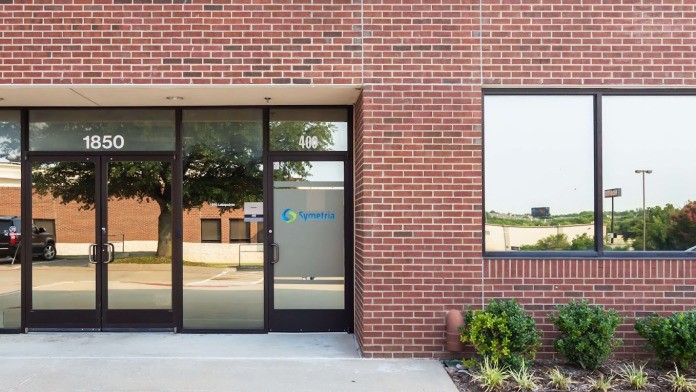
Symetria — Hurst Outpatient Rehab & Suboxone Clinic
1
Top 10 Rehab Centers In Hurst




















































































While clients are in the detox program, they’ll receive case management and mental health services from trained staff members. The detox services also include medically assisted detoxification, individual and group therapy and 24 hour medical care.
Clients in detox will receive individualized meal plans and have nutritious meals prepared for them by a chef. Medications that might be used to reduce withdrawal symptoms include Suboxone, buprenorphine and naltrexone. Medical providers will visit patients on a daily basis to monitor the effectiveness of treatment and adjust a client’s treatment if needed. Counselors in individual therapy sessions will help clients uncover the cause of their addiction and develop skills to prevent their relapse.
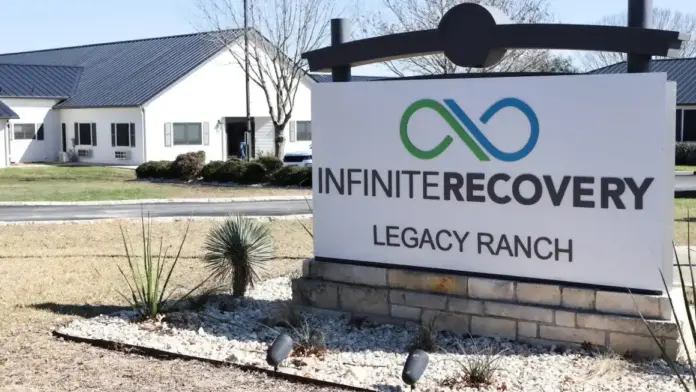
They may use evidence based treatments such as motivational interviewing, trauma therapy or cognitive behavioral therapy. While patients are going through the process of withdrawal, staff members will continually provide encouragement and support. Group therapy also provides clients with an opportunity to feel supported by their peers. Infinity Recovery believes that the process of discussing addiction and sharing personal stories can provide clients with deeper healing. Additionally, they’ll have a chance to learn from their peers and gain more insight into achieving recovery from addiction.


 Our Methodology





Self-pay involves paying for treatment out of your own pocket. You can use savings or credit, get a personal loan, or receive help from family and friends to fund your treatment. If you don't have insurance or your insurance plan doesn't cover a specific program, self-pay can help ensure you still get the care you need.
Private insurance refers to any kind of healthcare coverage that isn't from the state or federal government. This includes individual and family plans offered by an employer or purchased from the Insurance Marketplace. Every plan will have different requirements and out of pocket costs so be sure to get the full details before you start treatment.
Sliding scale payments are based on a client's income and family size. The goal is to make treatment affordable to everyone. By taking these factors into account, addiction recovery care providers help ensure that your treatment does not become a financial burden to you or your family, eliminating one barrier to care.
Military members, veterans, and eligible dependents have access to specific insurance programs that help them get the care they need. TRICARE and VA insurance can help you access low cost or no cost addiction and mental health treatment. Programs that accept military insurance often have targeted treatment focused on the unique challenges military members, veterans, and their families face.
Intensive outpatient is a discreet, confidential non-residential outpatient program designed for those ready to reenter school or the workforce. Group sessions are less intense and the schedule is more flexible than other programs. Preparation for reintegration to education or work is emphasized and clients meet weekly with counselors to address needs, obstacles and growth opportunities.
Outpatient Programs (OP) are for those seeking mental rehab or drug rehab, but who also stay at home every night. The main difference between outpatient treatment (OP) and intensive outpatient treatment (IOP) lies in the amount of hours the patient spends at the facility. Most of the time an outpatient program is designed for someone who has completed an inpatient stay and is looking to continue their growth in recovery. Outpatient is not meant to be the starting point, it is commonly referred to as aftercare.
12-step programs are addiction recovery models based on Alcoholics Anonymous (AA). A number of substance abuse programs (including some drug and alcohol rehab centers) use the 12 steps as a basis for treatment. Beginning steps involve admitting powerlessness over the addiction and creating a spiritual basis for recovery. Middle steps including making direct amends to those who've been hurt by the addiction, and the final step is to assist others in addiction recovery in the same way. 12-Step offshoots including Narcotics Anonymous (NA), Cocaine Anonymous (CA), Dual Recovery Anonymous (DRA), Sex & Love Addicts Anonymous (SLAA) and Gamblers Anonymous (GA).
Residential treatment programs are those that offer housing and meals in addition to substance abuse treatment. Rehab facilities that offer residential treatment allow patients to focus solely on recovery, in an environment totally separate from their lives. Some rehab centers specialize in short-term residential treatment (a few days to a week or two), while others solely provide treatment on a long-term basis (several weeks to months). Some offer both, and tailor treatment to the patient's individual requirements.
A partial hospitalization program (PHP) is a short-term form of intensive rehab, usually for those with acute symptoms that are hard to manage but don’t require 24-hour care. PHPs have structured programming (i.e. individual and/or group therapy), and usually meet 3-5 days a week for around 6 hours (i.e. 9am-3m). Some PHPs are residential (patients sleep on site) and some are not, so patients sleep at home. PHPs can last from 1-6 months, and some offer transportation and meals.
Sober Living Houses (SLHs), aka sober homes or halfway houses, are safe, substance-free, supportive living facilities for those recovering from substance abuse. Ideal for those who've just been through inpatient or outpatient treatment, SLHs are supervised environments with rules that support sobriety, such as curfews, shared chores, and therapeutic meetings. Residents are also often trained on life skills and coping skills to make it easier to transition into society. SLHs also provide a strong sense of community that can lead to the kind of deep and lasting connections with other sober individuals that supports a new, healthy lifestyle.
Drug and alcohol addiction often takes a heavy toll on one's body. Over time, a physical dependence can develop, meaning the body physiologically needs the substance to function. Detox is the process of removing drugs and/or alcohol from the body, a process that can be lethal if mismanaged. Medical detox is done by licensed medical professionals who monitor vital signs and keep you safe, healthy, and as comfortable as possible as you go through detox and withdrawal.
At certain points in the recovery process, it's important to have support available 24/7. 24-hour clinical care offers a safe environment in which to recover from drug or alcohol addiction in peace, knowing medical detox and other treatment will happen with professionals on hand.
The goal of treatment for alcoholism is abstinence. Those with poor social support, poor motivation, or psychiatric disorders tend to relapse within a few years of treatment. For these people, success is measured by longer periods of abstinence, reduced use of alcohol, better health, and improved social functioning. Recovery and Maintenance are usually based on 12 step programs and AA meetings.
During rehab in Texas, you'll deal with underlying issues that contribute to addiction. By addressing these challenges and learning healthy ways to cope with them, you'll develop strategies that help you live a drug-free lifestyle.
Many of those suffering from addiction also suffer from mental or emotional illnesses like schizophrenia, bipolar disorder, depression, or anxiety disorders. Rehab and other substance abuse facilities treating those with a dual diagnosis or co-occurring disorder administer psychiatric treatment to address the person's mental health issue in addition to drug and alcohol rehabilitation.
Opioid rehabs specialize in supporting those recovering from opioid addiction. They treat those suffering from addiction to illegal opioids like heroin, as well as prescription drugs like oxycodone. These centers typically combine both physical as well as mental and emotional support to help stop addiction. Physical support often includes medical detox and subsequent medical support (including medication), and mental support includes in-depth therapy to address the underlying causes of addiction.
Substance rehabs focus on helping individuals recover from substance abuse, including alcohol and drug addiction (both illegal and prescription drugs). They often include the opportunity to engage in both individual as well as group therapy.
Adult rehab programs include therapies tailored to each client's specific needs, goals, and recovery progress. They are tailored to the specific challenges adult clients may face, including family and work pressures and commitments. From inpatient and residential treatment to various levels of outpatient services, there are many options available. Some facilities also help adults work through co-occurring conditions, like anxiety, that can accompany addiction.
Young adulthood can be an exciting, yet difficult, time of transition. Individuals in their late teens to mid-20s face unique stressors related to school, jobs, families, and social circles, which can lead to a rise in substance use. Rehab centers with dedicated young adult programs will include activities and amenities that cater to this age group, with an emphasis on specialized counseling, peer socialization, and ongoing aftercare.
At Infinite Recovery, they recognize the therapeutic benefits animals provide. Studies show that pet therapy can reduce blood pressure, lower anxiety, tension, and anger. It can also increase endorphins, oxytocin, and provide a sense of empowerment, compassion, and improved self-esteem. That’s why they offer a dog training program that focuses on the parallels between human and animal psychology. Patients will learn how to communicate and train an animal using mindful behavior and positive reinforcement, all while observing how human emotion affects animal behavior.
Cognitive Behavioral Therapy (CBT) is a therapy modality that focuses on the relationship between one's thoughts, feelings, and behaviors. It is used to establish and allow for healthy responses to thoughts and feelings (instead of unhealthy responses, like using drugs or alcohol). CBT has been proven effective for recovering addicts of all kinds, and is used to strengthen a patient's own self-awareness and ability to self-regulate. CBT allows individuals to monitor their own emotional state, become more adept at communicating with others, and manage stress without needing to engage in substance abuse.
Whether a marriage or other committed relationship, an intimate partnership is one of the most important aspects of a person's life. Drug and alcohol addiction affects both members of a couple in deep and meaningful ways, as does rehab and recovery. Couples therapy and other couples-focused treatment programs are significant parts of exploring triggers of addiction, as well as learning how to build healthy patterns to support ongoing sobriety.
EMDR is a therapeutic modality originally developed to help process trauma. In an EMDR session, a patient is prompted to undergo eye movements that mimic those of REM sleep. This is accomplished by watching a therapist's finger move back and forth across, or following a bar of light. The goal is repetitive sets of eye movements that help the brain reprocess memory, which can significantly reduce the intensity of remembered traumatic incidents. Associated memories can heal simultaneously, leaving patients significantly calmer, more stable, and more emotionally relaxed.
Research clearly demonstrates that recovery is far more successful and sustainable when loved ones like family members participate in rehab and substance abuse treatment. Genetic factors may be at play when it comes to drug and alcohol addiction, as well as mental health issues. Family dynamics often play a critical role in addiction triggers, and if properly educated, family members can be a strong source of support when it comes to rehabilitation.
Group therapy is any therapeutic work that happens in a group (not one-on-one). There are a number of different group therapy modalities, including support groups, experiential therapy, psycho-education, and more. Group therapy involves treatment as well as processing interaction between group members.
In individual therapy, a patient meets one-on-one with a trained psychologist or counselor. Therapy is a pivotal part of effective substance abuse treatment, as it often covers root causes of addiction, including challenges faced by the patient in their social, family, and work/school life.
Life skills trainings involve all the skills a person must have in order to function successfully in the world. These include time management, career guidance, money management, and effective communication. Truly successful addiction recovery is based on the ability to not only live substance-free, but to thrive. Life skills teaches the practical necessities of functioning in society, which sets clients up for success in life, and therefore sobriety.
Nutrition therapy, aka medical nutrition therapy (MNT), is a way of treating physical, emotional, and medical conditions through diet. Specific dietary plans are designed by professional nutritionists or registered dietitians, and patients follow them in order to positively affect their physical and mental health.
There is increasing scientific evidence that shows the link between trauma, chronic stress, and drug and alcohol addiction. Early childhood trauma often plays a large role as to why people turn to drugs and/or alcohol and many in the grips of addiction experience traumatic events as a result of a high-risk lifestyle. This cycle of chronic stress and addiction can seem paralyzing and there is often no way of recovering from one without dealing with the other. That’s why Infinite Recovery employs masters-level therapists trained in trauma resolution, pet-assisted therapy and Eye Movement Desensitization and Reprocessing (EMDR),a specialized treatment for healing the brain from trauma.
 Private Setting
Executive Director
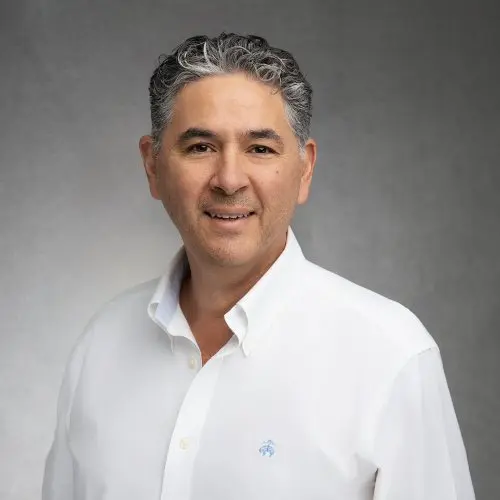
Psychiatrist
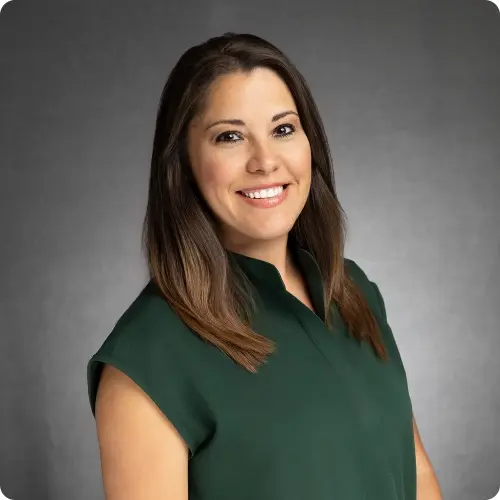
Director of Nursing
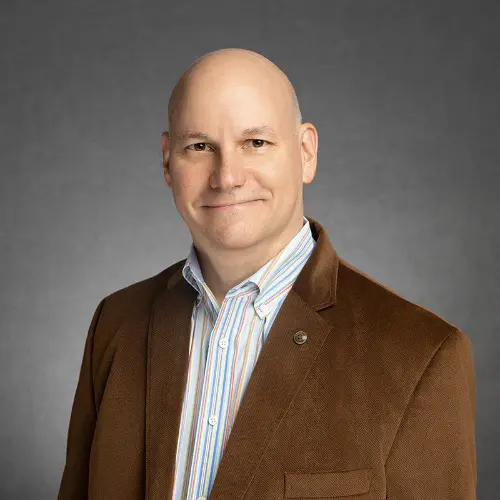
Psychiatrist
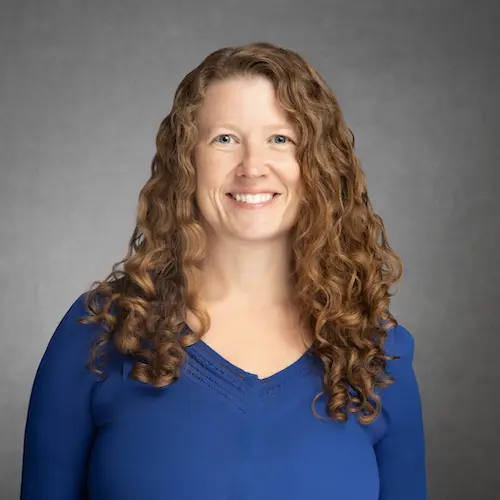
Psychiatrist
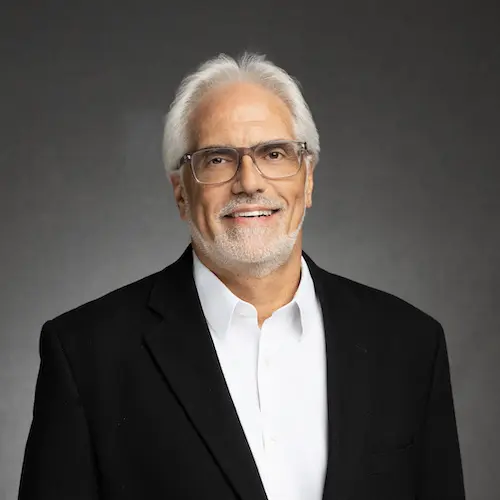
Nurse Practitioner
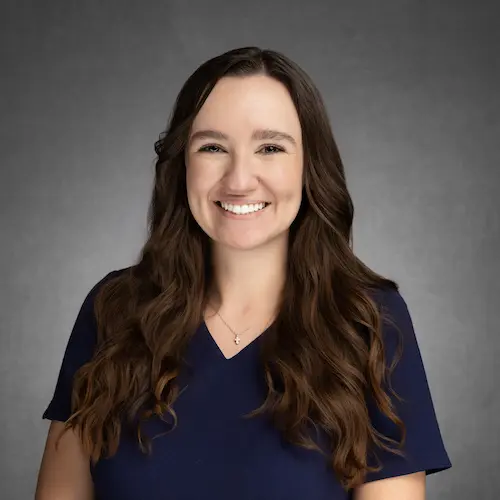
Nurse
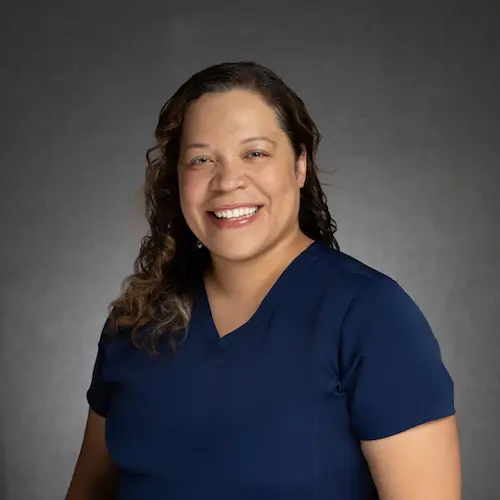
Nurse

The Joint Commission, formerly known as JCAHO, is a nonprofit organization that accredits rehab organizations and programs. Founded in 1951, the Joint Commision's mission is to improve the quality of patient care and demonstrating the quality of patient care.
Joint Commission Accreditation: Yes
Accreditation Number: 594597

LegitScript has reviewed Infinite Recovery – Villa San Miguel as part of their certification program, and has determined that it meets the LegitScript standards for legality, safety and transparency.
LegitScript verified in November 2019

State Licenses are permits issued by government agencies that allow rehab organizations to conduct business legally within a certain geographical area. Typically, the kind of program a rehab facility offers, along with its physical location, determines which licenses are required to operate legally.
State License: Texas
License Number: 3767
Rehab.com regularly reviews this listing for accuracy but changes may occur between updates. For the most up-to-date information, please contact Infinite Recovery – Villa San Miguel.

1524 S I-35 Frontage Rd
Unit 201
Austin, TX 78704
Sponsored Helpline

The staff at Infinite Recovery genuinely cares, and they meet clients needs at their level. My experience at Infinite is priceless, and I will forever be grateful.

I’m truly grateful for Infinite recovery. Ive received so much internally and externally. Came with nothing but a broken heart and mind. Stepping up to I.o.p. And looking forward to what’s in store. Love you infinite family!

Fantastic experience, Staff is great.

Someone from this place called me last night at 9:30 pm and asked to speak with my eldest son. I asked why they needed to talk with him and they said “to check on him, to see how he’s doing.” I then replied that he died in 2021 from a fentanyl overdose. She responded with an “I’m sorry.” To go through the experience of losing your child is a grief so deep, that just trying to describe it is impossible. DO NOT CALL PEOPLE AND ASK ABOUT THEIR ADDICTED LOVED ONE WITHOUT GOOGLING THEM FIRST. HOW COULD YOU NOT UNDERSTAND THAT THE POSSIBILITY OF AN EARLY, HORRIBLE DEATH FOR A DRUG ADDICTED PERSON IS QUITE PROBABLE?!!!!!! I WANT SOMEONE FROM THIS “RECOVERY CENTER” TO CALL ME ON MONDAY.
 Back
Back
Sharing your insights and experiences can help others learn more about this rehab center.

 Written By: Eric Owens


